

Free Famagusta District Travel Guide & Mobile App
Explore Famagusta District with free travel guides. Discover regional history, expert tips, proposed trips, and audio guides on web or mobile app.


Explore Famagusta District for Cyprus’s eastern beaches, Cape Greco landscapes, red-soil villages, ancient heritage and lively resort culture.
Read more about Famagusta District
When is the best time to visit Famagusta District?
Best: April–May, October · 23–27°C| Month | High (°C) | Rainfall (mm) |
|---|---|---|
| January | 16 | 80 |
| February | 16 | 70 |
| March | 19 | 40 |
| April (best) | 23 | 20 |
| May (best) | 27 | 10 |
| June | 31 | 1 |
| July | 33 | 1 |
| August | 33 | 1 |
| September | 31 | 5 |
| October (best) | 26 | 30 |
| November | 21 | 60 |
| December | 18 | 70 |
Getting to and around Famagusta District
How to get there
Transportation
Top city travel guides in Famagusta District
The cities of Famagusta District, and the easiest places to base yourself.
-

-
-
-


Swipe for more cities
Destinations in Famagusta District
Resorts, valleys and scenic spots worth a trip of their own.
-

-
-

-

-

-


Swipe for more destinations
Best attractions in Famagusta District
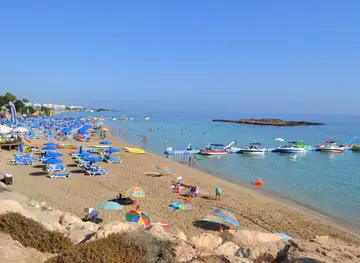
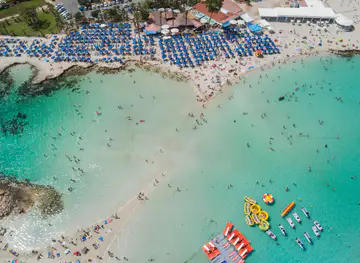
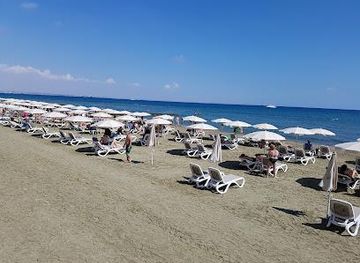
Famagusta District offers a varied range of coastal, cultural and outdoor attractions. Ayia Napa and Protaras provide the best-known beaches, swimming areas, boat excursions and watersports, with Nissi Beach, Fig Tree Bay and Konnos Bay each offering a different coastal setting. Around Cape Greco, visitors can explore sea caves, limestone coves, viewpoints and walking routes through a protected natural landscape, although exposed paths require care in hot or windy weather. Ayia Napa’s Thalassa Municipal Museum interprets Cyprus’s maritime environment, while the town’s monastery and sculpture park add cultural interest beyond the beach. Inland, Paralimni, Deryneia, Sotira and Frenaros offer churches, village life, agricultural landscapes and opportunities to sample local produce. Ancient Salamis and the walled city of Famagusta are major attractions in the northern part of the historic district, but they lie beyond the effective control of the Republic of Cyprus and require an authorised crossing of the buffer zone. Their status and access arrangements should be checked before travel.
-
Beach
Mackenzie Beach
Experience the allure of Mackenzie Beach in Larnaca: golden sands, turquoise waters, vibrant nightlife, and thrilling plane spotting await on this captivating Cypriot coast.
-
Monastery
Saint Barnabas Monastery
Discover the spiritual and historical significance of Saint Barnabas Monastery near Tuzla, Cyprus, home to ancient relics, stunning Byzantine architecture, and the tomb of the island's patron saint.
-
Tourist attraction
Kantara Castle
Medieval marvel with panoramic mountain and sea views, Kantara Castle offers history, hiking, and solitude above Cyprus’ enchanting northern coast.
-
Beach
Kastella Beach - Blue Flag
Discover the serene beauty of Kastella Beach in Larnaca, Cyprus: a Blue Flag paradise with golden sands, calm waters, and a vibrant Mediterranean atmosphere perfect for relaxation and adventure.

Best landmarks in Famagusta District
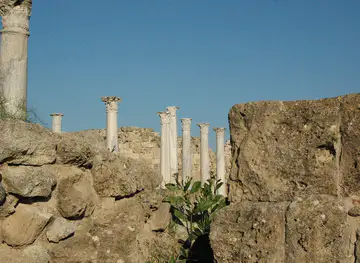
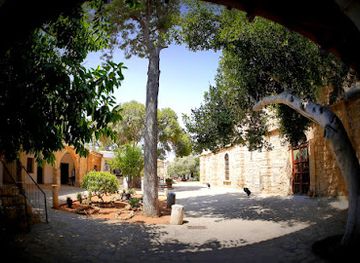
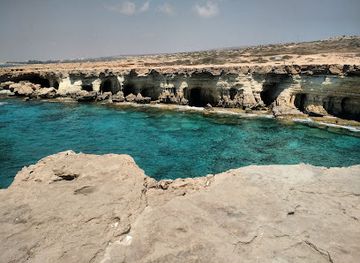
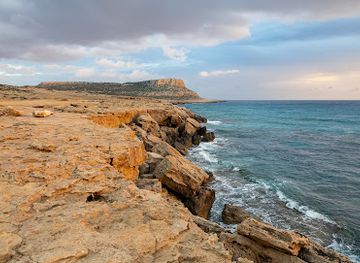
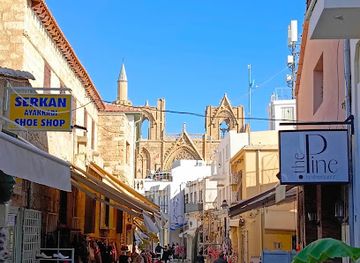
The most recognisable natural landmark in Famagusta District is Cape Greco, a rugged headland of pale rock, sea caves and elevated coastal views between Ayia Napa and Protaras. Its protected landscape gives the district a geographical identity beyond its resort development. In Ayia Napa, the sixteenth-century monastery around a mature central fig tree remains an important religious and architectural focal point, while the town’s sculpture park creates a modern cultural landmark on the coastal edge. The Church of Saint George in Paralimni and the district’s village churches reflect the continuing importance of Orthodox religious architecture, often combining older local forms with later additions. The historic walled city of Famagusta, including its massive Venetian fortifications and former cathedral now known as Lala Mustafa Pasha Mosque, is among Cyprus’s most significant architectural landmarks, but it lies in the northern part of the historic district. Ancient Salamis, also north of the buffer zone, is notable for its theatre, baths, basilicas and civic remains. Visits to both sites require crossing arrangements and should be planned with their divided political context in mind.
-
National park
Cavo Greco National Park
Explore the breathtaking beauty of Cavo Greco National Park in Cyprus, a must-visit destination for nature lovers and adventure seekers alike.
-
Nature preserve
Cape Cavo Greco
Discover Cape Cavo Greco: Cyprus's stunning nature preserve with dramatic cliffs, turquoise waters, and rich biodiversity. Perfect for hiking and diving.
-
Tourist attraction
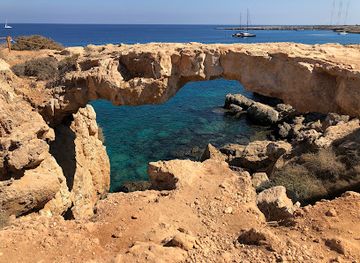
Crow's Arch
Discover the breathtaking Crow's Arch in Protaras, Cyprus, a stunning natural rock formation within Cape Greco National Forest Park.
-
Scenic spot
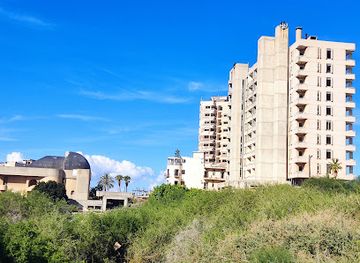
Ghost Town Palm Beach
Explore the haunting beauty of Ghost Town Palm Beach in Famagusta, Cyprus - a unique blend of history, nature, and tranquility awaits you.
Explore Famagusta District on the map
Plan your trip on one map. See where the top cities, national parks and sights are, and book hotels and experiences in a few clicks.
Best hotels in Famagusta District
Best restaurants in Famagusta District
Dining in Famagusta District ranges from seafood restaurants and casual cafés on the resort coast to family-run tavernas in Paralimni and the surrounding villages. Cypriot staples such as mezze, grilled meats, halloumi, seafood, olives, village salads and baked dishes are widely available, while the eastern district is particularly associated with locally grown potatoes from the red-soil farming area. Seasonal fruit, vegetables and herbs appear in village cooking, and traditional sweets and pastries are often found in bakeries and coffee shops. Ayia Napa and Protaras have the broadest international choice, including contemporary restaurants aimed at visitors, whereas inland establishments generally offer a more locally rooted setting. Markets and farm shops can be useful for finding produce, though availability changes with the agricultural season. Cyprus wines, zivania and local beers accompany many meals, but responsible drinking matters, especially when driving on unfamiliar roads.
-
Turkish
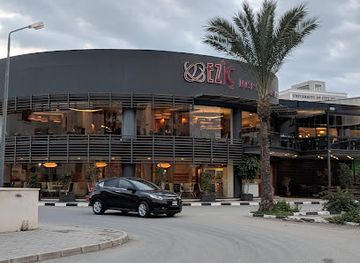
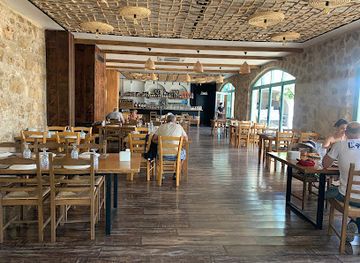
Eziç Famagusta
Discover the authentic flavors of Turkey at Eziç Famagusta, where delicious cuisine meets warm hospitality in the heart of Cyprus.
-
Turkish
Aspava Restaurant & Bar
Experience authentic Turkish cuisine at Aspava Restaurant & Bar in Famagusta - where every meal tells a story of flavor and tradition.
-
Restaurant
MACKENZİ BAY
Experience culinary excellence at Mackenzi Bay - where breathtaking views meet delectable Mediterranean and seafood dishes.
-
Turkish
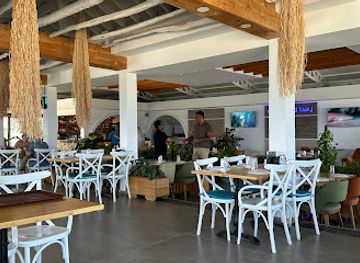
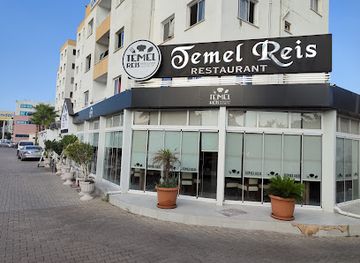
Temel Reis Restaurant
Experience authentic Turkish flavors at Temel Reis Restaurant in Famagusta - where culinary tradition meets modern dining.
Best bars in Famagusta District
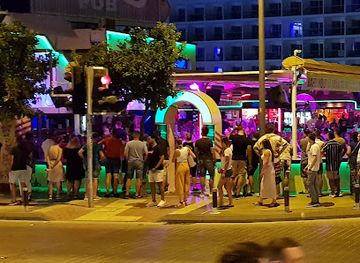
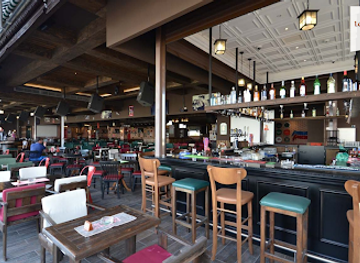
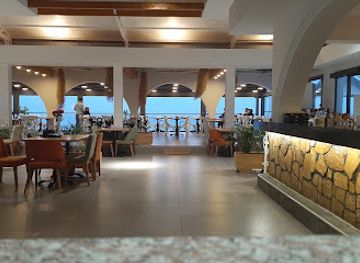
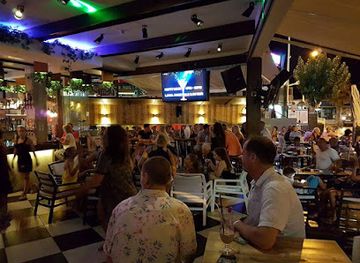
Nightlife is concentrated in Ayia Napa, one of Cyprus’s best-known resort entertainment centres, where bars, late-night venues and seasonal clubs cluster around the central entertainment area. The atmosphere is busiest in the summer and can be energetic and highly international. Protaras offers a more relaxed evening scene built around waterfront restaurants, pubs, cocktail bars, family-friendly entertainment and live music, with activity varying by season. Paralimni and the inland villages are quieter, relying mainly on cafés, traditional coffee shops, tavernas and local bars rather than large clubs. Visitors seeking a less organised evening can choose a sunset meal, a coastal walk or a village gathering instead of the resort nightlife. Venue opening patterns, events and transport arrangements change over the year, so check locally and plan the return journey before going out.
-
Pub
Tommy's Pub
Discover the lively atmosphere at Tommy's Pub in Ayia Napa, where delicious food, refreshing drinks, and unforgettable memories await.
-
Bar
Love Boat Bar
Experience the vibrant atmosphere and stunning views at Love Boat Bar in Protaras, where great drinks meet the beauty of the Mediterranean.
-
Restaurant
MACKENZİ BAY
Explore the culinary delights of Mackenzi Bay, where fresh seafood meets Mediterranean flair in a breathtaking coastal setting.
-
Bar
Ghetto Cocktail Bar
Experience the vibrant nightlife at Ghetto Cocktail Bar in Protaras, a perfect blend of creative cocktails and delicious burgers.
Best nightclubs in Famagusta District
Nightlife is concentrated in Ayia Napa, one of Cyprus’s best-known resort entertainment centres, where bars, late-night venues and seasonal clubs cluster around the central entertainment area. The atmosphere is busiest in the summer and can be energetic and highly international. Protaras offers a more relaxed evening scene built around waterfront restaurants, pubs, cocktail bars, family-friendly entertainment and live music, with activity varying by season. Paralimni and the inland villages are quieter, relying mainly on cafés, traditional coffee shops, tavernas and local bars rather than large clubs. Visitors seeking a less organised evening can choose a sunset meal, a coastal walk or a village gathering instead of the resort nightlife. Venue opening patterns, events and transport arrangements change over the year, so check locally and plan the return journey before going out.
-
Night club
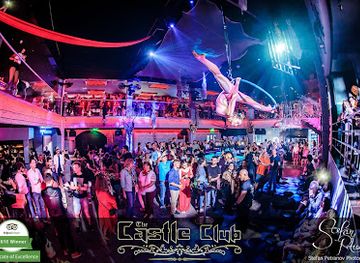
The Castle Club
Discover the pulsating nightlife at The Castle Club, Ayia Napa’s top night club, featuring world-class DJs, themed events, and an electrifying atmosphere.
-
Night club
Kıbrıs Night Club
Dive into the electrifying nightlife of Nicosia at Kıbrıs Night Club, where music, dance, and fun come together for an unforgettable experience.
-
Lounge
Cafe Inn Lounge
Experience the warmth and charm of Famagusta at Cafe Inn Lounge, where delightful food meets a cozy atmosphere.
-
Night club
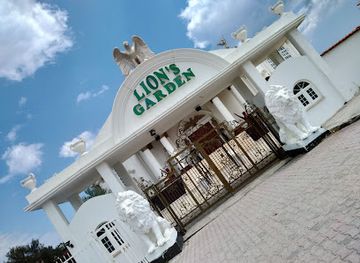
Lion's Garden
Experience Tuzla's nightlife at Lion's Garden, the ultimate night club for dancing, live music, and unforgettable memories.

Best shops in Famagusta District
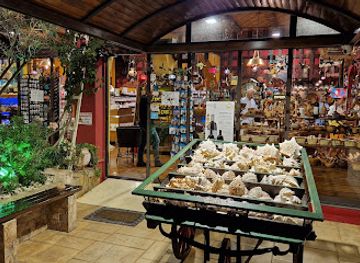
Shopping in Famagusta District is strongest in Ayia Napa, Protaras and Paralimni, where visitors find supermarkets, resort boutiques, beachwear, jewellery, gifts and everyday services. Paralimni has a more practical town-centre character, while the resort areas focus on holiday goods and seasonal retail. Village shops and farm outlets provide opportunities to buy Cypriot products such as olive oil, potatoes, preserves, sweets, wine and zivania, although selection and opening patterns vary. Bakeries are useful for local pastries and bread, and small craft or gallery-style businesses may stock ceramics, textiles, religious items and handmade souvenirs. Markets and pop-up stalls can be seasonal rather than permanent, so confirm local arrangements instead of relying on a fixed weekly schedule. Visitors crossing to the northern part of the district will encounter different retail practices and currency arrangements; keep receipts, understand payment conditions and check the rules governing goods taken back across the checkpoint.
-
Shopping mall
City Mall
Explore City Mall in Famagusta for a delightful shopping experience filled with local and international brands, dining options, and family-friendly entertainment.
-
Shopping mall
Önder shopping center
Explore Önder Shopping Center in Famagusta: Your one-stop destination for shopping, dining, and entertainment in Cyprus.
-
Store
Taste of Life
Experience the flavors of Cyprus with local handmade products and exquisite wines at Taste of Life in Ayia Napa.
-
Shopping mall
Famagusta Castle Arcade
Discover the Famagusta Castle Arcade, where modern shopping meets rich history in the heart of Cyprus, making every visit a unique experience.


Get your free copy of our complete guide to Famagusta District, delivered straight to you.
Everything on this page, from attractions and restaurants to essentials and local phrases, in one PDF you can read offline, print or share.
Already have an account? Sign in
Your Famagusta District guide is ready.
We'll send it to · Not you? Sign out

Getting your guide ready…
We are putting together a fresh copy of the Famagusta District guide. This can take up to a minute.
This can take a few moments. If your browser asks, choose Allow so the download can start. You'll find the guide in your Downloads folder.
Nothing happened? Download it again
Sorry, the guide is taking longer than usual. Please try again in a minute, or get it by email instead.
Famagusta District essentials
Currency and Payment
Safety
Emergency Situations
Do's and Don'ts
Local Tips
From Eve
Local phrases worth knowing
You don't need to get them perfect. A few words go a long way, and locals appreciate the effort.
Basics
| English | Local | Say it |
|---|---|---|
| Hello | Merhaba | [mehr-hah-bah] |
| Goodbye | Hoşça kal | [hosh-chah kal] |
| Yes | Evet | [eh-vet] |
| No | Hayır | [hah-yuhr] |
| Please/You’re welcome | Lütfen | [loot-fen] |
| Thank you | Teşekkür ederim | [teh-shehk-kur eh-deh-reem] |
| Excuse me/Sorry | Affedersiniz | [ah-feh-dehr-see-neez] |
| How are you? | Nasılsınız? | [nah-suhl-suhn-uhz] |
| Fine. And you? | İyiyim. Ya siz? | [ee-yee-yim. yah seez?] |
| Do you speak English? | İngilizce konuşuyor musunuz? | [een-gee-leez-jeh koh-noo-shoo-yor moo-soo-nooz] |
| I don't understand | Anlamıyorum | [ahn-lah-muh-yor-uhm] |
Eating & Drinking
| English | Local | Say it |
|---|---|---|
| I’d like to see the menu, please | Menüyü görmek istiyorum lütfen | [meh-nü-yü gör-mehk ees-tee-yo-rum loot-fen] |
| I don’t eat meat | Et yemiyorum | [et yeh-mee-yor-uhm] |
| Cheers! | Şerefe! | [sheh-reh-feh] |
| I would like to pay, please | Ödemek istiyorum lütfen | [ö-deh-mehk ees-tee-yo-rum loot-fen] |
Emergencies
| English | Local | Say it |
|---|---|---|
| Help! | Yardım edin! | [yar-dum eh-deen!] |
| Go away! | Defol! | [deh-fol!] |
| Call the Police! | Polisi ara! | [poh-lee-see ah-rah!] |
| Call a doctor! | Doktor çağır! | [dok-tor chah-uh-r!] |
| I’m lost | Kayboldum | [kahy-bol-doom] |
| I’m ill | Hastayım | [has-tah-yuhm] |
Shopping
| English | Local | Say it |
|---|---|---|
| I’d like to buy... | Satın almak istiyorum... | [sah-tuhn ahl-mahk ees-tee-yo-rum] |
| I’m just looking | Sadece bakıyorum | [sah-deh-jeh bah-kee-yor-uhm] |
| How much is it? | Bu ne kadar? | [boo neh kah-dahr?] |
| That’s too expensive | Bu çok pahalı | [boo chohk pah-hah-luh] |
| Can you lower the price? | Fiyatı düşürebilir misiniz? | [fee-yah-tuh dü-sheh-reh-bee-leer mee-see-neez] |
Time & Numbers
| English | Local | Say it |
|---|---|---|
| What time is it? | Saat kaç? | [sah-aht kahch?] |
| It’s one o’clock | Saat bir | [sah-aht beer] |
| Half past (10) | Onbuçuk | [on-boo-chook] |
| Morning | Sabah | [sah-bah] |
| Afternoon | Öğleden sonra | [uh-leh-den sohn-rah] |
| Evening | Akşam | [ahk-shahm] |
| Yesterday | Dün | [duhn] |
| Today | Bugün | [boo-goon] |
| Tomorrow | Yarın | [yah-ruhn] |
| 1 | Bir | [beer] |
| 2 | İki | [ee-kee] |
| 3 | Üç | [ooch] |
| 4 | Dört | [dohrt] |
| 5 | Beş | [besh] |
| 6 | Altı | [ahl-tuh] |
| 7 | Yedi | [yeh-dee] |
| 8 | Sekiz | [seh-keez] |
| 9 | Dokuz | [doh-kooz] |
| 10 | On | [ohn] |
Transport & Directions
| English | Local | Say it |
|---|---|---|
| Where's a/the...? | Nerede...? | [neh-reh-deh...?] |
| What’s the address? | Adres ne? | [ah-dress neh?] |
| Can you show me (on the map)? | Haritada gösterebilir misiniz? | [hah-ree-tah-dah gohs-teh-reh-bee-leer mee-see-neez] |
| When’s the next (bus)? | Bir sonraki (otobüs) ne zaman? | [beer sohn-rah-kee (oh-toh-boos) neh zah-mahn?] |
| A ticket (to ....) | Bir bilet (....) | [beer bee-let (....)] |
History of Famagusta District
Neolithic and Bronze Age settlement
The eastern Cyprus region has been occupied since prehistoric times, when communities established farming settlements and developed connections across the eastern Mediterranean. Archaeological remains across the wider Famagusta area reflect the island’s long agricultural tradition and its position between Anatolia, the Levant and the sea routes of the Bronze Age. The fertile red soils inland and access to coastal resources helped sustain settlement, while copper and other Cypriot products encouraged exchange with neighbouring civilisations. Although many sites are modest in scale, they place the district within the deep prehistoric history shared by Cyprus rather than treating its resort landscape as a purely modern creation.
Salamis and the ancient eastern kingdom
Ancient Salamis, on the eastern coast of Cyprus, became one of the island’s most important urban centres and the principal archaeological legacy associated with the northern part of Famagusta District. The city flourished particularly during the Hellenistic and Roman periods, when its harbour, public buildings, baths, theatre and religious institutions reflected its regional importance. Earthquakes and changing political conditions contributed to its decline, and a later settlement developed at nearby Constantia. The surviving monuments demonstrate the scale of ancient urban life on Cyprus and remain central to understanding the district’s pre-medieval history.
Roman and early Christian Cyprus
Under Roman rule, Cyprus was integrated into a wider imperial economy linking the eastern Mediterranean. Salamis and the surrounding eastern coast benefited from maritime trade, while roads, civic buildings and agricultural production supported urban life. Christianity became increasingly influential during late antiquity, and basilicas were built in the Salamis-Constantia area. The period also brought natural disasters, including major earthquakes that affected eastern Cypriot cities. Remains of churches, mosaics, baths and civic structures show how classical urban traditions gradually developed into the institutions of late Roman and early Byzantine Cyprus.
Medieval Famagusta and Lusignan rule
The medieval city of Famagusta rose to prominence after the Crusades, particularly under the Lusignan dynasty that ruled Cyprus from the late twelfth century. Its harbour connected the island with Levantine and European commerce, and merchants from different communities established a prosperous trading centre. Churches and other monumental buildings reflected the city’s wealth, while fortifications protected its commercial and political importance. The Gothic architecture associated with medieval Famagusta, including the former cathedral now known as Lala Mustafa Pasha Mosque, remains one of the most recognisable historical legacies of the wider district.
Venetian fortifications and Ottoman conquest
Venetian control of Cyprus brought renewed attention to Famagusta’s defensive role. The city’s walls and bastions were strengthened in response to Ottoman expansion, creating the formidable circuit visible today. Famagusta surrendered to the Ottomans in 1571 after a prolonged siege, an event that ended Venetian rule on the island. Ottoman administration reshaped the city’s institutions and religious landscape, while its commercial importance changed over time. The fortifications, gates and surviving military structures provide a tangible record of the transition from a medieval trading city to an Ottoman provincial centre.
British rule, agriculture and modern settlement
Cyprus became a British-administered territory in 1878 and a British Crown Colony in 1925. During this period, transport, administration and commercial agriculture developed across the island, while villages in the eastern district continued to depend on farming and local trade. The area’s red soils became closely associated with potato cultivation, an agricultural identity that remains important today. Modern coastal tourism expanded especially after the mid-twentieth century, transforming Ayia Napa and Protaras from small communities into major holiday destinations while leaving inland settlements more closely tied to agriculture and parish life.
The division of Cyprus and the 1974 displacement
The political crisis and conflict of 1974 divided Cyprus and profoundly altered Famagusta District. Famagusta city and much of the northern and eastern part of the district came under Turkish Cypriot administration, while the Republic of Cyprus retained control of the southern area containing Ayia Napa, Protaras, Paralimni and surrounding villages. The fenced-off Varosha quarter of Famagusta became an internationally recognised symbol of displacement and division. The United Nations buffer zone and crossing arrangements continue to shape travel, property, community life and the interpretation of heritage across the district.
Famagusta District in Photos
Browse through our photo collection highlighting the charm and character of the destination.
Neighbouring regions of Famagusta District
The closest regions to Famagusta District, if you have time for more than one.
-

-

-

-

-


Swipe for more regions
Explore more

Explore more of Cyprus
Discover Cyprus: A Mediterranean paradise with a rich tapestry of history, culture, and breathtaking landscapes, offering a perfect blend of relaxation and adventure.
Explore Cyprus