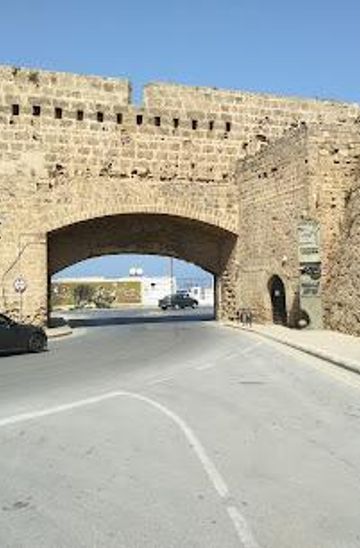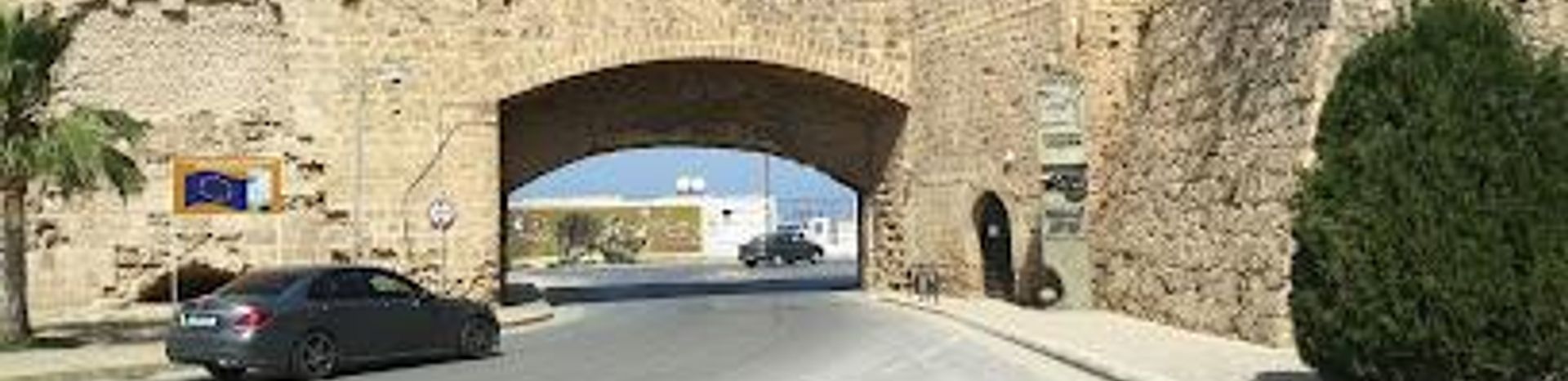
Canbulat Museum: A Glimpse into Famagusta's Past
Explore the rich history and cultural heritage of Famagusta at the Canbulat Museum, home to fascinating artifacts and the shrine of the revered Ottoman commander, Canbulat Pasha.
The Canbulat Museum, nestled within the historic walled city of Famagusta, offers a captivating journey into the region's rich and often turbulent past. Originally established in 1968 and redeveloped in 2008, the museum's focal point is the shrine dedicated to Canbulat Pasha, a revered Ottoman commander who fell during the siege of Famagusta in 1571. The museum showcases a diverse collection of artifacts, from ancient pottery and tools to traditional costumes, reflecting the city's Byzantine, Ottoman, and Venetian influences. Visitors can explore exhibits detailing the lives of those who shaped Famagusta, gaining insights into the cultural and historical significance of this strategic Mediterranean port. The museum provides a unique opportunity to delve into the lesser-known facets of Famagusta's past, making it a must-visit for history enthusiasts and curious travelers alike. Its location within the ancient city walls adds to the immersive experience, allowing visitors to connect with the past in a tangible way. The Canbulat Museum is more than just a collection of artifacts; it's a gateway to understanding the complex layers of Famagusta's identity.
A brief summary to Canbulat Museum
- Famagusta, Suriçi

Know before you go
Hi, I'm Eve. Here are a few practical things to know before exploring Canbulat Museum.
- Visit during weekdays to avoid crowds and enjoy a more intimate experience of the museum's exhibits.
- Check the museum's schedule for special exhibits or events that may be happening during your visit.
- Consider joining a guided tour to gain deeper insights into the exhibits and their historical context.
- Allow extra time to explore the nearby historical sites within Famagusta's walled city after visiting the museum.
Do you manage this location?
Take control to get all the benefits, like improved information, better appearance, and stronger visibility across AI-powered discovery. Learn more
Activate your presenceOther nearby places you may find interesting

Getting There
-
Walking
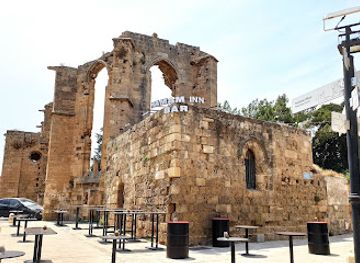
If you are already within the walled city of Famagusta (Suriçi), the Canbulat Museum is easily accessible on foot. From the main square near the Lala Mustafa Pasha Mosque, head north, keeping within the city walls. Follow the signs for Canbulat Museum. The walk is approximately 10-15 minutes, allowing you to enjoy the historic surroundings. No costs are associated with walking.
-
Taxi/Ride-Share
Taxis are readily available throughout Famagusta. A short taxi ride from most points within the city center to the Canbulat Museum should cost approximately €5-€10, depending on the starting location and traffic. Agree on the fare with the driver before starting your journey. Ride-sharing services may also be available, but their presence can be inconsistent.
-
Public Transport
Local buses (dolmuş) operate within Famagusta and connect the city center with surrounding areas. Check local bus routes and schedules for the most convenient option to reach the Suriçi area. From the bus stop closest to the walled city, it's a short walk to the museum. Bus fares are typically around €1-€2 per ride. Note that bus schedules may be limited, especially on weekends and evenings.
-
Driving
If driving, navigate towards the walled city of Famagusta (Suriçi). Parking can be challenging within the walls. Limited street parking is available, but it can be difficult to find during peak hours. There are some parking areas outside the city walls, a short walk from the museum. Parking fees vary, but expect to pay around €1-€2 per hour. Be aware of traffic restrictions and one-way streets within the old city.
Discover more about Canbulat Museum
Explore the best of what Canbulat Museum has to offer













More about Kokkinochoria Red Soil Villages

Discover the charm and culture of Cyprus in the Kokkinochoria, where rich red soil, traditional villages, and warm hospitality await.
Tell me more about Kokkinochoria Red Soil Villages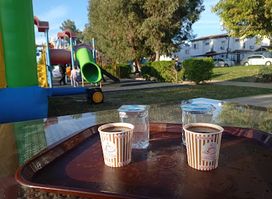
Discover tranquility in Famagusta at Ali Mahir Park, a revitalized green space offering lush landscapes, playgrounds, and a peaceful escape for locals and tourists alike.
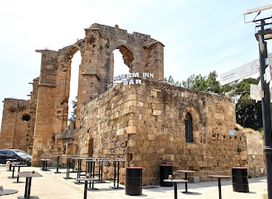
Explore the historic Cafer Pasha Baths in Famagusta, a captivating blend of Ottoman architecture and cultural heritage, offering a serene glimpse into the island's past.