

Fig Tree Bay Travel Guide - Free Web & App
Your ultimate guide to Fig Tree Bay. Discover top landmarks, proposed trips, and local tips. Free on the web or via the Evendo companion app.


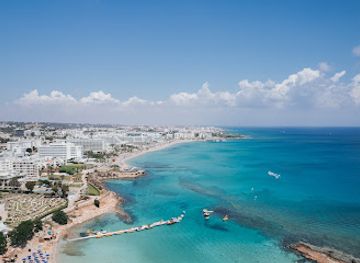
Fig Tree Bay in Cyprus pairs clear Mediterranean water and golden sand with Protaras dining, snorkelling, swimming and coastal access near Cape Greco.
Beach and Coastal Setting
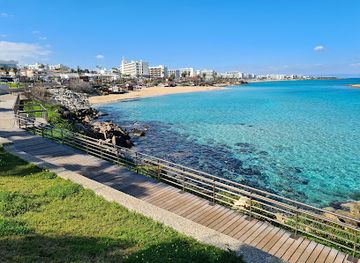
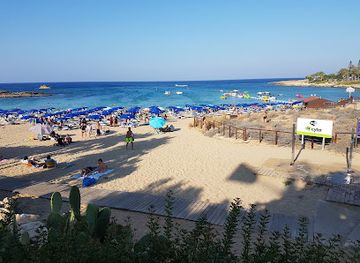
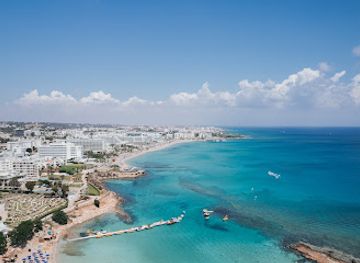
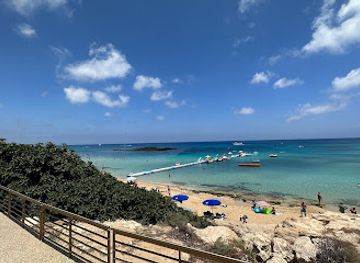
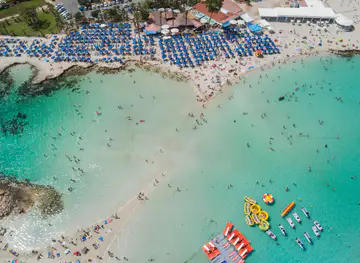
Fig Tree Bay lies on the eastern coast of Cyprus at Protaras, within the municipality of Paralimni-Dherynia. Its appeal is concentrated in a compact curve of pale sand, calm-looking turquoise water and a small islet just offshore. The beach is a prominent part of the Protaras coastline rather than a separate town or large natural region, so visitors experience it alongside the resort’s seafront promenade, accommodation, restaurants and seasonal leisure facilities. The shallow nearshore water and generally sheltered aspect make the bay particularly popular for swimming and relaxed time by the sea, although conditions can change with wind and waves.Read more about Fig Tree Bay
Protaras and the Wider Coast
Resort Character and Visitor Experience
When is the best time to visit Fig Tree Bay?
Best: April–May, October · 25–30°C| Month | High (°C) | Rainfall (mm) |
|---|---|---|
| January | 19 | 87 |
| February | 19 | 68 |
| March | 21 | 48 |
| April (best) | 25 | 30 |
| May (best) | 30 | 14 |
| June | 34 | 6 |
| July | 37 | 3 |
| August | 37 | 3 |
| September | 33 | 12 |
| October (best) | 29 | 37 |
| November | 23 | 68 |
| December | 19 | 85 |
Getting to and around Fig Tree Bay
How to get there
Transportation
Best attractions in Fig Tree Bay
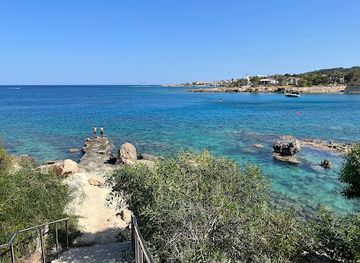
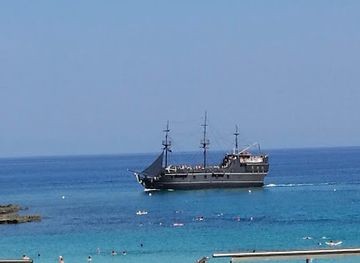
The principal attraction is Fig Tree Bay itself, a sandy crescent with generally shallow nearshore water and a small islet visible offshore. The beach is suited to swimming, sunbathing and, when conditions allow, snorkelling close to the rocky margins, while seasonal water-based activities may be available through local providers. Along the Protaras coast, neighbouring bays offer changes of scenery and access, although each has its own conditions and facilities. Further south-east, Cape Greco National Forest Park provides a contrasting landscape of limestone headlands, sea caves, low scrub and coastal viewpoints; it lies beyond Fig Tree Bay rather than within the beach. The nearby resort seafront supplies promenades, cafés and restaurants, while Paralimni offers a more substantial local centre. Boat excursions from the wider Protaras area can reveal the coast from the water, subject to weather, operator arrangements and marine conditions.
-
Beach
Fig Tree
Discover the allure of Fig Tree Bay in Protaras: golden sands, crystal waters, and a rich history blend for an unforgettable Mediterranean escape, perfect for families and adventurers alike.
-
Historical landmark
Fig Tree Bay Peninsula,Protaras,Cyprus
Discover the idyllic Fig Tree Bay Peninsula in Protaras, Cyprus: pristine beaches, rich history, and captivating natural beauty await in this Mediterranean paradise.
-
Tourist attraction
Beach
Discover the allure of Protaras Beach in Cyprus: golden sands, crystal waters, and a vibrant atmosphere blend for an unforgettable Mediterranean escape. A coastal paradise awaits!
-
Parnea View Point
Discover breathtaking panoramic views of the Mediterranean Sea and Fig Tree Bay from Parnea View Point in Protaras, Cyprus, a tranquil escape for unforgettable moments.
Best landmarks in Fig Tree Bay
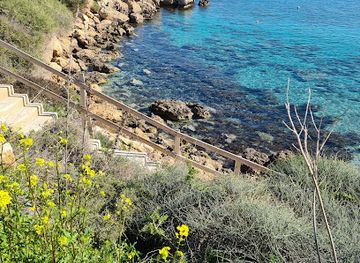
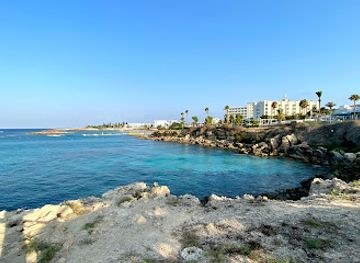
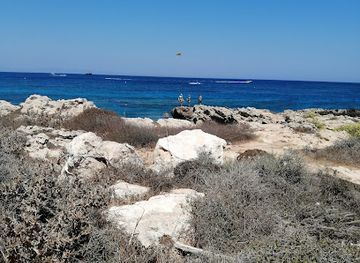
Fig Tree Bay is itself the defining landmark, recognised by its pale beach, clear coastal water, the small islet offshore and the fig tree that gives the bay its name. The surrounding limestone shoreline provides a natural contrast to the resort’s developed waterfront, with rocky edges and low headlands continuing along the coast. The bay’s position also places it within reach of the larger coastal landscape of Cape Greco National Forest Park, where sea caves, cliffs, headlands and clear-water coves form some of south-eastern Cyprus’s most distinctive natural features; Cape Greco is nearby, not part of Fig Tree Bay. In the wider Protaras area, the hilltop Church of Profitis Elias is a prominent built landmark, offering a visual reference over the resort and coast, although it stands away from the beach itself.
-
Public beach
Παραλία Πρωταράς
Explore the stunning beauty of Paralia Protaras, a public beach in Cyprus known for its crystal-clear waters, soft sands, and vibrant water sports activities.
-
Beach
Fig Tree
Discover the beauty of Fig Tree Beach in Protaras, Cyprus - a stunning destination for relaxation, water sports, and unforgettable sunsets.
-
Public bathroom
Public Bathroom (WC) - Fig Tree Bay
Experience the convenience of a clean and accessible public bathroom at Fig Tree Bay, ensuring a comfortable beach day in Protaras, Cyprus.
-
Historical landmark
Fig Tree Bay Peninsula,Protaras,Cyprus
Explore Fig Tree Bay Peninsula in Protaras, Cyprus: stunning beaches, rich history, and crystal-clear waters await!
Explore Fig Tree Bay on the map
Plan your trip on one map. See where the top attractions, landmarks, restaurants and hotels are, and book hotels and experiences in a few clicks.
Best hotels in Fig Tree Bay
Best restaurants in Fig Tree Bay
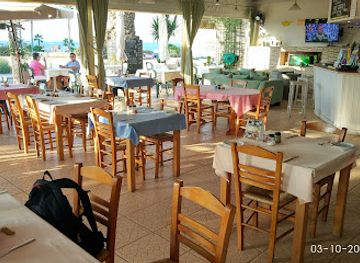
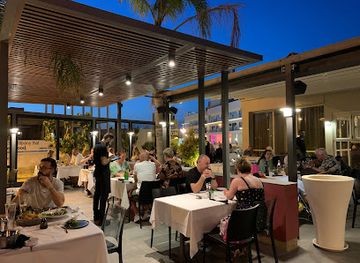
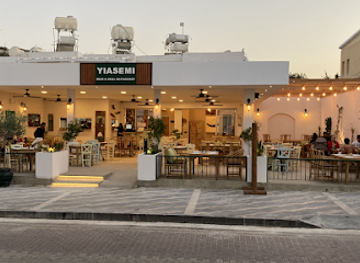
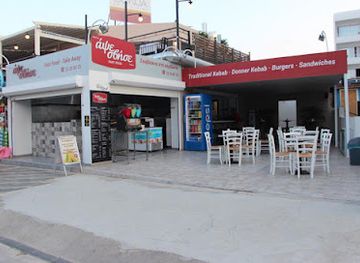
Dining around Fig Tree Bay is concentrated in Protaras rather than on an undeveloped shoreline. Visitors will find restaurants, cafés, bakeries, takeaways and hotel dining along the resort streets and seafront, with menus ranging from Cypriot specialities to Greek and wider Mediterranean cooking, seafood, grilled meats and familiar international dishes. To understand the local food culture, look for meze, halloumi, village-style salads, grilled vegetables, souvla and other Cypriot preparations, while seasonal fruit and regional wines reflect the island’s agricultural traditions. Paralimni provides further choice and a more local urban setting beyond the resort. Facilities directly beside the beach can change with the season, so visitors should not assume that every beach service operates throughout the year or that all dining options are located within Fig Tree Bay itself.
-
Mediterranean
Poseidonio Tavern - Restaurant
Discover authentic Mediterranean flavors at Poseidonio Tavern in Paralimni – where tradition meets taste in every bite.
-
Restaurant
Folio Restaurant
Discover the exquisite flavors of steak and sushi at Folio Restaurant in Paralimni, Cyprus – where culinary artistry meets warm hospitality.
-
Traditional restaurant
YIASEMI ΜEZE AND GRILL
Experience authentic Cypriot cuisine at YIASEMI ΜEZE AND GRILL in Protaras – where every dish tells a story.
-
Fast Food
Στο Άψε Σβήσε (Sto Apse Svise)
Experience delicious fast food with Mediterranean flair at Sto Apse Svise in Paralimni - perfect for every craving!
Best bars in Fig Tree Bay
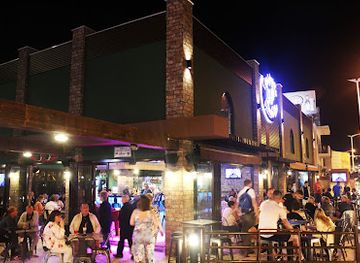
Evening entertainment is found mainly in Protaras, whose resort streets contain a broad seasonal mix of pubs, casual bars, music-led venues and later-night entertainment. The atmosphere is generally busiest in summer, when the seafront and central resort areas remain active after sunset, while the beach itself is better suited to a quiet walk and views across the bay than to organised nightlife. Visitors seeking a more traditional evening can choose a Cypriot taverna or a quieter hospitality venue, with further options in Paralimni. Opening patterns, performances and seasonal activity vary, so the availability of a particular venue should be checked locally. Fig Tree Bay should not be confused with a standalone nightlife district: its evening character depends on the wider Protaras resort.
-
Sports bar
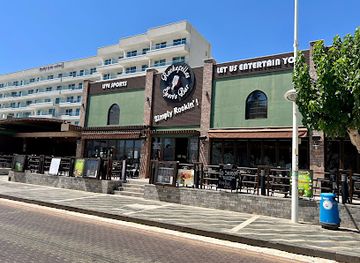
Rockafellas Bar
Discover the lively Rockafellas Bar in Protaras, Cyprus – a sports bar with live music, perfect for an unforgettable night out.
-
Bar
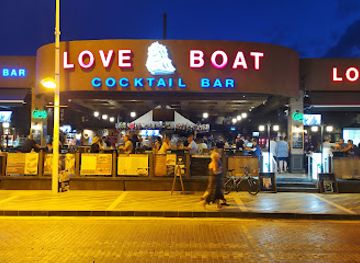
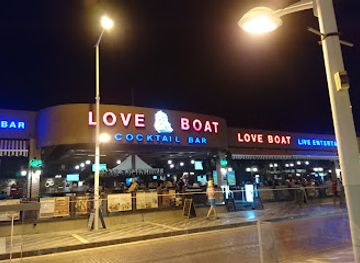
Love Boat Bar
Discover the vibrant Love Boat Bar in Protaras, Cyprus - where delicious cocktails and lively atmosphere await every visitor.
-
Pub
Fools And Horses Pub
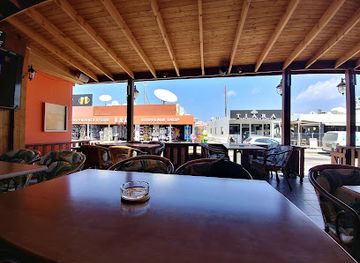
Discover the vibrant atmosphere of Fools And Horses Pub in Protaras, where delicious food and refreshing drinks await you.
-
Cocktail bar
La-pas Cocktailbar
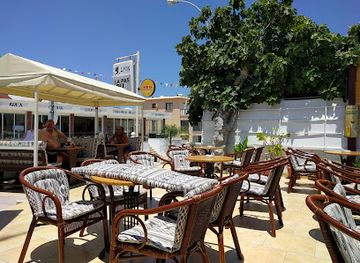
Experience Cyprus' vibrant nightlife at La-pas Cocktailbar, where handcrafted cocktails and lively ambiance await you in Protaras.
Best nightclubs in Fig Tree Bay
Evening entertainment is found mainly in Protaras, whose resort streets contain a broad seasonal mix of pubs, casual bars, music-led venues and later-night entertainment. The atmosphere is generally busiest in summer, when the seafront and central resort areas remain active after sunset, while the beach itself is better suited to a quiet walk and views across the bay than to organised nightlife. Visitors seeking a more traditional evening can choose a Cypriot taverna or a quieter hospitality venue, with further options in Paralimni. Opening patterns, performances and seasonal activity vary, so the availability of a particular venue should be checked locally. Fig Tree Bay should not be confused with a standalone nightlife district: its evening character depends on the wider Protaras resort.
-
Sports bar
Rockafellas Bar
Experience the vibrant nightlife at Rockafellas Bar in Protaras - your go-to spot for sports, live music, and great drinks in Cyprus.
-
Bar
Love Boat Bar
Experience the vibrant nightlife of Protaras at Love Boat Bar, where delightful cocktails and lively entertainment await.
-
Lounge
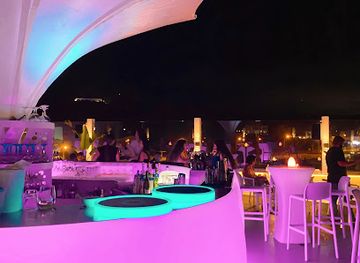
REVO, Revolving Lounge Bar
Discover the unique rotating views and vibrant atmosphere at REVO, the ultimate lounge bar experience in Protaras, Cyprus.
-
Lounge
Saltyfig Lounge Bar Restaurant
Discover the vibrant ambiance and delightful culinary offerings at Saltyfig Lounge Bar Restaurant in Protaras, Cyprus.
Best shops in Fig Tree Bay
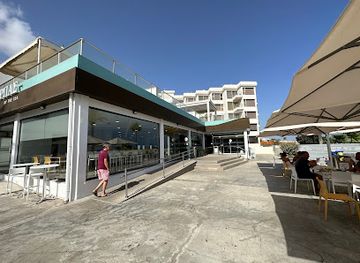
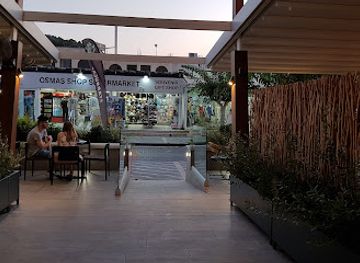
Shopping at Fig Tree Bay is integrated with Protaras rather than concentrated in a historic market quarter. Resort shops, supermarkets, convenience stores and seasonal outlets provide beachwear, sun protection, snacks and practical holiday goods, while independent retailers and craft-oriented businesses may offer Cypriot foods, ceramics, textiles, jewellery and locally themed gifts. Paralimni, a larger nearby settlement, provides a broader range of everyday shops and services than the immediate beach area. Regional products worth seeking include halloumi, olive oil, sweets, wine and other packaged Cypriot specialities, although availability differs between businesses. Visitors should distinguish authentic local produce from generic tourist merchandise and should not expect a large artisan scene directly on the sand. Market days and seasonal retail activity can change, so local information is useful when planning a shopping visit.
-
Beach
Fig Tree
Experience the stunning beauty of Fig Tree Beach, a serene paradise in Protaras, Cyprus, perfect for relaxation and adventure.
-
Bakery
Zorbas By the Sea
Discover the flavors of Cyprus at Zorbas By the Sea, a delightful bakery in Protaras, renowned for its fresh pastries and local baked goods.
-
Coffee shop
Starbucks
Experience the comforting ambiance of Starbucks Protaras, where quality coffee meets the serene beauty of Cyprus, perfect for any traveler.
-
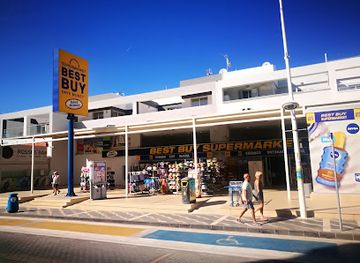
Supermarket
Best Buy Supermarket
Discover the convenience of Best Buy Supermarket in Protaras, your one-stop-shop for local flavors, fresh produce, and unique souvenirs.
Get your free copy of our complete guide to Fig Tree Bay, delivered straight to you.
Everything on this page, from attractions and restaurants to essentials and local phrases, in one PDF you can read offline, print or share.
Already have an account? Sign in
Your Fig Tree Bay guide is ready.
We'll send it to · Not you? Sign out

Getting your guide ready…
We are putting together a fresh copy of the Fig Tree Bay guide. This can take up to a minute.
This can take a few moments. If your browser asks, choose Allow so the download can start. You'll find the guide in your Downloads folder.
Nothing happened? Download it again
Sorry, the guide is taking longer than usual. Please try again in a minute, or get it by email instead.
Fig Tree Bay essentials
Currency and Payment
Safety
Emergency Situations
Do's and Don'ts
Local Tips
From Eve
Local phrases worth knowing
You don't need to get them perfect. A few words go a long way, and locals appreciate the effort.
Basics
| English | Local | Say it |
|---|---|---|
| Hello | Γεια σας | [Ya sas] |
| Goodbye | Αντίο | [Adio] |
| Yes | Ναι | [Ne] |
| No | Όχι | [Ohi] |
| Please/You're welcome | Παρακαλώ | [Parakalo] |
| Thank you | Ευχαριστώ | [Efharisto] |
| Excuse me/Sorry | Συγνώμη | [Signomi] |
| How are you? | Πώς είσαι; | [Pos ise;] |
| Fine. And you? | Καλά. Εσύ; | [Kala. Esi;] |
| Do you speak English? | Μιλάς αγγλικά; | [Milas anglika;] |
| I don't understand | Δεν καταλαβαίνω | [Den katalaveno] |
Eating & Drinking
| English | Local | Say it |
|---|---|---|
| I'd like to see the menu, please | Θα ήθελα να δω το μενού, παρακαλώ | [Tha ithela na do to menou, parakalo] |
| I don't eat meat | Δεν τρώω κρέας | [Den troo kreas] |
| Cheers! | Υγεία! | [Ygeia!] |
| I would like to pay, please | Θα ήθελα να πληρώσω, παρακαλώ | [Tha ithela na plirosso, parakalo] |
Emergencies
| English | Local | Say it |
|---|---|---|
| Help! | Βοήθεια! | [Voithia!] |
| Go away! | Φύγε! | [Fyge!] |
| Call the Police! | Καλέστε την Αστυνομία! | [Kaleste tin Astynomia!] |
| Call a doctor! | Καλέστε για γιατρό! | [Kaleste ya yatro!] |
| I'm lost | Έχω χαθεί | [Eho hathi] |
| I'm ill | Είμαι άρρωστος | [Emai arrostos] |
Shopping
| English | Local | Say it |
|---|---|---|
| I'd like to buy... | Θα ήθελα να αγοράσω... | [Tha ithela na agaraso...] |
| I'm just looking | Απλά κοιτάω | [Apla kitao] |
| How much is it? | Πόσο κοστίζει; | [Poso kostizi;] |
| That's too expensive | Αυτό είναι πολύ ακριβό | [Afto ine poli akribo] |
| Can you lower the price? | Μπορείτε να χαμηλώσετε την τιμή; | [Boreite na hamilosete tin timi;] |
Time & Numbers
| English | Local | Say it |
|---|---|---|
| What time is it? | Τι ώρα είναι; | [Ti ora ine;] |
| It's one o'clock | Είναι μία ώρα | [Ine mia ora] |
| Half past (10) | Μισή (10) | [Misi (10)] |
| Morning | Πρωί | [Proi] |
| Afternoon | Απόγευμα | [Apoyevma] |
| Evening | Βράδυ | [Vradi] |
| Yesterday | Χθες | [Hthes] |
| Today | Σήμερα | [Simera] |
| Tomorrow | Αύριο | [Aurio] |
| 1 | Ένα | [Ena] |
| 2 | Δύο | [Dio] |
| 3 | Τρία | [Tria] |
| 4 | Τέσσερα | [Tessera] |
| 5 | Πέντε | [Pente] |
| 6 | Έξι | [Exi] |
| 7 | Εφτά | [Efta] |
| 8 | Οχτώ | [Ochto] |
| 9 | Εννιά | [Ennia] |
| 10 | Δέκα | [Deka] |
Transport & Directions
| English | Local | Say it |
|---|---|---|
| Where's a/the...? | Πού είναι ένα/το...; | [Pou ine ena/to...;] |
| What's the address? | Ποια είναι η διεύθυνση; | [Poia ine i diefthinsi;] |
| Can you show me (on the map)? | Μπορείτε να μου δείξετε (στο χάρτη); | [Boreite na mou dixete (sto charti);] |
| When's the next (bus)? | Πότε είναι το επόμενο (λεωφορείο); | [Pote ine to epomeno (leoforeio);] |
| A ticket (to ....) | Ένα εισιτήριο (προς ....) | [Ena isitirio (pros ....)] |
History of Fig Tree Bay
A Coast Shaped by Sea and Limestone
Fig Tree Bay belongs to Cyprus’s south-eastern coastal landscape, where limestone shores, sandy coves and low marine terraces have been shaped by long-term erosion, wave action and changing sea levels. The bay’s modern identity is inseparable from its physical setting: a sheltered curve of sand facing a small offshore islet, with rocky coastline continuing towards the headlands near Cape Greco. This is a geological and environmental story rather than a single historical event, and the visible landforms have long influenced how people have used the coast for fishing, travel and recreation.
Rural Paralimni and Coastal Livelihoods
Before the rise of modern tourism, the surrounding area was associated with the rural settlement of Paralimni and the agricultural communities of south-eastern Cyprus. Farming, seasonal work and small-scale coastal activities shaped local life, while the shoreline was valued more as part of the working landscape than as a resort. Fig Tree Bay’s name reflects the presence of a characteristic fig tree on the shore, linking the modern beach identity with the vegetation and agricultural traditions of the region. The urban form visible around the bay today developed much later than these rural patterns.
From Village Coast to Resort
The eastern coast of Cyprus changed substantially during the second half of the twentieth century as tourism expanded around Protaras and nearby settlements. Roads, hotels, holiday apartments, restaurants and leisure businesses brought the beaches into an international tourism circuit, with Fig Tree Bay becoming one of the area’s best-known bathing locations. This development connected the shoreline to the wider economy of the Famagusta district while also replacing parts of the earlier open coastal landscape with a resort environment. The beach remains closely associated with Protaras rather than functioning as an isolated natural site.
Modern Coastal Management
Contemporary Fig Tree Bay is managed as a heavily visited public beach within a developed resort setting. Its history now includes the practical challenges of accommodating seasonal visitors while maintaining water quality, beach access, shoreline safety and the character of the surrounding coast. The bay is also part of a wider visitor geography that includes the protected landscapes around Cape Greco, where environmentally sensitive habitats and coastal formations require responsible use. Current tourism therefore sits alongside continuing efforts to balance recreation, coastal protection and the needs of local communities.
Fig Tree Bay in Photos
Browse through our photo collection highlighting the charm and character of the destination.
Cities in Fig Tree Bay
The towns and cities of Fig Tree Bay, and the easiest places to base yourself.

Swipe for more cities
Neighbouring destination travel guides
The closest destinations to Fig Tree Bay, if you have time for more than one.
-

-

-

-
-


Swipe for more destinations
Explore more

Explore more of Makronissos Peninsula
Discover the serene beauty and historical allure of the Makronissos Peninsula in Cyprus, where golden beaches meet ancient tombs and stunning Mediterranean views.
Explore Makronissos Peninsula
Explore more of Cyprus
Discover Cyprus: A Mediterranean paradise with a rich tapestry of history, culture, and breathtaking landscapes, offering a perfect blend of relaxation and adventure.
Explore Cyprus