Amathous: Echoes of an Ancient Kingdom
Unearth the mysteries of Amathous, an ancient Cypriot kingdom, where ruins whisper tales of Aphrodite, conquerors, and a civilization lost to time, offering a glimpse into the island's vibrant past.
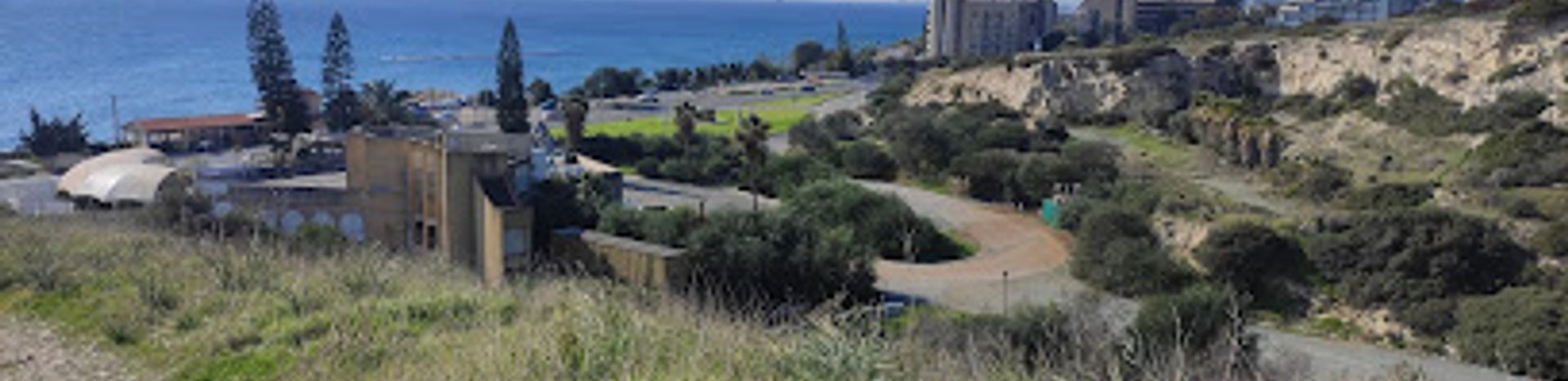
Explore the evocative ruins of Amathous, one of Cyprus's most significant ancient city-kingdoms, dating back to 1100 BC. Wander through remnants of the Temple of Aphrodite, the Roman Agora, and early Christian basilicas, imagining life in this once-thriving port city. Perched along the southern coast near Limassol, Amathous offers a captivating glimpse into the island's rich history, from its Eteocyprian roots to its conquest by Greeks, Phoenicians, Persians, Romans, and Byzantines. Don't miss the chance to stand where the world's largest stone vase once stood (now in the Louvre), and soak in panoramic Mediterranean views. Amathous is a compelling destination for history buffs and casual visitors alike, promising a memorable journey into Cyprus's ancient past. Be sure to wear comfortable shoes, bring water, and allow at least two hours to fully appreciate the site.
A brief summary to Archaeological Site of Amathous
- Agios Tychon, CY
- +35725635226
- Visit website
- Monday 8:30 am-7:30 pm
- Tuesday 8:30 am-7:30 pm
- Wednesday 8:30 am-7:30 pm
- Thursday 8:30 am-7:30 pm
- Friday 8:30 am-7:30 pm
- Saturday 8:30 am-7:30 pm
- Sunday 8:30 am-7:30 pm
Local tips
- Wear comfortable shoes as the site involves walking on uneven terrain.
- Visit early in the morning or late afternoon to avoid the midday heat, especially during summer.
- Bring water and snacks, as facilities on-site are limited.
- Consider hiring a local guide for deeper insights into the history and significance of the ruins.
- Check the official website for occasional free summer concerts held within the grounds.

Getting There
-
Public Transport
From Limassol city center, take bus number 30 or 31 from a bus stop along the seafront road (e.g., 'Old Port' or 'Anexartisias Street') towards Agios Tychon. The journey takes approximately 25-30 minutes. Ask the driver to let you off at the 'Ancient Amathountos' stop, which is the closest to the archaeological site. From the bus stop, walk towards the coast following the signs for approximately 10 minutes to reach the entrance. A single bus fare costs €1.50.
-
Taxi/Ride-Share
Taxis are readily available throughout Limassol. A taxi ride from the city center to the Archaeological Site of Amathous typically takes 15-20 minutes, depending on traffic. Ride-sharing apps like Bolt may also be available. The fare usually ranges from €18-€22. Confirm the price with the driver before starting your journey.
-
Driving
If driving from Limassol, head east along the Amathountos Avenue (coastal road). The site is approximately 11km east of Limassol center. Follow the signs to the Archaeological Site of Amathous. Free parking is available near the ticket office. Note that parking can be limited during peak season.
Discover more about Archaeological Site of Amathous
Iconic landmarks you can’t miss

Ancient Amathunta
0.4 km
Explore the majestic ruins of Ancient Amathunta, a historical landmark in Cyprus that reveals the secrets of its ancient civilization amidst stunning coastal views.
Promenada Agios Tychonas
0.5 km
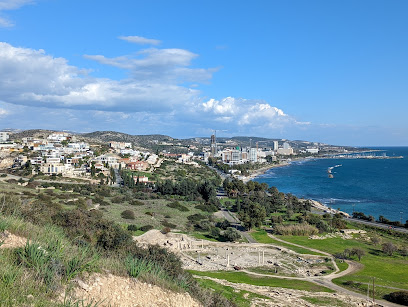
Discover the breathtaking hiking trails of Promenada Agios Tychonas in Limassol, Cyprus, and immerse yourself in nature's beauty and tranquility.
Four seasons beach
1.2 km
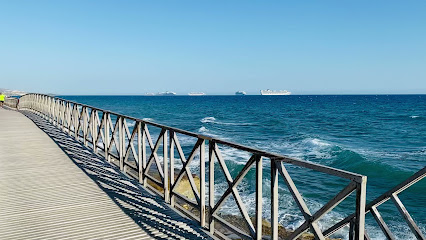
Experience the tranquil beauty and vibrant activities at Four Seasons Beach, a Mediterranean gem in Cyprus perfect for relaxation and adventure.
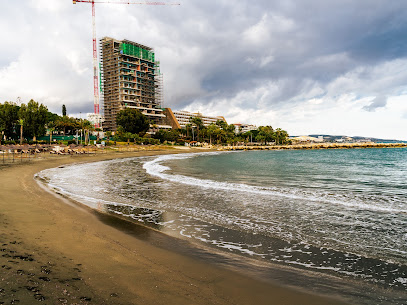
Agios Tychonas beach ⛱️
1.7 km
Discover the tranquil beauty of Agios Tychonas Beach, where golden sands and azure waters create a serene escape in Cyprus.

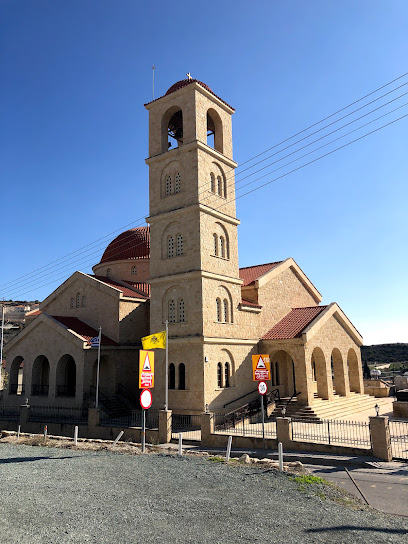
Εκκλησία Άγιου Τύχωνα
1.7 km
Discover the serene beauty and rich history of the Church of Agios Tychonas, a must-visit Greek Orthodox sanctuary in Cyprus's captivating landscape.
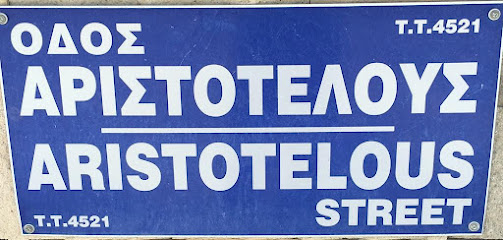
ARISTOTELOUS STREET
2.1 km
Discover Aristotelous Street in Agios Tychon: a serene escape with lush gardens, local culture, and the beauty of Cyprus's coastline.
Agios Tychon
2.3 km
Discover Agios Tychon: Cyprus coastal charm, ancient history, and modern luxury blend for an unforgettable Mediterranean escape.
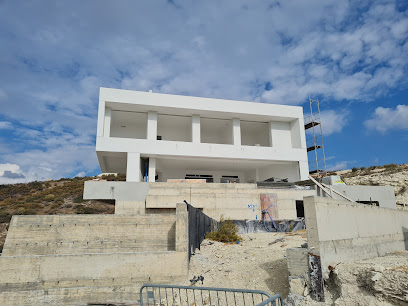
Parklane, a Luxury Collection Resort & Spa, Limassol
2.9 km
Discover the ultimate luxury experience at Parklane, a Luxury Collection Resort & Spa in Limassol, offering stunning views, exquisite dining, and top-notch amenities.
Cydonia Gardens
3.9 km
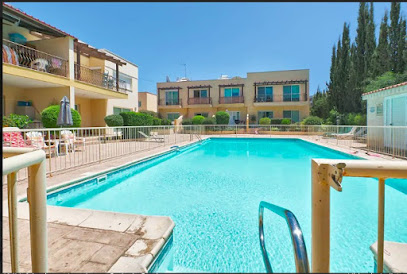
Experience tranquility at Cydonia Gardens, a serene condominium complex in Germasogeia, Cyprus, ideal for relaxation and exploration.
Mouttagiaka amphitheatre
4.0 km
Discover the Mouttagiaka Amphitheatre, a stunning open-air venue in Cyprus that blends breathtaking views with rich cultural experiences.
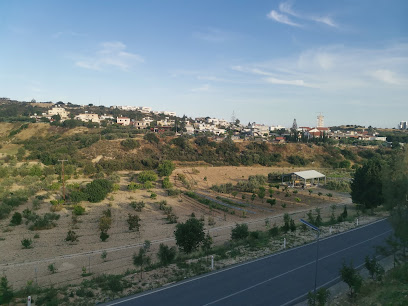
Medieval Bridge of Germasogeia
5.1 km
Discover the Medieval Bridge of Germasogeia, a historic landmark offering picturesque views and a tranquil escape in Cyprus.
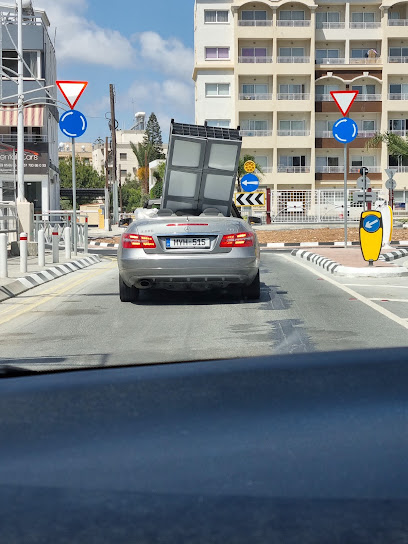
Limassol
5.6 km
Experience the perfect mix of history, culture, and stunning beaches in Limassol, Cyprus – a coastal gem waiting to be explored.
Dasoudi Beach - Blue Flag
5.7 km
Experience sun, sea, and tranquility at Limassol's Dasoudi Beach, a Blue Flag paradise with golden sands, clear waters, and a refreshing eucalyptus park.
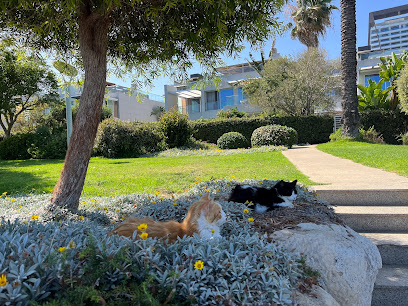
Akti Olympion B beach - Blue Flag
7.7 km
Discover the beauty of Akti Olympion B Beach in Cyprus, a perfect blend of relaxation, adventure, and stunning natural scenery.
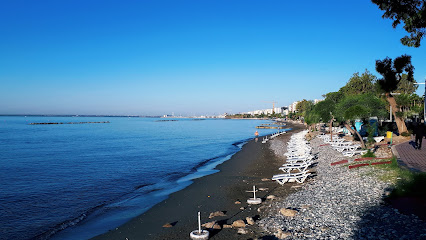
Akti Olympion A beach
8.1 km
Discover the beauty of Akti Olympion A Beach in Limassol, Cyprus, where golden sands and crystal-clear waters create the perfect seaside escape.
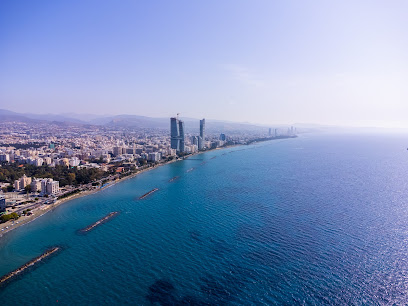
Unmissable attractions to see

Best view of Limassol
0.2 km
Discover breathtaking panoramic views of Limassol from this scenic vantage point near Agios Tychon, offering a rewarding hike and unforgettable sunset vistas.
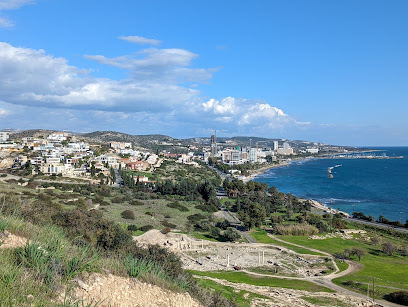
Amathounta ancient port
0.2 km
Discover the submerged ruins of Amathounta's ancient port in Cyprus, a captivating blend of history, mythology, and natural beauty on the Mediterranean coast.
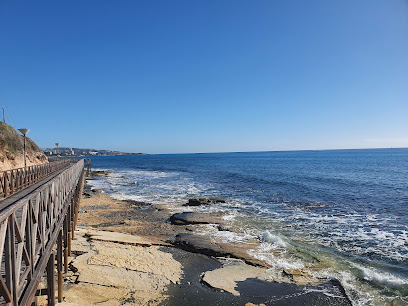
Limassol in sunset
0.4 km
Experience the magic of Limassol at sunset: where the Cypriot coastline ignites with vibrant colors, offering a serene escape and unforgettable moments along the Mediterranean Sea.
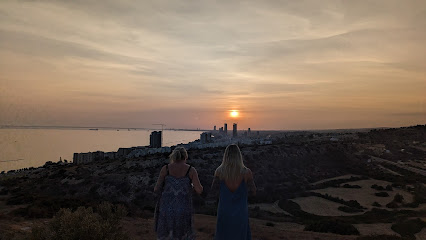
Agios Tychon Beach
1.2 km
Discover Agios Tychon Beach: Cyprus's serene coastal paradise with golden sands, crystal waters, and stunning sunsets, offering relaxation, water sports, and authentic Cypriot flavors.
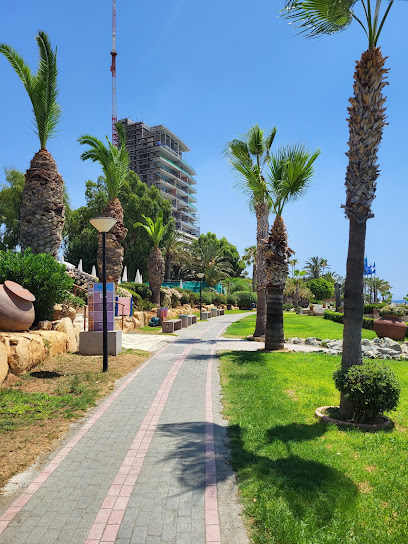
View point
1.5 km
Discover the stunning Agios Tychon viewpoint, where breathtaking Mediterranean vistas await every traveler seeking beauty and tranquility.
Infinitude Beach
1.8 km
Discover the serene beauty of Infinitude Beach in Agios Tychon, Cyprus: golden sands, crystal waters, and unforgettable Mediterranean experiences await along the stunning coastline.
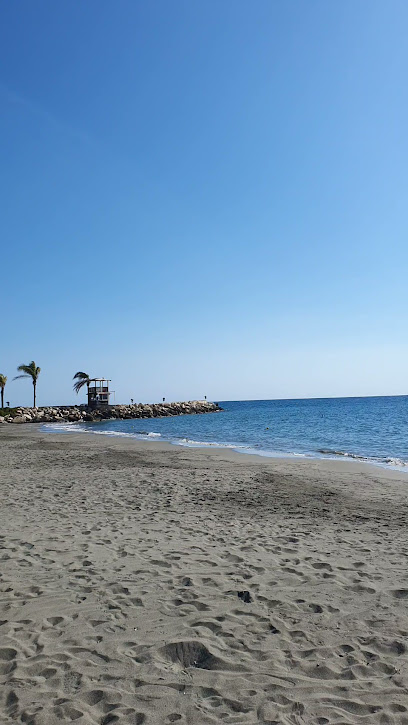
Armonia Plastic Free Beach
1.9 km
Experience sustainable paradise at Armonia Plastic Free Beach in Agios Tychon, Cyprus, where golden sands meet crystal-clear waters in an eco-conscious haven dedicated to minimizing plastic waste.
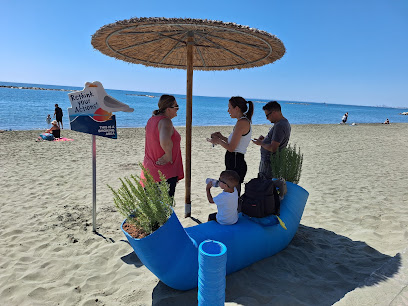
Armonia Beach
2.2 km
Discover Armonia Beach in Agios Tychon, Cyprus: a Blue Flag paradise with clear waters, family-friendly amenities, and a commitment to sustainability, perfect for relaxation and adventure.
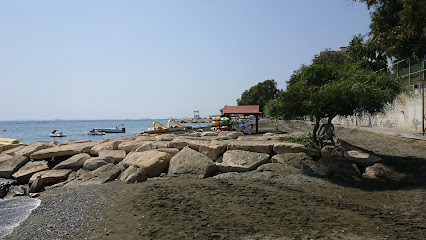
The cats home living area
2.3 km
Experience the warmth and joy of The Cats Home in Agios Tychon, Cyprus, where furry friends await in a cozy sanctuary, offering an unforgettable experience for animal lovers seeking a peaceful retreat.
Panagies “Plastic Free Beach”
2.3 km
Discover Cyprus's eco-friendly paradise at Panagies 'Plastic Free Beach' near Pareklisia: pristine sands, crystal waters, and a commitment to sustainability.
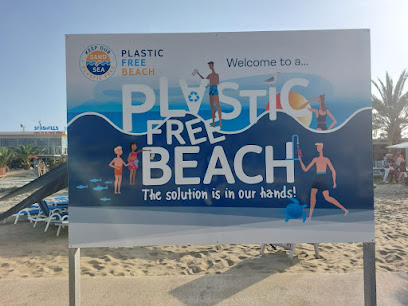
Nice beach
3.8 km
Discover the serene beauty of Nice Beach in Limassol, where golden sands meet azure waters for the perfect beach getaway.
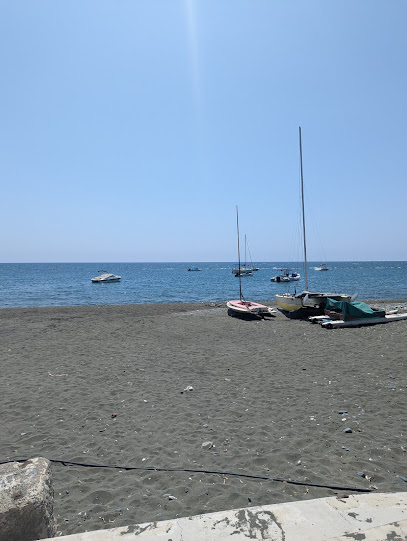
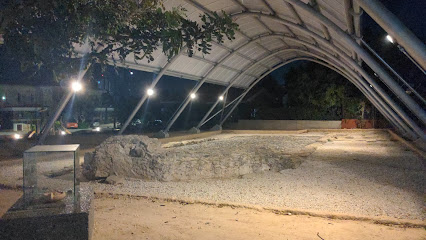
Ancient Ruins
4.3 km
Uncover the past at the Ancient Ruins of Germasogeia, a serene historical site offering a glimpse into Cyprus's rich heritage near Limassol, inviting exploration and reflection.
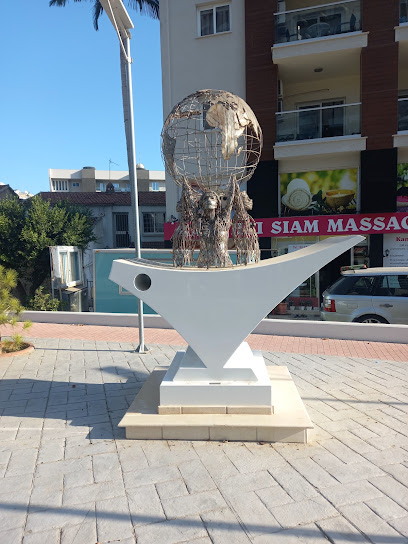
Sculpture
5.0 km
Discover modern art in a serene setting at the Sculpture in Germasogeia, Cyprus. A unique blend of creativity and natural beauty.
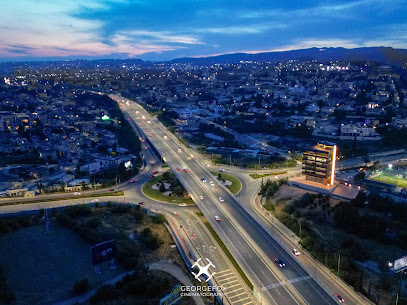
Yermasoyia Roundabout
5.1 km
Discover the vibrant Yermasoyia Roundabout in Germasogeia, Cyprus, a beautiful landmark that embodies local culture and offers a lively atmosphere for tourists exploring the Limassol region.
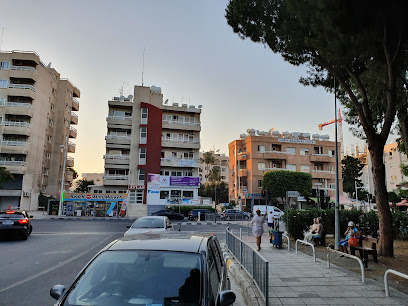
Dasoudi
5.9 km
Discover a coastal paradise in Limassol: Dasoudi Park offers a refreshing blend of eucalyptus groves, golden sands, and crystal-clear waters for an unforgettable Mediterranean escape.
Essential places to dine

Old-Limassol
0.5 km
Savor fresh seafood at Old-Limassol in Agios Tychon - where Mediterranean flavors meet stunning sea views.
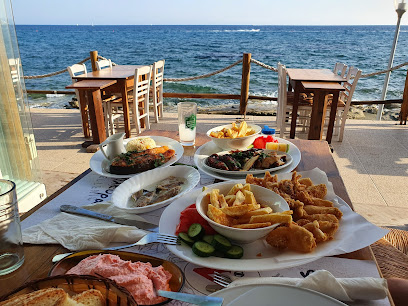
Ama Beach
0.7 km
Discover culinary bliss at Ama Beach – where delicious cuisine meets stunning Mediterranean views in Agios Tychon.
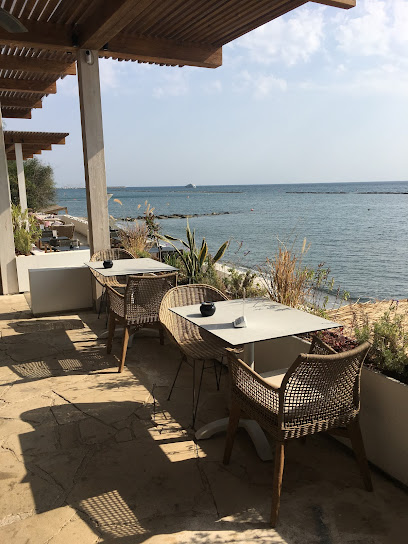
The Grill Room
0.9 km
Experience culinary excellence at The Grill Room in Limassol - where steak lovers find their paradise with exquisite flavors and fine dining ambiance.
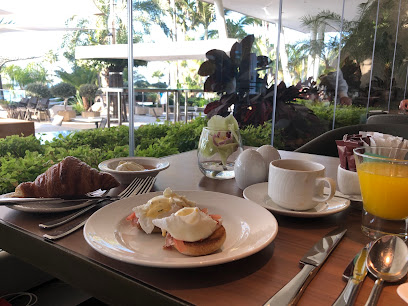
Limanaki Fish Restaurant
0.9 km
Experience exquisite seafood dining with stunning Mediterranean views at Limanaki Fish Restaurant in Agios Tychon.
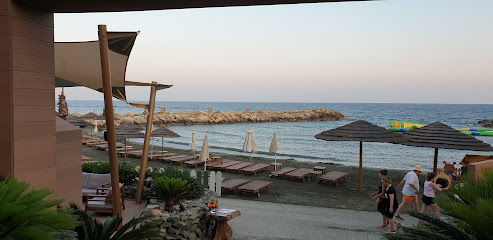
Franx Bar and Restaurant
1.2 km
Experience delectable cuisine at Franx Bar and Restaurant in Agios Tychon, where every meal is accompanied by stunning views of Limassol Bay.
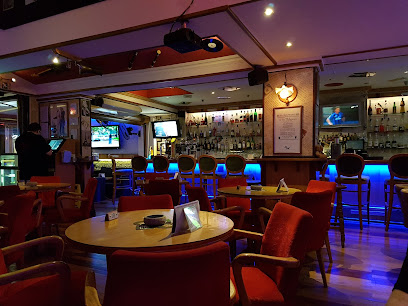
Sera By Ettore Botrini
1.3 km
Experience exquisite Italian cuisine at Sera By Ettore Botrini in Limassol - where culinary artistry meets breathtaking Mediterranean views.
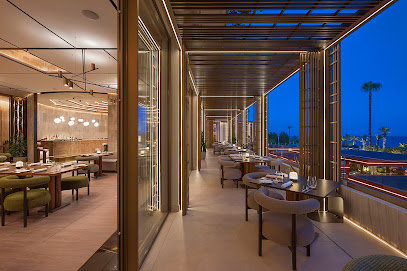
Nama Restaurant
1.4 km
Experience authentic Cypriot cuisine at Nama Restaurant in Agios Tychon – where tradition meets contemporary dining.
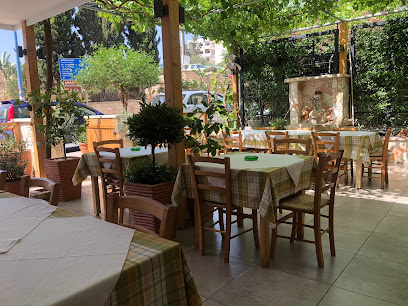
KISSOS TAVERNA
1.4 km
Experience authentic Cypriot cuisine at Kissos Taverna in Limassol – where every dish tells a story of tradition and flavor.
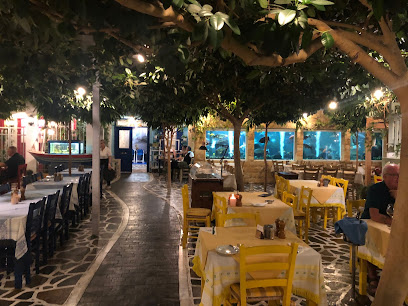
Venezia Tavern
1.4 km
Discover authentic Cypriot cuisine with stunning sea views at Venezia Tavern in Agios Tychon.
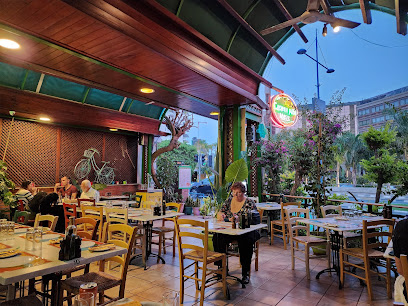
Danae Tavern
1.7 km
Experience authentic Cypriot cuisine at Danae Tavern in Limassol - where tradition meets flavor in every dish.
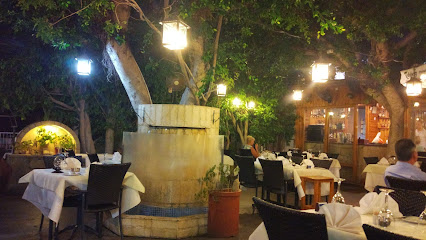
Τα Τρία Αλώνια - Ta Tria Alonia Tavern
1.8 km
Experience authentic Greek flavors at Ta Tria Alonia Tavern in Agios Tychon - a true culinary delight in Cyprus.
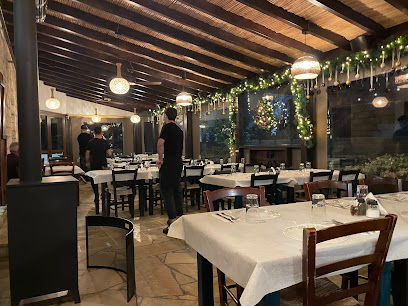
Gulya's Restaurant & Bar
2.2 km
Experience authentic Russian and Uzbek cuisine at Gulya's Restaurant & Bar in Agios Tychon – a culinary journey through Eastern Europe awaits!
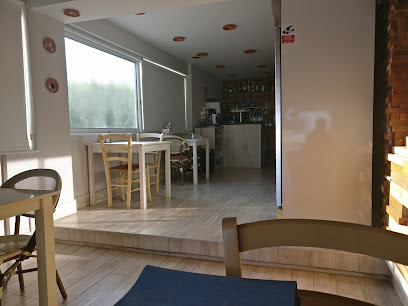
Asomos
2.3 km
Savor the essence of Greece at Asomos in Agios Tychon - a culinary haven for lovers of authentic Greek cuisine.
La Petite Maison (LPM) Limassol
2.9 km
Experience exquisite French cuisine at La Petite Maison in Limassol, where Mediterranean flavors meet elegant dining.
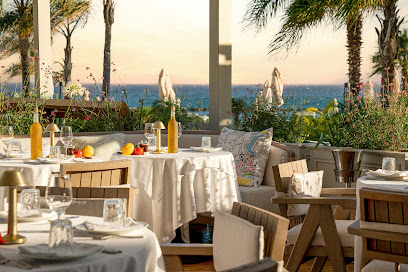
Nash Traktir
3.5 km
Savor authentic Cypriot cuisine at Nash Traktir in Germasogeia - where every meal is a celebration of flavor.
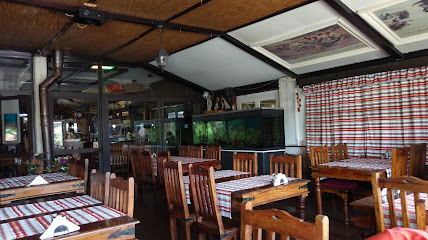
Markets, malls and hidden boutiques

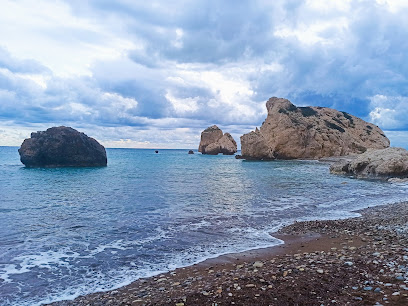
Aphrodite Beach
1.1 km
Discover the tranquility of Aphrodite Beach, a stunning coastal retreat in Agios Tychon, Cyprus, perfect for relaxation and adventure.
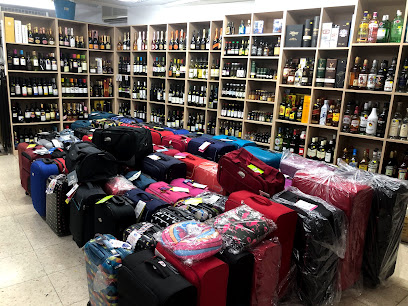
Spinning Wheel Store
1.4 km
Explore the Spinning Wheel Store in Limassol for unique gifts, beachwear, and local treasures that capture the spirit of Cyprus.
LeRoi boutique
1.6 km
Discover unique fashion finds at LeRoi Boutique in Agios Tychon, where Cypriot style meets contemporary elegance.
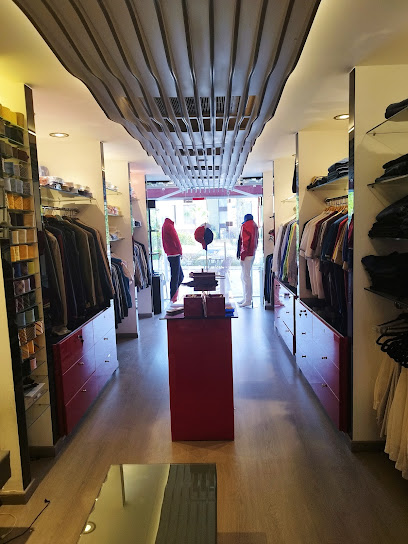
First Boutique Parklane Resort & Spa
2.9 km
Experience unparalleled luxury and tranquility at First Boutique Parklane Resort & Spa, a premier destination in Limassol, Cyprus.
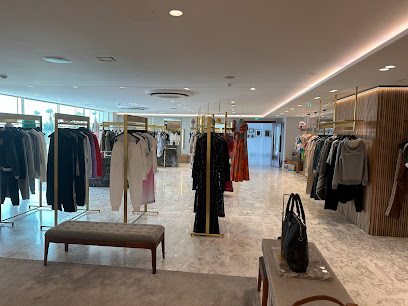
Valentino
3.6 km
Discover the essence of luxury fashion at Valentino in Limassol, where haute couture and exquisite accessories await.
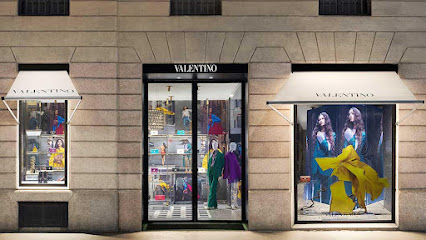
Splash by the Beach
3.6 km
Experience shopping like never before at Splash by the Beach, the ultimate destination for fashion accessories in the heart of Germasogeia, Cyprus.
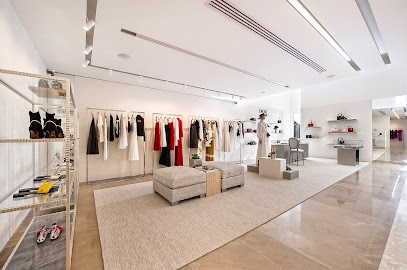
Foresight Boutique Cyprus
3.7 km
Explore stylish fashion and unique clothing at Foresight Boutique Cyprus, located in the vibrant Potamos Germasoyias area.
Classic Club - Luxury Menswear Boutique Cyprus
3.8 km
Discover luxury menswear at Classic Club, the premier boutique in Cyprus for the discerning gentleman seeking elegance and style.
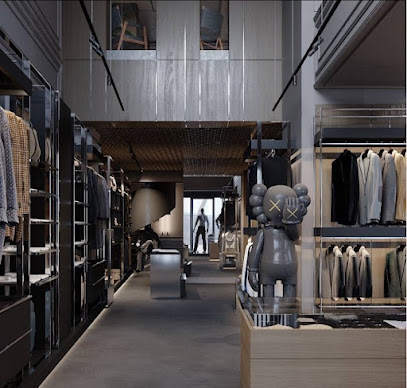
First Boutique
3.9 km
Explore the chic and trendy First Boutique in Limassol, Cyprus – a top fashion destination featuring a unique blend of local and international styles.
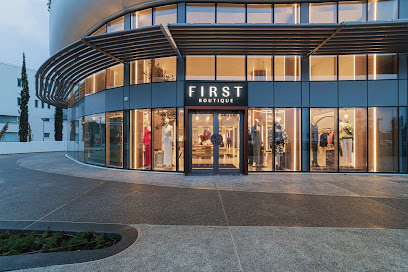
Euroshop “ stariy govnaed “
4.3 km
Explore Euroshop 'Stariy Govnaed' in Germasogeia for unique Cypriot souvenirs and traditional crafts, perfect for gifts or personal keepsakes.
Andele Boutique
4.9 km
Discover exquisite footwear at Andele Boutique in Germasogeia, Limassol - your go-to destination for stylish shoes that elevate every outfit.
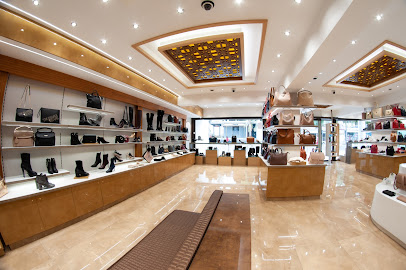
Mavros Limassol
5.3 km
Explore Mavros Limassol, a delightful toy store in Germasogeia, Cyprus, where imagination comes to life with a wide selection of toys and games for all ages.
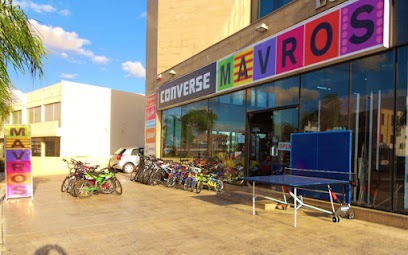
Just for Her
5.3 km
Explore stylish women's fashion at 'Just for Her' in Germasogeia, Cyprus, where elegance meets local charm and unique finds await every visitor.
Kapare
5.4 km
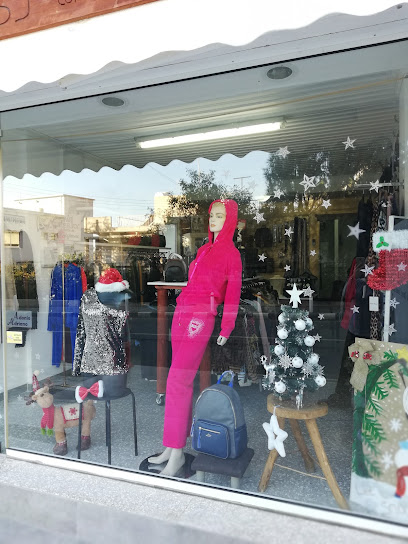
Explore the charm of Cyprus through unique gifts and local crafts at Kapare Gift Shop in Germasogeia.
Valeria Fashion fitness Boutique
5.9 km
Discover stylish sportswear at Valeria Fashion Fitness Boutique in Germasogeia, Cyprus, where fashion meets functionality for the active lifestyle.
Essential bars & hidden hideouts

Sands Beach Club-Resto
0.8 km
Experience exquisite Mediterranean dining at Sands Beach Club-Resto in Limassol, Cyprus, where every meal is a celebration of local flavors and breathtaking views.
Be One Bar
0.9 km
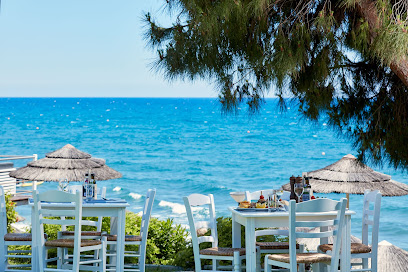
Discover the vibrant cocktail culture at Be One Bar in Agios Tychon, where exquisite drinks meet stunning Mediterranean views.
Trippers Bar
1.2 km
Experience the vibrant nightlife at Trippers Bar in Agios Tychon, Cyprus, where great drinks and a lively atmosphere await.
PlusSea
1.3 km
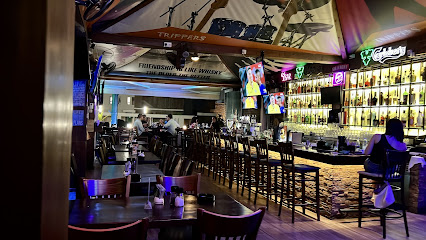
Experience the blend of beachside relaxation and gourmet dining at PlusSea in Agios Tychon, Cyprus, with stunning Mediterranean views.
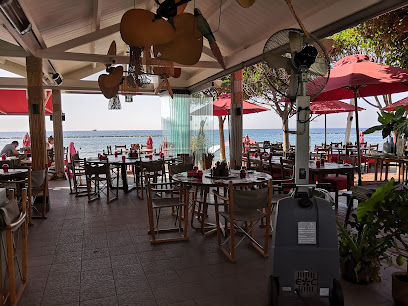
Vista Bar
1.3 km
Experience luxury at Vista Bar in Agios Tychon, Cyprus, where exquisite cocktails and stunning views create the perfect retreat for relaxation.
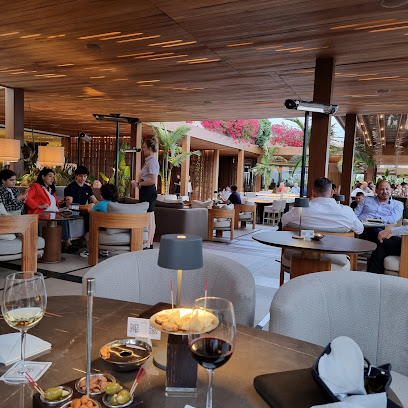
Sash Shisha
1.4 km
Experience the vibrant nightlife of Agios Tychon at Sash Shisha, where delicious burgers and relaxing hookah create the perfect evening escape.
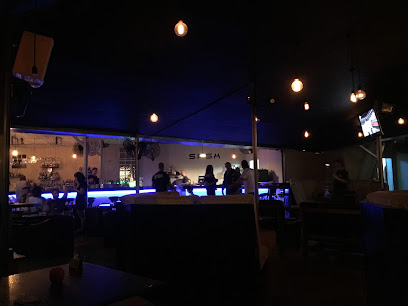
Booms karaoke bar
1.5 km
Experience the vibrant nightlife at Booms Karaoke Bar in Agios Tychon, Cyprus, where singing, fun, and camaraderie come together for unforgettable evenings.
BeerDome96
1.6 km
Discover the lively atmosphere of BeerDome96 in Agios Tychon, Cyprus, where great drinks and friendly vibes await every visitor.
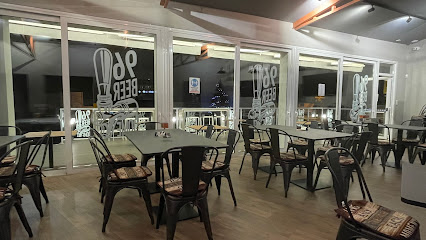
Malindi Beach Bar & Restaurant
2.1 km
Experience the best of Mediterranean cuisine at Malindi Beach Bar & Restaurant, where seafood and Greek flavors come alive by the sea.
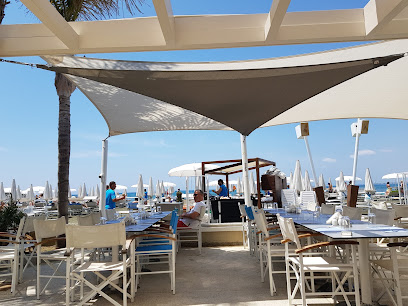
Cavo Pare Beach Life
2.1 km
Discover Cavo Pare Beach Life in Pareklisia, Cyprus - a perfect blend of beach vibes, refreshing drinks, and stunning Mediterranean views.
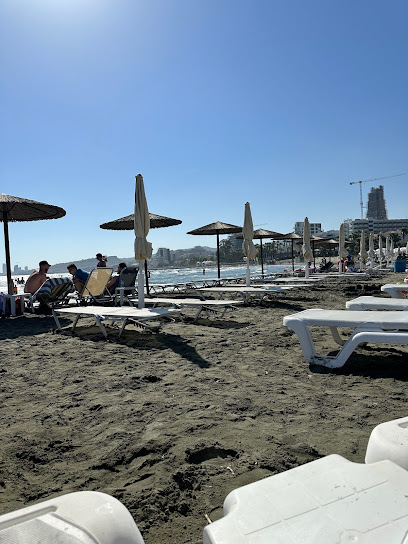
Gerrard's Kitchen Bar
2.2 km
Discover the vibrant flavors of Cyprus at Gerrard's Kitchen Bar, where local cuisine meets a lively atmosphere in Agios Tychon.
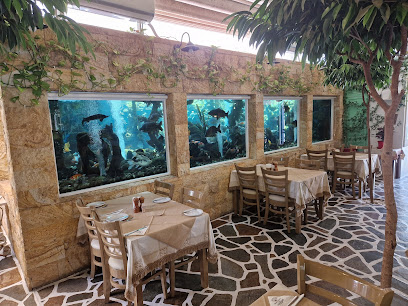
Guaba Beach Bar
3.3 km
Discover the vibrant Guaba Beach Bar in Mouttagiaka, Cyprus – where stunning views, refreshing drinks, and unforgettable nights await you.
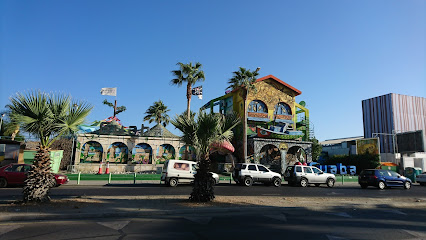
Happy Jacks Pub & Cybet
3.6 km
Experience the vibrant atmosphere and delicious offerings at Happy Jacks Pub & Cyber in Limassol, where locals and tourists gather for unforgettable moments.
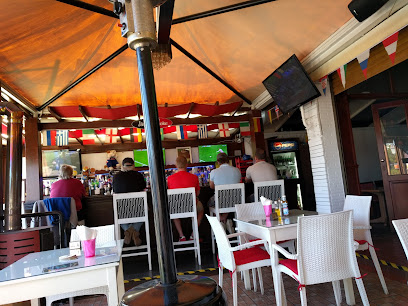
Barleys Bar & Lounge
4.1 km
Discover the vibrant flavors of Barleys Bar & Lounge, a top grill destination in Germasogeia, Cyprus, perfect for food lovers and social gatherings.
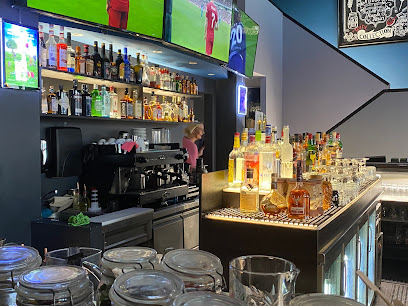
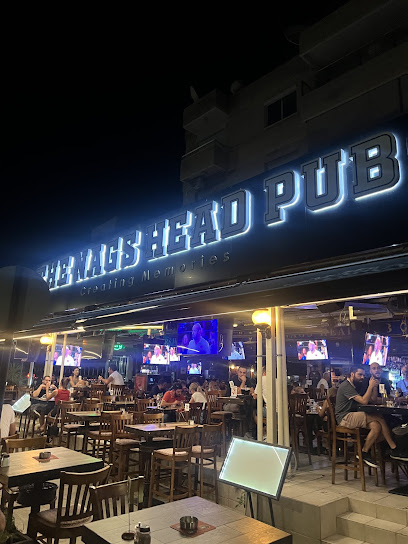
The Nags Head Pub - Bar
4.1 km
Discover the vibrant atmosphere and delicious grilled dishes at The Nags Head Pub in Limassol, Cyprus, the perfect spot for tourists seeking local flavor.
Nightclubs & after hour spots

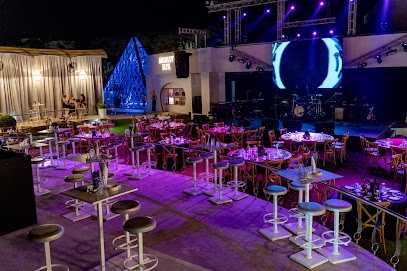
Theama Venue
0.4 km
Experience the thrill of Limassol's nightlife at Theama Venue, a premier night club featuring live music and unforgettable events in a stunning outdoor setting.
Silk velvet gentlemen's club
3.4 km
Discover the opulent nightlife at Silk Velvet Gentlemen's Club in Mouttagiaka, where glamour meets entertainment for an unforgettable experience.
Summer Breeze Club
4.0 km
Dive into Yermasoyias' vibrant nightlife at Summer Breeze Club, where electrifying beats and unforgettable memories await every party enthusiast.
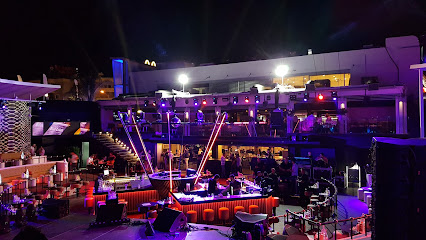
VIP Room Gold
4.0 km
Discover the vibrant nightlife of Limassol at VIP Room Gold, where luxury meets an unforgettable party atmosphere.
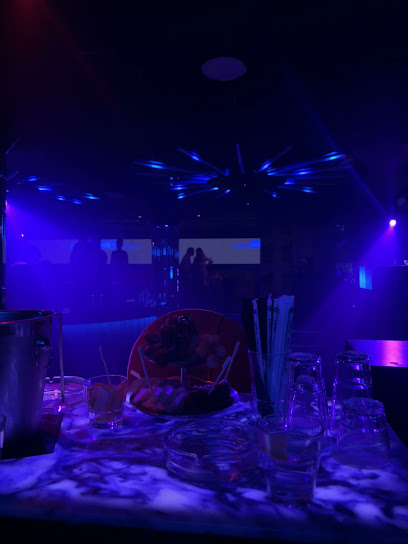
Royalty club
4.3 km
Discover the Royalty Club, a premier night club in Germasogeia, Cyprus, offering vibrant music, dancing, and a welcoming atmosphere for all.
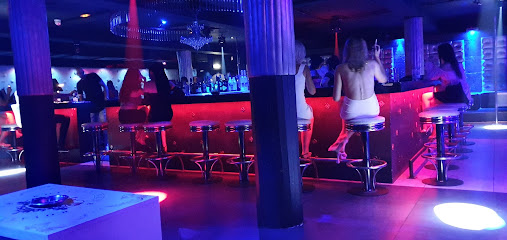
Royalty
4.6 km
Discover the electrifying atmosphere of Royalty Night Club in Germasogeia, where unforgettable nightlife experiences await.
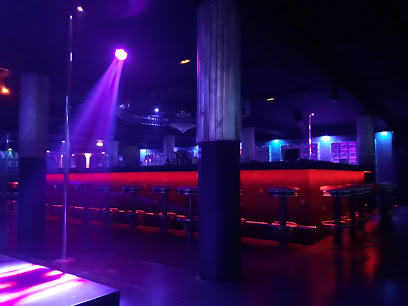
Arsenic Lounge Bar
4.7 km
Discover the electrifying nightlife of Arsenic Lounge Bar in Germasogeia, Cyprus - a hotspot for cocktails, dancing, and live entertainment.
Club Eleven
4.8 km
Discover the electrifying nightlife at Club Eleven, a premier night club in Germasogeia, Cyprus, showcasing vibrant music and a lively atmosphere.
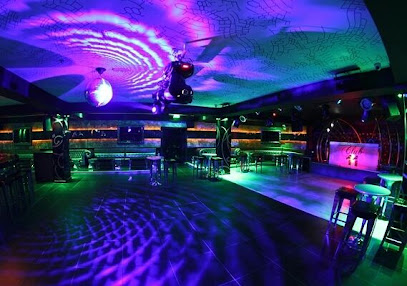
Couture House CY
5.1 km
Discover the electrifying nightlife at Couture House CY in Germasogeia, where music, cocktails, and dancing create unforgettable memories.
MAXI CLUB
5.2 km
Discover the electric atmosphere of MAXI CLUB, Limassol's ultimate nightlife hotspot, where unforgettable nights and world-class DJs await.
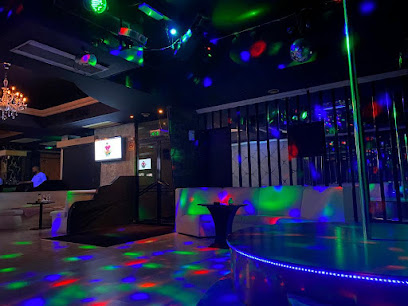
Rotonta piano restaurant bar
5.5 km
Discover the vibrant nightlife of Germasogeia at Rotonta, where exquisite dining meets electrifying entertainment in Cyprus.
NOROOF
5.8 km
Experience the ultimate nightlife at NOROOF in Moni, Cyprus, where art and music collide for an unforgettable party atmosphere.
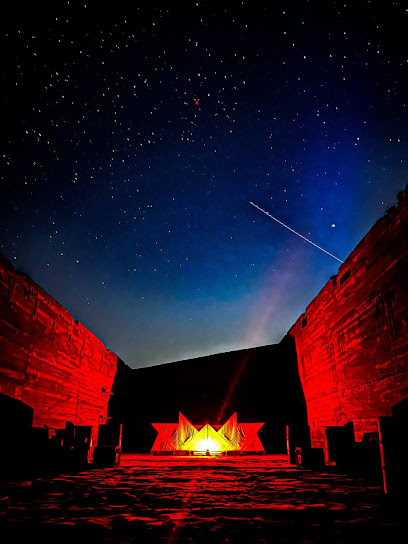
Voice Karaoke Club
9.6 km
Experience the vibrant nightlife of Limassol at Voice Karaoke Club, where every song is a chance to shine and make unforgettable memories.
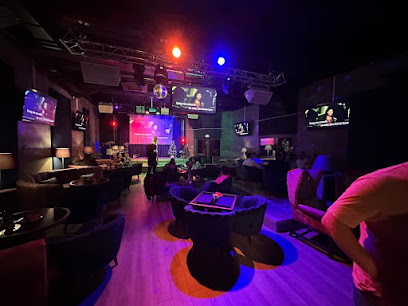
Metropole Retro Club
9.7 km
Experience the vibrant energy of Limassol's nightlife at Metropole Retro Club, where retro beats and modern vibes collide for an unforgettable night.
Dx Club
9.7 km
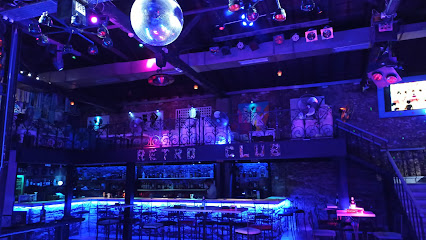
Dance the night away at Limassol's top nightlife destination, Dx Club, where vibrant music and an electric atmosphere await.