

Choirokoitia Travel Guide
Free Guide: Explore Choirokoitia, a UNESCO World Heritage Site, and step back 9,000 years to discover a remarkably preserved Neolithic settlement in Cyprus, offering a unique glimpse into early Cypriot life.


A brief summary of Choirokoitia
Explore Choirokoitia, a UNESCO World Heritage Site, and step back 9,000 years to discover a remarkably preserved Neolithic settlement in Cyprus, offering a unique glimpse into early Cypriot life.
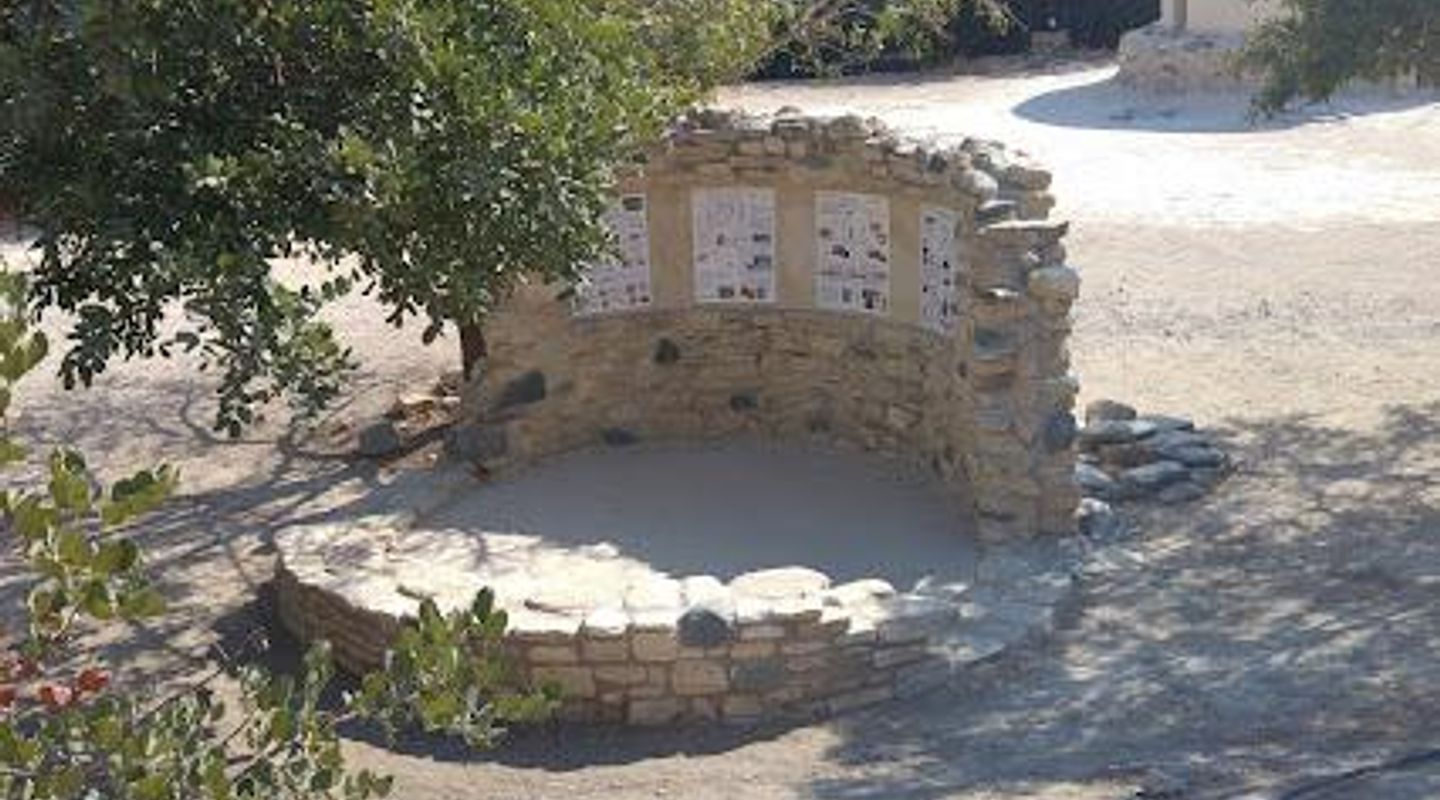
Step back millennia at Choirokoitia, a remarkably preserved Neolithic settlement and UNESCO World Heritage site. Inhabited from the 7th to the 5th millennia BCE, this settlement offers a unique glimpse into the lives of early Cypriot farmers. Explore the remains of circular houses, peer into reconstructed dwellings, and wander through vegetation native to the island since Neolithic times. Choirokoitia provides invaluable insights into the evolution of societies and the spread of Neolithic culture throughout the region. Located a short distance from the main highway between Limassol and Larnaca, it's an easily accessible and captivating historical experience, offering a tangible connection to Cyprus's ancient past and the ingenuity of its early inhabitants. Don't miss this opportunity to explore a site that predates even the pyramids of Egypt.
- Address
- Cyprus
Getting there
Driving
Public Transport
Taxi/Ride-Share
Discover more about Choirokoitia
Overview
Choirokoitia, a UNESCO World Heritage Site since 1998, stands as one of the most significant prehistoric sites in the Eastern Mediterranean. This remarkably well-preserved Neolithic settlement offers a captivating journey back in time, providing invaluable insights into the lives of Cyprus's earliest inhabitants. Occupied from approximately 7000 to 4000 BCE, Choirokoitia showcases a sophisticated and advanced community for its time, predating even iconic landmarks like Stonehenge and the Egyptian pyramids. The site's discovery in 1934 unveiled a complex society characterized by unique architectural styles and social structures. The settlement comprises closely packed, circular dwellings constructed from mudbrick and stone, reflecting a communal lifestyle centered around agriculture and resource management. These dwellings, often built on the slopes of a hill for strategic advantage, reveal the ingenuity and resourcefulness of the Neolithic people who called Choirokoitia home. Excavations at Choirokoitia have unearthed a wealth of artifacts, including tools, vessels, and animal remains, offering a glimpse into the daily lives of its inhabitants. Evidence suggests a population ranging from 300 to 600 individuals, living in a tightly knit community governed by social norms and religious beliefs. Intriguingly, the deceased were often buried beneath the floors of their homes, indicating a deep connection between the living and the departed. The defensive walls that once encircled Choirokoitia stand as a testament to the community's organizational capabilities. While their primary purpose remains a subject of debate among archaeologists, it is believed that these walls served not only as protection but also as a symbol of communal identity and belonging. The construction of these walls required significant effort and coordination, highlighting the advanced social structure of Choirokoitia's inhabitants. Today, visitors to Choirokoitia can explore the excavated remains of the settlement, wander through the foundations of ancient dwellings, and marvel at the reconstructed circular huts that offer a tangible sense of life in Neolithic Cyprus. These reconstructions, built using traditional methods and materials, provide a vivid representation of the architectural style and living conditions of the time. Inside, replicas of household objects and tools offer a glimpse into the daily routines and activities of Choirokoitia's inhabitants. The surrounding landscape, carefully preserved to reflect the native vegetation of Neolithic Cyprus, further enhances the immersive experience. Native plants and trees, thriving in the Cypriot climate for millennia, create a natural setting that evokes the atmosphere of the ancient settlement. Choirokoitia's significance extends beyond its archaeological value. The site provides crucial evidence for understanding the transition from hunter-gatherer societies to settled agricultural communities, a pivotal moment in human history known as the Neolithic Revolution. As one of the best-preserved Neolithic settlements in the region, Choirokoitia offers a unique opportunity to study the origins of agriculture, the development of social structures, and the spread of Neolithic culture throughout the Mediterranean. Visiting Choirokoitia is an enriching experience for history enthusiasts, archaeology buffs, and anyone seeking a deeper understanding of Cyprus's rich cultural heritage. The site's accessibility, coupled with its well-preserved remains and informative displays, makes it an ideal destination for travelers of all ages and interests. Whether you're exploring the foundations of ancient dwellings, admiring the reconstructed huts, or simply soaking in the atmosphere of this prehistoric settlement, Choirokoitia offers a captivating glimpse into the dawn of civilization in Cyprus. Beyond the archaeological site itself, the surrounding area offers additional attractions for visitors to explore. The nearby Saint Minas Monastery, with its tranquil setting and beautiful gardens, provides a peaceful retreat from the hustle and bustle of modern life. The charming villages of Lefkara and Tochni, known for their traditional crafts and picturesque landscapes, offer a glimpse into rural Cypriot life. Choirokoitia stands as a testament to the enduring legacy of Cyprus's Neolithic past. Its well-preserved remains, coupled with its rich historical significance, make it a must-see destination for anyone seeking to connect with the island's ancient roots. A visit to Choirokoitia is not just a journey through time; it's an opportunity to witness the ingenuity, resilience, and cultural heritage of the people who shaped the course of Cypriot history.
Evendo Review Centre
 Google
Guest reviews
Explore Choirokoitia on the map
A handpicked selection of must-see spots near Choirokoitia, mapped for you.
Get your free copy of our complete guide to Choirokoitia, delivered straight to you.
Everything on this page, from opening hours and how to get there to Eve’s tips and the best time to go, in one PDF you can read offline, print or share.
Already have an account? Sign in
Your Choirokoitia guide is ready.
We'll send it to · Not you? Sign out

Getting your guide ready…
We are putting together a fresh copy of the Choirokoitia guide. This can take up to a minute.
This can take a few moments. If your browser asks, choose Allow so the download can start. You'll find the guide in your Downloads folder.
Nothing happened? Download it again
Sorry, the guide is taking longer than usual. Please try again in a minute, or get it by email instead.
Unlock the best of Choirokoitia
Skip-the-line tickets, guided tours with entry, and walking tours of the area, booked in a few clicks.
 Tour with entry
Nicosia the capital of Cyprus from Paphos
from $58.63 Tour with entry
Larnaca and Ayia Napa: Salt Lake, Nissi Beach and Cape Greco
from $58.63 Tour with entry
Nicosia & Lefkara: Journey through Time and Culture from Paphos
from $63.96 Tour with entry
Day Tour to Famagusta, Ghost Town & Ancient Salamis
from $63.96


Other nearby places you may find interesting
The closest places of the same kind, if this one is not quite what you had in mind.
-
-
-
-
-


Swipe for more places
More to explore near Choirokoitia

 Best experiences near Choirokoitia
 Best hotels near Choirokoitia
 Best landmarks near Choirokoitia
 Best attractions near Choirokoitia
 Best shops near Choirokoitia
 Best restaurants near Choirokoitia
 Best bars near Choirokoitia
Do you manage this location?
Take control to get all the benefits, like improved information, better appearance, and stronger visibility across AI-powered discovery.
Explore more

Explore more of Governor's Beach
Discover the serene charm of Governor's Beach in Cyprus, where black sands meet white cliffs, offering a perfect escape with stunning views and tranquil waters.
Explore Governor's Beach
Explore more of Cyprus
Discover Cyprus: A Mediterranean paradise with a rich tapestry of history, culture, and breathtaking landscapes, offering a perfect blend of relaxation and adventure.
Explore Cyprus
