Apostolos Andreas Monastery Travel Guide
Free Guide: Discover the spiritual heart of Cyprus at the Apostolos Andreas Monastery, a historic pilgrimage site on the Karpas Peninsula, where faith, history, and natural beauty converge.


A brief summary of Apostolos Andreas Monastery
Discover the spiritual heart of Cyprus at the Apostolos Andreas Monastery, a historic pilgrimage site on the Karpas Peninsula, where faith, history, and natural beauty converge.
Perched on the northeastern tip of Cyprus, the Apostolos Andreas Monastery is a beacon of faith and history, revered by both Greek and Turkish Cypriots. Dedicated to Saint Andrew, the monastery is a significant pilgrimage site, famed for its healing spring that tradition says was created when St. Andrew struck the rocks with his staff. The current structure dates back to the 18th and 19th centuries, built upon the foundations of an older 15th-century chapel. Visitors are drawn to its serene atmosphere, stunning coastal views, and the shared cultural heritage it represents. The monastery stands as a testament to the island's complex past and enduring spirit, offering a unique glimpse into Cypriot religious traditions and the intertwined stories of its communities. Pilgrims and tourists alike find solace and inspiration in this remote and beautiful sanctuary, making it a must-see destination on the Karpas Peninsula.
- Address
- MH5F+QPC, Karpaz Anayolu, Dipkarpaz 99890
Getting there
Driving
Taxi/Ride-Share
Public Transport
Discover more about Apostolos Andreas Monastery
Overview
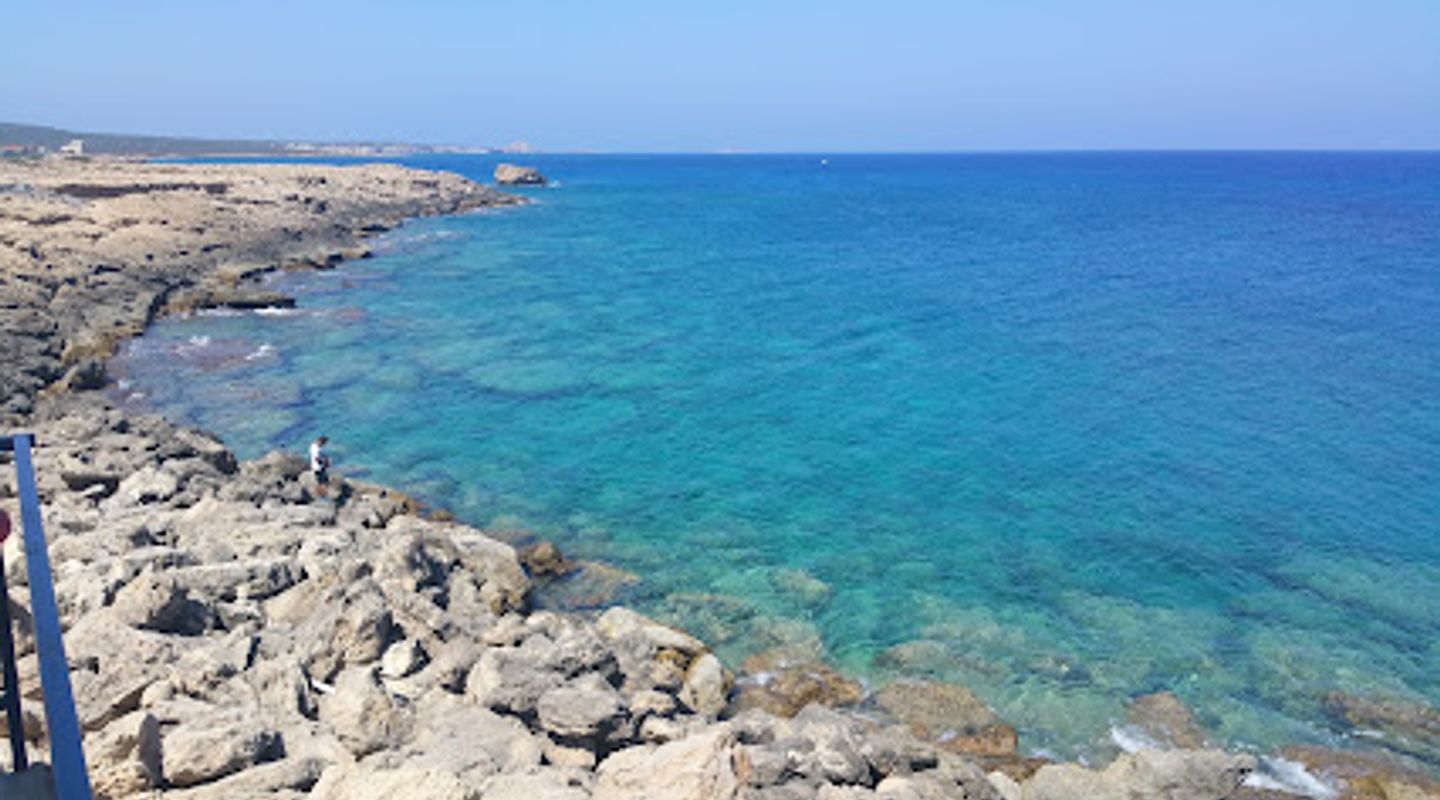
The Apostolos Andreas Monastery, located on the Karpas Peninsula at the northeasternmost point of Cyprus, is more than just a religious site; it's a symbol of faith, history, and the enduring spirit of the island. Dedicated to Saint Andrew, the first-called apostle of Jesus, the monastery holds a special place in the hearts of both Greek and Turkish Cypriots, serving as a pilgrimage destination and a testament to their shared cultural heritage. According to local lore, the monastery's origins trace back to St. Andrew's journey to the Holy Land. During his voyage, the ship carrying the saint went off course and struck the rocks near the cape. When St. Andrew disembarked, he struck the rocks with his staff, causing a spring of fresh water to gush forth. This water, believed to possess healing properties, restored the sight of the ship's captain, who had been blind in one eye. From that moment on, the site became a place of pilgrimage and healing. While a fortified monastery existed on the site as early as the 12th century, the present-day complex largely dates back to the 18th and 19th centuries. The main church, with its intricate frescoes and ornate decorations, stands as a testament to the artistry and devotion of the Orthodox faith. Beneath the church lies the original 15th-century chapel, where visitors can still access the healing spring. The monastery complex also includes pilgrim shelters, a testament to the countless visitors who have sought solace and healing at this sacred site over the centuries. Throughout its history, the Apostolos Andreas Monastery has been a place of miracles and answered prayers. One famous legend tells the story of Maria Georgiou, a woman whose son was kidnapped in 1895. Seventeen years later, St. Andrew appeared to her in a dream, instructing her to pray for her son's return at the monastery. Maria traveled to Cyprus and, during her journey, met a young Dervish priest who revealed himself to be her long-lost son, identified by a pair of birthmarks. This miraculous reunion solidified the monastery's reputation as a place of hope and divine intervention. Following the Turkish invasion of Cyprus in 1974, the monastery fell into disrepair, and pilgrimages became less frequent. However, with the opening of crossing points in 2004, more pilgrims have begun to visit the monastery, seeking to reconnect with their faith and heritage. Recognizing the monastery's cultural and religious significance, a bi-communal technical committee was established in 2008 to oversee its restoration. Greek Cypriot and Turkish Cypriot workers collaborated on the project, symbolizing the potential for reconciliation and mutual respect between the two communities. Visiting the Apostolos Andreas Monastery is an experience that transcends religious affiliation. The monastery's remote location, overlooking the azure waters of the Mediterranean Sea, creates a sense of tranquility and spiritual connection. Visitors can explore the monastery grounds, admire the intricate artwork within the church, and drink from the healing spring. The monastery also offers stunning views of the surrounding landscape, including Cape Apostolos Andreas, the northeasternmost point of Cyprus. Beyond its religious and historical significance, the Apostolos Andreas Monastery is a place where visitors can reflect on the complexities of Cypriot history and the enduring power of faith. The monastery stands as a symbol of hope for a future where the island's communities can coexist in peace and harmony. Whether you are a pilgrim seeking spiritual solace, a history enthusiast eager to learn about Cyprus's past, or simply a traveler in search of natural beauty and tranquility, the Apostolos Andreas Monastery is sure to leave a lasting impression. To make the most of your visit, consider these points: * **Dress modestly:** As a religious site, the monastery requires visitors to dress respectfully. Avoid wearing revealing clothing, and ensure that your shoulders and knees are covered. * **Visit during daylight hours:** The monastery is an active place of worship, and it is recommended to visit during daylight hours. * **Respect the sacredness of the site:** Maintain a quiet and respectful demeanor while on the monastery grounds. Refrain from loud talking or disruptive behavior. * **Explore the surrounding area:** The Karpas Peninsula is home to stunning beaches, picturesque villages, and diverse wildlife. Take some time to explore the region and discover its hidden gems. * **Be prepared for a remote location:** The monastery is located in a remote area, so it is advisable to bring water, snacks, and any other essentials you may need. The Apostolos Andreas Monastery is more than just a destination; it's a journey into the heart of Cypriot history, culture, and spirituality. It's a place where visitors can connect with their faith, reflect on the past, and find hope for the future. A visit to this sacred site is an experience that will stay with you long after you leave its tranquil shores. The monastery's location on the Karpas Peninsula also provides an opportunity to explore the region's natural beauty. The peninsula is home to pristine beaches, including Golden Beach, known for its soft sand and crystal-clear waters. The area is also a haven for wildlife, including wild donkeys that roam freely across the landscape. Visitors can hike through the Karpas National Park, discover ancient ruins, and immerse themselves in the tranquility of this unspoiled corner of Cyprus. The Apostolos Andreas Monastery is a testament to the enduring power of faith, the resilience of the Cypriot people, and the beauty of the island's natural landscape. It's a place where visitors can connect with their spirituality, learn about the past, and find inspiration for the future. A visit to this sacred site is an experience that will stay with you long after you leave its tranquil shores.
Evendo Review Centre
 Google
Guest reviews
Explore Apostolos Andreas Monastery on the map
A handpicked selection of must-see spots near Apostolos Andreas Monastery, mapped for you.
Get your free copy of our complete guide to Apostolos Andreas Monastery, delivered straight to you.
Everything on this page, from opening hours and how to get there to Eve’s tips and the best time to go, in one PDF you can read offline, print or share.
Already have an account? Sign in
Your Apostolos Andreas Monastery guide is ready.
We'll send it to · Not you? Sign out

Getting your guide ready…
We are putting together a fresh copy of the Apostolos Andreas Monastery guide. This can take up to a minute.
This can take a few moments. If your browser asks, choose Allow so the download can start. You'll find the guide in your Downloads folder.
Nothing happened? Download it again
Sorry, the guide is taking longer than usual. Please try again in a minute, or get it by email instead.
Unlock the best of Apostolos Andreas Monastery
Skip-the-line tickets, guided tours with entry, and walking tours of the area, booked in a few clicks.

Other nearby places you may find interesting
The closest places of the same kind, if this one is not quite what you had in mind.
-
-
-
-
-


Swipe for more places
More to explore near Apostolos Andreas Monastery
-
 Best experiences near Apostolos Andreas Monastery
-
 Best hotels near Apostolos Andreas Monastery
-
 Best landmarks near Apostolos Andreas Monastery
-
 Best attractions near Apostolos Andreas Monastery
-
 Best shops near Apostolos Andreas Monastery
-
 Best restaurants near Apostolos Andreas Monastery
-
 Best bars near Apostolos Andreas Monastery


Do you manage this location?
Take control to get all the benefits, like improved information, better appearance, and stronger visibility across AI-powered discovery.
Explore more

Explore more of Karpas Peninsula
Discover the untouched beauty of the Karpas Peninsula in Cyprus, where golden beaches meet ancient ruins and serene landscapes offer a peaceful retreat.
Explore Karpas Peninsula
Explore more of Cyprus
Discover Cyprus: A Mediterranean paradise with a rich tapestry of history, culture, and breathtaking landscapes, offering a perfect blend of relaxation and adventure.
Explore Cyprus