

Karpass Peninsula Travel Guide
Free Guide: Discover the untouched beauty of Cyprus on the Karpass Peninsula: Pristine beaches, wild donkeys, ancient ruins, and tranquil villages await exploration.


A brief summary of Karpass Peninsula
Discover the untouched beauty of Cyprus on the Karpass Peninsula: Pristine beaches, wild donkeys, ancient ruins, and tranquil villages await exploration.
The Karpass Peninsula, a finger of land stretching northeast from Cyprus, is a haven of unspoiled beauty and tranquility. Escape the crowded tourist spots and discover a world where time slows down, where golden beaches meet crystal-clear waters, and wild donkeys roam free. Explore ancient ruins, wander through sleepy villages, and immerse yourself in the region's rich history and culture. Whether you're seeking a peaceful retreat or an adventurous exploration of nature, the Karpass Peninsula promises an unforgettable experience, offering a glimpse into a simpler way of life and a chance to reconnect with the natural world. Don't miss the chance to witness nesting sea turtles, explore the Apostolos Andreas Monastery, and bask in the sun on the famous Golden Beach.
- Address
- Yeşilköy 99970
Getting there
Driving
Public Transport
Taxi/Ride-Share
Discover more about Karpass Peninsula
Overview
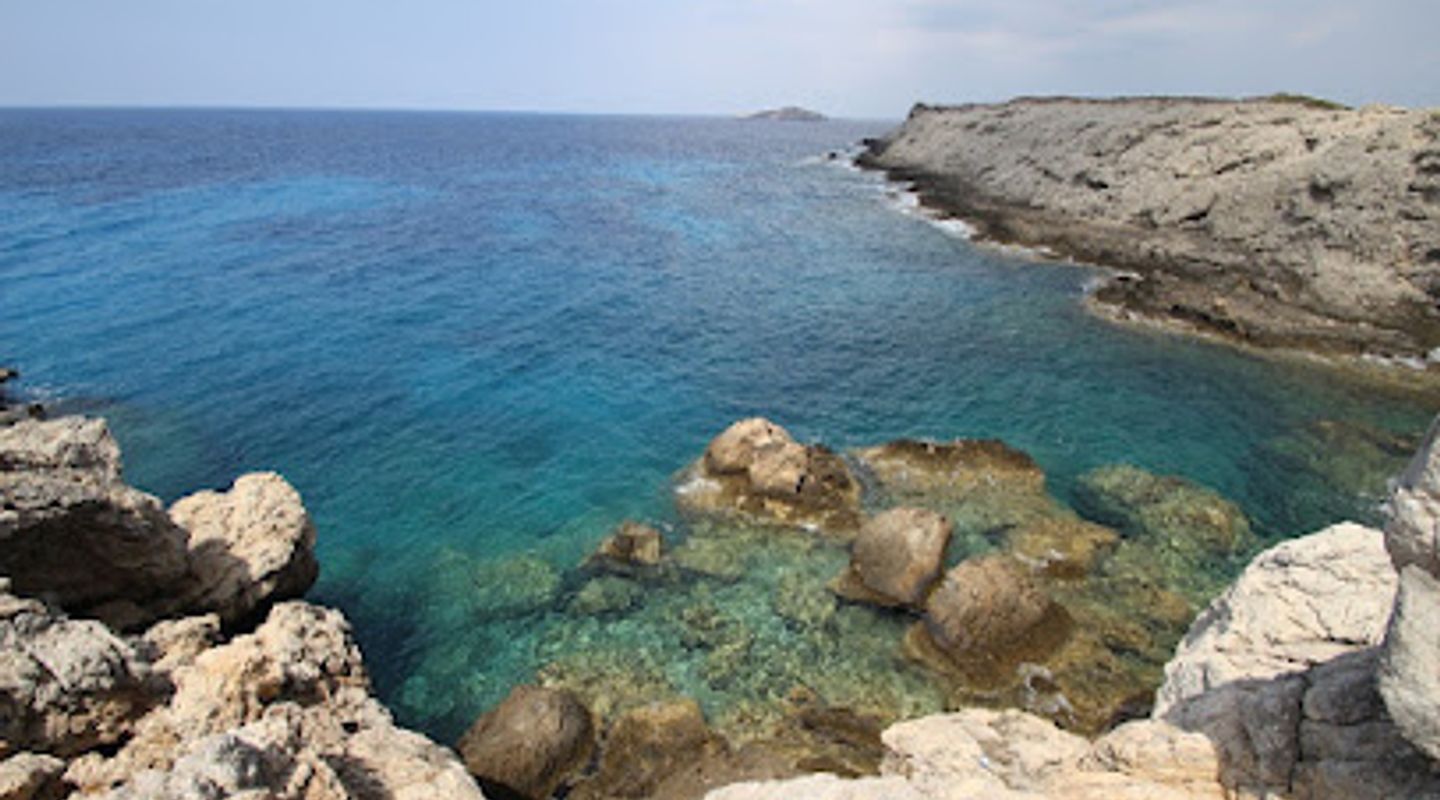
The Karpass Peninsula, also known as Karpasia, is a stunning geographical feature that graces the northeastern tip of Cyprus. Often referred to as the 'Panhandle' or 'tail' of Cyprus due to its distinctive shape, this long, narrow peninsula offers a unique escape from the bustling tourist centers of the island. Here, time seems to have stood still, offering visitors a chance to experience the raw beauty of nature and the charm of traditional Cypriot life. Stretching approximately 80 kilometers in length, the Karpass Peninsula is characterized by its rugged coastline, rolling hills, and fertile plains. The landscape is dotted with olive groves, pine forests, and an array of wildflowers that burst into color during the spring months. The peninsula is also home to numerous sandy beaches, many of which remain untouched and pristine, providing a haven for those seeking solitude and tranquility. The Karpass Peninsula boasts a rich history, with evidence of human habitation dating back to the Neolithic era. Throughout the centuries, the peninsula has been influenced by various civilizations, including the Mycenaean Greeks, Phoenicians, Egyptians, Persians, Romans, Arabic Dynasties, Crusaders, and Ottomans. These diverse cultural influences have left their mark on the landscape, with ancient ruins, Byzantine churches, and traditional villages scattered throughout the region. One of the most iconic landmarks on the Karpass Peninsula is the Apostolos Andreas Monastery, located at the very tip of the peninsula. Dedicated to Saint Andrew, this monastery is a revered pilgrimage site for both Greek and Turkish Cypriots. The monastery's history dates back to the Byzantine era, and it is believed to possess healing powers. Visitors can explore the monastery's historic chapels, admire its intricate architecture, and soak in the serene atmosphere. Another must-see attraction on the Karpass Peninsula is the ancient city of Karpasia, once a major cultural and trade center in Cyprus. Founded, according to tradition, by Pygmalion, the site dates back to the 7th century BC. Today, the city lies mostly in ruins, but visitors can still explore the remains of its ancient harbor, city walls, and necropolis. The nearby Ayios Philon Church offers a glimpse into the region's early Christian history, with its well-preserved mosaics and architectural features. The Karpass Peninsula is also renowned for its diverse flora and fauna. The region is home to a variety of endemic plant species, including the Cyprus tulip and the Cyprus thistle. Wildlife enthusiasts will be delighted by the opportunity to spot rare bird species, such as the Cyprus warbler and the Cyprus wheatear. The peninsula's beaches serve as vital nesting grounds for endangered sea turtles, including the loggerhead and green turtle. Conservation efforts are in place to protect these magnificent creatures and their habitats. Perhaps the most famous residents of the Karpass Peninsula are the wild donkeys that roam freely throughout the region. These donkeys are descendants of farm animals that were abandoned during the division of Cyprus in 1974. Today, they are a protected species and a beloved symbol of the Karpass Peninsula. Visitors can often encounter these gentle creatures along the roadsides, in the Karpaz National Park, and near the Golden Beach. The Golden Beach, also known as Altınkum, is one of the most beautiful and unspoiled beaches in Cyprus. Stretching for over 4 kilometers, this golden sand beach offers crystal-clear waters and a tranquil atmosphere. The beach is a protected area, ensuring its pristine condition and preserving its natural beauty. Visitors can swim, sunbathe, and enjoy long walks along the shore, taking in the breathtaking scenery. For those seeking adventure, the Karpass Peninsula offers a range of outdoor activities. Hiking trails wind through the hills and along the coastline, providing stunning views of the Mediterranean Sea. Birdwatching is a popular pastime, with numerous opportunities to spot migratory and resident bird species. Cycling and horseback riding are also excellent ways to explore the peninsula's diverse landscapes. The villages of the Karpass Peninsula offer a glimpse into traditional Cypriot life. In the village of Dipkarpaz (Rizokarpaso), Turkish and Greek Cypriots live side-by-side, maintaining their cultural heritage and traditions. Visitors can explore the village's historic churches and mosques, sample local cuisine at family-run tavernas, and experience the warmth and hospitality of the local people. The Karpass Peninsula is a destination that appeals to all the senses. The scent of wildflowers fills the air, the sound of waves crashing against the shore soothes the soul, and the taste of fresh seafood delights the palate. Whether you're seeking a peaceful retreat, an adventurous exploration, or a cultural immersion, the Karpass Peninsula promises an unforgettable experience. It's a place where you can reconnect with nature, discover history, and experience the true essence of Cyprus. However, it's important to note that infrastructure in the Karpass Peninsula is less developed compared to other parts of Cyprus. Public transportation is limited, and roads can be narrow and winding. Renting a car is highly recommended for exploring the region at your own pace. Accommodation options range from small hotels and guesthouses to bungalows and apartments. It's advisable to book in advance, especially during the peak season. Despite its remoteness, the Karpass Peninsula is easily accessible from other parts of Cyprus. The journey from Kyrenia takes approximately 3-3.5 hours by car, while the journey from Famagusta is shorter, around 1.5-2 hours. The drive itself is a scenic experience, with stunning views of the coastline and the countryside. The Karpass Peninsula is a true gem of Cyprus, offering a unique blend of natural beauty, history, and culture. It's a destination that rewards those who venture off the beaten path, providing an opportunity to experience the unspoiled charm of this captivating region.
Evendo Review Centre
 Google
Guest reviews
Explore Karpass Peninsula on the map
A handpicked selection of must-see spots near Karpass Peninsula, mapped for you.
Get your free copy of our complete guide to Karpass Peninsula, delivered straight to you.
Everything on this page, from opening hours and how to get there to Eve’s tips and the best time to go, in one PDF you can read offline, print or share.
Already have an account? Sign in
Your Karpass Peninsula guide is ready.
We'll send it to · Not you? Sign out

Getting your guide ready…
We are putting together a fresh copy of the Karpass Peninsula guide. This can take up to a minute.
This can take a few moments. If your browser asks, choose Allow so the download can start. You'll find the guide in your Downloads folder.
Nothing happened? Download it again
Sorry, the guide is taking longer than usual. Please try again in a minute, or get it by email instead.
Other nearby places you may find interesting
The closest places of the same kind, if this one is not quite what you had in mind.
-
-
-
-
-


Swipe for more places
More to explore near Karpass Peninsula

 Best experiences near Karpass Peninsula
 Best hotels near Karpass Peninsula
 Best landmarks near Karpass Peninsula
 Best attractions near Karpass Peninsula
 Best shops near Karpass Peninsula
 Best restaurants near Karpass Peninsula
 Best bars near Karpass Peninsula
Do you manage this location?
Take control to get all the benefits, like improved information, better appearance, and stronger visibility across AI-powered discovery.
Explore more

Explore more of Karpas Peninsula
Discover the untouched beauty of the Karpas Peninsula in Cyprus, where golden beaches meet ancient ruins and serene landscapes offer a peaceful retreat.
Explore Karpas Peninsula
Explore more of Cyprus
Discover Cyprus: A Mediterranean paradise with a rich tapestry of history, culture, and breathtaking landscapes, offering a perfect blend of relaxation and adventure.
Explore Cyprus
