

Free Karpas Peninsula Travel Guide & Mobile App
Explore Karpas Peninsula with free travel guides. Discover regional history, expert tips, proposed trips, and audio guides on web or mobile app.


Discover the untouched beauty of the Karpas Peninsula in Cyprus, where golden beaches meet ancient ruins and serene landscapes offer a peaceful retreat.
Read more about Karpas Peninsula
When is the best time to visit Karpas Peninsula?
Best: April–May, October · 23–27°C| Month | High (°C) | Rainfall (mm) |
|---|---|---|
| January | 14 | 80 |
| February | 15 | 70 |
| March | 18 | 60 |
| April (best) | 23 | 40 |
| May (best) | 27 | 20 |
| June | 31 | 10 |
| July | 34 | 5 |
| August | 34 | 5 |
| September | 31 | 10 |
| October (best) | 27 | 40 |
| November | 21 | 60 |
| December | 16 | 70 |
Getting to and around Karpas Peninsula
How to get there
Transportation
Best attractions in Karpas Peninsula
The Karpas Peninsula, a hidden gem in Cyprus, offers an enchanting blend of history, nature, and tranquility. Visitors can explore the ancient ruins of Salamis, where the echoes of Roman and Byzantine civilizations still resonate. The untouched golden beaches, such as Golden Beach, are perfect for sunbathing and swimming in crystalline waters, while the quaint village of Dipkarpaz provides a glimpse into traditional Cypriot life with its charming stone houses and local taverns. Nature enthusiasts will be captivated by the wild donkeys roaming freely and the rich biodiversity of the Karpaz National Park. Historical treasures like the Apostolos Andreas Monastery stand as testaments to the peninsula's religious significance, offering breathtaking views and a serene atmosphere. Don't miss the opportunity to hike through the scenic trails that wind through this pristine landscape, leading to panoramic vistas and secluded coves.
-
Monastery
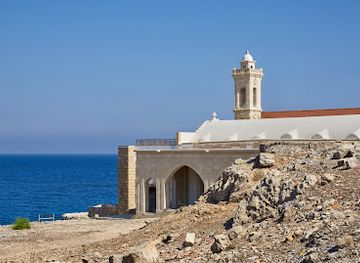
Apostolos Andreas Monastery
Discover the spiritual heart of Cyprus at the Apostolos Andreas Monastery, a historic pilgrimage site on the Karpas Peninsula, where faith, history, and natural beauty converge.
-
Marina
Karpaz Gate Marina
Discover the unspoiled beauty of Northern Cyprus at Karpaz Gate Marina, a luxurious haven for yachting, relaxation, and exploration on the stunning Karpaz Peninsula.
-
Tourist attraction
Gidilecek son nokta
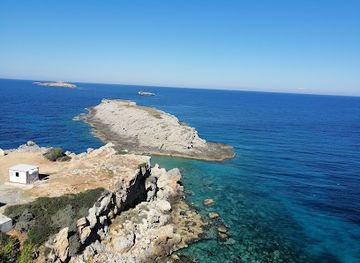
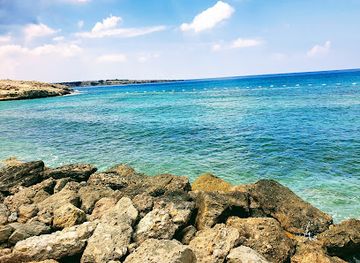
Discover the serene beauty of Gidilecek Son Nokta in Dipkarpaz, Northern Cyprus: a tranquil escape offering breathtaking coastal views, perfect for nature lovers and photographers.
-
Peninsula
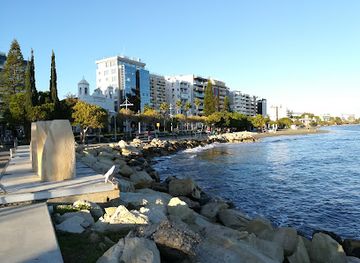
Karpass Peninsula
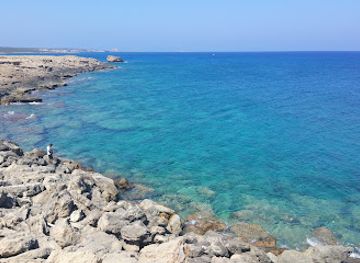
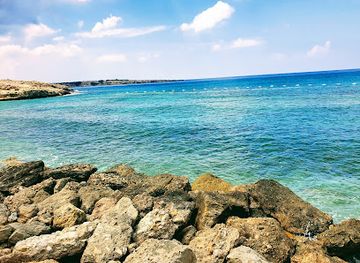
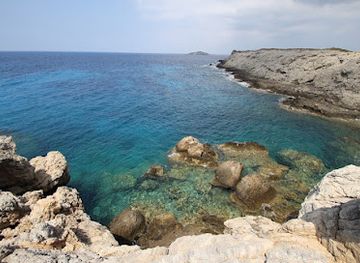
Discover the untouched beauty of Cyprus on the Karpass Peninsula: Pristine beaches, wild donkeys, ancient ruins, and tranquil villages await exploration.
Best landmarks in Karpas Peninsula
The Karpas Peninsula, often referred to as the 'Panhandle of Cyprus,' offers a captivating blend of natural beauty and historic intrigue. Visitors can explore the ancient ruins of Salamis, an important city-state from antiquity, where grandiose columns and a vast amphitheater stand testament to its storied past. The Apostolos Andreas Monastery, perched at the easternmost tip, offers spiritual solace and panoramic sea views. The Golden Beach, an unspoiled stretch of golden sands and azure waters, invites relaxation and solitude. Furthermore, the region is dotted with charming villages like Dipkarpaz, where time seems to stand still and traditional Cypriot culture thrives. Wildlife enthusiasts will be thrilled by the presence of wild donkeys roaming freely, adding a unique charm to the rugged landscape. The Karpas Peninsula is not just a destination; it's an experience that seamlessly weaves history, culture, and nature into an unforgettable tapestry.
-
Island
Cyprus
Explore Cyprus, the enchanting Mediterranean island known for its beautiful beaches, rich history, and vibrant culture, offering unforgettable experiences for every traveler.
-
Monastery
Apostolos Andreas Monastery
Discover a sacred pilgrimage site on Cyprus' Karpas Peninsula, with miraculous waters, stunning views, and a rich history.
-
Marina
Karpaz Gate Marina
Discover Karpaz Gate Marina: A luxurious marina with stunning beaches, exceptional dining, and endless activities in the heart of Northern Cyprus.
-
Beach
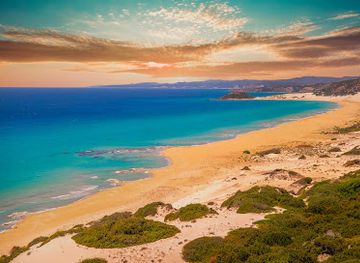
Golden Beach
Discover Golden Beach in Northern Cyprus: a remote, untouched paradise with golden sands and crystal-clear waters.
Explore Karpas Peninsula on the map
Plan your trip on one map. See where the top cities, national parks and sights are, and book hotels and experiences in a few clicks.
Best hotels in Karpas Peninsula
Best restaurants in Karpas Peninsula
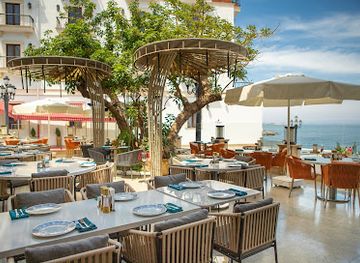
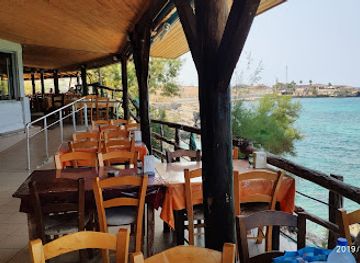
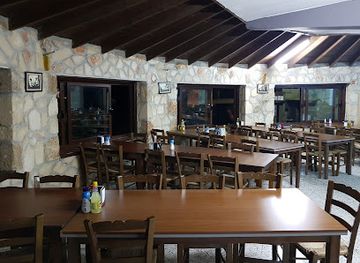
The dining scene in Karpas Peninsula offers a delightful fusion of authentic Cypriot flavors and Mediterranean charm, set against the backdrop of serene coastal landscapes and quaint village settings. Visitors can expect to find family-run tavernas serving freshly caught seafood, local meze platters brimming with olives, halloumi, and an array of dips, as well as traditional dishes like lamb kleftiko and moussaka. The region is also known for its lush olive groves and fertile lands, which means the use of fresh, locally sourced ingredients is a given. Whether dining al fresco under a canopy of stars or in a rustic stone-walled eatery, the Karpas Peninsula promises a culinary journey that is both rich in tradition and bursting with the vibrant, sun-kissed flavors of Cyprus.
-
Restaurant
Nima Restaurant & Lounge Bar
Experience exquisite Mediterranean dining at Nima Restaurant & Lounge Bar in Kyrenia, where flavor meets stunning coastal views.
-
Alevkayalı Restaurant
Discover authentic Turkish flavors at Alevkayalı Restaurant in Yeni Erenköy - where every meal tells a story.
-
Restaurant
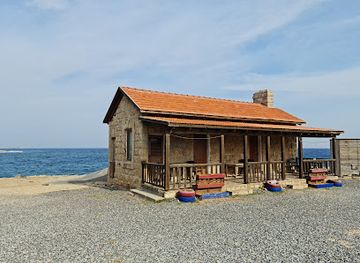
Sea Bird Motel & Restaurant
Discover comfort and local flavors at Sea Bird Motel & Restaurant in Dipkarpaz, where stunning views meet exceptional dining.
-
Turkish
Kadı Restoran
Experience the authentic flavors of Turkey at Kadı Restoran, where every dish tells a story of tradition and passion.
Best bars in Karpas Peninsula
The nightlife scene of Karpas Peninsula offers a unique blend of rustic charm and laid-back coastal vibes, perfect for those seeking an off-the-beaten-path experience. As the sun sets, the area comes alive with cozy beach bars and intimate taverns where you can sip on local wines and craft beers while listening to the waves gently lap the shore. Live music, ranging from traditional Cypriot tunes to contemporary acoustic sets, creates a relaxed yet engaging atmosphere. Some establishments host impromptu dance nights under the stars, adding a touch of spontaneity to your evening. Whether you're enjoying a cocktail at a seaside lounge or mingling with locals in a village pub, the nightlife in Karpas Peninsula promises a memorable and authentic experience.
-
Pub
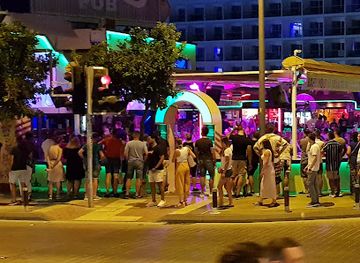
Tommy's Pub
Tommy's Pub in Agia Napa is the ultimate destination for lively entertainment, delicious food, and refreshing drinks in Cyprus.
-
Grill
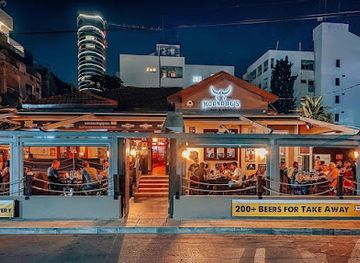
Moondog's Bar & Grill
Experience the vibrant atmosphere and delicious grill cuisine at Moondog's Bar & Grill, a top destination in Nicosia for tourists and locals alike.
-
Bar
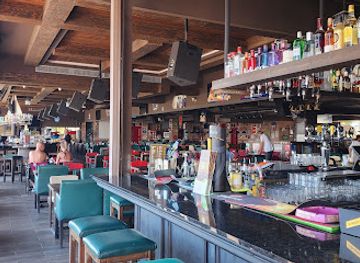
Love Boat Bar
Experience the lively atmosphere, creative cocktails, and stunning sea views at Love Boat Bar in Protaras, Cyprus.
-
Bar
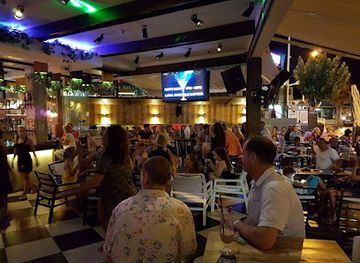
Ghetto Cocktail Bar
Discover the lively Ghetto Cocktail Bar in Protaras, Cyprus, offering exquisite cocktails, delicious hamburgers, and an unforgettable nightlife experience.
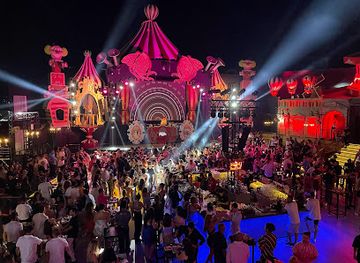
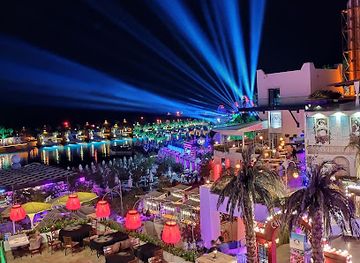
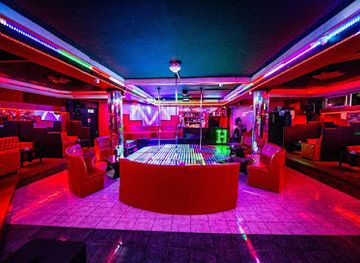
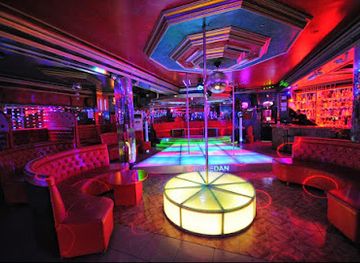
Best nightclubs in Karpas Peninsula
The nightlife scene of Karpas Peninsula offers a unique blend of rustic charm and laid-back coastal vibes, perfect for those seeking an off-the-beaten-path experience. As the sun sets, the area comes alive with cozy beach bars and intimate taverns where you can sip on local wines and craft beers while listening to the waves gently lap the shore. Live music, ranging from traditional Cypriot tunes to contemporary acoustic sets, creates a relaxed yet engaging atmosphere. Some establishments host impromptu dance nights under the stars, adding a touch of spontaneity to your evening. Whether you're enjoying a cocktail at a seaside lounge or mingling with locals in a village pub, the nightlife in Karpas Peninsula promises a memorable and authentic experience.
-
Club
La Nouba Kyrenia
Immerse yourself in the electrifying nightlife of La Nouba Kyrenia, where unforgettable music, live performances, and vibrant energy await.
-
Night club
Cage Club
Experience the electric nightlife of Cyprus at Cage Club, where top DJs and vibrant ambiance keep the party alive until dawn.
-
Night club
Harem Night Club
Experience the vibrant nightlife of Alayköy at Harem Night Club, where music and dance come alive in an electrifying atmosphere.
-
Night club
Kıbrıs Night Club
Discover the vibrant nightlife at Kıbrıs Night Club in Nicosia - a top spot for dancing, socializing, and enjoying exotic drinks.
Best shops in Karpas Peninsula
The shopping scene in Karpas Peninsula is a delightful blend of traditional and artisanal experiences, offering visitors a chance to explore charming local markets and quaint village shops. Here, you can find a treasure trove of handmade crafts, from intricate lacework and pottery to vibrant textiles and jewelry, each piece echoing the rich cultural heritage of the region. The local markets are brimming with fresh produce, aromatic spices, and organic honey, providing a sensory delight for food enthusiasts. Additionally, small family-owned boutiques and open-air bazaars offer unique souvenirs and locally produced goods that serve as perfect mementos of your journey through this picturesque and historically-rich corner of Cyprus.
-
Shopping mall
Kings Avenue Mall
Explore Kings Avenue Mall in Paphos, Cyprus, where shopping meets dining, entertainment, and a vibrant atmosphere for all visitors.
-
Shopping mall
Mall Of Cyprus
Discover a shopping haven at the Mall of Cyprus, where fashion, food, and fun come together for an unforgettable experience.
-
Shopping mall
City Mall
Explore City Mall in Famagusta for a complete shopping, dining, and entertainment experience in a vibrant atmosphere.
-
Shopping mall
Nicosia Mall
Experience the best of shopping, dining, and entertainment at Nicosia Mall, the heart of Cyprus's retail scene.

Get your free copy of our complete guide to Karpas Peninsula, delivered straight to you.
Everything on this page, from attractions and restaurants to essentials and local phrases, in one PDF you can read offline, print or share.
Already have an account? Sign in
Your Karpas Peninsula guide is ready.
We'll send it to · Not you? Sign out

Getting your guide ready…
We are putting together a fresh copy of the Karpas Peninsula guide. This can take up to a minute.
This can take a few moments. If your browser asks, choose Allow so the download can start. You'll find the guide in your Downloads folder.
Nothing happened? Download it again
Sorry, the guide is taking longer than usual. Please try again in a minute, or get it by email instead.
Karpas Peninsula essentials
Currency and Payment
Safety
Emergency Situations
Do's and Don'ts
Local Tips
From Eve
Local phrases worth knowing
You don't need to get them perfect. A few words go a long way, and locals appreciate the effort.
Basics
| English | Local | Say it |
|---|---|---|
| Hello | Γειά σου | [Yia sou] |
| Goodbye | Αντίο | [Adio] |
| Yes | Ναι | [Ne] |
| No | Όχι | [Ochi] |
| Please/You're welcome | Παρακαλώ | [Parakalo] |
| Thank you | Ευχαριστώ | [Efharisto] |
| Excuse me/Sorry | Συγγνώμη | [Signomi] |
| How are you? | Πώς είσαι; | [Pos ise?] |
| Fine. And you? | Καλά. Εσύ; | [Kala. Esy?] |
| Do you speak English? | Μιλάς Αγγλικά; | [Milas Anglika?] |
| I don't understand | Δεν καταλαβαίνω | [Den katalavaino] |
Eating & Drinking
| English | Local | Say it |
|---|---|---|
| I'd like to see the menu, please | Θα ήθελα να δω το μενού, παρακαλώ | [Tha ithela na do to menu, parakalo] |
| I don't eat meat | Δεν τρώω κρέας | [Den troo kreas] |
| Cheers! | Στην υγειά μας! | [Stin ygeia mas!] |
| I would like to pay, please | Θα ήθελα να πληρώσω, παρακαλώ | [Tha ithela na pliroso, parakalo] |
Emergencies
| English | Local | Say it |
|---|---|---|
| Help! | Βοήθεια! | [Voitheia!] |
| Go away! | Φύγε! | [Fyge!] |
| Call the Police! | Καλέστε την Αστυνομία! | [Kaleste tin Astynomia!] |
| Call a doctor! | Καλέστε έναν γιατρό! | [Kaleste enan giatro!] |
| I'm lost | Έχω χαθεί | [Echo chathei] |
| I'm ill | Είμαι άρρωστος/η | [Eimai arrostos/i] |
Shopping
| English | Local | Say it |
|---|---|---|
| I'd like to buy... | Θα ήθελα να αγοράσω... | [Tha ithela na agoraso...] |
| I'm just looking | Απλά κοιτάω | [Appla kitao] |
| How much is it? | Πόσο κοστίζει; | [Poso kostizei?] |
| That's too expensive | Είναι πολύ ακριβό | [Einai poly akrivo] |
| Can you lower the price? | Μπορείς να μειώσεις την τιμή; | [Boreis na meiosis tin timi?] |
Time & Numbers
| English | Local | Say it |
|---|---|---|
| What time is it? | Τι ώρα είναι; | [Ti ora einai?] |
| It's one o'clock | Είναι μία η ώρα | [Einai mia i ora] |
| Half past (10) | Δέκα και μισή | [Deka kai misi] |
| Morning | Πρωί | [Proi] |
| Afternoon | Απόγευμα | [Apogevma] |
| Evening | Βράδυ | [Vrady] |
| Yesterday | Χθες | [Chthes] |
| Today | Σήμερα | [Simera] |
| Tomorrow | Αύριο | [Avrio] |
| 1 | 1 | [1] |
| 2 | 2 | [2] |
| 3 | 3 | [3] |
| 4 | 4 | [4] |
| 5 | 5 | [5] |
| 6 | 6 | [6] |
| 7 | 7 | [7] |
| 8 | 8 | [8] |
| 9 | 9 | [9] |
| 10 | 10 | [10] |
Transport & Directions
| English | Local | Say it |
|---|---|---|
| Where's a/the...? | Πού είναι το...; | [Pou einai to...?] |
| What's the address? | Ποια είναι η διεύθυνση; | [Poia einai i diefthynsi?] |
| Can you show me (on the map)? | Μπορείς να μου δείξεις (στο χάρτη); | [Boreis na mou deikseis (sto charti)?] |
| When's the next (bus)? | Πότε είναι το επόμενο (λεωφορείο); | [Pote einai to epomeno (leoforeio)?] |
| A ticket (to ....) | Ένα εισιτήριο (για ....) | [Ena eisitirio (gia ....)] |
History of Karpas Peninsula
Ancient Settlements
The Karpas Peninsula has been inhabited since prehistoric times, with evidence of Neolithic settlements scattered throughout the region. The ancient town of Karpasia, believed to have been founded by King Pygmalion of Cyprus, is one of the earliest known settlements. Ruins of ancient structures and artifacts provide a glimpse into the life of early inhabitants.
Byzantine Era
During the Byzantine period, the Karpas Peninsula flourished as a religious and cultural center. Numerous Byzantine churches and monasteries were established, many of which still stand today. The Monastery of Apostolos Andreas, located at the tip of the peninsula, is a significant pilgrimage site dedicated to Saint Andrew the Apostle.
Lusignan and Venetian Rule
From the late 12th to the 16th century, the Karpas Peninsula came under the rule of the Lusignan Kings and later the Venetians. This era saw the construction of impressive fortifications and castles, including the Kantara Castle, which provided strategic defense against invaders. The influence of Western architecture and culture is evident in the remnants of these structures.
Ottoman Period
In 1571, the Ottoman Empire conquered Cyprus, bringing the Karpas Peninsula under Ottoman rule. The region experienced significant changes, including the introduction of Islamic culture and architecture. Many churches were converted into mosques, and new public buildings and baths were constructed, reflecting the Ottoman influence on local life.
British Colonial Era
The British took control of Cyprus in 1878, marking the beginning of the British Colonial Era. The Karpas Peninsula saw the development of infrastructure, including roads and schools, and improvements in agriculture. The British influence is still visible in the area's architecture and administrative practices.
Post-Independence and Division
Cyprus gained independence from British rule in 1960. However, the island faced political tensions that culminated in the division of Cyprus in 1974. The Karpas Peninsula, located in the northeastern part of the island, became part of the Turkish-controlled Northern Cyprus. This division has had lasting impacts on the region's demographics, culture, and accessibility.
Cultural Heritage
The Karpas Peninsula is a melting pot of diverse cultures and traditions, influenced by its long history of various rulers and inhabitants. The region is known for its unique blend of Greek and Turkish Cypriot cultures, reflected in local festivals, cuisine, and daily life. Traditional crafts, such as weaving and pottery, continue to thrive, preserving the rich cultural heritage of the area.
Natural Beauty and Conservation
Aside from its historical significance, the Karpas Peninsula is renowned for its stunning natural landscapes. The region is home to pristine beaches, rugged cliffs, and diverse wildlife, including the endangered Mediterranean monk seal and green sea turtles. Efforts are ongoing to preserve the natural beauty and biodiversity of the peninsula through conservation initiatives and sustainable tourism practices.
Karpas Peninsula in Photos
Browse through our photo collection highlighting the charm and character of the destination.
Neighbouring regions of Karpas Peninsula
The closest regions to Karpas Peninsula, if you have time for more than one.
-

-

-

-

-


Swipe for more regions
Explore more

Explore more of Cyprus
Discover Cyprus: A Mediterranean paradise with a rich tapestry of history, culture, and breathtaking landscapes, offering a perfect blend of relaxation and adventure.
Explore Cyprus