

Ottoman Baths, Kato Paphos Travel Guide
Explore the historic Ottoman Baths in Paphos, a beautifully restored cultural center showcasing Ottoman-era architecture and the significance of bathing rituals in Cypriot history.
The Ottoman Baths in Paphos, also known as Hammam, Loutra, or Turkish Baths, offer a fascinating glimpse into the island's diverse cultural heritage. Dating back to medieval times and rebuilt in 1592, these baths served as a vital social hub until the mid-20th century. The stone-built structure features a vaulted ceiling and three main rooms: a reception area, a space for undressing, and the main bathing area. Restored in 2015, the baths now function as a cultural center, providing visitors with a unique opportunity to explore a well-preserved example of Ottoman-era architecture and learn about the historical significance of bathing rituals in Cypriot culture. Located near the old market, the baths are easily accessible and offer a tranquil escape from the bustling city, making it a must-see attraction for history enthusiasts and those seeking a peaceful retreat.
A brief summary to Ottoman Baths
- Minoos, Paphos, CY

Know before you go
Hi, I'm Eve. Here are a few practical things to know before exploring Ottoman Baths.
- Combine your visit with a stroll through the nearby Paphos Old Market for a taste of local life and souvenir shopping.
- Visit during off-peak hours for a more peaceful and intimate experience of the baths.
- Check the opening hours in advance, as they may vary depending on the season and public holidays.
Do you manage this location?
Take control to get all the benefits, like improved information, better appearance, and stronger visibility across AI-powered discovery. Learn more about listing your business on Evendo
Activate your presenceOther nearby places you may find interesting
The closest places of the same kind, if this one is not quite what you had in mind.


Explore Ottoman Baths on the Map
A handpicked selection of must-see spots near Ottoman Baths, mapped for you.
Unlock the Best of Ottoman Baths
Buy tickets
-
No tickets available
Book tours with entry

Book tours without entry

Getting There
-
Walking
If you are in Paphos Old Town (Ktima), the Ottoman Baths are easily accessible on foot. From the main square, head towards the Paphos Municipal Market. The baths are located just below Petraki Miltiadou street, near the market. The walk is short and offers a chance to explore the charming streets of the old town. No costs are associated with walking.
-
Public Transport
From Kato Paphos, take bus number 610 towards Karavella (Paphos Old Town). Get off at the bus stop closest to the Paphos Municipal Market. From there, walk down Petraki Miltiadou street; the Ottoman Baths will be nearby. A single bus ticket costs €2 during the day or €3 at night. A 24-hour ticket is available for €6.50.
-
Taxi/Ride-Share
A taxi or ride-share from Kato Paphos to the Ottoman Baths in Paphos Old Town will cost approximately €8-€12, depending on traffic and the specific location of your starting point. The journey typically takes 10-15 minutes. Ask the driver to take you to the Paphos Municipal Market; the baths are a short walk from there.
-
Driving
If driving, head towards Paphos Old Town (Ktima). Follow signs to the Paphos Municipal Market. There is a large parking area near the market where you can park your car. From the parking area, the Ottoman Baths are a short walk away. Parking fees vary, but expect to pay around €2-€4 for a few hours.
Discover more about Ottoman Baths













Your all‑in‑one travel companion app
Explore expert travel guides, compare and book tours, experiences, hotels, and more—all from the palm of your hand. Download now for seamless trip planning wherever your wanderlust takes you.


Explore More of Kato Paphos
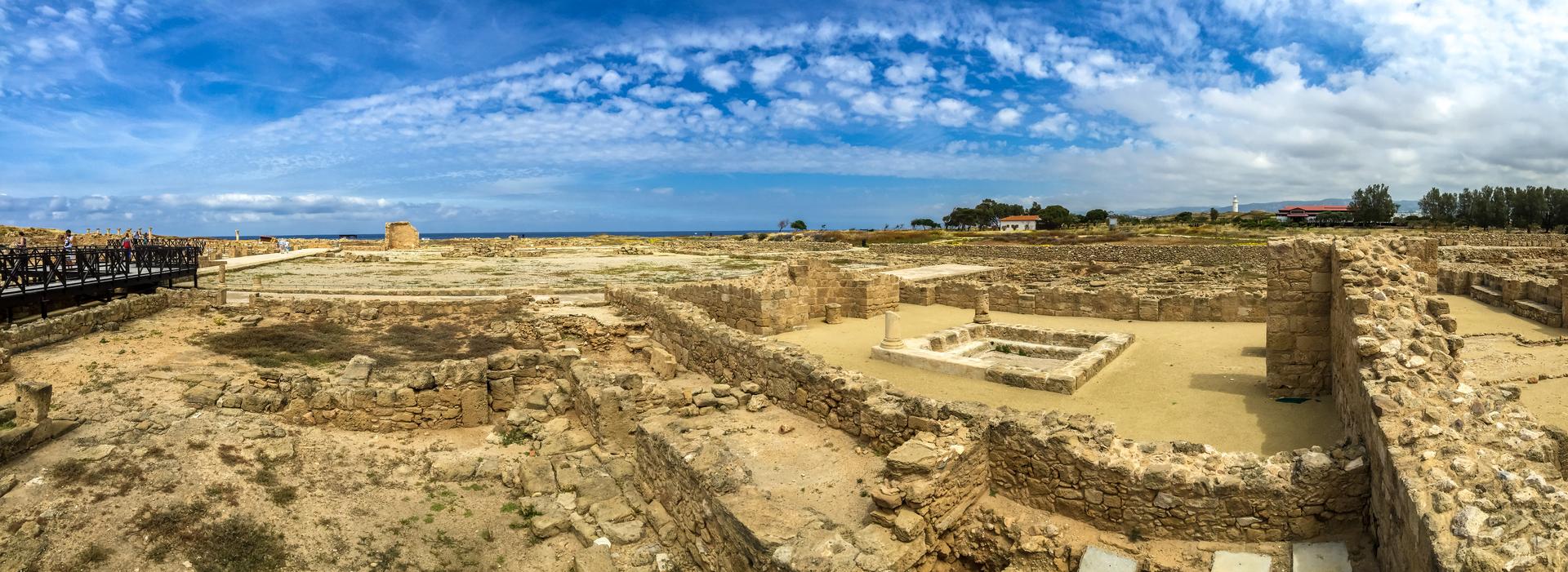
Looking beyond Ottoman Baths? Discover Kato Paphos for broader travel guides, local hot-spots, and regional highlights.
Explore Kato Paphos
Discover Paphos effortlessly! Glide through history and hidden gems on a fun and informative Segway tour. Certified Fun!

Start your Cyprus adventure at TT Motorcycle Rentals & Tours Paphos, where expertly-maintained bikes and local insight open the mountain roads and hidden gems of Troodos.
