Early Hellenistic Pebble Mosaic Floor, Kato Paphos Travel Guide
Discover the ancient artistry of the Early Hellenistic Pebble Mosaic Floor in Paphos, Cyprus, a captivating glimpse into Hellenistic artistry and mythology within a UNESCO World Heritage Site.
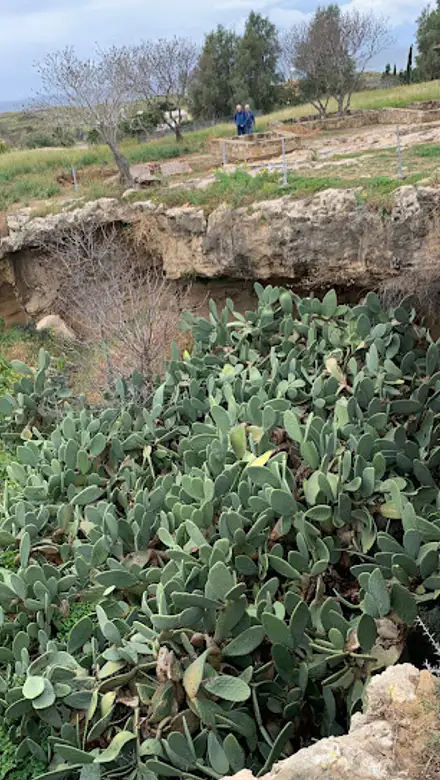
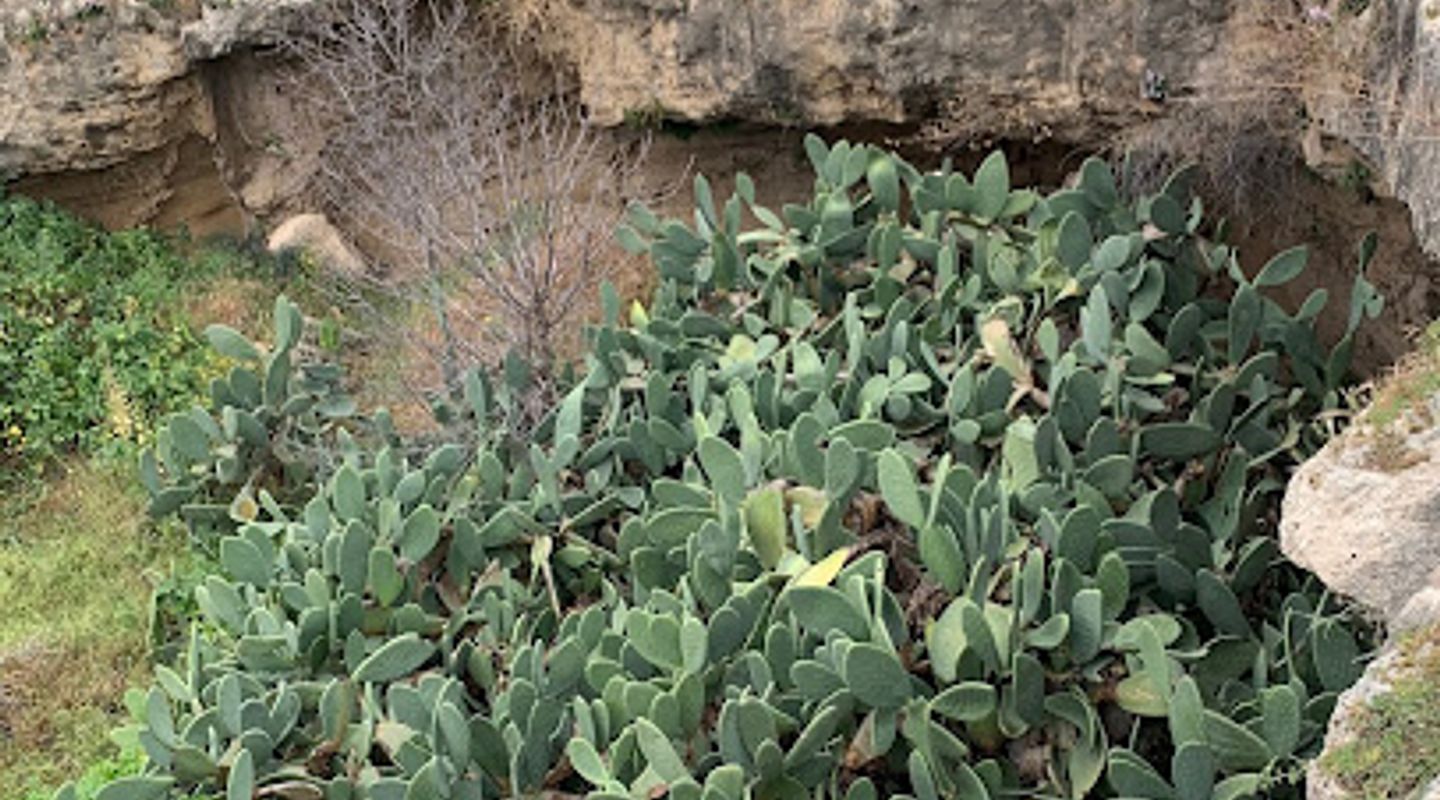
Step back in time and marvel at the Early Hellenistic Pebble Mosaic Floor, a captivating testament to ancient artistry nestled within the Paphos Archaeological Park, a UNESCO World Heritage Site. Dating back to the late 4th and early 3rd centuries BC, this remarkable mosaic offers a rare glimpse into the Hellenistic period, showcasing intricate designs crafted from vibrantly colored pebbles. Discovered within the larger complex of the House of Dionysus, the mosaic depicts the mythical sea monster Scylla and provides invaluable insight into the artistic and cultural landscape of ancient Cyprus. A visit here is a journey into the past, revealing the sophisticated craftsmanship and rich mythology that thrived in Paphos over two millennia ago. Combine your visit with other nearby historical sites for a fuller exploration of Paphos. Be sure to allocate enough time to absorb the historical context and significance of the mosaic. Ideal for history enthusiasts and casual tourists alike, this mosaic floor is a perfect stop on your journey through Paphos, adding depth to your exploration of Cyprus's rich history and heritage.
A brief summary to Early Hellenistic Pebble Mosaic Floor
- QC67+R6J, Paphos, CY

Know before you go
Hi, I'm Eve. Here are a few practical things to know before exploring Early Hellenistic Pebble Mosaic Floor.
- Visit early in the morning to avoid crowds and enjoy a more peaceful experience of the mosaic and the surrounding archaeological park.
- Wear comfortable shoes, as exploring the Paphos Archaeological Park involves a significant amount of walking on uneven terrain.
- Bring water and sun protection, especially during the summer months, as the archaeological site offers limited shade.
- Check for guided tours at the entrance for deeper insights into the history and significance of the mosaic and other monuments within the park.
- Combine your visit with other nearby historical sites in Paphos, such as the Tombs of the Kings or Paphos Castle, for a comprehensive exploration of the area's rich heritage.
Do you manage this location?
Take control to get all the benefits, like improved information, better appearance, and stronger visibility across AI-powered discovery. Learn more about listing your business on Evendo
Activate your presenceOther nearby places you may find interesting
The closest places of the same kind, if this one is not quite what you had in mind.


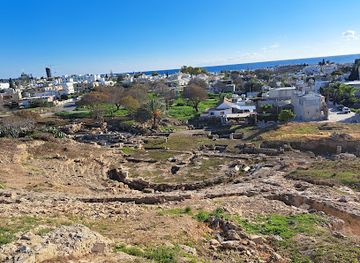
Explore Early Hellenistic Pebble Mosaic Floor on the Map
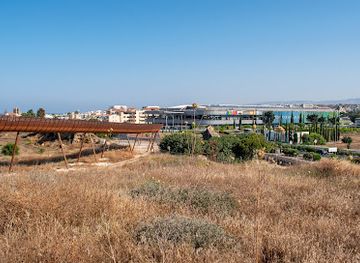
A handpicked selection of must-see spots near Early Hellenistic Pebble Mosaic Floor, mapped for you.
Getting There
-
Walking
From the Paphos Harbour area, head east along the waterfront promenade. Continue walking until you reach the Paphos Archaeological Park entrance, which is well-marked with signage. The Early Hellenistic Pebble Mosaic Floor is located within the archaeological site, a short walk from the entrance. The walk from the harbor takes approximately 15 minutes.
-
Public Transport
Take any bus that stops at 'Paphos Archaeological Park'. From the bus stop, walk east towards the park entrance. The Early Hellenistic Pebble Mosaic Floor is located inside the park, a few minutes' walk from the entrance. A single bus ticket costs €2 during the day (€3 at night), or a 24-hour ticket can be purchased for €6.50.
-
Taxi/Ride-Share
A taxi from anywhere in Kato Paphos to the Paphos Archaeological Park will be a short ride. Expect to pay a base fare of €3.42 plus €0.73 per kilometer during the day (06:00 to 20:30) or a base fare of €4.36 plus €0.85 per kilometer at night (20:30 to 06:00). The total fare should be approximately €6-€10 depending on the starting point and time of day.
Discover more about Early Hellenistic Pebble Mosaic Floor
More to explore near Early Hellenistic Pebble Mosaic Floor
-

Best experiences near Early Hellenistic Pebble Mosaic Floor
-

Best hotels near Early Hellenistic Pebble Mosaic Floor
-

Best landmarks near Early Hellenistic Pebble Mosaic Floor
-

Best shops near Early Hellenistic Pebble Mosaic Floor
-

Best restaurants near Early Hellenistic Pebble Mosaic Floor
-

Best bars near Early Hellenistic Pebble Mosaic Floor







Your all‑in‑one travel companion app
Explore expert travel guides, compare and book tours, experiences, hotels, and more—all from the palm of your hand. Download now for seamless trip planning wherever your wanderlust takes you.


Explore More of Kato Paphos
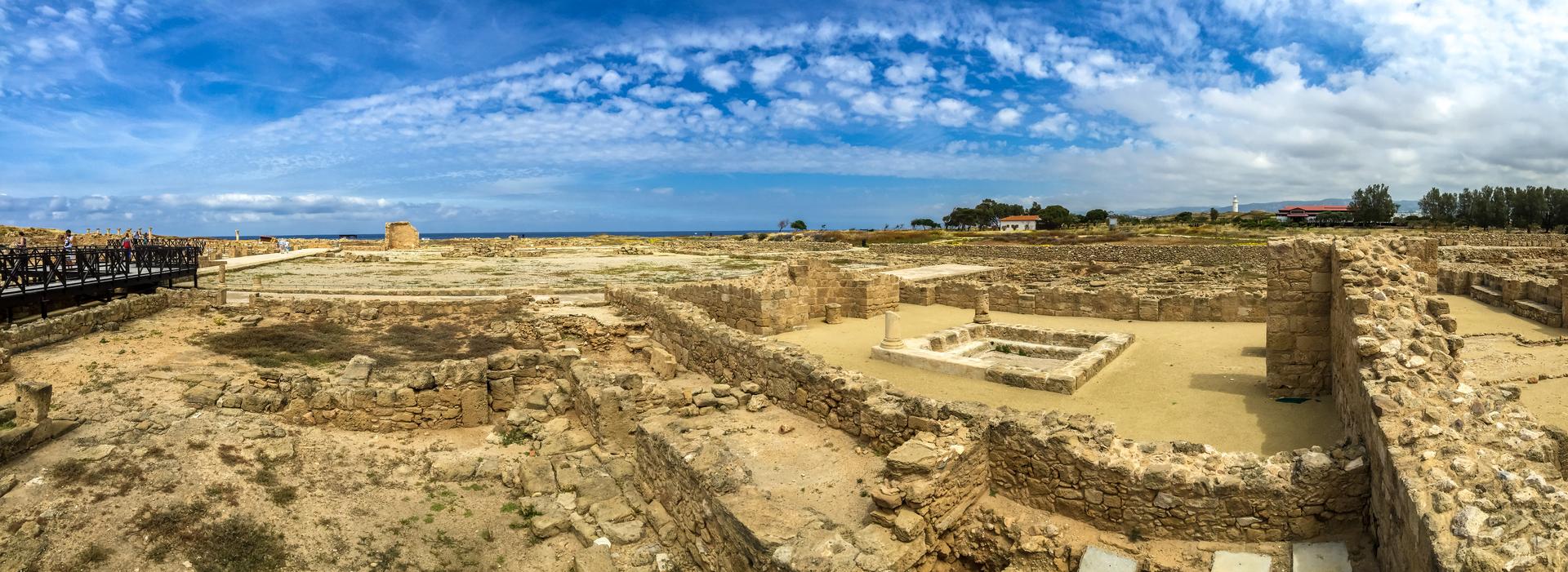
Looking beyond Early Hellenistic Pebble Mosaic Floor? Discover Kato Paphos for broader travel guides, local hot-spots, and regional highlights.
Explore Kato Paphos
Experience breathtaking panoramic views of Paphos from Fanari Hill, a must-see destination for nature lovers and photographers seeking serene beauty.
Discover the ancient artistry of the Early Hellenistic Pebble Mosaic Floor in Paphos Archaeological Park, a window into Cyprus' Hellenistic past.