Tomb 3, Kato Paphos Travel Guide
Free Guide: Explore Tomb 3 in Paphos: A journey into ancient Cypriot burial traditions and Hellenistic architecture within a UNESCO World Heritage site.


A brief summary of Tomb 3
Explore Tomb 3 in Paphos: A journey into ancient Cypriot burial traditions and Hellenistic architecture within a UNESCO World Heritage site.
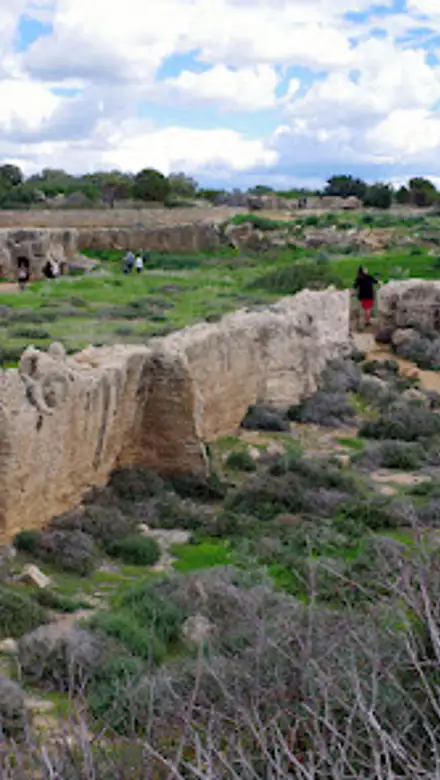
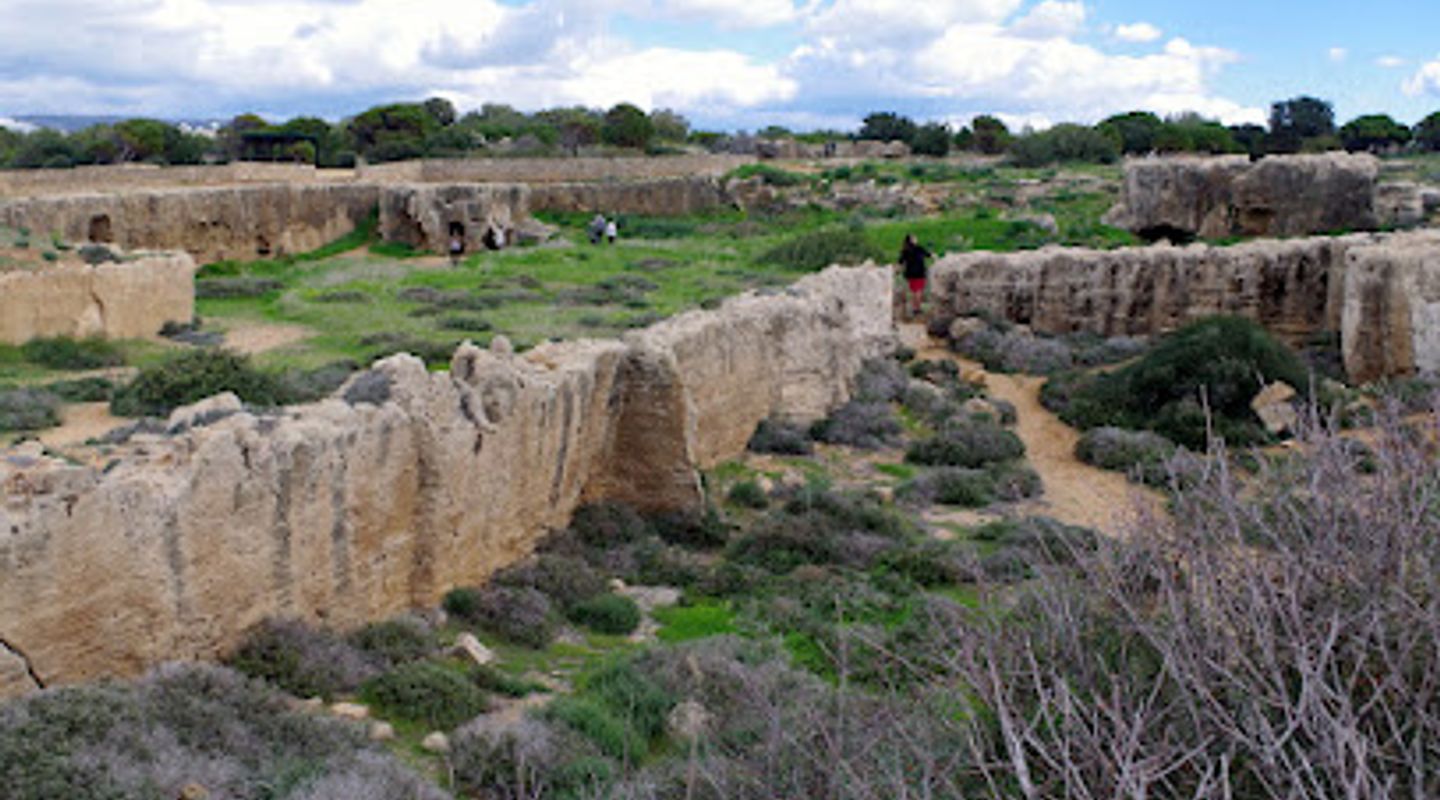
Tomb 3, located within the Tombs of the Kings necropolis in Paphos, Cyprus, offers a captivating glimpse into Hellenistic burial customs. Dating back to the 4th century BC, this rock-cut tomb features a well-preserved peristyle atrium surrounded by Doric columns, reflecting the architectural styles of the elite it once housed.
- Address
- QCG3+8XR, Paphos 8015, Cyprus
Getting there
Walking
Public Transport
Taxi
Discover more about Tomb 3
Overview
Tomb 3, nestled within the Tombs of the Kings necropolis, is a remarkable testament to ancient burial practices in Paphos, Cyprus. Dating back to the Hellenistic period (4th century BC to 3rd century AD), this site provides insights into the lives and customs of the elite who once inhabited this vibrant coastal city.The tomb's design is heavily influenced by Macedonian architecture, setting it apart from other local styles. The most striking feature is its well-preserved peristyle atrium, an open courtyard surrounded by Doric columns. This architectural style mirrors domestic designs, suggesting a belief in providing a home for the deceased in the afterlife. The columns themselves are simple, lacking bases, and support a frieze decorated with triglyphs and metopes.Excavations have revealed multiple burial chambers and pit-shaped tombs, some intended for children, indicating the tomb's use over several generations. While many of the original frescoes have been lost to time and looting, remnants can still be observed. Crosses etched into the plaster walls point to the tomb's possible reuse during early Christian times. Today, Tomb 3 stands as a UNESCO World Heritage site, with ongoing restoration efforts ensuring its preservation for future generations.
Evendo Review Centre
 Google
Guest reviews
Explore Tomb 3 on the map
A handpicked selection of must-see spots near Tomb 3, mapped for you.
Get your free copy of our complete guide to Tomb 3, delivered straight to you.
Everything on this page, from opening hours and how to get there to Eve’s tips and the best time to go, in one PDF you can read offline, print or share.
Already have an account? Sign in
Your Tomb 3 guide is ready.
We'll send it to · Not you? Sign out

Getting your guide ready…
We are putting together a fresh copy of the Tomb 3 guide. This can take up to a minute.
This can take a few moments. If your browser asks, choose Allow so the download can start. You'll find the guide in your Downloads folder.
Nothing happened? Download it again
Sorry, the guide is taking longer than usual. Please try again in a minute, or get it by email instead.
Other nearby places you may find interesting
The closest places of the same kind, if this one is not quite what you had in mind.
-
-
-
-
-


Swipe for more places
More to explore near Tomb 3

 Best experiences near Tomb 3
 Best hotels near Tomb 3
 Best landmarks near Tomb 3
 Best attractions near Tomb 3
 Best shops near Tomb 3
 Best restaurants near Tomb 3
 Best bars near Tomb 3
Do you manage this location?
Take control to get all the benefits, like improved information, better appearance, and stronger visibility across AI-powered discovery.
Explore more

Explore more of Kato Paphos
Discover Kato Paphos, where ancient history meets modern charm, and enjoy a vibrant waterfront, stunning natural landscapes, and a warm Mediterranean climate.
Explore Kato Paphos
Explore more of Cyprus
Discover Cyprus: A Mediterranean paradise with a rich tapestry of history, culture, and breathtaking landscapes, offering a perfect blend of relaxation and adventure.
Explore Cyprus