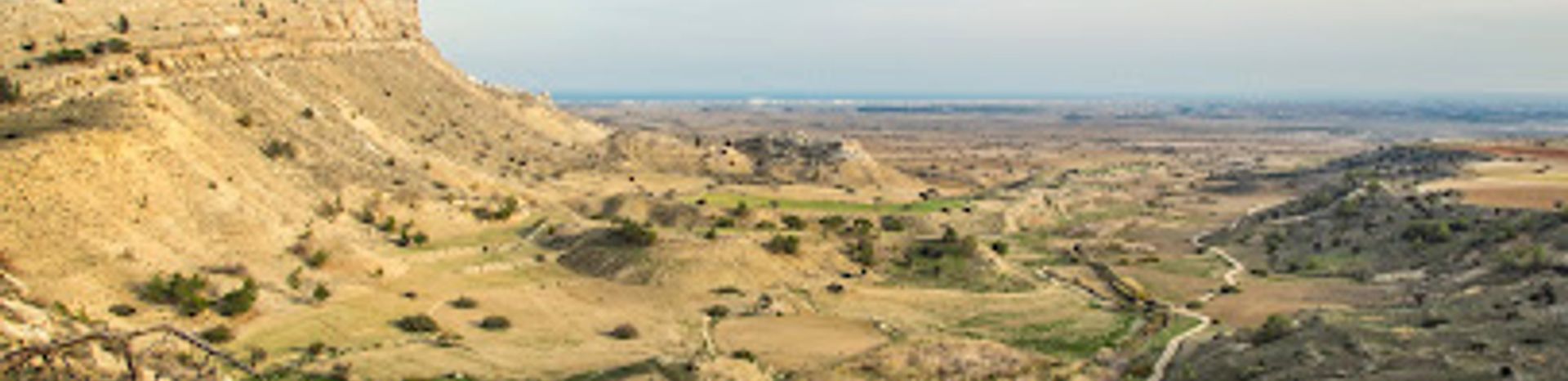
Incirli Cave: A Subterranean Wonder
Discover Incirli Cave: Northern Cyprus's geological wonder with stunning gypsum formations and a fascinating history, located near Çınarlı village.
Explore the depths of Incirli Cave in Northern Cyprus, a unique geological formation adorned with stalactites, stalagmites, and a rich history. Discovered by villagers searching for lost goats, the cave has also served as a hideout for thieves and even EOKA terrorists. Today, it's a popular destination for those seeking natural beauty and a touch of mystery.
A brief summary to Incirli Cave
- Çınarlı, North, CY
- +905338441755
Local tips
- Wear comfortable, closed-toe shoes as the cave floor can be uneven and slippery.
- Visit early in the morning or later in the afternoon to avoid crowds, especially during peak season.
- Bring a flashlight or headlamp for a better view of the cave's details, although the cave is illuminated.
- Be mindful not to touch the delicate gypsum formations to help preserve them.
- Combine your visit with a walk around Çınarlı village to experience local Cypriot culture.

Getting There
-
Driving
From Famagusta, take the E1 towards the Karpaz Peninsula. Look for signs to Çınarlı and Incirli Cave. Once in Çınarlı, follow the signs for approximately 2km to the cave. There is ample free parking available near the cave entrance.
-
Public Transport
From Famagusta, take a bus heading towards Çınarlı. Buses are infrequent, so check the schedule in advance. From the Çınarlı bus stop, it's approximately a 2km walk to Incirli Cave. Follow the signs or ask locals for directions. A single bus fare from Famagusta to Çınarlı is approximately 5-10 TRY.
Discover more about Incirli Cave
Iconic landmarks you can’t miss

Esentepe Cemetery
18.0 km
Discover the serene beauty of Esentepe Cemetery, a tranquil resting place rich in cultural heritage and historical significance in Cyprus.

Famagusta Bay
19.6 km
Discover Famagusta Bay: Golden beaches, crystal waters, and a rich history on the eastern coast of Cyprus.
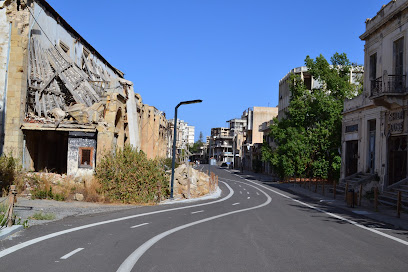
Korineum Golf & Beach Resort
23.0 km
Discover the perfect blend of luxury and recreation at Korineum Golf & Beach Resort in North Cyprus, featuring a stunning golf course and private beach.
Armenian Church
26.7 km
Discover the Armenian Church in Famagusta, a historical landmark showcasing Armenian heritage and resilience through its unique architecture and serene ambiance.
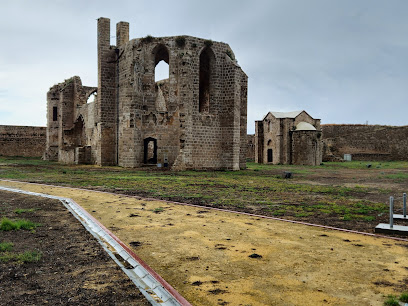
TANNERS' MOSQUE
26.8 km
Explore Tanners' Mosque, a historical landmark in Famagusta that showcases the unique blend of Gothic and Islamic architecture in Northern Cyprus.
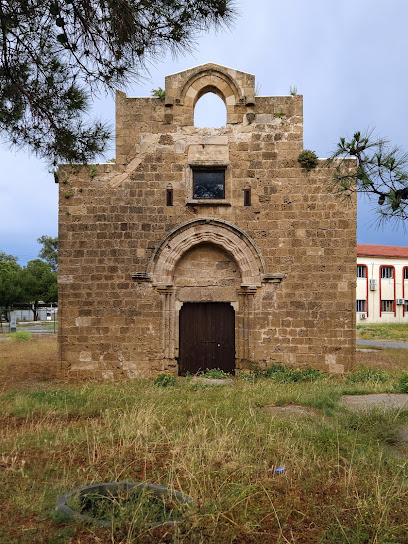
St. George Kserionos Church
27.0 km
Discover the rich history and serenity of St. George Kserionos Church in Famagusta, a must-see historical landmark showcasing Byzantine architecture.
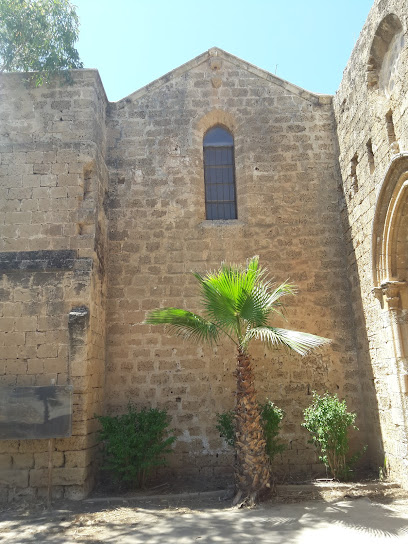
Othello Tower
27.1 km
Discover the rich history and stunning views of Othello Tower in Famagusta, a must-visit destination for history enthusiasts and travelers alike.
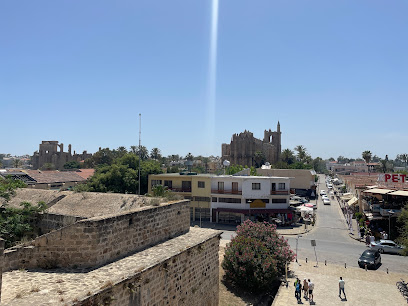
Venetian palace ruins
27.2 km
Discover the rich history and stunning architecture of the Venetian palace ruins in Famagusta, a captivating stop for history lovers and travelers alike.
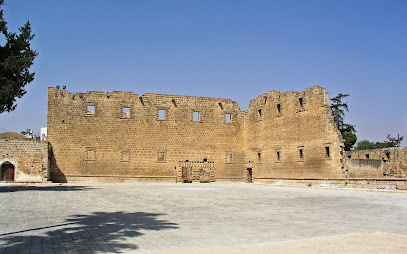
Mağusa Medresesi
27.2 km
Discover Mağusa Medresesi, a captivating historical landmark in Famagusta showcasing stunning architecture and rich cultural heritage.
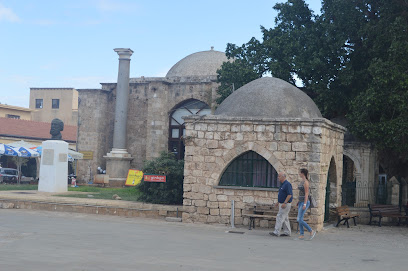
Ginkgo boom
27.2 km
Experience the Ginkgo Boom in Famagusta, a historical landmark that embodies the rich culture and heritage of Cyprus.
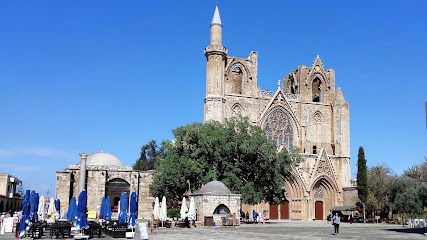
Lala Mustafa Pasha Mosque
27.2 km
Explore the stunning Lala Mustafa Pasha Mosque in Famagusta, a breathtaking example of Gothic architecture and a symbol of Cyprus's rich cultural heritage.
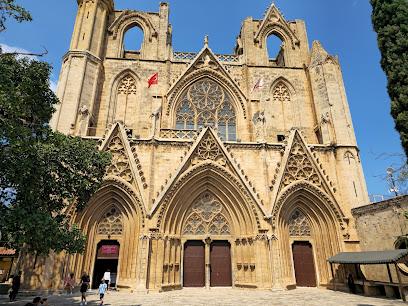
FAMAGUSTA WALLED CITY ASSOCIATION (MASDER)
27.3 km
Discover the rich history and vibrant culture of Famagusta at the Walled City Association, where heritage meets charming boutique shops.
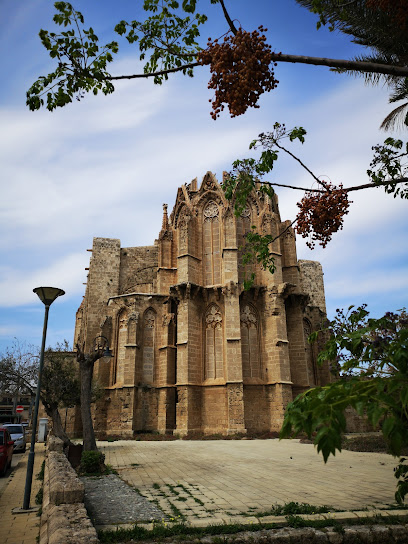
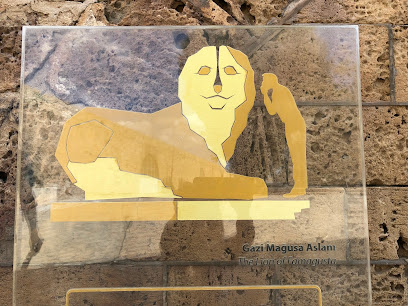
The Lion Of Famagusta
27.3 km
Discover the Lion of Famagusta, a symbol of Venetian power and enduring legacy in the heart of Cyprus's historical Gazimağusa.
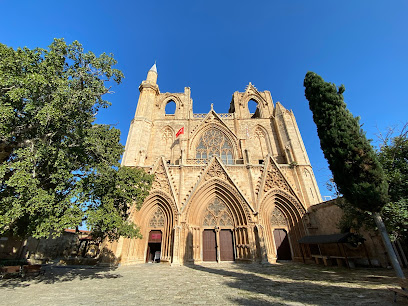
Famagusta Castle Arcade
27.3 km
Explore Famagusta Castle Arcade for a unique blend of shopping, dining, and cultural experiences in the heart of Cyprus.
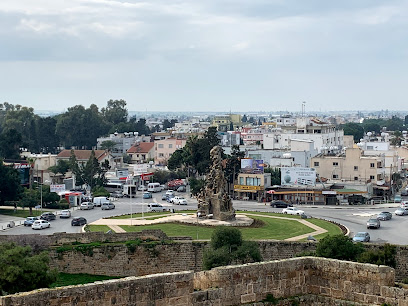
Ravelin Bastion
27.4 km
Discover the historical marvel of Ravelin Bastion in Famagusta, where ancient architecture meets breathtaking views in Northern Cyprus.
Unmissable attractions to see

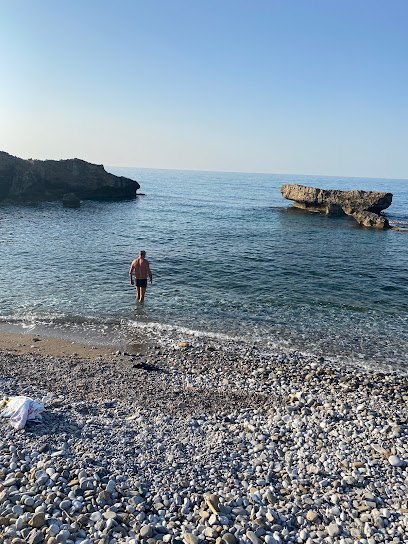
Plaża Yali
8.6 km
Discover the serene beauty of Plaża Yali in Tatlısu, Cyprus: golden sands, turquoise waters, and breathtaking sunsets await on this tranquil coastal escape. A perfect Mediterranean paradise.
Minia Kıbrıs
9.0 km
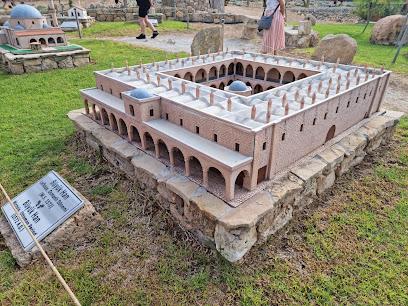
Discover Cyprus's rich history and architectural wonders in miniature form at Minia Cyprus, an enchanting open-air museum in Tatlısu, offering a unique cultural experience for all ages.
Atlılar Katliam Çukuru
13.2 km
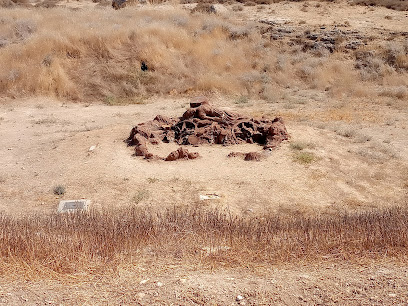
A poignant memorial site in Northern Cyprus, commemorating the victims of the 1974 Atlılar massacre and promoting peace and reconciliation on the island.
Blue View Point
13.6 km
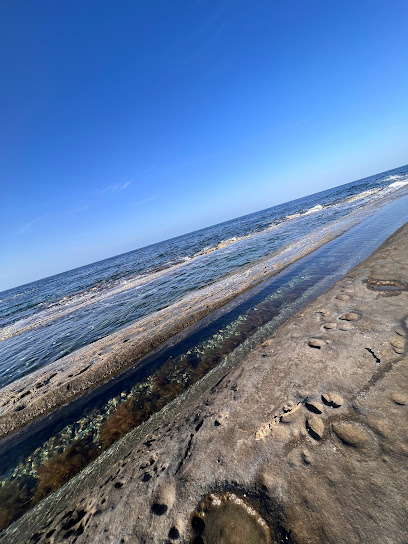
Discover breathtaking panoramic views of the Mediterranean Sea at Blue View Point in Bahçeli, Northern Cyprus, a serene escape for nature lovers and photographers.
Kantara Castle
16.6 km
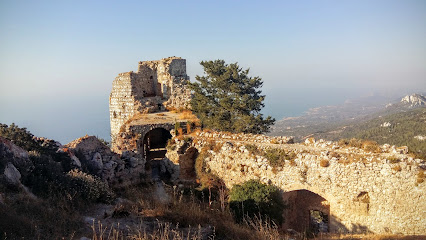
Discover the enchanting beauty and rich history of Kantara Castle, a stunning historical site in Cyprus offering breathtaking views and captivating stories.
Boğaz Harbour
16.7 km
Discover the serene beauty of Boğaz Harbour in Northern Cyprus, where crystal-clear waters meet authentic Cypriot charm, offering a tranquil escape and a taste of local life.
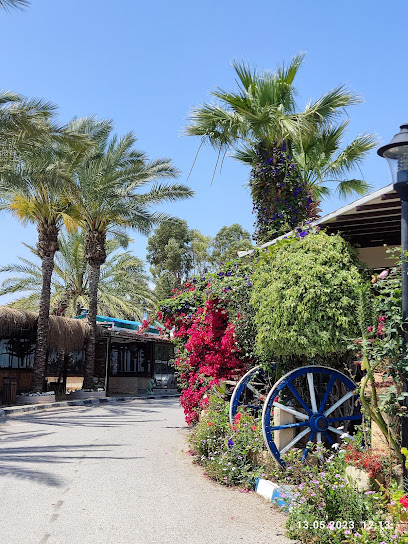
Koca Reis Beach
18.0 km
Discover Koca Reis Beach in Yeni Boğaziçi, Northern Cyprus: a tranquil coastal escape with sandy shores, gentle waters, and authentic local flavors near ancient Salamis.
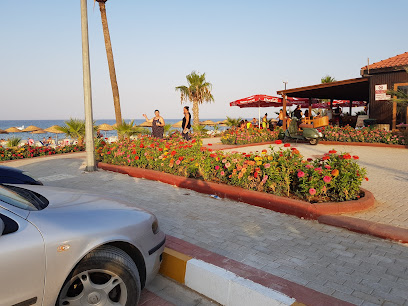
İskele Kalecik Halk Plajı
18.8 km
Discover İskele Kalecik Halk Plajı, a serene Cypriot escape with golden sands and turquoise waters, perfect for relaxation, family fun, and exploring nearby historical sites.
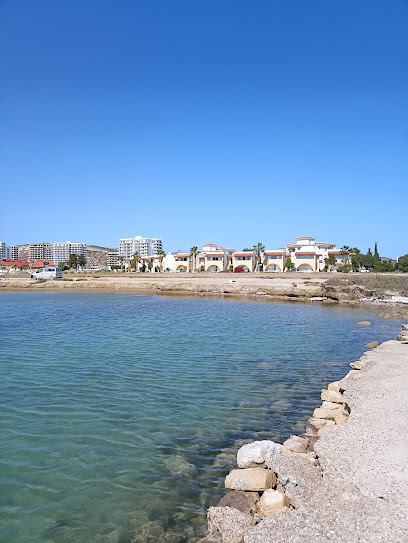
Beşparmak Cruise Place
19.1 km
Discover the serene beauty of Beşparmak Cruise Place in Kyrenia, Northern Cyprus, where majestic mountains meet the crystal-clear Mediterranean, offering unforgettable adventures and cultural experiences.
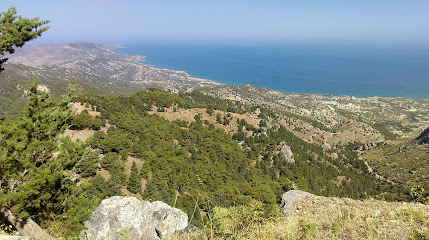
Mushroom Beach
19.3 km
Discover the enchanting Mushroom Beach in Kalecik, Cyprus, where unique rock formations meet crystal-clear waters for a serene and unforgettable coastal escape, perfect for nature lovers.
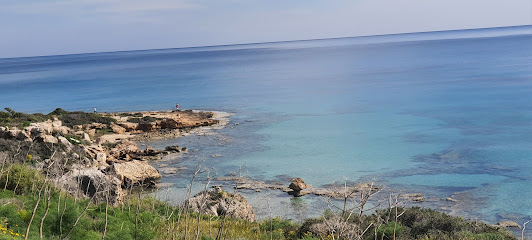
Saint Barnabas Monastery
19.5 km
Explore the historical and spiritual beauty of Saint Barnabas Monastery, a captivating destination in Tuzla, Cyprus, blending art, culture, and serenity.
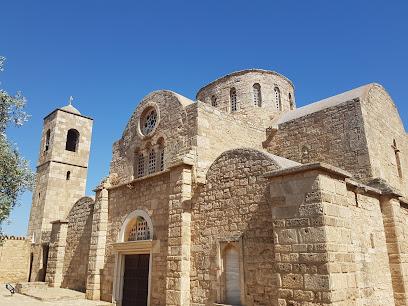
Salami beach
19.7 km
Discover Salami Beach in Yeni Boğaziçi: A serene Mediterranean escape where golden sands meet crystal waters, steps away from the ancient city of Salamis.
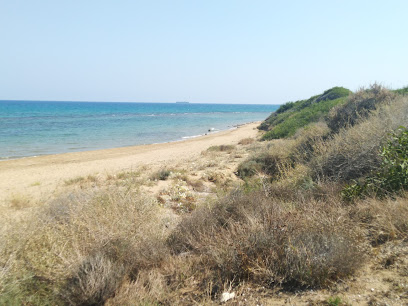
Rakht tou Katsoura Forest
21.9 km
Escape to the serene Rakht tou Katsoura Forest in Northern Cyprus, where lush greenery, diverse wildlife, and tranquil trails offer an unforgettable natural retreat near the charming village of Büyükkonuk.

Saint Magar Monastery
22.8 km
Discover the serene beauty and rich heritage of Saint Magar Monastery, a hidden gem in Karaagaç, Cyprus, perfect for cultural exploration and tranquility in a historic Armenian site.
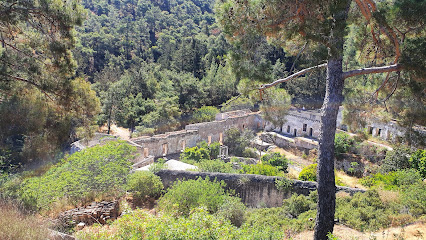
Kyrenia mountains view point
24.0 km
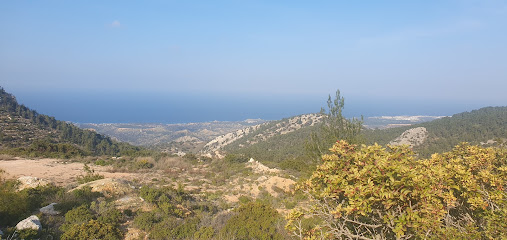
Discover breathtaking panoramic views and serene hiking trails at the Kyrenia Mountains View Point, a must-see attraction offering an escape into the natural beauty of Northern Cyprus.
Essential places to dine

Samanlık Meyhanesi
7.4 km
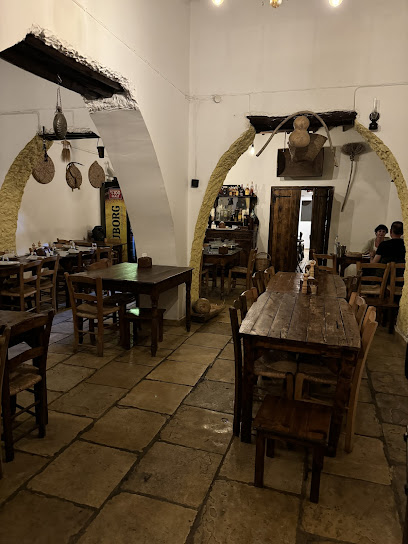
Experience the heart of Turkish cuisine at Samanlık Meyhanesi in Akova, where every meal tells a story.
Satin Bay Restaurant
8.9 km
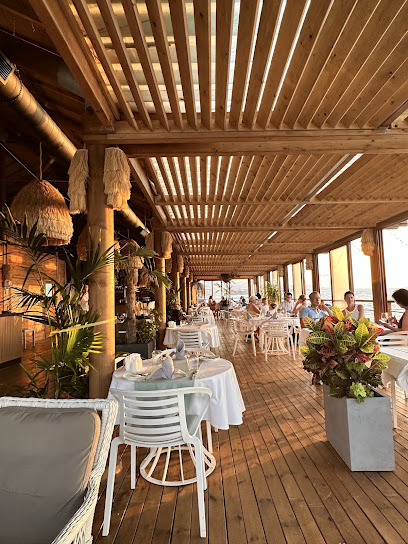
Discover exquisite flavors at Satin Bay Restaurant in Tatlısu, Cyprus – where every meal is a celebration of local cuisine.
Eagle's Nest Restaurant and Beach Bar
10.0 km
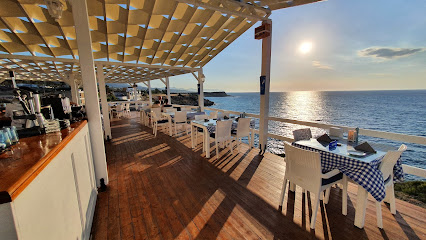
Discover Eagle's Nest Restaurant & Beach Bar - where exquisite flavors meet breathtaking coastal views in Tatlısu.
Seabreeze bar rest
10.3 km
Experience authentic Cypriot cuisine at Seabreeze Bar Rest in Tatlısu, where delightful flavors meet breathtaking sea views.
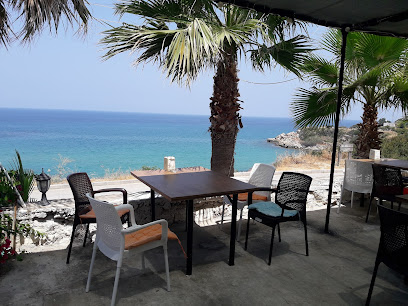
Padideh Cyprus Restaurant
10.4 km
Experience authentic Asian flavors at Padideh Cyprus Restaurant in Sınırüstü – where culinary excellence meets warm hospitality.
Asmalı Bahçe Restoran
12.0 km
Discover authentic Cypriot flavors at Asmalı Bahçe Restoran in Yeni İskele - where every meal tells a story.
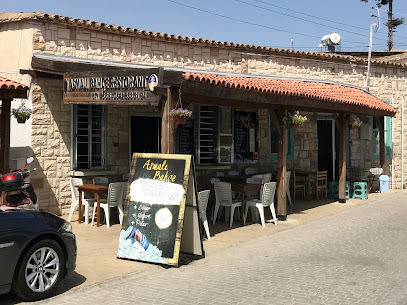
Gassabo Steak House & Ocakbaşı
12.9 km
Experience authentic Turkish grilling at Gassabo Steak House & Ocakbaşı in Yeni İskele – where flavor meets tradition.
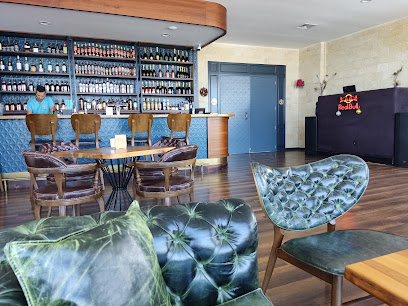
Caleo Fine Dining Restaurant
13.8 km
Discover exquisite flavors at Caleo Fine Dining Restaurant in Yeni İskele – where culinary excellence meets breathtaking ambiance.
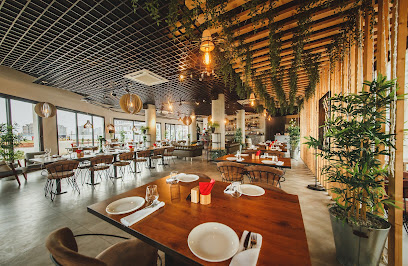
Courtyard Delicious
13.9 km
Experience exceptional dining at Courtyard Delicious in Long Beach - where local flavors meet international cuisine amidst stunning surroundings.
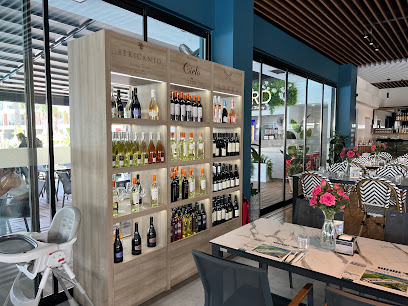
Sushinn
14.2 km
Savor authentic Japanese cuisine at Sushinn in Yeni İskele – home to exquisite sushi and delightful flavors.
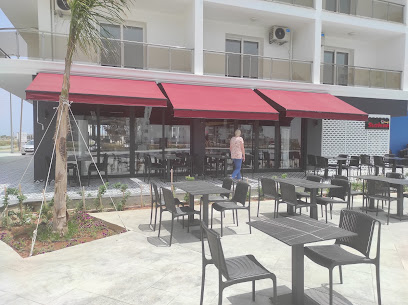
Narin Eatery
14.2 km
Discover the essence of Cypriot cuisine at Narin Eatery in Yeni İskele – where every dish tells a story.
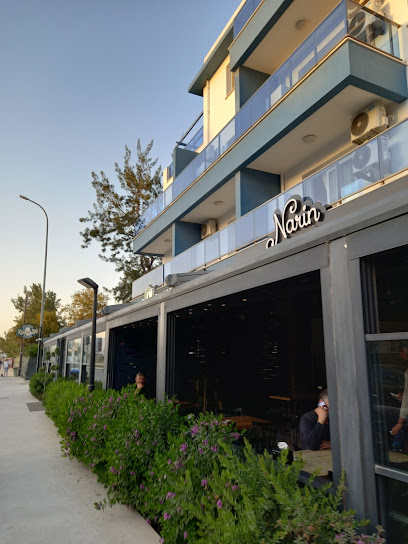
OHANA family restaurant
14.3 km
Experience family-friendly dining at OHANA Restaurant in Yeni İskele, where delicious food meets warm hospitality in North Cyprus.
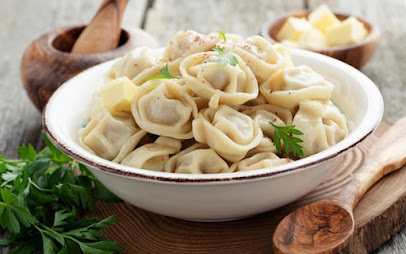
Seasons Restaurant
14.5 km
Experience exquisite dining at Seasons Restaurant in Yeni İskele—where Mediterranean flavors meet stunning coastal views.
LOKKUM RESTAURANT
14.6 km
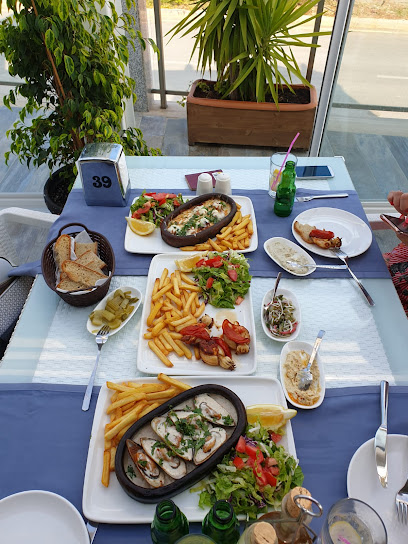
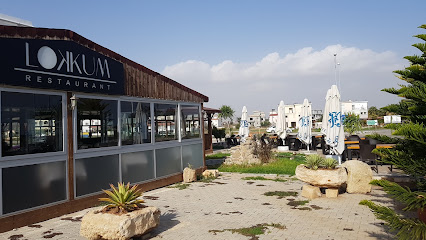
Experience exquisite dining at Lokkum Restaurant in Yeni İskele – where local flavors meet international cuisine in a vibrant setting.
MACKENZİ BAY
14.7 km
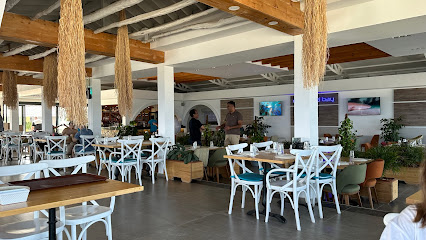
Experience culinary excellence at Mackenzi Bay - where breathtaking views meet delectable Mediterranean and seafood dishes.
Markets, malls and hidden boutiques

Remzi Market
7.9 km
Discover the essence of Cypriot culture at Remzi Market, a vibrant supermarket filled with local delicacies and fresh produce.
Kayabey Market
7.9 km
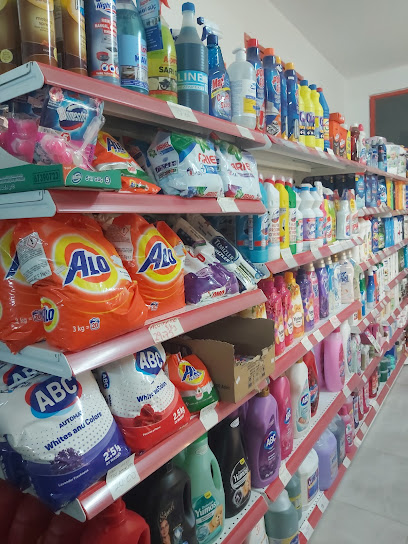
Explore Kayabey Market in Gazimağusa for an authentic taste of local life and culture, featuring fresh produce and traditional Cypriot products.
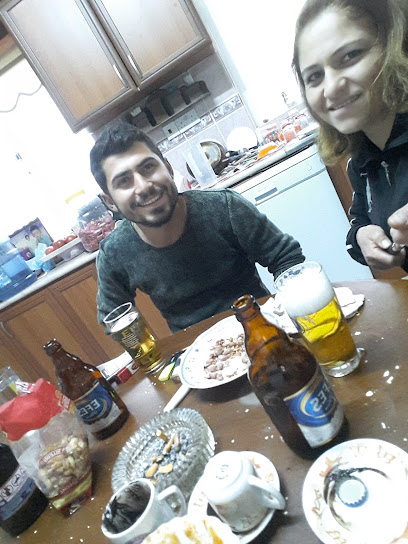
Anfora Avm
10.3 km
Explore Anfora Avm in Yeni İskele for a unique shopping experience that combines retail therapy with local culture and dining options.
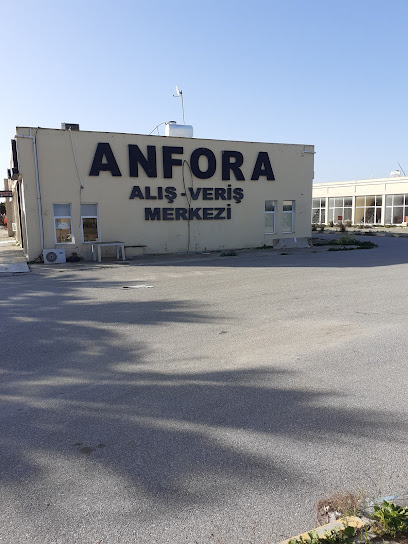
Marda Tekstil Çarşısı
10.4 km
Experience the cultural tapestry of Cyprus at Marda Tekstil Çarşısı, a vibrant textile market perfect for unique shopping and local craftsmanship.
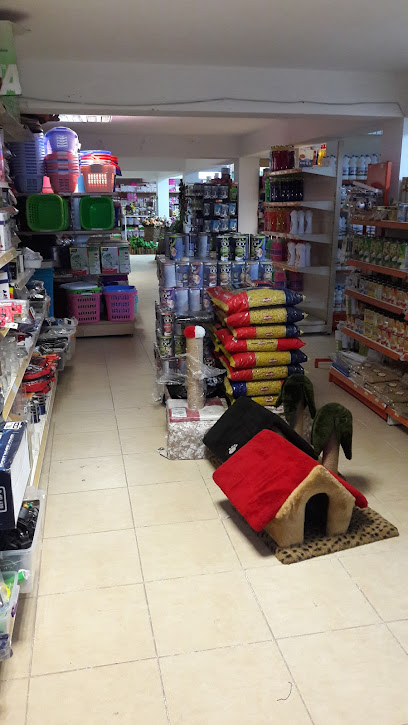
1001 Çeşit
10.4 km
Explore a treasure trove of unique souvenirs and local handicrafts at 1001 Çeşit, the quintessential gift shop in Sınırüstü.
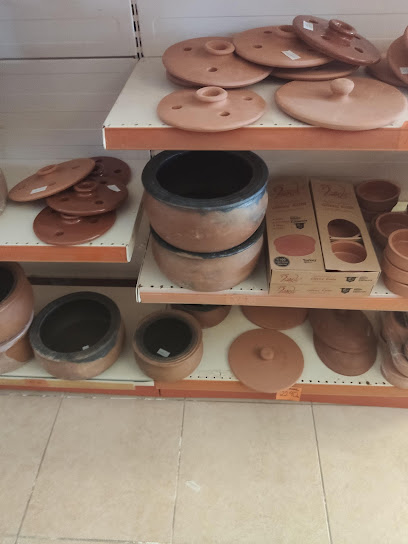
İlarma Supermarket 2
22.9 km
Discover İlarma Supermarket 2, a bustling shopping destination in Famagusta, offering local goods, fresh produce, and a taste of Cypriot culture.
OWL Wear
24.2 km
Explore OWL Wear in Famagusta for trendy dresses and unique fashion pieces that showcase local craftsmanship and style.

ÖDÜL Butik
24.7 km
Explore ÖDÜL Butik in Famagusta for unique fashion pieces that reflect local culture and style, perfect for tourists seeking memorable souvenirs.
Serena AVM
25.2 km
Discover the latest fashion trends and unique styles at Serena AVM, your go-to clothing store in Famagusta.
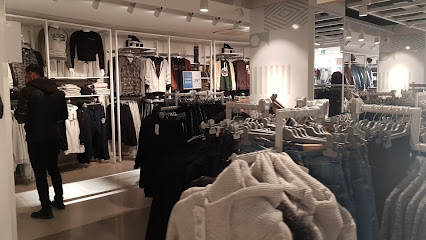
Old City Mağusa
25.2 km
Explore Old City Mağusa: A premier watch and sunglasses store in Famagusta, combining quality products with a rich cultural experience.

Purple Rain Famagusta
25.4 km
Discover the latest trends and styles at Purple Rain Famagusta, where fashion meets elegance in the heart of Cyprus.

Oops Kıbrıs - Macro AVM
25.5 km
Explore Oops Kıbrıs - Macro AVM for unique gifts and local crafts that capture the essence of Cyprus, perfect for every traveler.

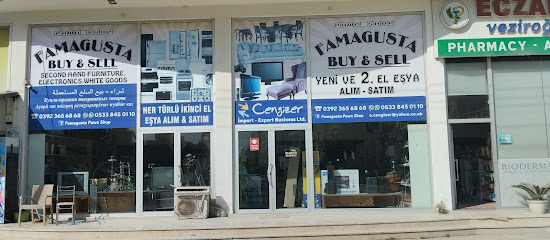
Famagusta Pawn Shop
25.7 km
Explore Famagusta Pawn Shop for unique secondhand treasures and vintage furniture that tell a story.
Metin Market
25.8 km
Experience the colorful Metin Market in Famagusta, a shopping haven blending local culture, unique shops, and delightful cuisine.
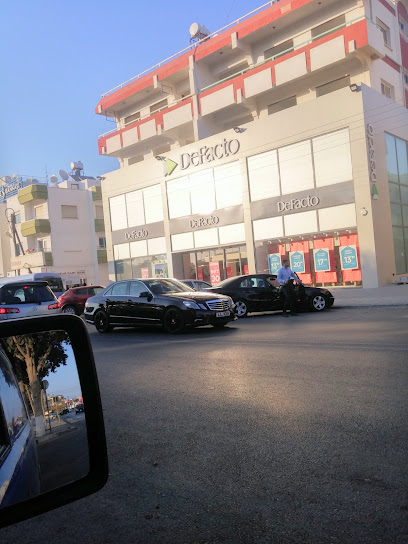
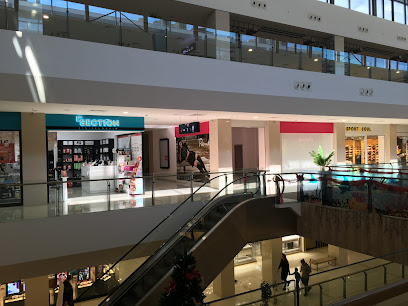
City Mall
26.1 km
Discover an exceptional shopping experience at City Mall in Famagusta, featuring diverse stores, delicious dining, and entertainment for all ages.
Essential bars & hidden hideouts

Roots Bar
10.7 km
Experience the vibrant coastal charm of Roots Bar in Tatlısu, where refreshing drinks and local culture create unforgettable moments.
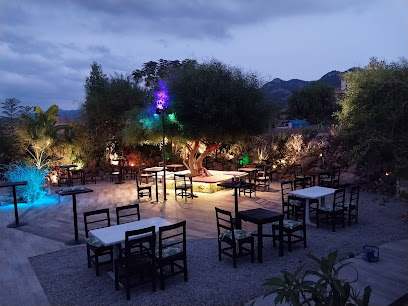
Sherlock English Pub
12.9 km
Experience the warmth of Sherlock English Pub in Yeni İskele, a perfect spot for travelers seeking relaxation and local flavors.
Bros & Beers Sports Bar
13.7 km
Experience the thrill of sports at Bros & Beers Sports Bar in Yeni İskele, a vibrant venue for fans and great food.
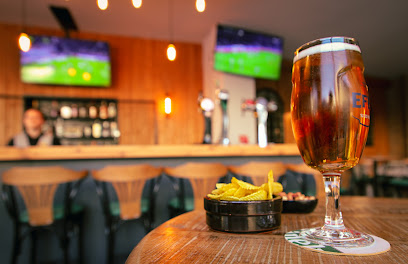
Vino Wine Bar & Tapas
13.8 km
Discover Vino Wine Bar & Tapas in Yeni İskele, where exquisite wines and delightful tapas create an unforgettable dining experience.
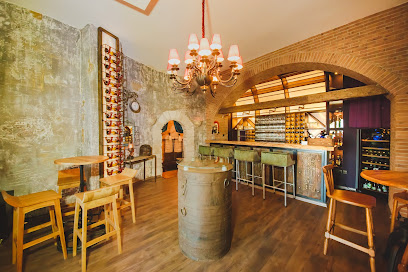
Pamukkale Lounge & Bar
13.8 km
Discover the tranquility of Pamukkale Lounge & Bar in the heart of Cyprus, where relaxation meets local charm amidst stunning views.
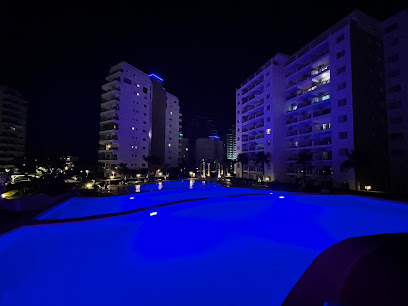
Courtyard Sports Bar
14.0 km
Experience the vibrant atmosphere at Courtyard Sports Bar in Yeni İskele, where great drinks and friendly faces come together.
Crow's Pub
14.1 km
Discover the inviting atmosphere of Crow's Pub in Yeni İskele, where great drinks and local culture come together for an unforgettable experience.
LastPort Pub
14.2 km
Experience the vibrant nightlife at LastPort Pub in Yeni İskele, where great drinks and a cozy atmosphere await.
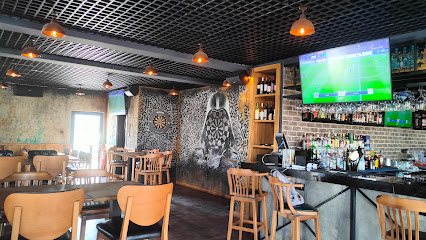
Skyline Lounge & Bar
14.2 km
Discover the vibrant nightlife and exquisite dining at Skyline Lounge & Bar, the ultimate spot for relaxation and socializing in North.
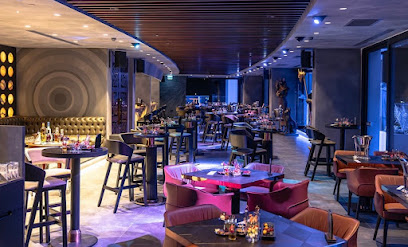
Locale Sports Bar
14.2 km
Experience the vibrant atmosphere of Locale Sports Bar in Yeni İskele, where sports, food, and great company come together for an unforgettable time.
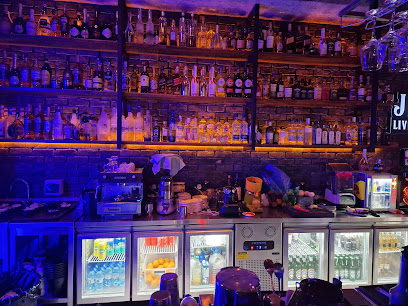
ZANOZA BAR
14.5 km
Discover the heart of Yeni İskele nightlife at Zanoza Bar, where cocktails and camaraderie come together for an unforgettable experience.
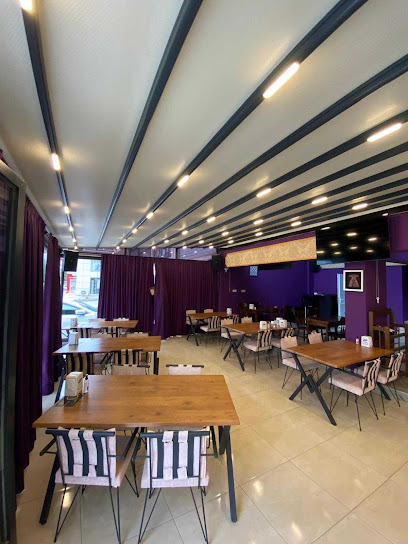
Lush Long Beach
14.9 km
Experience the perfect blend of relaxation and refreshment at Lush Long Beach, a coastal bar offering stunning views and a vibrant atmosphere.
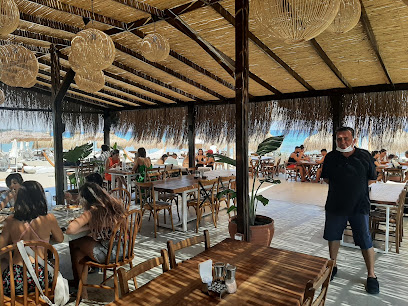
Kuzzy Bar
17.5 km
Experience the vibrant atmosphere and affordable drinks at Kuzzy Bar in Kyrenia, the perfect spot for socializing and relaxation.
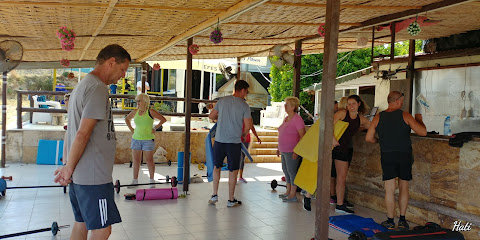
Caesar beach bar
18.4 km
Experience the ultimate relaxation at Caesar Beach Bar, where stunning views and refreshing cocktails await you in beautiful Boğaz, Cyprus.
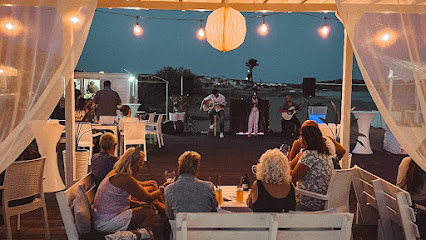
Bedi's Beach Bar
19.6 km
Discover the perfect beachside retreat at Bedi's Beach Bar, offering refreshing drinks, delicious food, and stunning views in Yeni Boğaziçi.
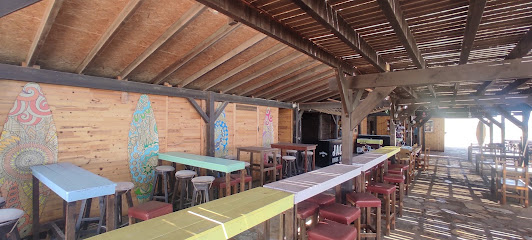
Nightclubs & after hour spots

Flo_rida Beach Club
16.6 km
Discover the electrifying nightlife at Flo_rida Beach Club in Boğaz, where stunning views and vibrant music create unforgettable memories.
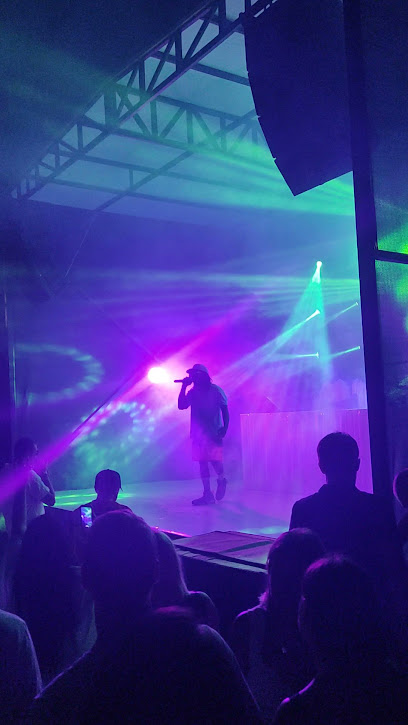
Gazabilanca Night Club
17.2 km
Dive into the vibrant nightlife of Korkuteli at Gazabilanca Night Club, where music and dance unite for an unforgettable experience.
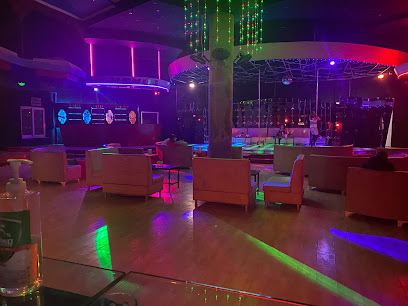
VELVET ROOM
21.2 km
Discover Tuzla's nightlife at Velvet Room, a dynamic disco club featuring pulsating music, exquisite cocktails, and an electrifying atmosphere.
Keops Club
21.3 km
Dive into the electrifying nightlife of Famagusta at Keops Club, where music, dance, and socializing come alive in a vibrant atmosphere.
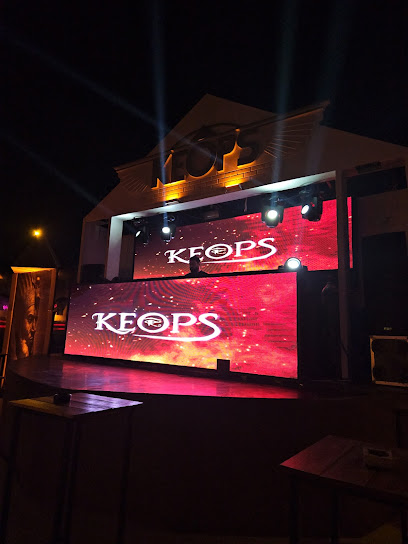
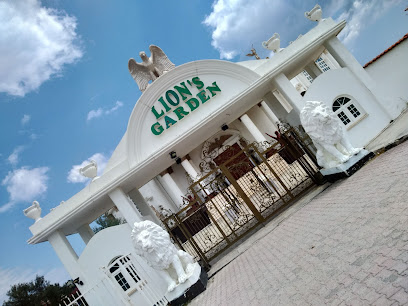
Lion's Garden
21.5 km
Experience Tuzla's nightlife at Lion's Garden, the ultimate night club for dancing, live music, and unforgettable memories.
VIBES CITY
22.3 km
Experience the vibrant nightlife at VIBES CITY, Famagusta's top destination for dancing, music, and unforgettable nights out.
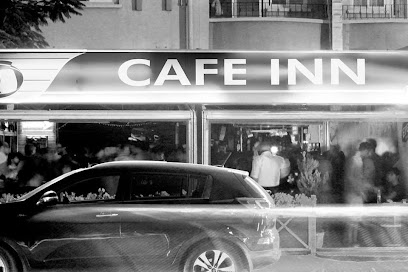
Cafe Inn Lounge
25.1 km
Experience the warmth and charm of Famagusta at Cafe Inn Lounge, where delightful food meets a cozy atmosphere.
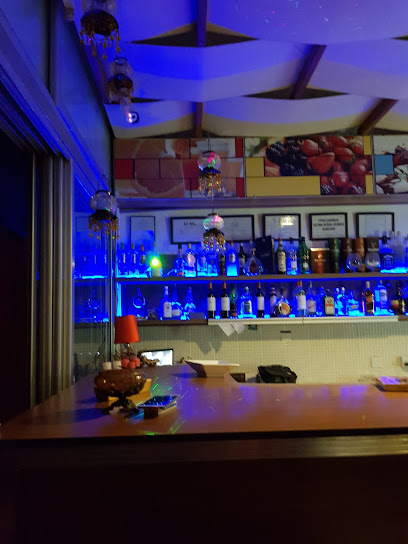
Club Basement Bar
26.9 km
Discover the heart of Famagusta's nightlife at Club Basement Bar, where great drinks and lively entertainment await.
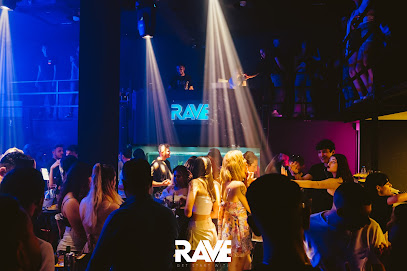
Rave Club
27.1 km
Experience the electrifying nightlife of Famagusta at Rave Club, where vibrant music and unforgettable moments await every reveler.
club masquerade cyprus
27.8 km
Dance the night away at Club Masquerade in Famagusta, Cyprus, where vibrant music and an electrifying atmosphere await.
Funky Night Club
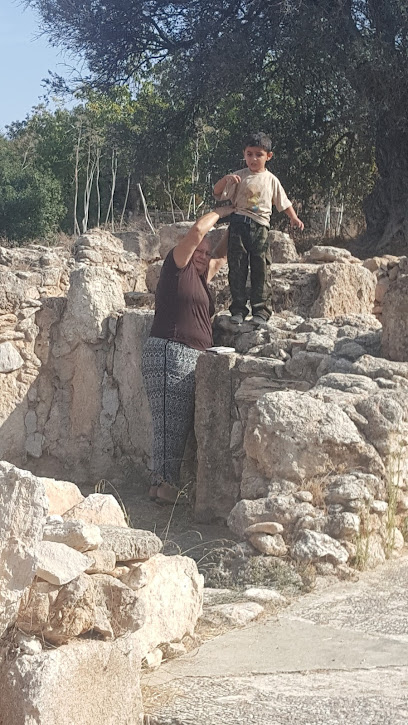
29.3 km
Dive into the nightlife at Funky Night Club, Famagusta's premier destination for dancing, music, and unforgettable nights out.

Chamada Club Girne
33.4 km
Experience the electrifying nightlife at Chamada Club Girne, a premier destination in Çatalköy, Cyprus, where unforgettable memories await every night.

Escape night club
35.8 km
Experience vibrant nightlife at Escape Night Club in Pyla, where music, dancing, and unforgettable memories come alive.
Cage Club
36.7 km
Experience the electric nightlife of Cyprus at Cage Club, where top DJs and vibrant ambiance keep the party alive until dawn.
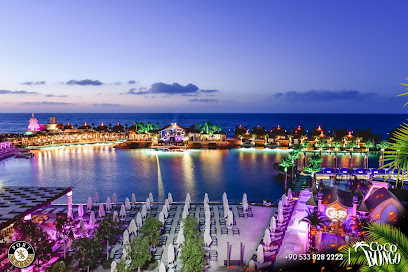
Coco Bongo Island
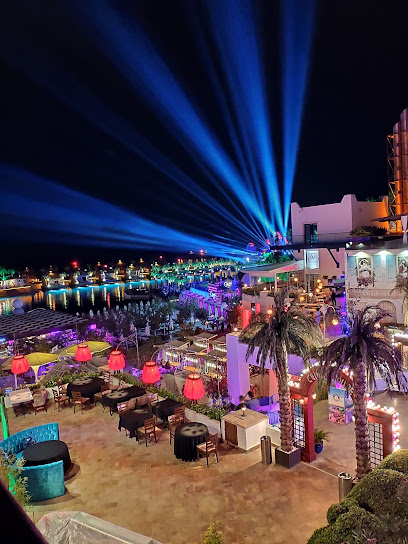
36.7 km
Discover the vibrant nightlife of Coco Bongo Island in Çatalköy, where unforgettable performances and a lively atmosphere await every visitor.