Saint Magar Monastery Travel Guide
Free Guide: Discover the serene beauty and rich heritage of Saint Magar Monastery, a hidden gem in Karaagaç, Cyprus, perfect for cultural exploration and tranquility in a historic Armenian site.


A brief summary of Saint Magar Monastery
Discover the serene beauty and rich heritage of Saint Magar Monastery, a hidden gem in Karaagaç, Cyprus, perfect for cultural exploration and tranquility in a historic Armenian site.
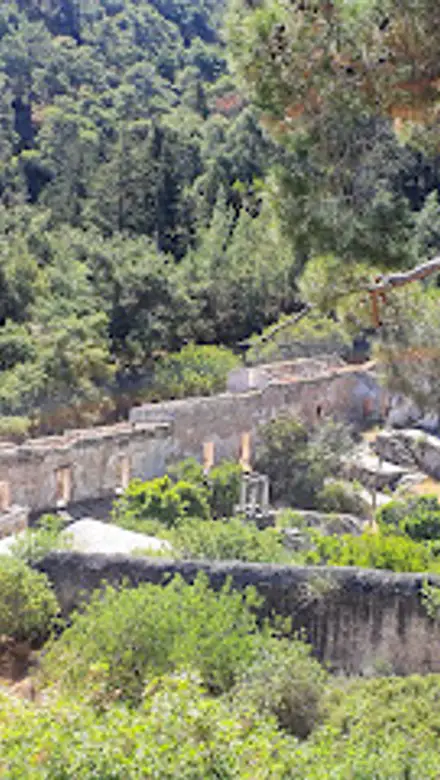
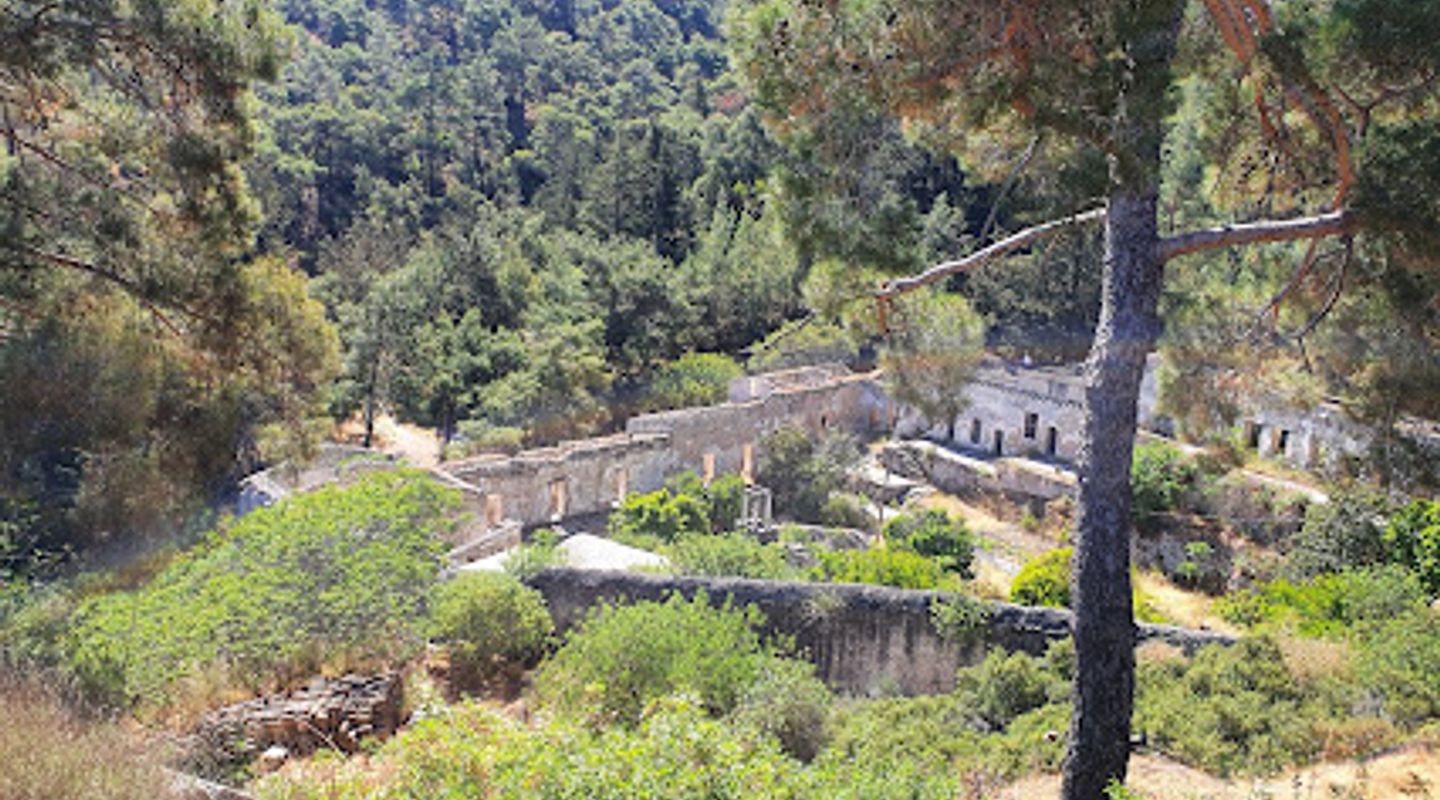
Nestled in the serene landscape of Karaagaç, Cyprus, Saint Magar Monastery, also known as Magaravank, offers a captivating blend of historical intrigue and natural beauty. Originally established in the 11th century by Coptic Christians and later embraced by the Armenian community in the 15th century, this monastery has served as a spiritual haven and a resting place for pilgrims for centuries. Though now in a state of picturesque ruin, its rich history whispers through the stone walls and tranquil grounds, inviting visitors to explore its architectural remnants, imagine its vibrant past, and soak in the breathtaking views of the surrounding mountains and coastline. A visit here is a poignant reminder of Cyprus's diverse cultural heritage and a chance to experience a unique sense of peace and reflection away from the bustling modern world. The monastery's location, high in the Pentadaktylos Mountains, provides stunning panoramic views, making the journey worthwhile for history enthusiasts and nature lovers alike.
- Address
- 7GPC+XR9, Karaagaç 99410
Getting there
Driving
Taxi/Ride-Share
Public Transport
Discover more about Saint Magar Monastery
Overview
Saint Magar Monastery, or Magaravank, stands as a testament to the rich tapestry of Cypriot history, bearing witness to the island's diverse cultural and religious influences. Located near Karaagaç, high within the Pentadaktylos mountain range, this Armenian monastery offers visitors a unique opportunity to step back in time and explore a site of profound historical and spiritual significance. Originally founded in the 11th century by Coptic Christians, the monastery was dedicated to Saint Macarius of Alexandria. The Copts, an Egyptian Christian community, established a presence here, carving out a place of worship and contemplation amidst the rugged landscape. Around the 15th century, the monastery transitioned into the hands of the Armenian community, becoming an integral part of their religious and cultural heritage in Cyprus. The exact circumstances of this transfer remain shrouded in mystery, adding to the site's enigmatic allure. Under Armenian stewardship, Sourp Magar, also known as the Blue Monastery due to the color of its doors and windows, flourished as a vital center for religious life and pilgrimage. Its strategic location made it a favored stopover for Armenian pilgrims en route to Jerusalem, offering respite and spiritual nourishment along their arduous journey. The monastery also served as a summer retreat for the Armenian community in Nicosia, providing a tranquil escape from the heat of the city. Throughout the centuries, Sourp Magar witnessed the rise and fall of empires, enduring Venetian and Ottoman rule. The monastery played a crucial role in preserving Armenian culture and identity during periods of upheaval and uncertainty. It housed a rich collection of manuscripts and sacred items, safeguarding the intellectual and spiritual heritage of the Armenian people. These treasures were later relocated to the Holy See of Cilicia in 1947, ensuring their preservation for future generations. In the early 20th century, as the Ottoman Empire crumbled and Armenians faced persecution, Sourp Magar opened its doors to refugees and orphans, providing shelter and sustenance to those in need. The monastery's lands, encompassing thousands of acres, were cultivated to feed the hungry, demonstrating the community's resilience and commitment to social welfare. Sadly, the Turkish Peace Operation in 1974 marked a turning point for Sourp Magar. The monastery was abandoned, and its buildings fell into disrepair. Despite attempts to restore the site for secular use, the Armenian Church authorities have not granted permission, and the monastery remains a poignant reminder of a bygone era. Today, Sourp Magar stands as a picturesque ruin, its weathered stone walls and crumbling arches telling tales of faith, resilience, and cultural exchange. Visitors can explore the remains of the monastery complex, including the two small churches or chapels that stand side-by-side in the central courtyard. The largest chapel, built in 1814, still retains its vault, offering a glimpse into the monastery's architectural grandeur. The residential buildings, constructed around an irregular rectangle, showcase late medieval domestic architecture, providing valuable insights into the daily lives of the monks and pilgrims who once inhabited these spaces. The simple arcade below and the walkway above evoke a sense of serenity and contemplation. As you wander through the monastery grounds, you can still see the remains of an orchard, a testament to the self-sufficiency and agricultural practices of the monastic community. The distant views from the monastery are breathtaking, offering panoramic vistas of the surrounding landscape and the Mediterranean Sea. Visiting Sourp Magar is an immersive experience that engages the senses and stirs the imagination. The tranquil atmosphere, the historical significance, and the stunning natural beauty combine to create a truly unforgettable journey. Whether you are a history enthusiast, a nature lover, or simply seeking a moment of peace and reflection, Sourp Magar Monastery offers a unique and enriching experience that will leave a lasting impression. While exploring the site, be mindful of the ongoing restoration efforts and the need to preserve this cultural landmark for future generations. Respect the historical significance of the site and avoid disturbing the ruins. Take your time to soak in the atmosphere, imagine the lives of those who once walked these grounds, and appreciate the enduring legacy of Sourp Magar Monastery. To fully appreciate the historical context of Sourp Magar, consider exploring other nearby attractions, such as the mountain road that leads from the Five Finger Mountain to Alevkaya. This scenic route offers stunning views of the surrounding landscape and provides a glimpse into the region's natural beauty. Additionally, the Herbarium located next to the forest Fire Station is worth a visit. Sourp Magar Monastery is more than just a collection of ruins; it is a living testament to the enduring power of faith, culture, and community. Its story is interwoven with the history of Cyprus, the Armenian people, and the countless pilgrims who sought solace and inspiration within its walls. A visit to Sourp Magar is a journey through time, a celebration of cultural heritage, and a reminder of the importance of preserving our shared past.
Evendo Review Centre
 Google
Guest reviews
Explore Saint Magar Monastery on the map
A handpicked selection of must-see spots near Saint Magar Monastery, mapped for you.
Get your free copy of our complete guide to Saint Magar Monastery, delivered straight to you.
Everything on this page, from opening hours and how to get there to Eve’s tips and the best time to go, in one PDF you can read offline, print or share.
Already have an account? Sign in
Your Saint Magar Monastery guide is ready.
We'll send it to · Not you? Sign out

Getting your guide ready…
We are putting together a fresh copy of the Saint Magar Monastery guide. This can take up to a minute.
This can take a few moments. If your browser asks, choose Allow so the download can start. You'll find the guide in your Downloads folder.
Nothing happened? Download it again
Sorry, the guide is taking longer than usual. Please try again in a minute, or get it by email instead.
Other nearby places you may find interesting
The closest places of the same kind, if this one is not quite what you had in mind.
-
-
-
-
-


Swipe for more places
More to explore near Saint Magar Monastery

 Best experiences near Saint Magar Monastery
 Best hotels near Saint Magar Monastery
 Best landmarks near Saint Magar Monastery
 Best attractions near Saint Magar Monastery
 Best shops near Saint Magar Monastery
 Best restaurants near Saint Magar Monastery
 Best bars near Saint Magar Monastery
Do you manage this location?
Take control to get all the benefits, like improved information, better appearance, and stronger visibility across AI-powered discovery.
Explore more

Explore more of Famagusta District
Discover Famagusta District: A blend of ancient ruins, stunning beaches, and charming villages in the heart of Cyprus.
Explore Famagusta District
Explore more of Cyprus
Discover Cyprus: A Mediterranean paradise with a rich tapestry of history, culture, and breathtaking landscapes, offering a perfect blend of relaxation and adventure.
Explore Cyprus