Armenian Church of Famagusta: A Testament to Resilience
Discover the Armenian Church in Famagusta, a historical landmark showcasing Armenian heritage and resilience through its unique architecture and serene ambiance.
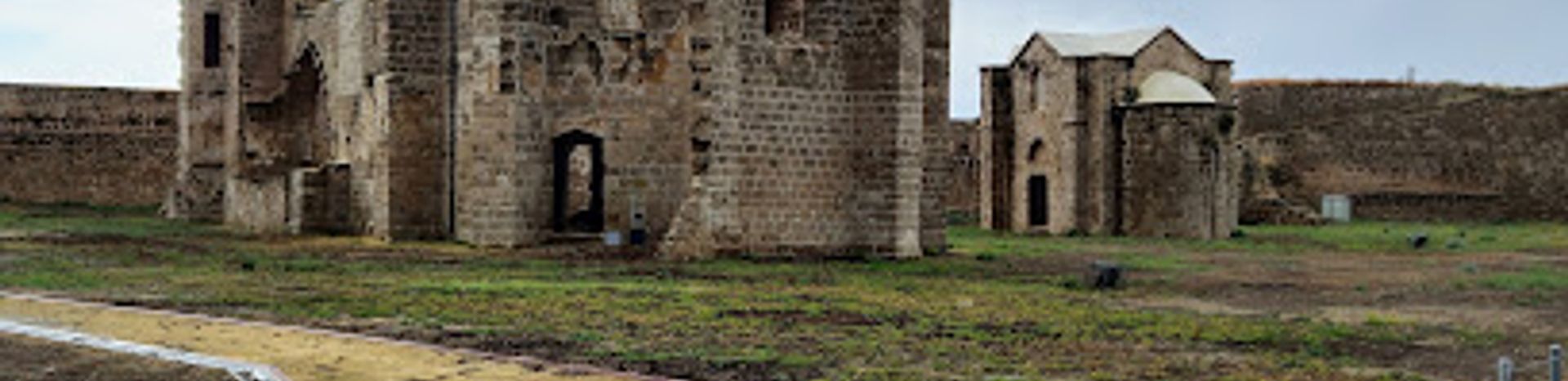
The Armenian Church, also known as Ganchvor Sourp Asdvadzadzin, stands as a symbol of Armenian heritage in Famagusta. Built in 1346 by Armenian refugees, this modest yet elegant structure reflects traditional Armenian architecture blended with Cypriot craftsmanship.
A brief summary to Armenian Church
- 4WGP+WGQ, Server Somuncuoglu Sk, Famagusta, Suriçi, CY
Local tips
- Explore the surrounding area to discover other historical sites within Famagusta's walled city.
- Look closely at the exterior walls to find the carved crosses left by pilgrims.
- Take your time to appreciate the blend of Armenian and Cypriot architectural styles.

Getting There
-
Walking
From the Famagusta City Walls, head south on Salamis Road towards the city center. Turn left onto Atatürk Avenue and continue straight. The Armenian Church is located further down Server Somuncuoglu Street on the right. The walk is approximately 20 minutes.
-
Public Transport
Buses and shared taxis (Dolmuş) are available in Famagusta. Check local routes and schedules for the nearest stop to Server Somuncuoglu Street. Bus tickets can be purchased on the bus. A single ride is relatively inexpensive.
-
Taxi
Taxis are readily available throughout Famagusta. Agree on the fare before starting your journey. A short taxi ride within the city center will likely cost around €6.00 base fee, plus €1.00 per kilometer.
Discover more about Armenian Church
Iconic landmarks you can’t miss

Armenian Church
0.0 km
Discover the Armenian Church in Famagusta, a historical landmark showcasing Armenian heritage and resilience through its unique architecture and serene ambiance.
TANNERS' MOSQUE
0.1 km
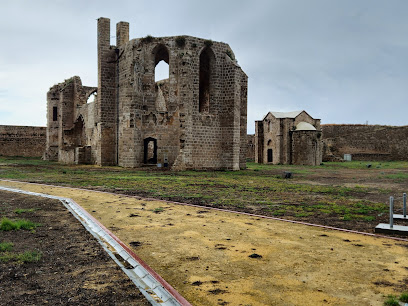
Explore Tanners' Mosque, a historical landmark in Famagusta that showcases the unique blend of Gothic and Islamic architecture in Northern Cyprus.
St. George Kserionos Church
0.3 km
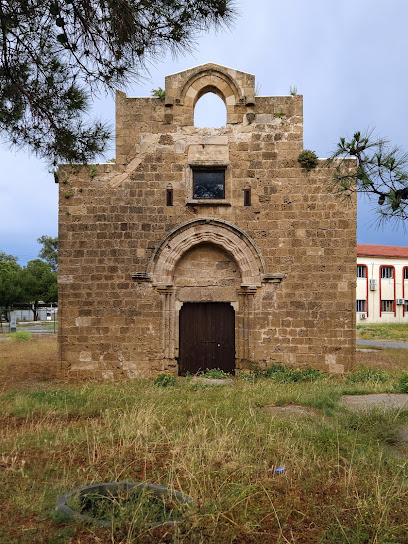
Discover the rich history and serenity of St. George Kserionos Church in Famagusta, a must-see historical landmark showcasing Byzantine architecture.
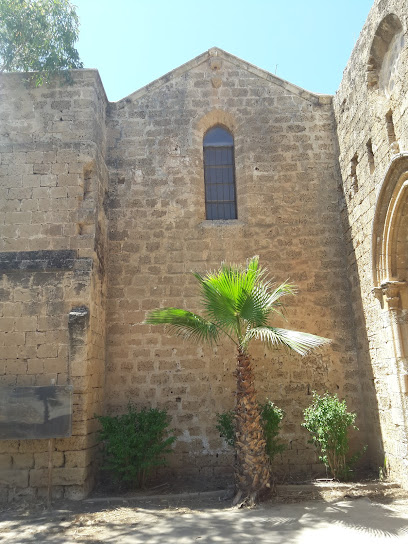
Venetian palace ruins
0.5 km
Discover the rich history and stunning architecture of the Venetian palace ruins in Famagusta, a captivating stop for history lovers and travelers alike.
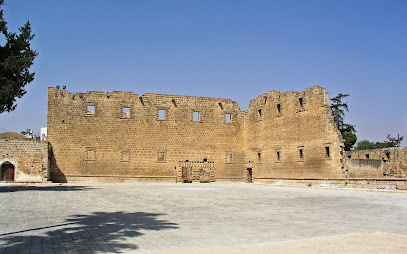
Mağusa Medresesi
0.6 km
Discover Mağusa Medresesi, a captivating historical landmark in Famagusta showcasing stunning architecture and rich cultural heritage.
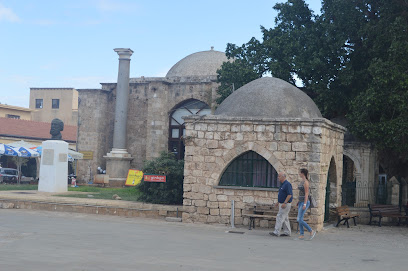
Ginkgo boom
0.6 km
Experience the Ginkgo Boom in Famagusta, a historical landmark that embodies the rich culture and heritage of Cyprus.
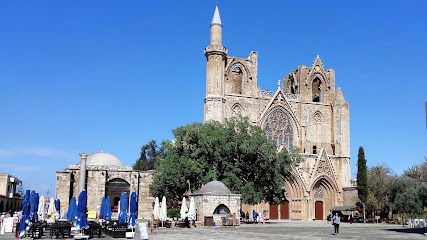
Lala Mustafa Pasha Mosque
0.6 km
Explore the stunning Lala Mustafa Pasha Mosque in Famagusta, a breathtaking example of Gothic architecture and a symbol of Cyprus's rich cultural heritage.
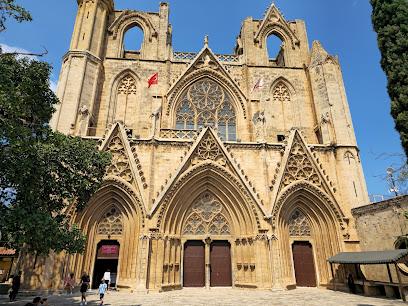
Famagusta Castle Arcade
0.7 km
Explore Famagusta Castle Arcade for a unique blend of shopping, dining, and cultural experiences in the heart of Cyprus.
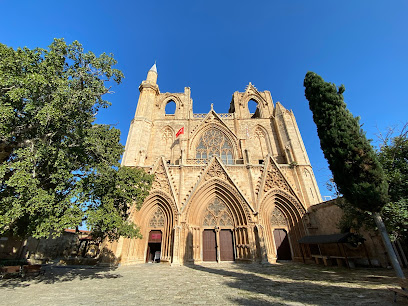
Othello Tower
0.7 km
Discover the rich history and stunning views of Othello Tower in Famagusta, a must-visit destination for history enthusiasts and travelers alike.
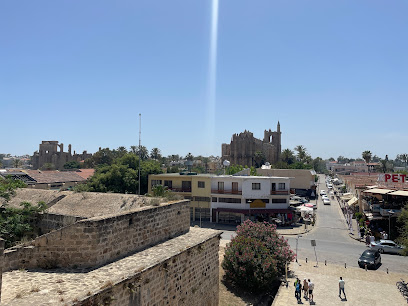
FAMAGUSTA WALLED CITY ASSOCIATION (MASDER)
0.7 km
Discover the rich history and vibrant culture of Famagusta at the Walled City Association, where heritage meets charming boutique shops.
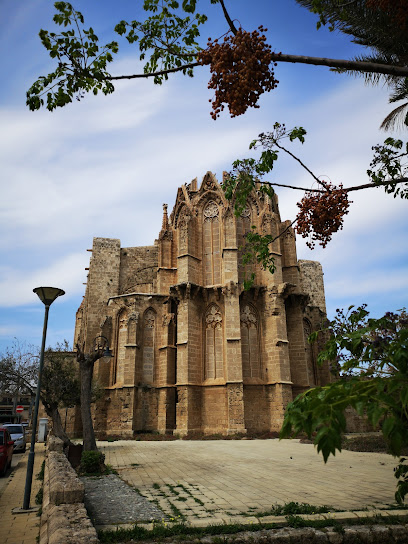
Ravelin Bastion
0.7 km
Discover the historical marvel of Ravelin Bastion in Famagusta, where ancient architecture meets breathtaking views in Northern Cyprus.
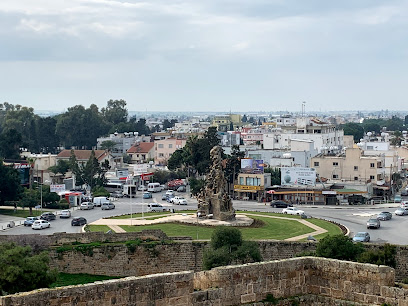
Famagusta
0.7 km
Explore the historical charm and breathtaking beaches of Famagusta, a captivating coastal city in Cyprus rich in culture and heritage.
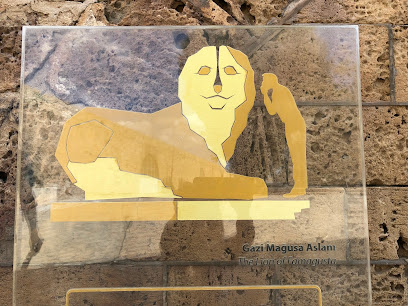
The Lion Of Famagusta
0.8 km
Discover the Lion of Famagusta, a symbol of Venetian power and enduring legacy in the heart of Cyprus's historical Gazimağusa.
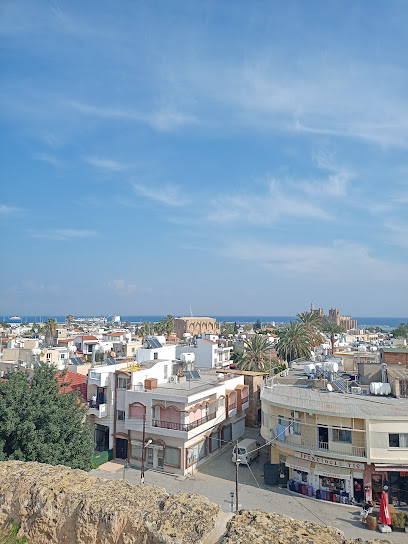
GaziMağusa Anıtı
0.8 km
Explore the historical significance of GaziMağusa Anıtı, a captivating landmark in Famagusta that showcases Cyprus's rich cultural heritage.
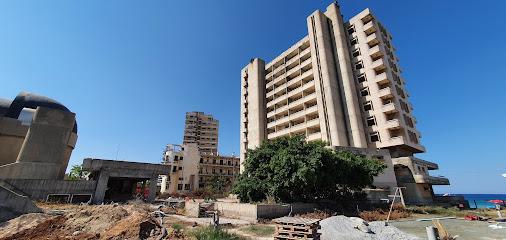
Palm Beach
2.2 km
Discover the enchanting Palm Beach, a historical landmark in Famagusta, where stunning views meet rich cultural heritage for an unforgettable experience.
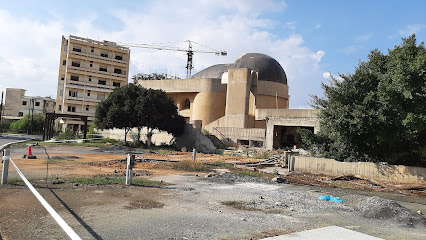
Unmissable attractions to see

Cafer Pasha Baths
0.5 km
Explore the historic Cafer Pasha Baths in Famagusta, a captivating blend of Ottoman architecture and cultural heritage, offering a serene glimpse into the island's past.
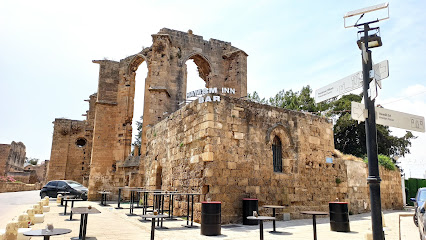
Палаццо-дель-Проведиторе
0.6 km
Explore the remnants of Famagusta's Venetian past at the Palazzo del Provveditore, a historic palace echoing with tales of kings, governors, and ancient sieges.
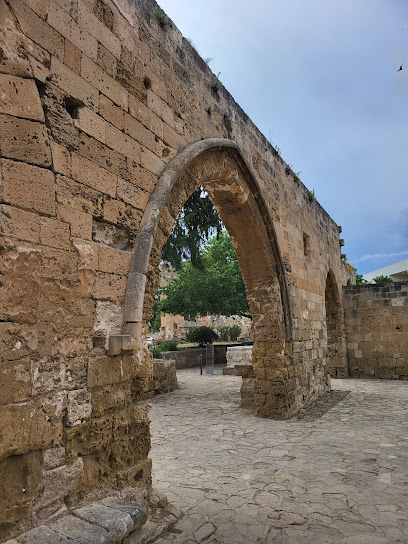
C Ü M B E Z A Ğ A C I 1 2 9 9
0.6 km
Explore the captivating history and architectural beauty of C Ü M B E Z A Ğ A C I 1 2 9 9 in Famagusta, Cyprus, a must-visit historical landmark offering an immersive experience into the island's rich cultural heritage.
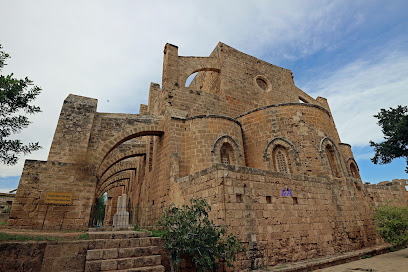
Namik Kemal Dungeon
0.6 km
Explore the poignant history of Turkish writer Namik Kemal's exile in Famagusta's Ottoman-era dungeon, now a museum showcasing his life and literary works.
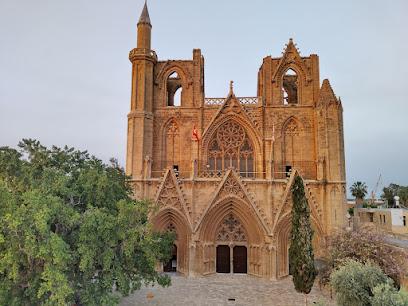
Othello Castle
0.6 km
Explore Othello Castle in Famagusta: A historic fortress with Venetian roots, offering stunning views and a glimpse into Shakespeare's world, steeped in centuries of Cypriot history.

Старый город Фамагустп
0.7 km
Explore the Walled City of Famagusta, a Mediterranean treasure where layers of history unfold within remarkably preserved Venetian fortifications, revealing a captivating blend of cultures and architectural styles.
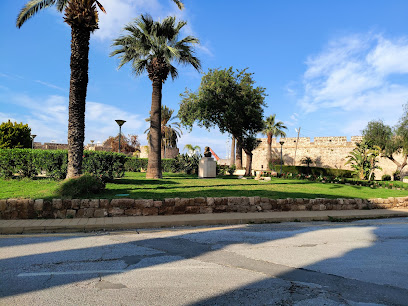
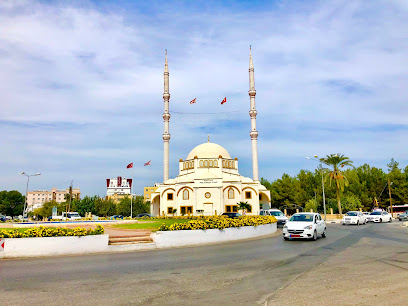
Osman Fazil Polat Pasha Mosque
0.8 km
Discover the Osman Fazıl Polat Pasha Mosque in Famagusta: A serene sanctuary blending Ottoman architecture with Cypriot history, offering a glimpse into local culture and community.
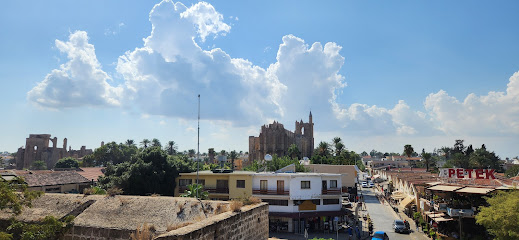
Famagusta, Suriçi
0.8 km
Explore Famagusta Suriçi, a captivating walled city in Cyprus, where medieval history, diverse cultures, and stunning architecture converge to create an unforgettable travel experience.
Canbulat Museum
1.1 km
Explore the rich history and cultural heritage of Famagusta at the Canbulat Museum, home to fascinating artifacts and the shrine of the revered Ottoman commander, Canbulat Pasha.
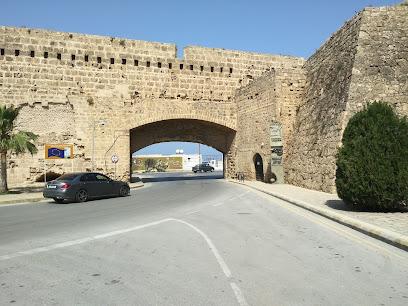
Gazimağusa
1.3 km
Discover Gazimağusa: A historic Cypriot city where ancient ruins meet golden beaches, offering a unique blend of culture, history, and Mediterranean charm on the island's eastern coast.
Kapalı Maraş
1.7 km
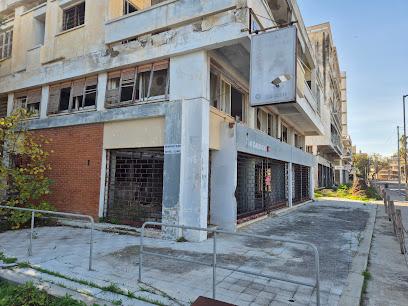
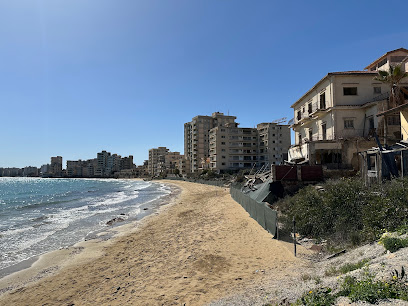
Explore Kapalı Maraş, the 'Ghost Town' of Famagusta: A haunting journey through a frozen moment in time, offering a unique glimpse into Cyprus's divided past and uncertain future.
Famagusta Ghost Town
2.0 km
Explore Famagusta Ghost Town: A haunting journey into Cyprus's divided past, where time stands still and history whispers through the abandoned streets of Varosha.
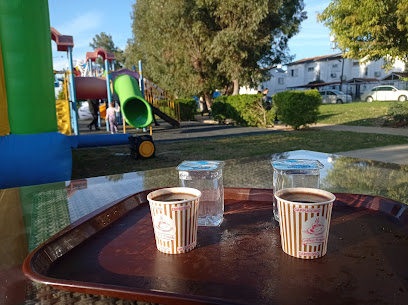
Ali Mahir Park
2.0 km
Discover tranquility in Famagusta at Ali Mahir Park, a revitalized green space offering lush landscapes, playgrounds, and a peaceful escape for locals and tourists alike.
Çanakkale göleti
2.2 km
Discover Çanakkale Lake near Famagusta, a tranquil escape offering serene landscapes, diverse wildlife, and a perfect blend of relaxation, nature, and cultural exploration in Cyprus.
SSAFA building Varosha
2.3 km
Explore the historic SSAFA building in Varosha, a poignant reminder of Cyprus's vibrant past and a symbol of resilience, offering a unique glimpse into a city frozen in time.
Essential places to dine

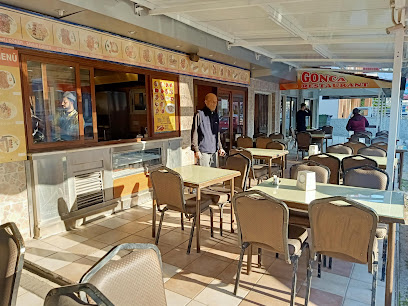
Gonca restaurant
0.4 km
Discover authentic Cypriot flavors at Gonca Restaurant in Famagusta - a must-visit destination for culinary enthusiasts.
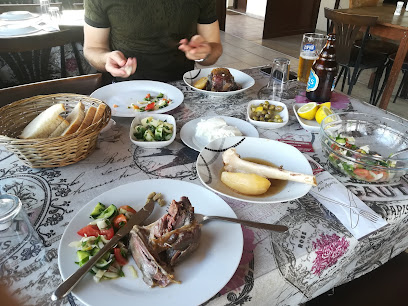
Dumlupınar Restaurant
0.5 km
Experience authentic Cypriot and Mediterranean cuisine at Dumlupınar Restaurant in Famagusta – a must-visit culinary destination for all food lovers.
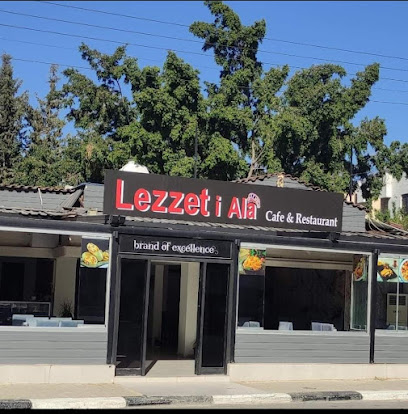
360 Bar & Restaurant
0.5 km
Experience culinary excellence with stunning panoramic views at 360 Bar & Restaurant in Famagusta.
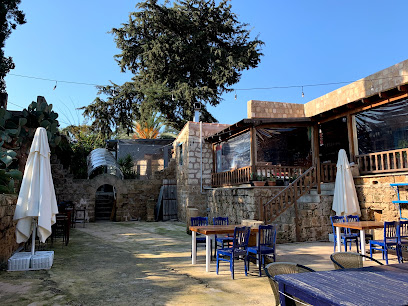
Venedik Evi - Venice House
0.5 km
Savor authentic Cypriot cuisine at Venedik Evi - Venice House, where tradition meets taste in Famagusta's charming Suriçi district.
The Pine bar & restaurant
0.6 km
Discover authentic flavors at The Pine Bar & Restaurant in Famagusta – where every meal tells a story.
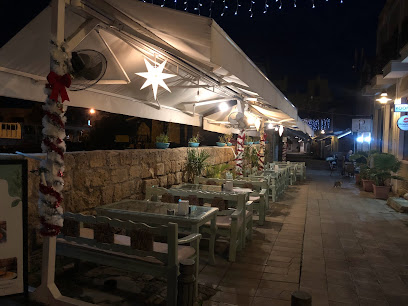
Historia Restaurant Cafe
0.6 km
Experience authentic Cypriot cuisine at Historia Restaurant Cafe in Famagusta - where every meal tells a story.
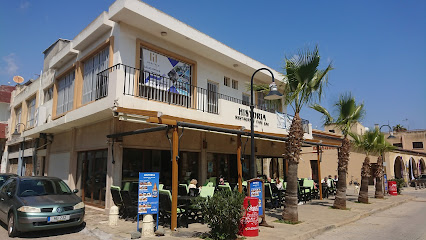
4 Bar & Munchies
0.6 km
Experience delicious flavors and vibrant atmosphere at 4 Bar & Munchies in Gazimağusa – a culinary hotspot for every traveler.
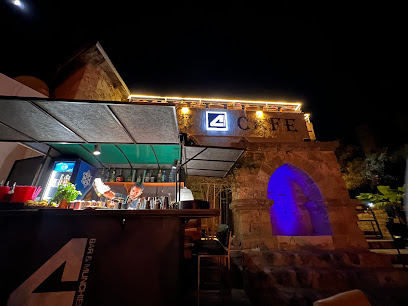
Ginkgo Restaurant
0.6 km
Discover Ginkgo Restaurant in Famagusta – where local flavors meet international cuisine in an inviting atmosphere.
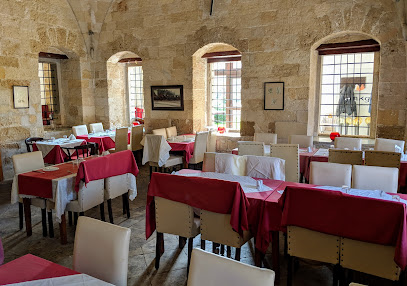
Ruya's Cafe
0.6 km
Discover culinary delights at Ruya's Cafe in Famagusta—where local flavors meet stunning views in a cozy atmosphere.
GARSON ALİ
0.6 km
Discover authentic Mediterranean flavors at GARSON ALİ in Famagusta, where every dish tells a story of local tradition.
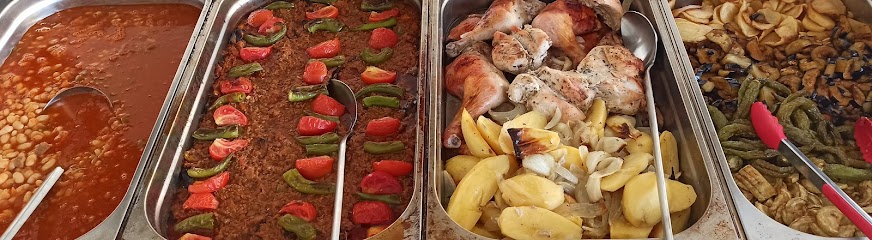
Aspava Restaurant & Bar
0.6 km
Experience authentic Turkish cuisine at Aspava Restaurant & Bar in Famagusta - where every meal tells a story of flavor and tradition.
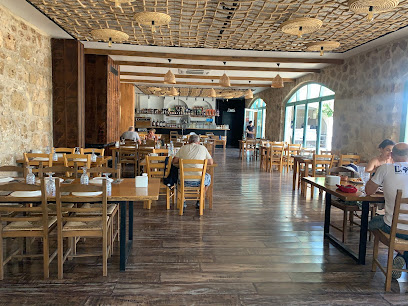
& Chips
0.6 km
Experience delightful flavors at & Chips Bistro in Famagusta - where local ingredients meet culinary creativity for an unforgettable dining experience.
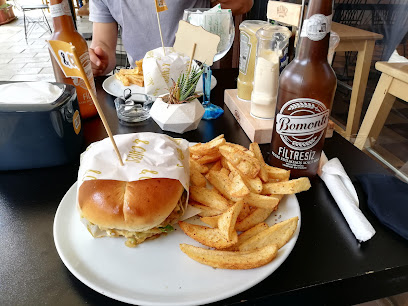
Aheste Meyhane
0.7 km
Discover authentic Cypriot cuisine at Aheste Meyhane in Famagusta – where tradition meets taste in a vibrant atmosphere.
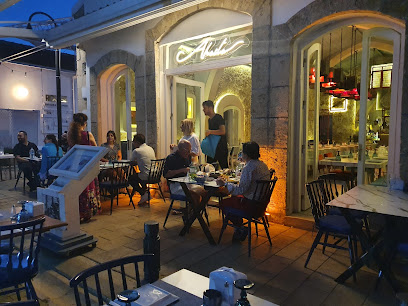
Castello Restaurant & Bar
0.7 km
Discover authentic Turkish flavors at Castello Restaurant & Bar in Famagusta – where culinary traditions meet modern dining experiences.
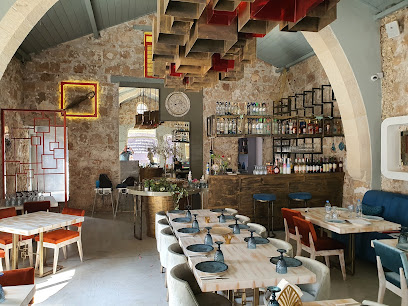
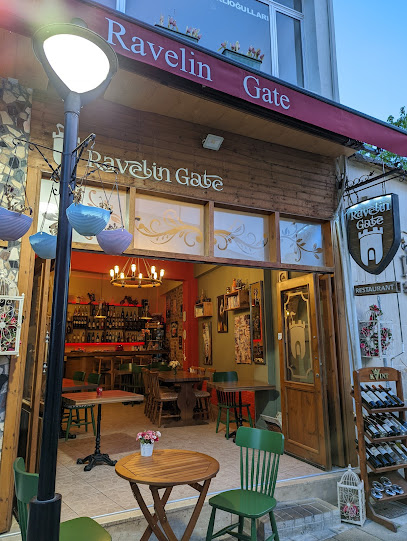
Ravelin Gate
0.7 km
Discover authentic Cypriot cuisine at Ravelin Gate in Famagusta – where tradition meets taste in a charming setting.
Markets, malls and hidden boutiques

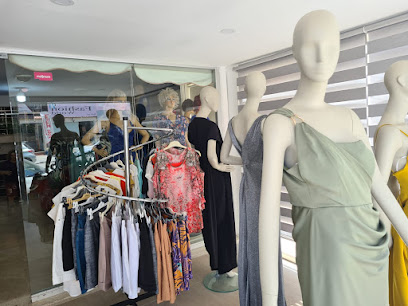
Umut Butik Giyim
0.4 km
Discover unique fashion at Umut Butik Giyim, a chic boutique in Famagusta offering stylish clothing and personalized service for every fashion enthusiast.
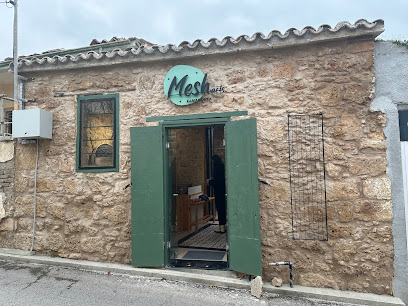
Mesh Arts
0.4 km
Explore Mesh Arts in Famagusta, the perfect souvenir store for unique, handcrafted treasures that celebrate the spirit of Cyprus.
Clothes cave bay bayan giyim
0.5 km
Discover unique boutiques and stunning coastal views at Clothes Cave Bay, a vibrant shopping destination in Famagusta, Cyprus.
Rachba castle
0.5 km
Explore Rachba Castle in Famagusta, a historical gem showcasing Cyprus's rich heritage and breathtaking coastal views.
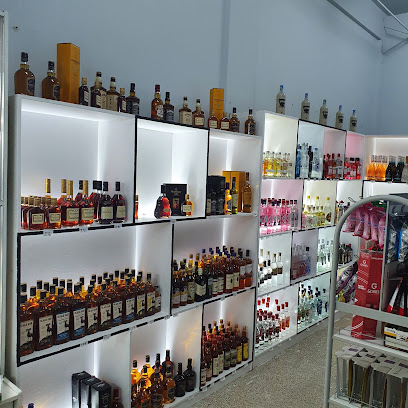
Moda Aysa Butik
0.5 km
Explore Moda Aysa Butik in Famagusta for the latest in women's fashion, featuring unique styles and personalized service in a charming boutique setting.
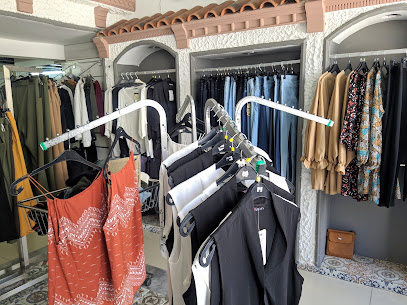
U.S. Polo Assn.
0.5 km
Explore stylish and high-quality clothing at U.S. Polo Assn. in Famagusta, a must-visit destination for fashion-savvy tourists.

Daphne Baby
0.5 km
Discover quality baby products at Daphne Baby, a charming store in Famagusta, perfect for families and tourists alike.

Özdemir Market
0.6 km
Discover the flavors of Cyprus at Özdemir Market, your go-to grocery store for fresh produce and local delicacies in Famagusta.
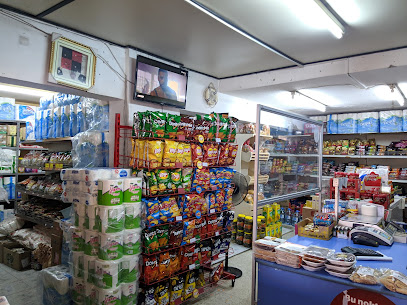
Harikalar Diyarı
0.6 km
Discover the whimsical charm of Harikalar Diyarı, a unique gift shop in Famagusta offering authentic Cypriot souvenirs and handicrafts.
Altınbaş
0.6 km
Explore the exquisite jewelry collection at Altınbaş, where elegance meets craftsmanship in Famagusta's vibrant shopping scene.
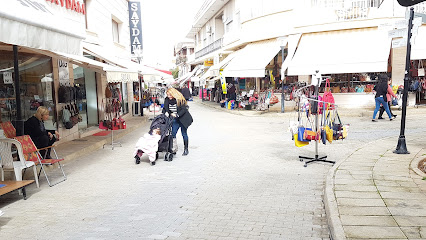
Men & Men
0.6 km
Explore the unique fashion offerings at Men & Men, a charming clothing store in Famagusta's vibrant Suriçi district, blending local culture with contemporary styles.

Apple tea spice center
0.6 km
Experience the authentic flavors of Cyprus at the Apple Tea Spice Center, where unique gifts and aromatic teas await your discovery.
Bigboss Baskı & Bushmaster
0.6 km
Discover fashionable treasures at Bigboss Baskı & Bushmaster in Famagusta, where unique styles meet vibrant culture.
Saydam Ayakkabı Kaleiçi
0.6 km
Explore Saydam Ayakkabı Kaleiçi in Famagusta for stylish and comfortable footwear that blends local craftsmanship with modern trends.
La'Poem
0.6 km
Discover contemporary fashion at La'Poem in Famagusta, where style meets comfort and local culture shines through unique designs.
Essential bars & hidden hideouts

De Molay Bar
0.4 km
Experience the vibrant nightlife of Famagusta at De Molay Bar, where local charm meets modern flair in a cozy atmosphere.
42 Cafe & Bar
0.5 km
Experience the vibrant atmosphere and delicious drinks at 42 Cafe & Bar in Famagusta, a must-visit destination for tourists.
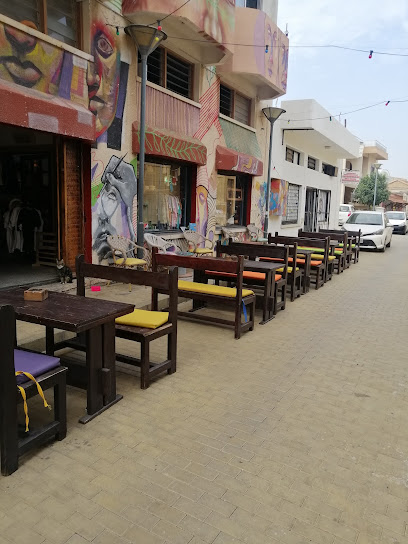
HAMAM INN
0.5 km
Discover Hamam Inn, where exquisite cocktails meet a serene lounge atmosphere in the heart of Gazimağusa, Cyprus.
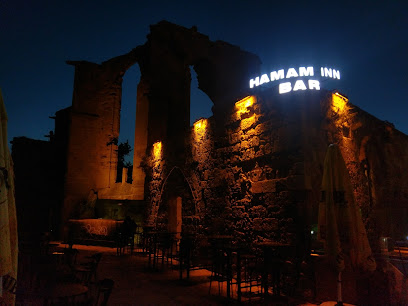
Retro
0.5 km
Discover Retro Pub in Gazimağusa: a unique blend of nostalgia, vibrant music, and a welcoming atmosphere, perfect for a night out.
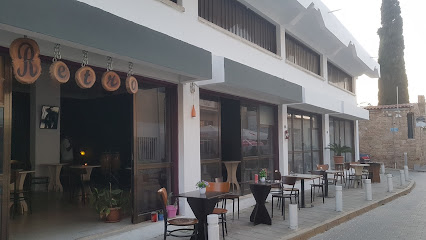
Cafe & Bar
0.7 km
Discover the heart of Famagusta's nightlife at Cafe & Bar, where great drinks and vibrant conversations come together.
Monks Inn
0.7 km
Discover the lively atmosphere of Monks Inn in Famagusta, where cocktails and camaraderie come together for an unforgettable night.
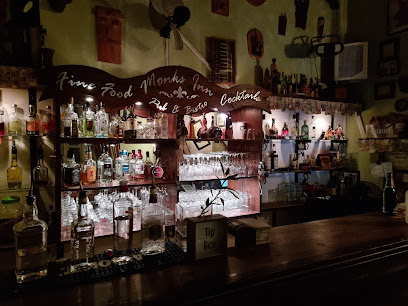
Aroosha restaurant & meyhane
0.7 km
Experience the vibrant spirit of Famagusta at Aroosha Restaurant & Meyhane, where traditional Cypriot flavors meet a lively bar atmosphere.
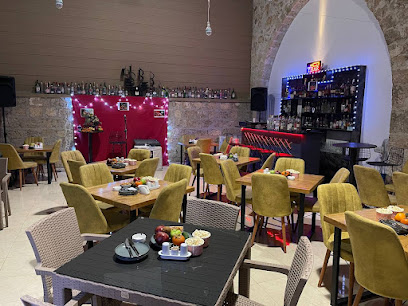
EnBarr
0.8 km
Discover Famagusta's vibrant nightlife at EnBarr, a trendy bar offering an array of cocktails and a lively atmosphere for unforgettable evenings.
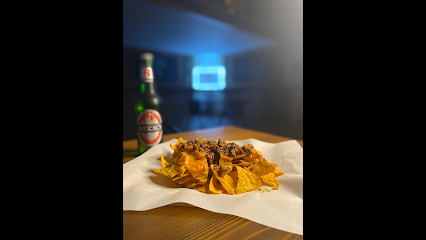
Lastapas Cafe & Bar
1.4 km
Discover the vibrant atmosphere of Lastapas Cafe & Bar in Famagusta, Cyprus, where delightful drinks and lively nights await every visitor.
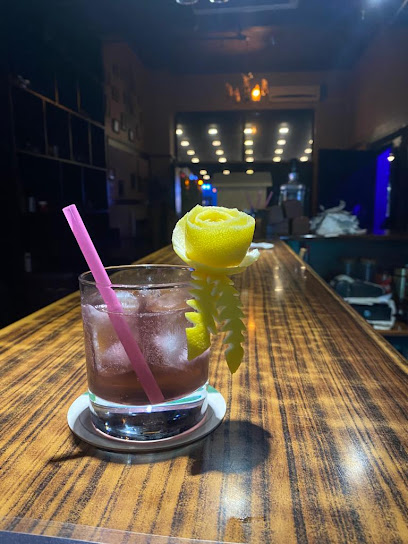
Brooklyn Pub
1.9 km
Immerse yourself in the lively nightlife of Gazimağusa at Brooklyn Pub, where vibrant drinks and a welcoming atmosphere await.
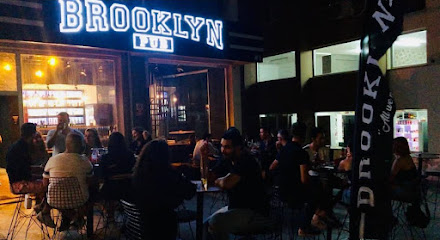
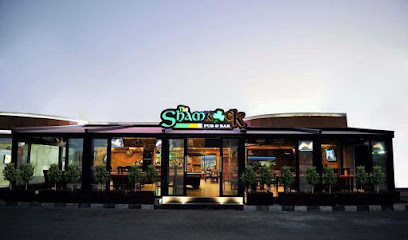
The Shamrock
2.0 km
Discover The Shamrock in Gazimağusa, where vibrant nightlife meets a cozy hookah lounge, perfect for unwinding after a day of exploration.
Legendary Sports Bar
2.5 km
Experience the thrill of live sports in a vibrant atmosphere at the Legendary Sports Bar, an essential stop for visitors in Famagusta.
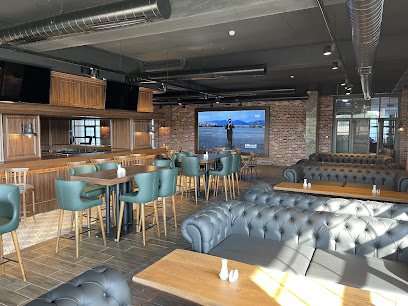
Shelby Bar
2.6 km
Discover the lively Shelby Bar in Famagusta, where vibrant nightlife meets delicious drinks for an unforgettable experience.
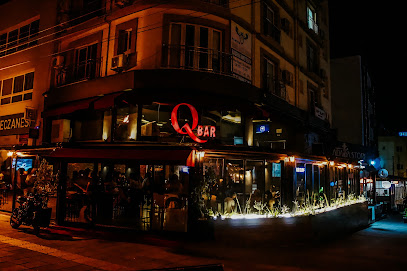
Q Bar Mağusa
2.6 km
Discover the vibrant blend of coffee culture and nightlife at Q Bar Mağusa, a must-visit bar in Famagusta for unforgettable experiences.
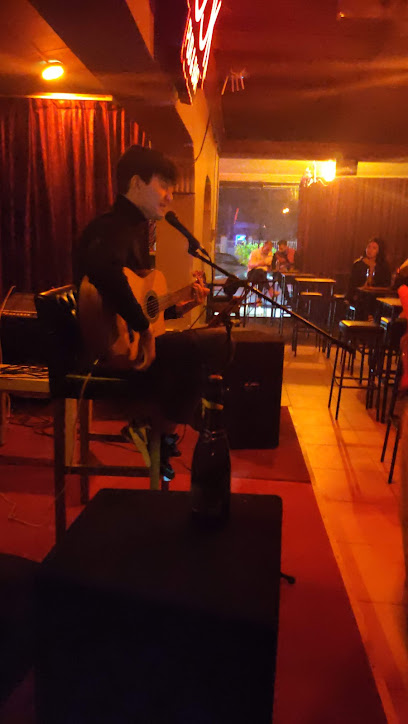
Nook Pub&Bar Mağusa
2.7 km
Experience the vibrant nightlife of Famagusta at Nook Pub & Bar, where delicious drinks and a friendly atmosphere await.
Nightclubs & after hour spots

Club Basement Bar
0.4 km
Discover the heart of Famagusta's nightlife at Club Basement Bar, where great drinks and lively entertainment await.
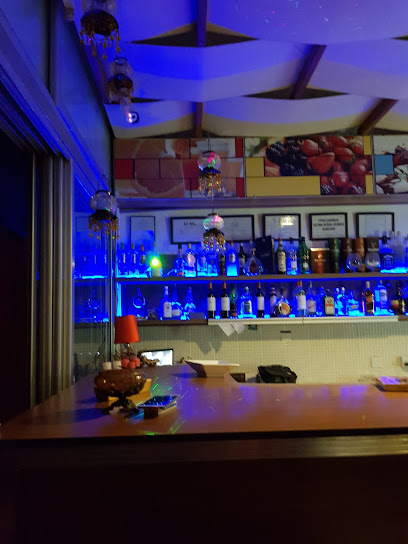
Rave Club
0.5 km
Experience the electrifying nightlife of Famagusta at Rave Club, where vibrant music and unforgettable moments await every reveler.
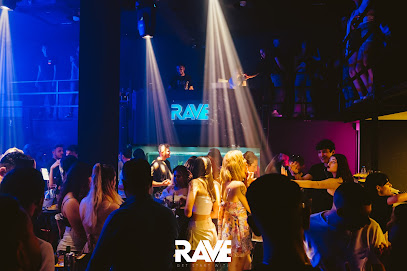
club masquerade cyprus
1.2 km
Dance the night away at Club Masquerade in Famagusta, Cyprus, where vibrant music and an electrifying atmosphere await.
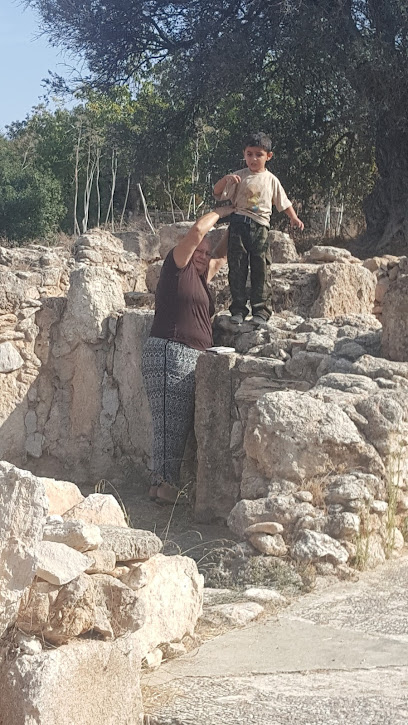
Cafe Inn Lounge
1.7 km
Experience the warmth and charm of Famagusta at Cafe Inn Lounge, where delightful food meets a cozy atmosphere.
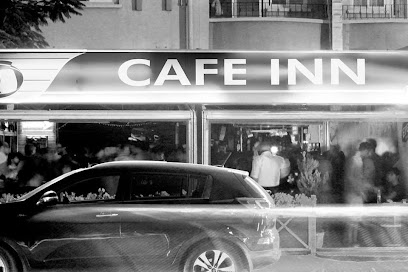
Funky Night Club
2.7 km
Dive into the nightlife at Funky Night Club, Famagusta's premier destination for dancing, music, and unforgettable nights out.

VIBES CITY
4.4 km
Experience the vibrant nightlife at VIBES CITY, Famagusta's top destination for dancing, music, and unforgettable nights out.
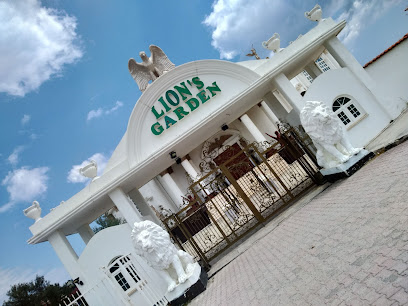
Lion's Garden
5.2 km
Experience Tuzla's nightlife at Lion's Garden, the ultimate night club for dancing, live music, and unforgettable memories.
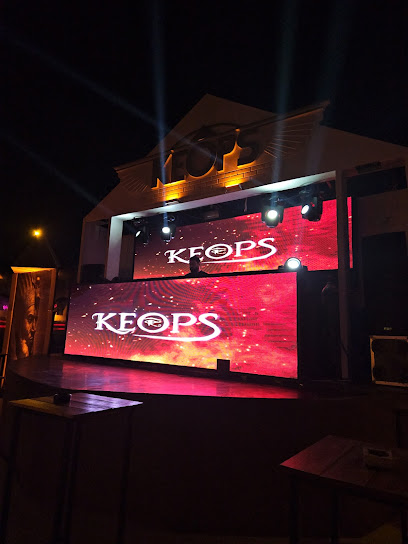
Keops Club
5.5 km
Dive into the electrifying nightlife of Famagusta at Keops Club, where music, dance, and socializing come alive in a vibrant atmosphere.
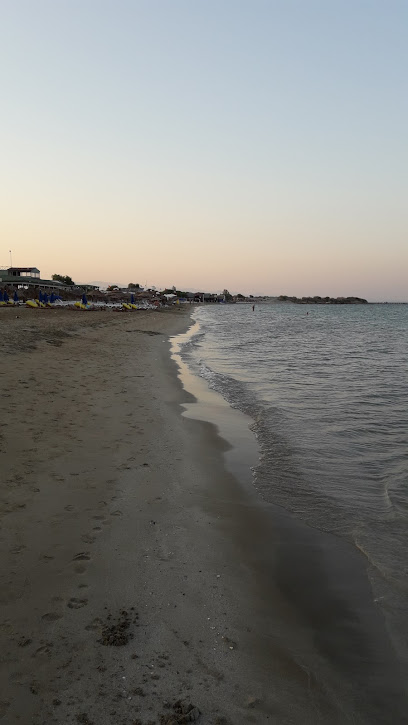
VELVET ROOM
5.6 km
Discover Tuzla's nightlife at Velvet Room, a dynamic disco club featuring pulsating music, exquisite cocktails, and an electrifying atmosphere.
Gazabilanca Night Club
13.1 km
Dive into the vibrant nightlife of Korkuteli at Gazabilanca Night Club, where music and dance unite for an unforgettable experience.
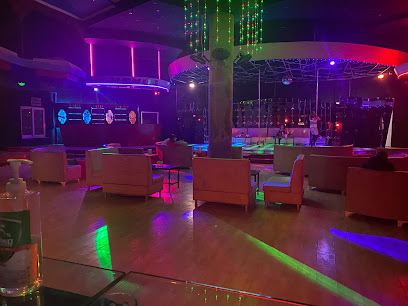
Diamonds Showbar - Cabaret & Live Music Venue
15.6 km
Discover the electric atmosphere of Diamonds Showbar, a premier cabaret and live music venue in Protaras, Cyprus, where unforgettable nights await.
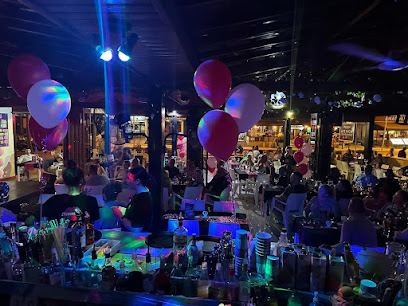
Habanos Lounge
15.9 km
Experience luxury at Habanos Lounge in Ayia Napa, where exquisite cigars meet fine spirits in a sophisticated setting.
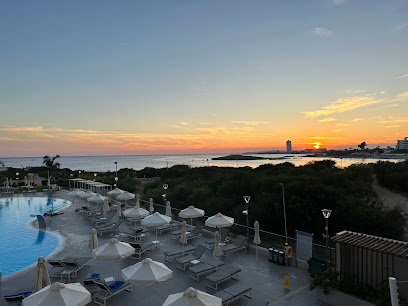
Toga Toga Strip Club
16.0 km
Immerse yourself in the electrifying nightlife at Toga Toga Strip Club, a premier destination for unforgettable entertainment in Ayia Napa, Cyprus.

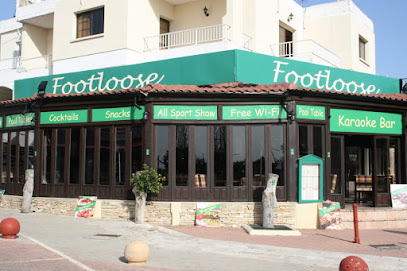
Footloose Karaoke & Sports Bar.
16.1 km
Experience the vibrant nightlife at Footloose Karaoke & Sports Bar in Ayia Napa, where live music and karaoke create unforgettable memories.
Levels Beach Bar
16.1 km
Discover the vibrant atmosphere and culinary delights of Levels Beach Bar, a seaside gem in Ayia Napa, Cyprus.