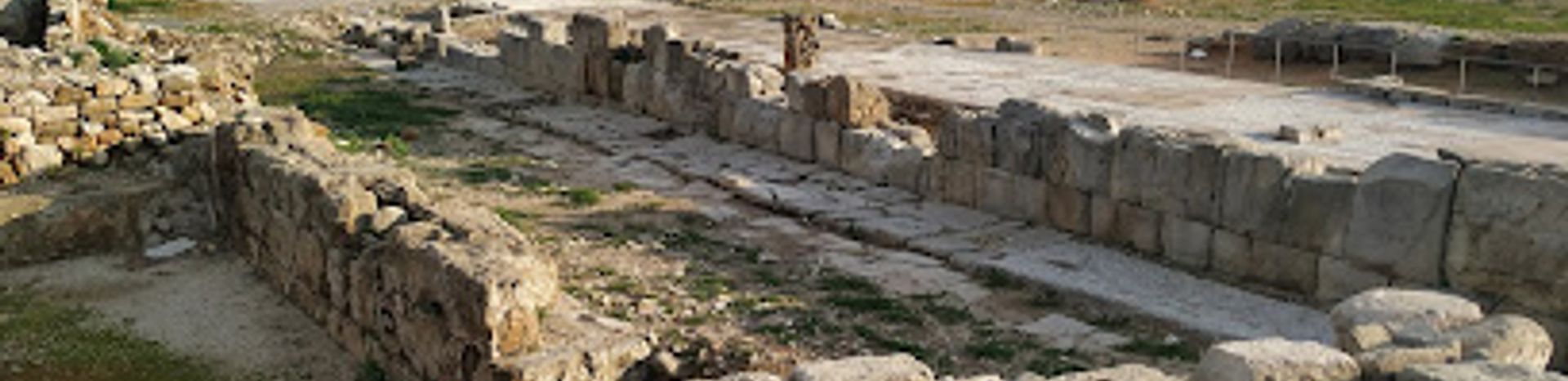
Palaepaphos: Sanctuary of Aphrodite
Explore the ancient Sanctuary of Aphrodite at Palaepaphos, a UNESCO World Heritage Site in Cyprus, and discover millennia of history, mythology, and culture in a captivating setting.
Step back in time at the Archaeological Site of Palaepaphos, a UNESCO World Heritage Site and one of Cyprus's most significant historical landmarks. Located in the village of Kouklia, this ancient city was a major center for the worship of Aphrodite, the Greek goddess of love and beauty. Explore the ruins of the Sanctuary of Aphrodite, dating back to the 12th century BC, and wander through remnants of Roman villas, early Christian basilicas, and a Lusignan manor house. The site offers a captivating glimpse into Cyprus's rich past, from the Late Bronze Age to the medieval period. Don't miss the museum housed in the Lusignan Manor, showcasing fascinating artifacts unearthed from the area, including ceramics, sculptures, and mosaics, providing deeper insights into the cult of Aphrodite and the daily lives of the ancient inhabitants. With its historical significance and scenic surroundings, Palaepaphos promises an unforgettable journey through time.
A brief summary to Archaeological Site of Palaepaphos
- Γρίβα Διγενή 1, Kouklia, CY
- +35726432155
- Visit website
- Monday 8:30 am-7:30 pm
- Tuesday 8:30 am-7:30 pm
- Wednesday 8:30 am-7:30 pm
- Thursday 8:30 am-7:30 pm
- Friday 8:30 am-7:30 pm
- Saturday 8:30 am-7:30 pm
- Sunday 8:30 am-7:30 pm
Local tips
- Visit early in the morning or late afternoon to avoid the midday heat and crowds, especially during peak season.
- Wear comfortable walking shoes as the terrain is uneven and requires a fair amount of walking.
- Bring water and sunscreen, as there is limited shade and the Cypriot sun can be intense.
- Combine your visit with a stop at the Kouklia Museum, housed in the Lusignan Manor, to enhance your understanding of the site's history.
- Check the official website for seasonal hours and potential closures before planning your visit.

Getting There
-
Public Transport
From Paphos, take bus number 631 from Karavella Bus Station directly to Kouklia. The journey takes approximately 30 minutes, and the fare is €2. From the bus stop in Kouklia, it's a short, signposted walk to the Archaeological Site of Palaepaphos.
-
Taxi/Ride-Share
Taxis are readily available in Paphos. A taxi ride from Paphos to Kouklia will cost approximately €24-€30 and take around 15 minutes. Several local taxi services operate in the area, including Yiannis Taxi. Be sure to agree on the fare before starting your journey.
-
Driving
If driving from Paphos, follow the B6 road east towards Limassol. Kouklia and the Archaeological Site of Palaepaphos are clearly signposted. Parking is available near the site. Driving time is approximately 15 minutes. Note that parking is free.
Discover more about Archaeological Site of Palaepaphos
Iconic landmarks you can’t miss

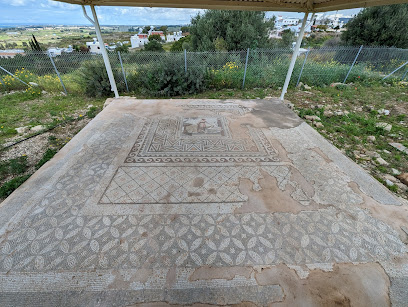
Roman 'House of Leda'
0.2 km
Explore the Roman 'House of Leda' in Kouklia, Cyprus, where stunning ancient mosaics and rich history await your discovery.
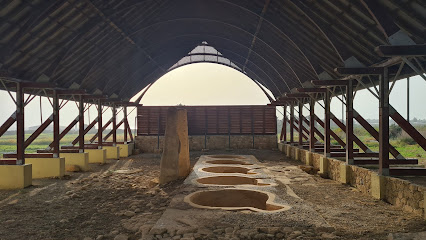
Kouklia-Stillarka Olive Press
2.1 km
Explore the Kouklia-Stillarka Olive Press, where Cyprus's rich olive oil heritage comes to life amidst stunning historical surroundings.
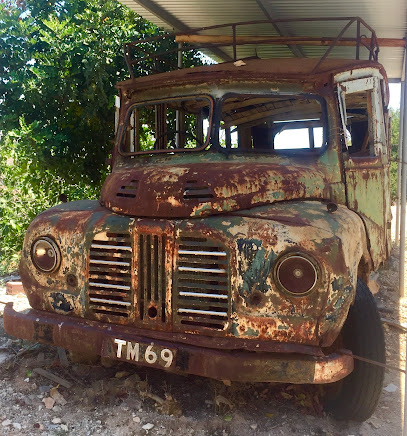
Abandoned Bus
10.7 km
Explore the haunting beauty of the Abandoned Bus in Episkopi, a historical landmark where nature and nostalgia intertwine in Cyprus.
Viewpoint
11.7 km
Discover breathtaking panoramic views of the Mediterranean at the stunning Pissouri Viewpoint, a must-visit for travelers in Cyprus.
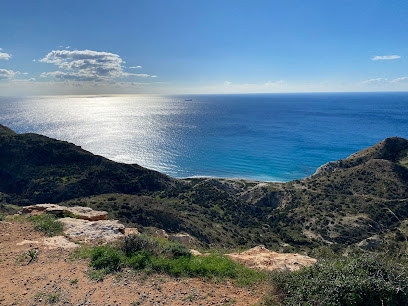
Hani Restaurant Pissouri
11.7 km
Experience authentic Mediterranean flavors at Hani Restaurant Pissouri, where local cuisine meets warm hospitality in a charming Cypriot village.
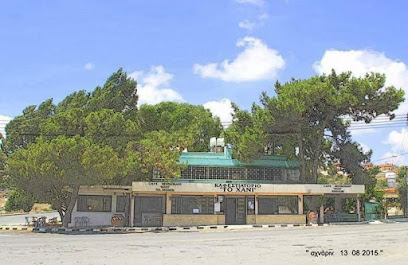
Midway (Athos) Restaurant
11.8 km
Experience the authentic taste of Cyprus at Midway Restaurant in Pissouri, where local flavors meet a warm atmosphere.
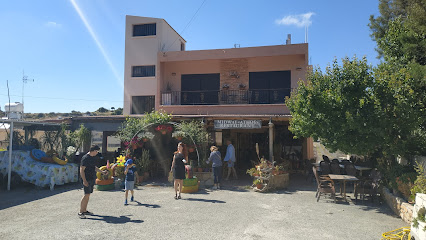
Rantzo - Cafe/Restaurant - Holiday Apartments
12.1 km
Discover the perfect blend of culinary delights and cozy accommodations at Rantzo in Pissouri, Cyprus, your gateway to unforgettable experiences.
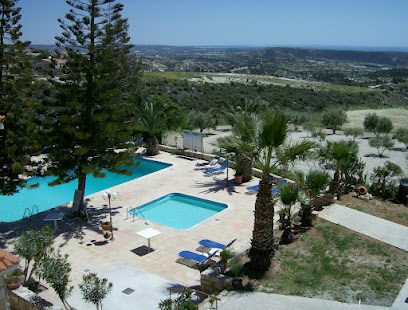
Hill View Restaurant | Pissouri
12.2 km
Discover Hill View Restaurant in Pissouri, where stunning views meet exceptional fine dining and a delightful vegan menu, perfect for all food lovers.
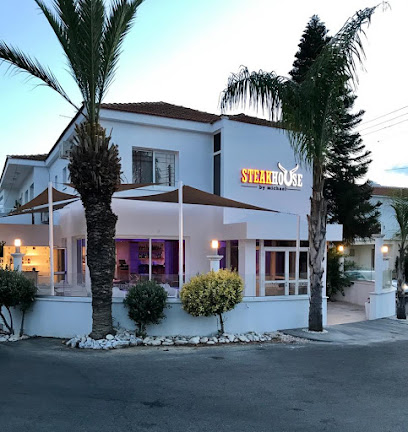
Steakhouse By Michael
12.2 km
Discover the culinary masterpiece of Steakhouse By Michael in Pissouri, Cyprus, where every steak is a celebration of flavor and quality.
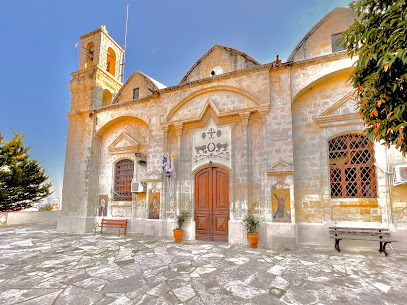
Apostolos Andreas Church
12.3 km
Discover the tranquility and cultural richness of Apostolos Andreas Church in Pissouri, Cyprus, a must-visit for spiritual seekers and culture enthusiasts.
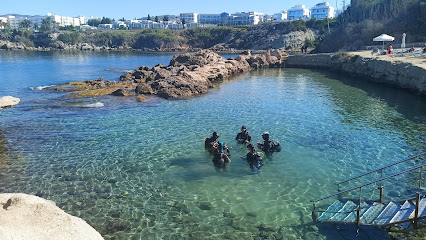
Cyprus Diving Adventures
12.3 km
Discover the underwater wonders of Cyprus with Cyprus Diving Adventures – the premier diving center in Pissouri for all skill levels.
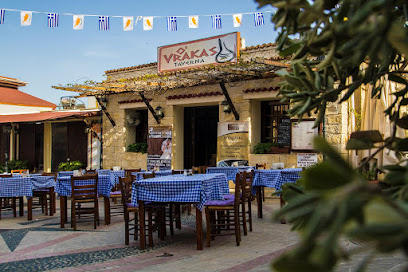
O'Vrakas Taverna Pissouri
12.4 km
Experience authentic Greek flavors and warm Cypriot hospitality at O'Vrakas Taverna, a culinary gem in the picturesque village of Pissouri.
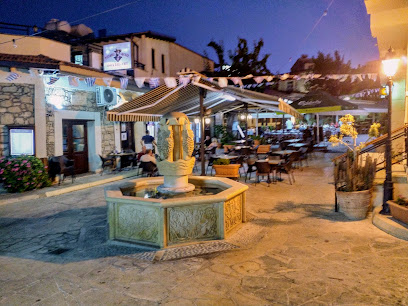
Pissouri Square Fountain
12.4 km
Explore the enchanting Pissouri Square Fountain, a lively hub in Cyprus where culture, cuisine, and charm come together.
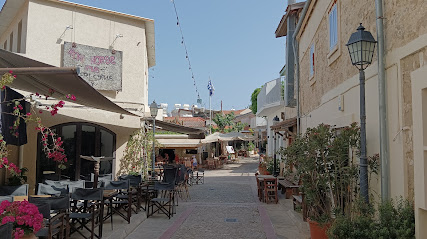
Symposium
12.4 km
Discover the flavors of Cyprus at Symposium, a charming restaurant in Pissouri Square, offering authentic dishes in a warm atmosphere.
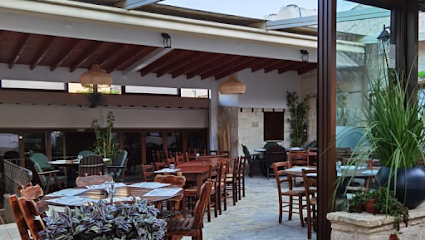
Platea Tavern
12.4 km
Experience authentic Cypriot cuisine at Platea Tavern in Pissouri, a must-visit culinary destination for tourists seeking local flavors.
Unmissable attractions to see

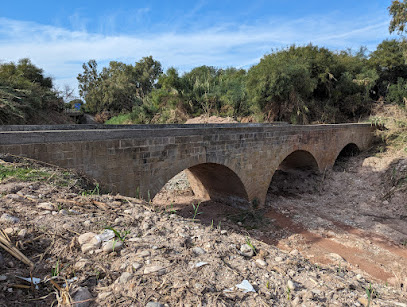
Hidden Medieval Bridge
3.1 km
Discover a hidden gem near Kouklia, Cyprus: a picturesque stone bridge offering a tranquil escape and a glimpse into the island's rich history.
Sunset viewpoint
3.2 km
Experience breathtaking sunsets over the Mediterranean Sea at this tranquil viewpoint near Kouklia, Cyprus, offering unforgettable panoramic vistas.

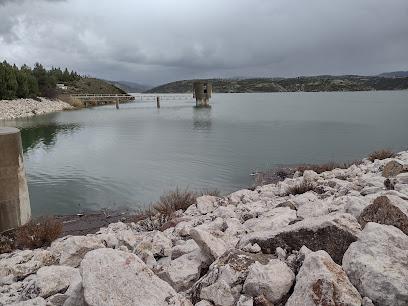
Asprokremmos Reservoir
3.5 km
Discover the serene beauty of Asprokremmos Reservoir in Cyprus: a haven for nature lovers, birdwatchers, and those seeking tranquility amidst stunning landscapes and rich biodiversity.
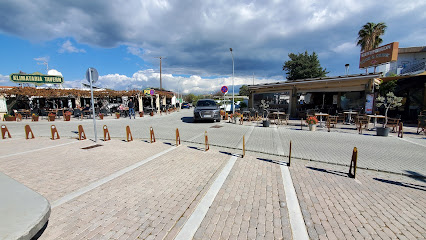
Mandria Village Square
3.9 km
Experience the authentic charm of Cypriot village life in Mandria, a picturesque escape near Paphos with rich history and local flavors.
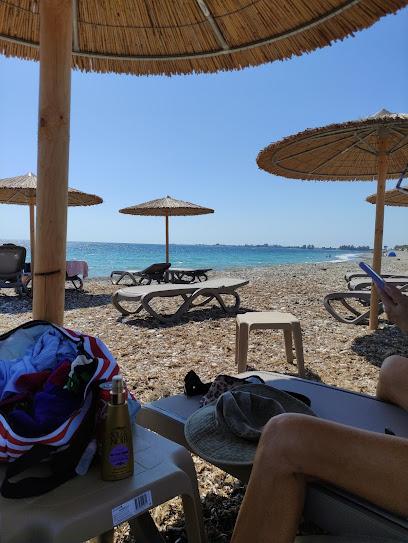
Mandria Beach bar
4.5 km
Experience the ultimate beach getaway at Mandria Beach Bar, where relaxation meets vibrant atmosphere in stunning Cyprus.
Ranti Forest Beach
4.5 km
Discover Ranti Forest Beach: A tranquil Cyprus escape with unique rock formations, stunning views, and a peaceful nature preserve near Kouklia.
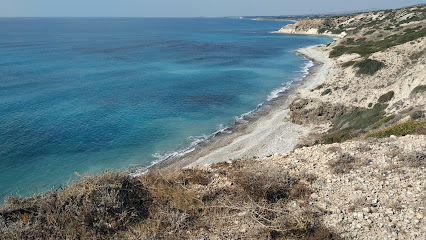
Beach
4.9 km
Discover the mythical birthplace of Aphrodite at Kouklia Beach, Cyprus, where history and natural beauty create an unforgettable Mediterranean escape.
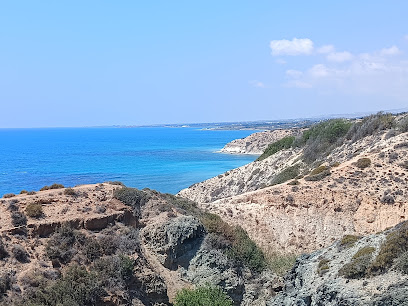
Foinikas Templar Knights village
4.9 km
Explore the haunting ruins of Foinikas, a medieval village once ruled by the Knights Templar, offering a unique glimpse into Cyprus's captivating history and serene landscapes.
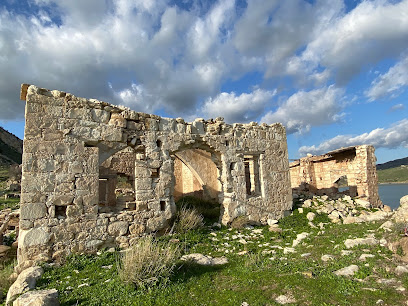
View on the Old Temple
5.7 km
Experience the serene beauty and rich history of the Old Temple in Anarita, Cyprus, a cultural gem offering tranquil reflection and picturesque views.

Oreites Forest
6.5 km
Discover lush trails, diverse wildlife, and historical remnants in Oreites Forest, a tranquil escape in the heart of Cyprus near Kouklia.
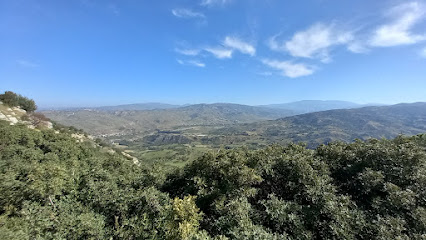
Safe access to beach @aphrodite's rock
6.8 km
Discover the mythical birthplace of Aphrodite, a stunning coastal landmark on the Paphos-Limassol route with breathtaking views and ancient legends.
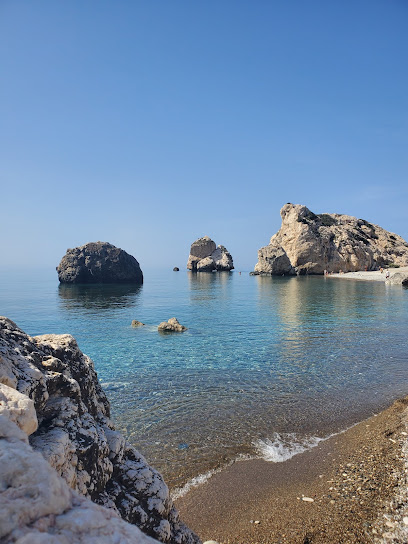
Aphrodite's Rock Viewpoint
6.8 km
Breathtaking views of Aphrodite's legendary birthplace, where myth and natural beauty converge on the Cyprus coast.
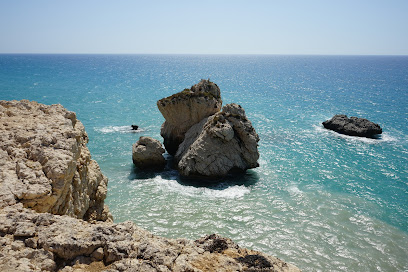
Aphrodite's Beach
6.9 km
Discover the mythical birthplace of Aphrodite, where stunning rock formations meet the crystal-clear waters of the Mediterranean Sea. A must-see for romantics and nature lovers.
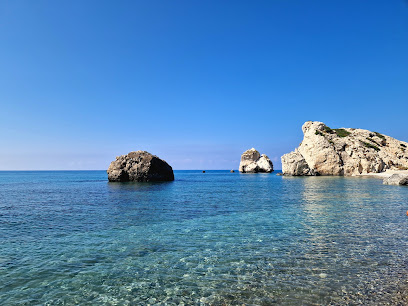
Petra tou Romiou (Aphrodite's Rock)
6.9 km
Explore the legendary Aphrodite's Rock, a stunning coastal landmark in Cyprus, where myth meets breathtaking natural beauty.
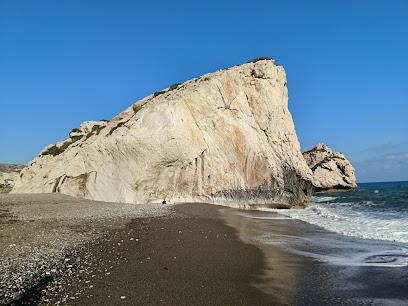
Aphrodites Rock
6.9 km
Discover the mythical birthplace of Aphrodite, where ancient legends meet breathtaking Mediterranean beauty along the Paphos coastline, offering an unforgettable Cypriot experience.
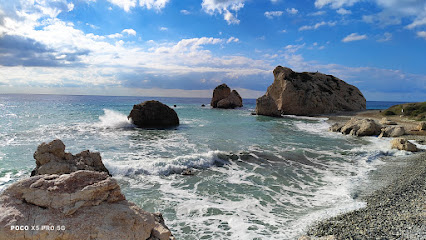
Essential places to dine

Efraim Tavern
0.1 km
Discover authentic Cypriot flavors at Efraim Tavern in Kouklia – where tradition meets taste in every dish.
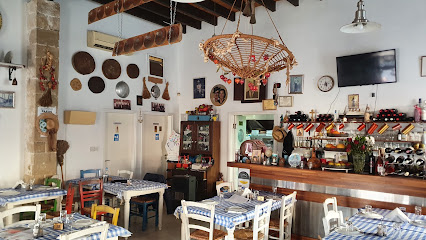
Gabriels Tavern Kouklia
0.1 km
Discover the essence of Cypriot cuisine at Gabriels Tavern Kouklia – where tradition meets flavor in every dish.
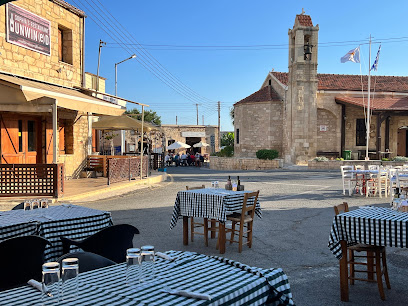
Pithari Tavern
4.1 km
Experience authentic Cypriot flavors at Pithari Tavern in Aphrodite Hills – where every meal is a celebration of tradition and taste.
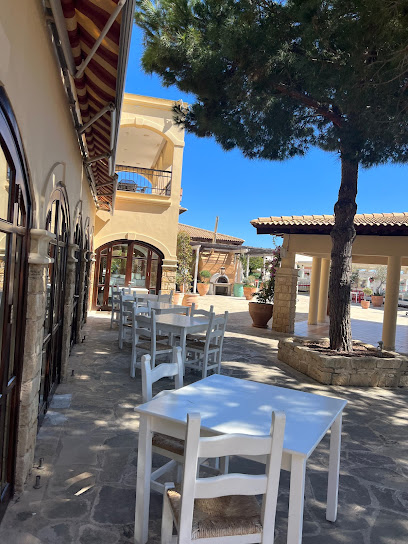
Zimi Trattoria
4.1 km
Experience authentic Italian cuisine at Zimi Trattoria in Aphrodite Hills – where every meal feels like a celebration.
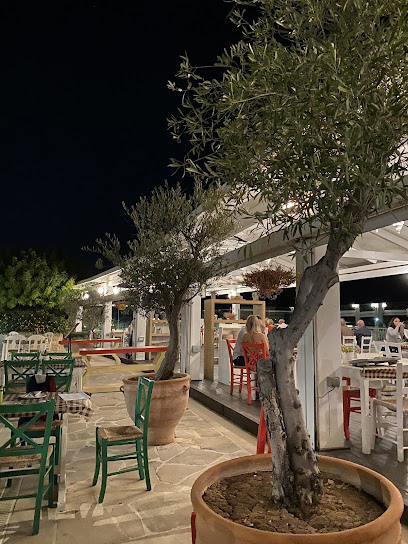
Olivio Mediterranean Restaurant
5.2 km
Discover Olivio Mediterranean Restaurant in Anarita - A taste of authentic Mediterranean cuisine amidst Cyprus's stunning landscapes.
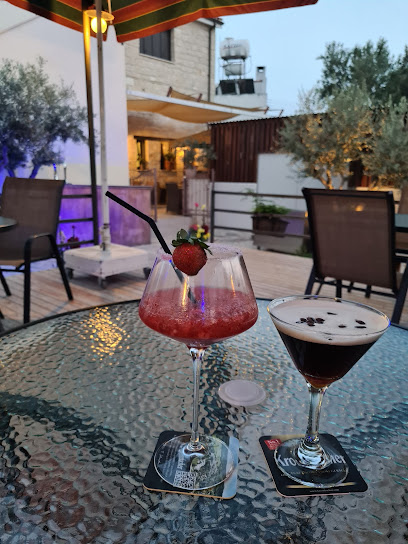
Londos Perasma Cafe-Restaurant
6.2 km
Experience authentic Cypriot flavors at Londos Perasma Cafe-Restaurant in Paphos, where delicious food meets warm hospitality.
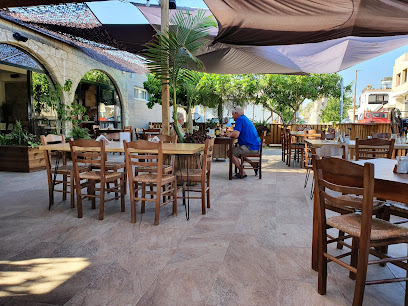
Alektor Stala’s Grill
9.9 km
Experience authentic Cypriot flavors at Alektor Stala’s Grill in Pissouri - where family-friendly dining meets local culinary traditions.
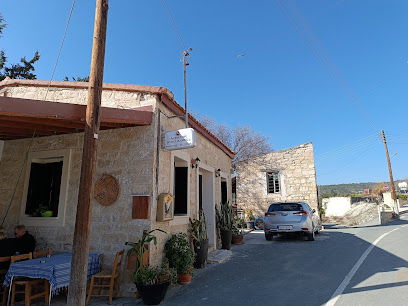
Cabana Beach Bar
11.7 km
Experience the vibrant ambiance and delicious flavors at Cabana Beach Bar in Yeroskipou, your ultimate beachside retreat in Cyprus.
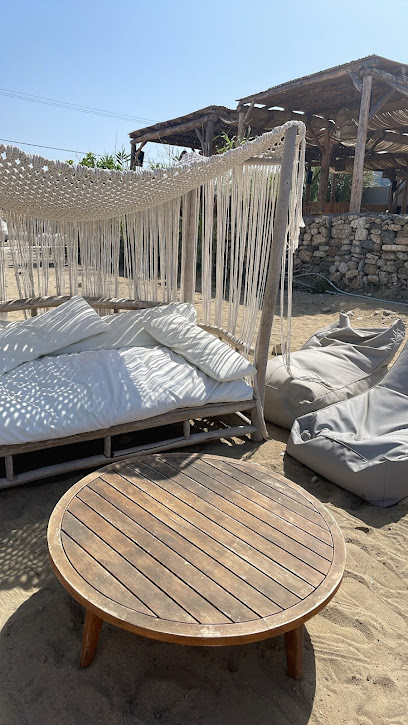
WHAT’S UP…? (PELOS)
12.3 km
Experience authentic Cypriot cuisine at WHAT’S UP…? (PELOS), a delightful takeout restaurant in Pissouri offering delicious meals for every palate.
Antonis Kebab House
12.3 km
Discover authentic Cypriot cuisine at Antonis Kebab House in Pissouri – a must-visit for every food lover exploring Cyprus.
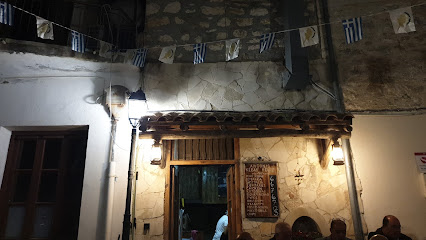
Crepes
12.4 km
Savor exquisite crepes with fresh ingredients in Pissouri, Cyprus - perfect for sweet or savory cravings.
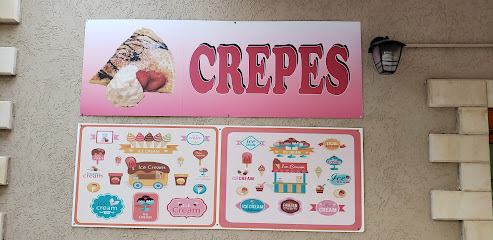
P Corner take away and delivery
12.4 km
Discover delicious fast food delights at P Corner in Pissouri—perfect for quick meals or cozy takeout experiences.
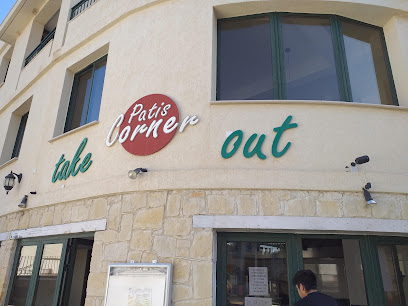
7 St. George’s Tavern
13.5 km
Experience the best of Greek cuisine at 7 St. George’s Tavern in Yeroskipou - a culinary delight for every traveler.
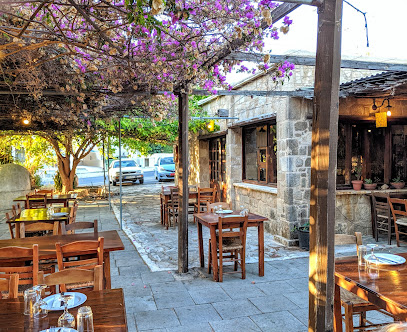
Ocean Basket Paphos
13.9 km
Discover Ocean Basket Paphos: A seafood restaurant where freshness meets flavor in a vibrant coastal setting.
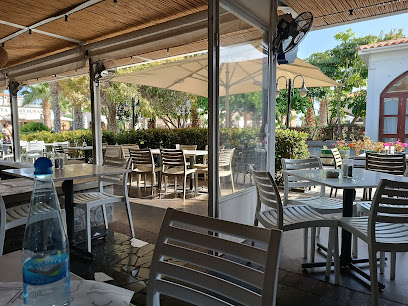
Cavallini ristorante
14.2 km
Experience authentic Italian flavors at Cavallini Ristorante in Paphos – where every dish tells a story.
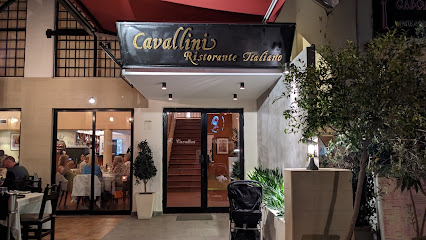
Markets, malls and hidden boutiques

Kouklia Artworks Shop on the Square
0.1 km
Explore the Kouklia Artworks Shop for unique gifts and local craftsmanship that capture the spirit of Cyprus.
Achilleas Jewellery
0.1 km
Experience the artistry of Achilleas Jewellery in Kouklia, Cyprus, where exquisite designs and expert appraisals meet personalized service.
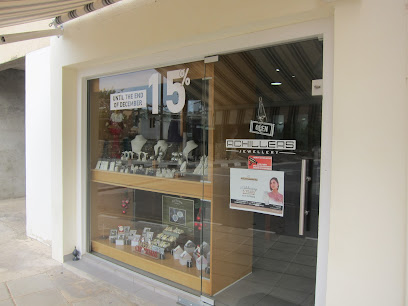
Paphos Airport - Cyprus Airports Duty Free Shops
7.9 km
Discover a world of shopping at Paphos Airport Duty Free, featuring top brands and local treasures for every traveler.

Savvas Pottery (Paphos) Ltd
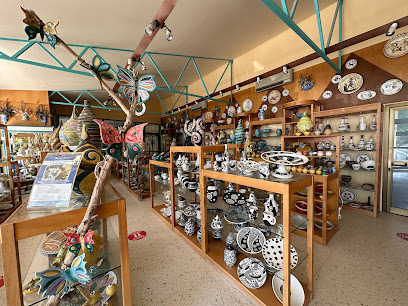
11.1 km
Discover the vibrant artistry and unique craftsmanship at Savvas Pottery, a cultural gem in Paphos, Cyprus, showcasing traditional pottery and artisan workshops.
Vasilis Fish Market (Papantoniou Pissouri)
11.8 km
Discover the flavors of Cyprus at Vasilis Fish Market in Pissouri, where fresh seafood meets local culture in a vibrant atmosphere.
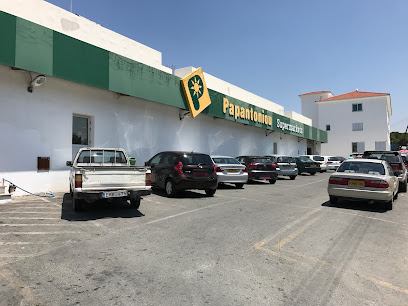
Papantoniou Supermarket (Pissouri)
11.8 km
Explore the vibrant flavors of Cyprus at Papantoniou Supermarket, your go-to destination for fresh produce, local meats, and delicious baked goods.
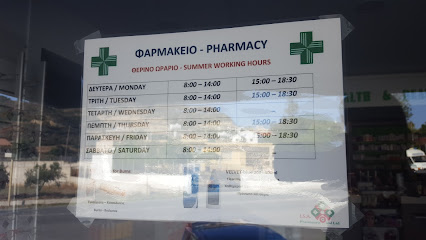
Kyriacos Pharmacy
11.8 km
Discover Kyriacos Pharmacy in Pissouri for all your health needs while enjoying the beautiful landscapes of Cyprus.
Thekla Flower House
11.9 km
Discover Thekla Flower House in Pissouri, Cyprus: A floral treasure trove brimming with beautiful arrangements and exotic blooms.
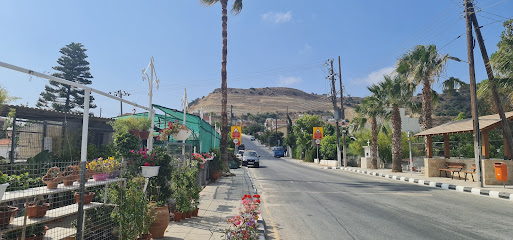
Panorama Lounge
12.2 km
Experience stunning views and refreshing beverages at Panorama Lounge in Pissouri, Cyprus. A perfect retreat for relaxation and socializing.
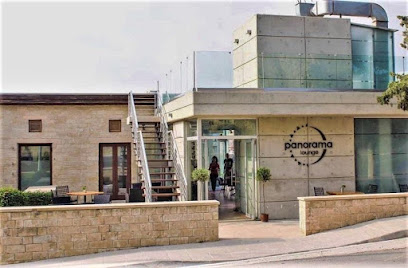
Friends Hospice Charity Shop
12.2 km
Explore Friends Hospice Charity Shop in Pissouri, Cyprus for unique clothing treasures while supporting a noble cause.
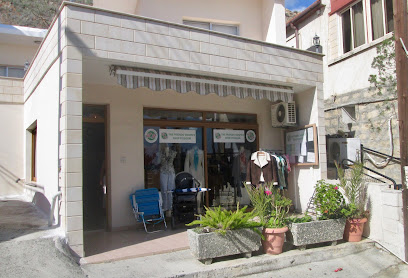
Pissouri
12.2 km
Explore Pissouri, Cyprus: A Hiking Paradise with Stunning Views and Rich Biodiversity.
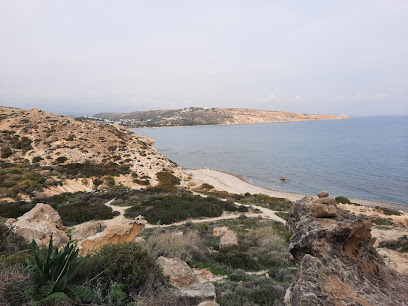
Pet Express Pissouri
12.3 km
Explore Pet Express Pissouri for a wide range of high-quality pet supplies in the beautiful village of Pissouri, Cyprus.
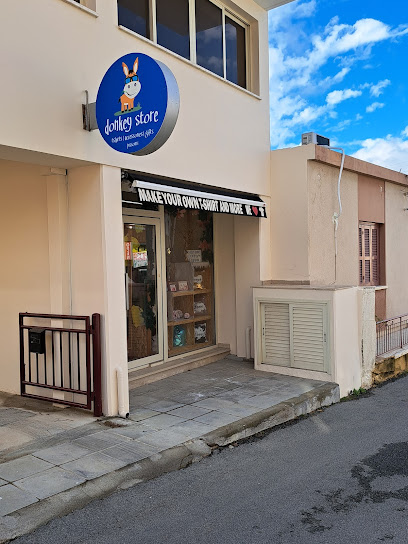
Donkey Store
12.3 km
Explore the charm of Pissouri at Donkey Store, your go-to gift shop for unique, locally crafted souvenirs and Cypriot treasures.
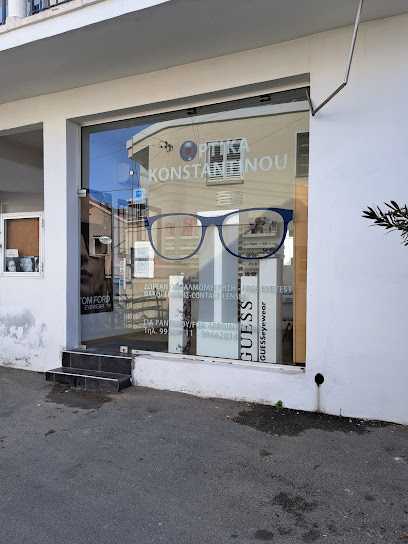
Optika Konstantinou
12.3 km
Discover Optika Konstantinou in Pissouri, your trusted optician for expert eye care and stylish sunglasses in beautiful Cyprus.
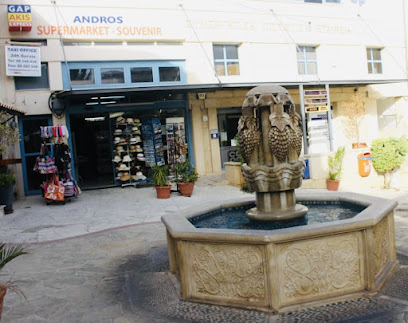
Andros Supermarket
12.4 km
Discover the local flavors and essentials at Andros Supermarket in Pissouri, your convenient shopping destination in Cyprus.
Essential bars & hidden hideouts

Anoi Pub
4.1 km
Discover the vibrant Anoi Pub in Aphrodite Hills, where relaxation meets entertainment in a stunning setting.
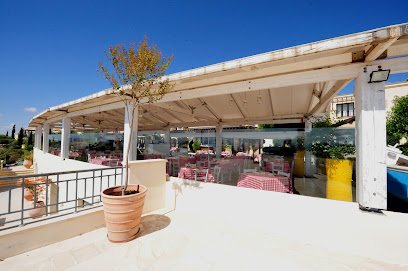
The treehouse
6.1 km
Discover The Treehouse in Timi, Cyprus: where delicious grilled meals and gourmet burgers meet a cozy, enchanting atmosphere.
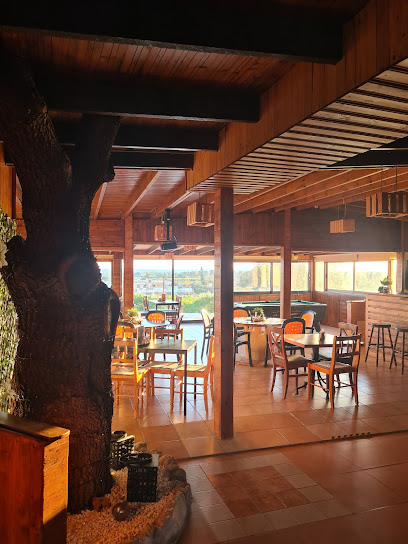
Панорамный Рестик
12.2 km
Discover breathtaking views and refreshing drinks at Panoramic Restik, a must-visit bar in the charming village of Pissouri, Cyprus.
Iron Horse Bar
12.3 km
Experience the lively spirit of Pissouri at Iron Horse Bar, where affordable drinks meet a vibrant atmosphere in the heart of Cyprus.
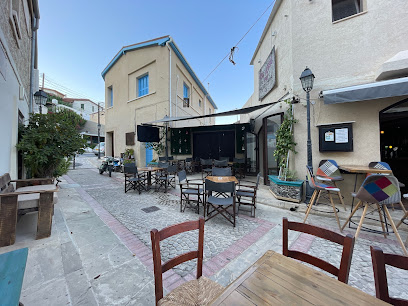
Aftersquare Bar
12.3 km
Discover the vibrant night scene at Aftersquare Bar in Pissouri, Cyprus, where local flavors and lively atmosphere meet for an unforgettable experience.
Sparti Bar
12.4 km
Discover the vibrant Sparti Bar in Pissouri, Cyprus, where refreshing drinks and a lively atmosphere await every visitor.
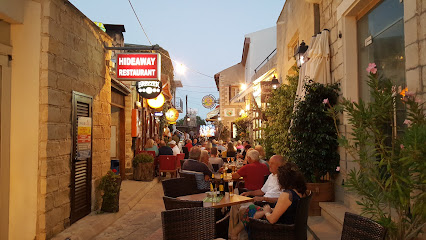
Soultana Wine Bar & Cafe
12.4 km
Discover the charm of Soultana Wine Bar & Cafe in Pissouri, where local wines and authentic Cypriot cuisine meet warm hospitality.
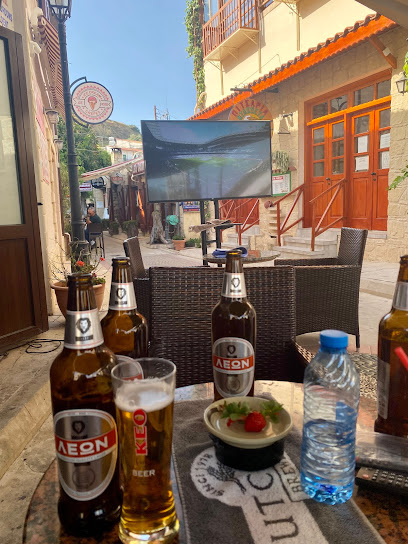
The Wild Horse Pub
13.7 km
Discover the vibrant atmosphere of The Wild Horse Pub in Yeroskipou, a perfect blend of local culture and social charm for tourists.
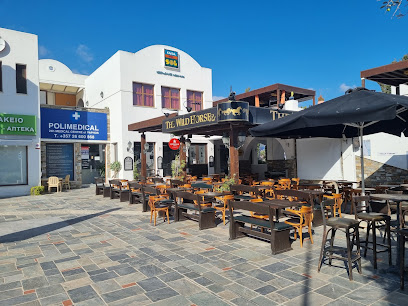
Kalua - Cocktails & Meze/Tapas Bar
13.9 km
Kalua in Yeroskipou, Cyprus: A lively bar offering exquisite cocktails and mouthwatering tapas, just steps from the beach.
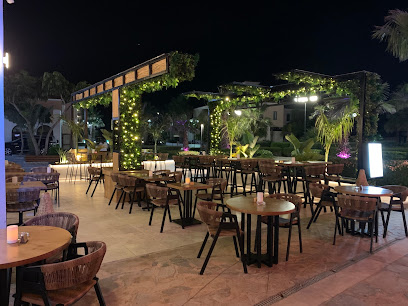
Crocodile Pub
14.3 km
Experience the vibrant atmosphere of Crocodile Pub, Paphos' premier sports bar, offering delicious food, lively entertainment, and a warm, inviting ambiance for all visitors.
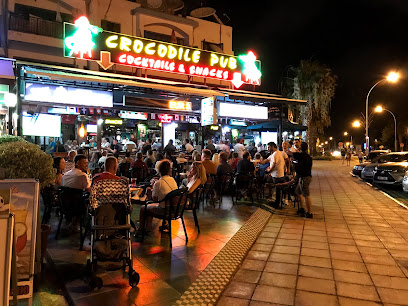
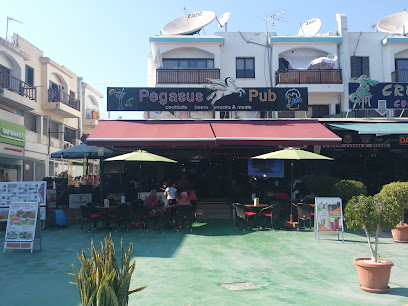
Pegasus Pub
14.3 km
Discover the vibrant charm of Pegasus Pub in Paphos, where good drinks and friendly faces create unforgettable memories.
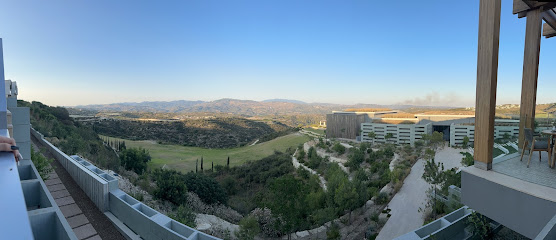
Bar-M
14.6 km
Discover Bar-M in Tsada, Cyprus - a vibrant bar with stunning views and an exquisite drink selection, perfect for relaxation and socializing.
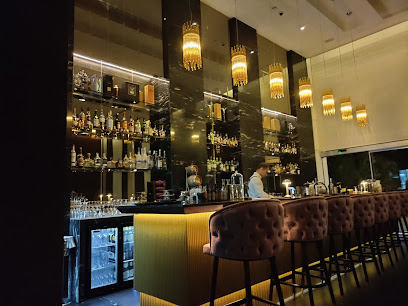
Selene Cocktail Bar
14.7 km
Selene Cocktail Bar in Paphos offers crafted cocktails and stunning Mediterranean views, creating a vibrant nightlife experience for all visitors.
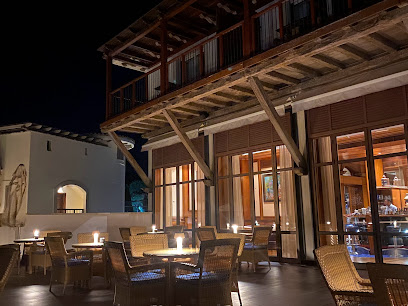
Eros Bar
14.8 km
Discover the vibrant atmosphere of Eros Bar in Pissouri, where delightful drinks meet warm hospitality in a picturesque setting.
Poseidon Pool Bar
14.8 km
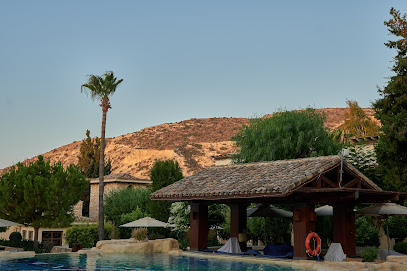
Discover tranquility at Poseidon Pool Bar in Pissouri Bay, where stunning views and refreshing drinks create the perfect escape.
Nightclubs & after hour spots

Loft Club
15.1 km
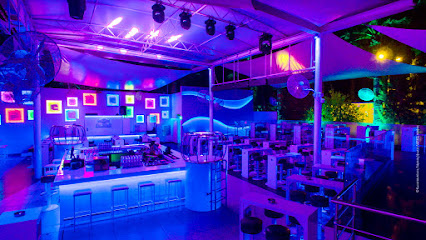
Discover the electrifying nightlife of Paphos at Loft Club, where music, dance, and unforgettable memories come alive every weekend.
Vibes Club
15.2 km
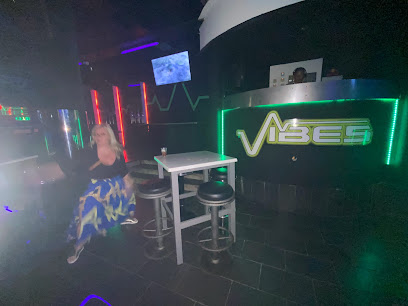
Discover the vibrant nightlife at Vibes Club in Paphos, where music, dancing, and unforgettable moments await every night.
stursky and hutch
15.2 km
Discover the pulsating nightlife of Paphos at Stursky and Hutch, where vibrant music and energetic dancing await you.
Heavenlapdanceclub
15.2 km
Dive into the vibrant nightlife of Paphos at Heaven Lap Dance Club, where electrifying performances and a dynamic atmosphere await.

Flairs
15.3 km
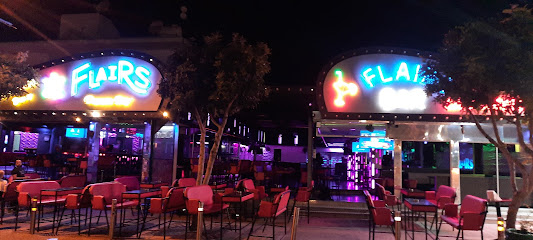
Experience the vibrant nightlife of Paphos at Flairs, where dancing and excitement reign from dusk till dawn.
Boogies Karaoke Club
15.3 km
Experience the vibrant nightlife at Boogies Karaoke Club in Paphos, Cyprus, where every night is filled with music, fun, and unforgettable memories.
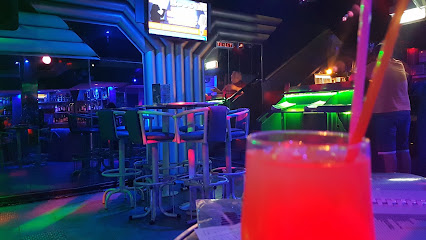
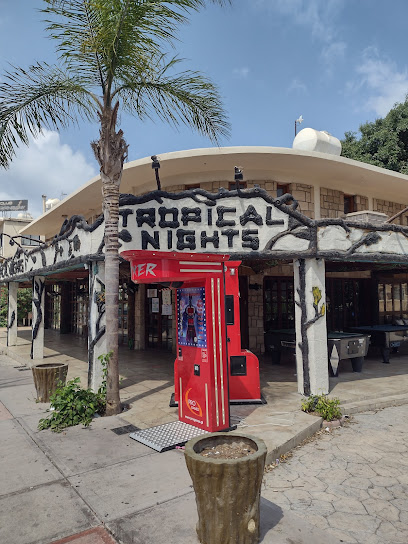
Tropical nights
15.4 km
Discover the vibrant nightlife at Tropical Nights in Paphos, Cyprus, where cocktails flow and the music keeps you dancing all night long.
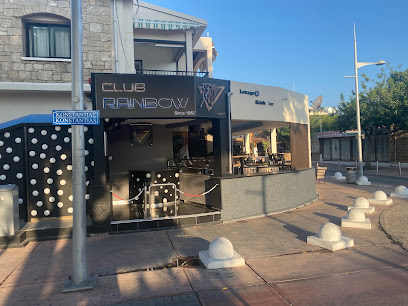
Rainbow Club Paphos
15.5 km
Discover the vibrant nightlife at Rainbow Club Paphos, where great music, dancing, and unforgettable memories await in the heart of Cyprus.
Different Bar
15.5 km
Experience the vibrant nightlife at Different Bar in Paphos, Cyprus, where fun, creativity, and inclusivity come together for an unforgettable evening.
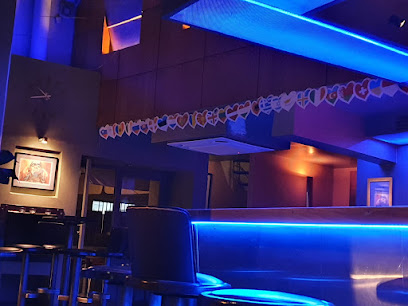
Phoenix Social Club
15.7 km
Discover the lively Phoenix Social Club in Paphos, a top bar known for great drinks, live entertainment, and a vibrant atmosphere for all visitors.
Bank Nightclub
16.1 km
Discover the heart of Paphos' nightlife at Bank Nightclub, where music, dance, and excitement come together for an unforgettable evening.