Background

Aphendrika: Echoes of Ancient Cyprus

Explore Aphendrika, Cyprus: Uncover ancient city ruins and Byzantine churches on the Karpas Peninsula, offering a serene journey through history and stunning landscapes.

4.4

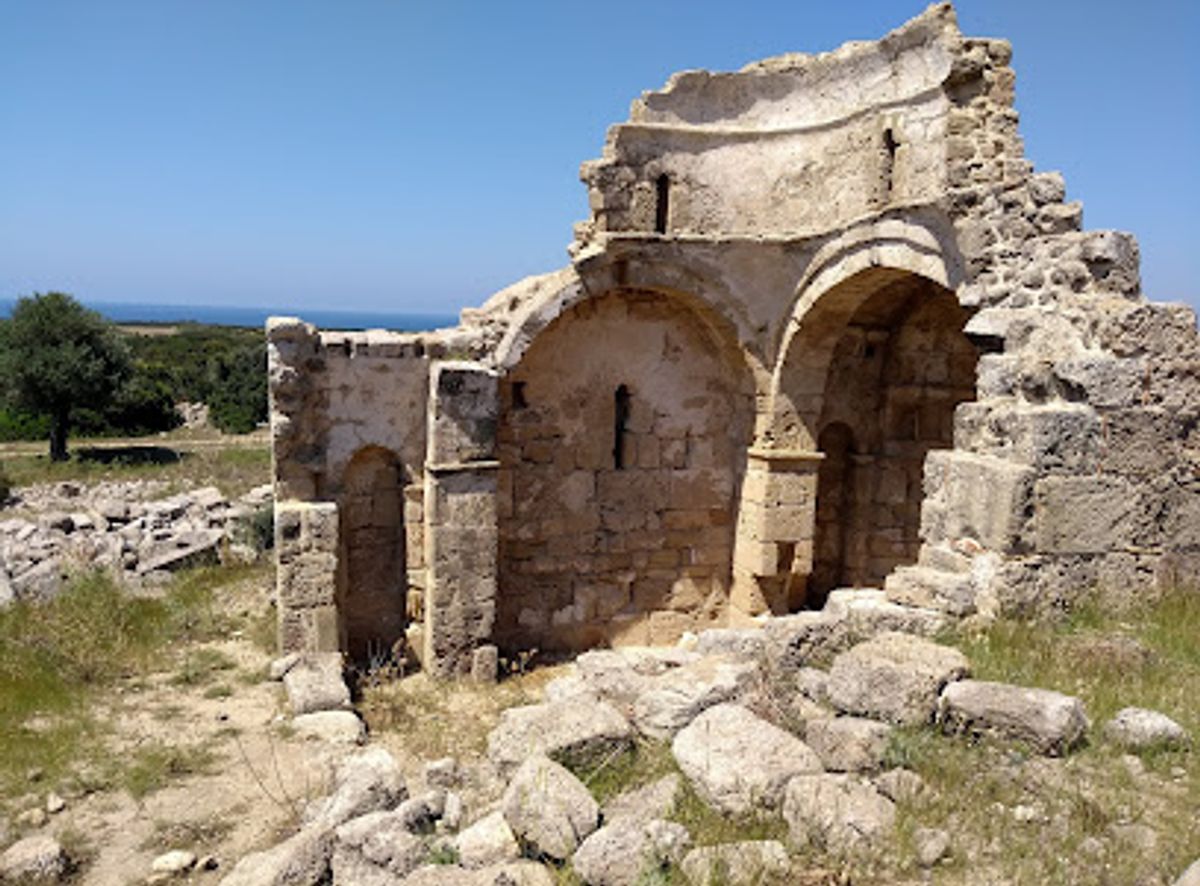
Aphendrika, near Dipkarpaz, is an evocative historical site where the ruins of an ancient city whisper tales of Cyprus's rich past. Once a significant urban center known as Ourania, dating back to the Hellenistic period, Aphendrika boasts remnants of three Byzantine churches – Ayios Georgios, Panagia Chrysiotissa, and Panagia Asomatos – each bearing witness to centuries of shifting fortunes. Explore the atmospheric ruins, wander through the silent necropolis, and imagine the bustling harbor that once connected this city to the wider world. Though time has weathered its stones, Aphendrika offers a compelling glimpse into Cyprus's layered history, inviting visitors to connect with the island's ancient roots amidst a tranquil, rural landscape. The site provides a serene escape, blending historical intrigue with the natural beauty of the Karpas Peninsula, making it a worthwhile destination for those seeking a deeper understanding of Cypriot heritage. Aphendrika is more than just ruins; it's a journey through time.

A brief summary to Aphendrika

  • JCXR+5CF, Dipkarpaz Karpasia Cyprus, Dipkarpaz, CY

Local tips

  • Wear sturdy shoes for exploring the uneven terrain and ruins.
  • Bring water and snacks, as there are limited facilities at the site.
  • Visit early in the morning or late afternoon to avoid the midday heat and crowds.
  • Combine your visit with a trip to nearby Golden Beach or Apostolos Andreas Monastery for a full day of exploration.
  • Consider hiring a local guide for a more in-depth understanding of the site's history and significance.
widget icon

Getting There

  • Driving

    From Dipkarpaz, head northeast on the main road. Follow signs for Aphendrika, which is approximately 4 km away. The road is generally accessible, but some sections may be unpaved. Parking is available near the site. Be aware that roads in the Karpas Peninsula can be narrow and winding.

  • Taxi/Ride-Share

    Taxis are available in Dipkarpaz. A taxi ride to Aphendrika should take around 10-15 minutes. Agree on a fare with the driver before starting your journey. Expect to pay around €10-€15 for a one-way trip. Ride-sharing services are not widely available in this area.

Unlock the Best of Aphendrika

Buy tickets

    No tickets available

Book tours with entry

    No tours available

Book tours without entry

    No tours available

Discover more about Aphendrika

Aphendrika, located approximately 4 kilometers northeast of Dipkarpaz on the Karpas Peninsula, is a captivating archaeological site that offers a tangible connection to Cyprus's ancient past. Once identified as the city of Ourania, mentioned in ancient texts, Aphendrika's history stretches back to the Hellenistic period, bearing witness to the rise and fall of civilizations and empires. The city of Ourania, according to the ancient historian Diodorus Siculus, was conquered by Demetrius Poliorcetes during the conflicts between Alexander the Great's successors. However, unlike other prominent Cypriot cities, Ourania faded from historical records, suggesting its abandonment by the time of later geographers like Strabo and Ptolemy. Archaeological evidence, particularly from the city's necropolises, confirms its existence from the 6th to the 2nd centuries BC. The rediscovery of Aphendrika's ruins is credited to British archaeologist David George Hogarth in 1889 and Cypriot scholar Ieronymos Peristianis in 1910. Their work revealed the remains of an ancient settlement, including a now-silted harbor, indicating a thriving city during the Classical Period. However, Aphendrika's story doesn't end there. The presence of three ruined churches and other architectural fragments suggests a resurgence during the Early to Middle Byzantine Period (6th-12th centuries). The most prominent features of Aphendrika today are these three churches: the basilica of Panagia Aphendrika (Chrysiotissa), the basilica of Asomatoi, and the church of Agios Georgios. Each church offers a unique glimpse into Byzantine religious architecture and the evolution of the site over time. Panagia Aphendrika, the standing church, is a 16th-century single-aisled chapel built within the nave of an earlier 8th-century basilica, which itself was constructed over a 6th-century timber-roofed basilica. The 6th-century church was a three-aisled columnar basilica with three semi-circular apses. The apses were connected by barrel-vaulted passages, of which the northern one still survives. The nave was divided from the aisles by two arcades consisting of seven limestone columns. The first column from the west of the southern arcade is still standing in situ. The Asomatoi church, located a short distance south of Panagia Aphendrika, shares similar architectural characteristics but is smaller in scale. The original 6th-century Asomatoi church was a timber-roofed, three-aisled basilica with three apses. The nave was divided from the aisles by two colonnades of five limestone columns, crowned with stone capitals of local production. At the east end of the elevated Holy Bema, a synthronon was built. This is the only liturgical furnishing which is still in situ and probably belongs to the original phase of the basilica. The now-ruinous church of Agios Georgios lies to the west of Panagia Aphendrika. It features a symmetrical twin apse built in ashlar blocks, making it one of only two churches in Cyprus with a double apse. Originally covered with a dome on transverse round arches, the church represents an early form of the inscribed cross-in-square type. It has been suggested that Agios Georgios is the earliest surviving domed building on Cyprus, dated between the 9th and the 10th century. Visiting Aphendrika is an exercise in historical imagination. While much of the site remains unexcavated, the visible ruins offer a compelling glimpse into the past. Wander through the remnants of the churches, explore the surrounding necropolis, and envision the bustling city that once thrived here. The site's remote location adds to its allure, providing a sense of peaceful isolation and a chance to connect with the landscape that shaped its history. Beyond the churches, the surrounding area holds further clues to Aphendrika's past. The remains of the ancient citadel can be found on the hill to the east, while the silted-over harbor lies approximately 2 kilometers to the north. Exploring these areas requires a sense of adventure, but the rewards are a deeper understanding of the city's layout and its connection to the sea. Aphendrika is not just a collection of ruins; it's a palimpsest of Cypriot history, where layers of civilization have left their mark on the landscape. From its origins as the city of Ourania to its Byzantine resurgence, Aphendrika offers a unique perspective on the island's rich cultural heritage. A visit to this evocative site is a journey through time, inviting visitors to connect with the echoes of ancient Cyprus.

Popular Experiences near Aphendrika

Popular Hotels near Aphendrika

Select Currency