Background

Lefkara: A Tapestry of Lace, Silver, and Timeless Tradition

Discover Lefkara, Cyprus: A timeless village where exquisite lace and silver meet rich history and breathtaking scenery, offering an unforgettable cultural escape.

4.7

Nestled in the foothills of the Troodos Mountains, Lefkara is a captivating Cypriot village celebrated for its exquisite lace and silverwork. This picturesque destination offers a glimpse into a world where ancient traditions thrive, and skilled artisans continue to craft intricate masterpieces. Wander through the village's narrow, winding streets, admire the traditional stone architecture, and immerse yourself in the rich cultural heritage that has made Lefkara a beacon of Cypriot artistry for centuries. From the legendary tale of Leonardo da Vinci acquiring Lefkara lace to the UNESCO recognition of its intangible cultural heritage, Lefkara promises an unforgettable journey through time and tradition. Explore the local workshops, museums, and churches, and discover the unique charm that sets Lefkara apart as a must-see destination in Cyprus.

A brief summary to Lefkara

Local tips

  • Visit during the off-season (spring or autumn) to avoid crowds and enjoy pleasant weather for exploring the village.
  • Take a guided tour of the Lefkara Handicraft Centre to learn about the intricate process of lace-making and silversmithing.
  • Sample traditional Cypriot cuisine at a local taverna, and be sure to try the Lefkara ttavas, a regional specialty.
  • Purchase authentic Lefkara lace or silver jewelry directly from local artisans to support their craft and take home a unique souvenir.
  • Wear comfortable shoes for walking on the cobblestone streets and exploring the surrounding hills.
widget icon

Getting There

  • Driving

    If arriving by car from the Nicosia-Limassol highway, take the exit for Skarinou and follow the signs to Lefkara. The drive from the highway to Lefkara is approximately 15 minutes. Once in Lefkara, follow signs to the main parking area at the village entrance, as parking within the village is limited, especially during peak season. Parking is generally free in the designated public parking areas.

  • Public Transport

    For those using public transport from Larnaca, take the 408 bus to Kofinou Station, then transfer to the 405 bus to Lefkara High School - Lyceum 1. From the bus stop, walk approximately 5-10 minutes towards the village center. The combined bus journey takes around 2 hours and costs approximately €3-€7. Check local bus schedules for the most up-to-date information.

  • Taxi/Ride-Share

    Taxis and ride-sharing services are available from major cities like Larnaca and Limassol. A taxi from Larnaca to Lefkara typically costs between €40-€55 and takes around 35-40 minutes. Ride-sharing costs may vary. Be sure to negotiate the fare or confirm the price before starting your journey.

Unlock the Best of Lefkara

Buy tickets

    No tickets available

Book tours with entry

    No tours available

Book tours without entry

    No tours available

Discover more about Lefkara

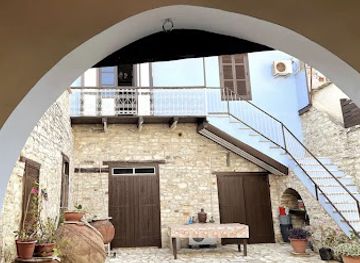
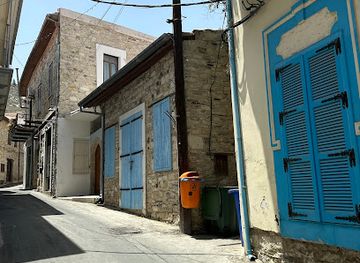
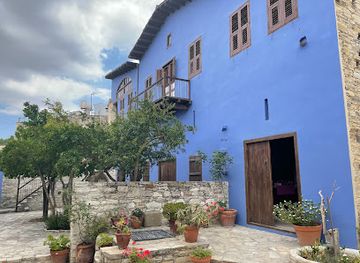
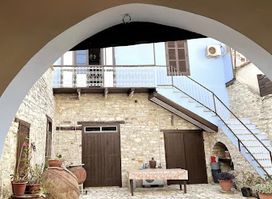
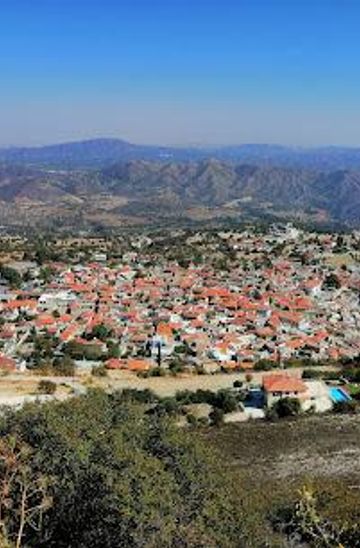
Lefkara, often referred to as "Lefkara the Beautiful" by Cypriots, is a village that encapsulates the essence of Cyprus's rich cultural heritage. Divided into Pano Lefkara (Upper Lefkara) and Kato Lefkara (Lower Lefkara), this mountain village in the Larnaca region is world-renowned for its exquisite lace embroidery, known as 'Lefkaritika,' and its intricate silver handicrafts. The name Lefkara is derived from the Greek words 'lefka' (white) and 'ori' (mountains), a testament to the village's stunning landscape characterized by white silica and limestone. As you approach Lefkara, the picturesque scenery unfolds, revealing a settlement seemingly untouched by time. Cobbled limestone streets wind through the village, flanked by traditional stone cottages with terracotta roofs, creating an atmosphere of serene beauty. The history of Lefkara is as intricate as the lace it produces. Archaeological findings suggest that the region has been inhabited for centuries. The first historical mention of Pano Lefkara dates back to the 12th century in the testament of Saint Neophytos. During the Frankish and Venetian periods, Lefkara flourished, becoming a significant fiefdom and the largest town in Cyprus in the 16th century. The village's architecture reflects the influences of various conquerors, with many houses dating back to the Ottoman period, featuring bare stone facades, inner courtyards, and flat rammed-earth roofs. The heart of Lefkara lies in its artistic traditions. Lace-making, believed to have been influenced by Venetian noblewomen in the 15th century, has been passed down through generations. Legend has it that Leonardo da Vinci himself visited Lefkara and purchased a lace altar cloth, which he later donated to the Milan Cathedral. This intricate craft, characterized by geometric patterns and meticulous needlework, reached its peak in the early 20th century and was recognized by UNESCO as part of the Intangible Cultural Heritage of Humanity in 2009. Alongside lace-making, silversmithing has thrived in Lefkara for decades. Skilled artisans create fine filigree work, producing jewelry, spoons, ecclesiastical implements, and other ornate items. Silver and gold are also used to embellish icons and bibles, showcasing the village's dedication to both artistry and religious devotion. Exploring Lefkara is a sensory experience. Wander through the narrow streets, where you'll often find women sitting outside their homes, diligently working on their lace creations. Visit the Lefkara Handicraft Centre and the Museum of Traditional Embroidery and Silversmithing to learn about the history and techniques behind these crafts. The Museum, housed in the restored Patsalos residence, offers a glimpse into the life of a wealthy Lefkara family in the early 20th century, showcasing traditional furniture, costumes, and examples of Lefkara lacework. Don't miss the opportunity to visit the Church of the Holy Cross (Timios Stavros), a notable architectural landmark dating back to the 13th century. The church features frescoes from 1760 and houses a relic believed to contain a fragment of the True Cross. Other significant sites include the Folklore Museum, the old fountain, and the old olive mill. Lefkara is also a haven for food lovers. Traditional Cypriot restaurants in the village and surrounding area serve mouthwatering dishes such as Lefkara ttavas and koupepia (stuffed vine leaves). Be sure to try the mpourekia, a pastry filled with anari, the Cyprus ricotta cheese equivalent. Throughout the year, Lefkara hosts several festivals and events that celebrate its cultural heritage. The annual Lefkara Festival in August is a vibrant celebration featuring exhibitions of lace and silverware, traditional music and dance performances, and various cultural activities. Today, Lefkara continues to attract visitors from around the world who come to experience its unique charm and artistic traditions. The village's commitment to preserving its heritage has earned it recognition as one of the Best Tourism Villages by the UNWTO. Whether you're interested in history, art, or simply soaking in the beauty of the Cypriot countryside, Lefkara offers a rich and rewarding experience that will leave you with lasting memories.

Popular Experiences near Lefkara

Popular Hotels near Lefkara

Select Currency