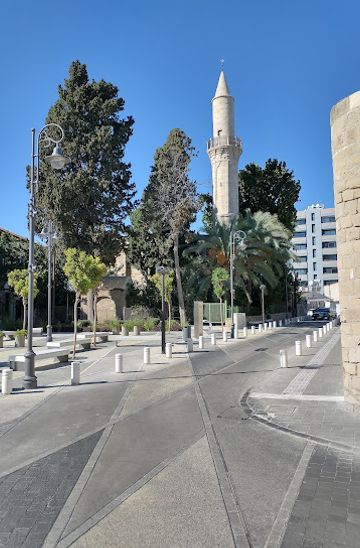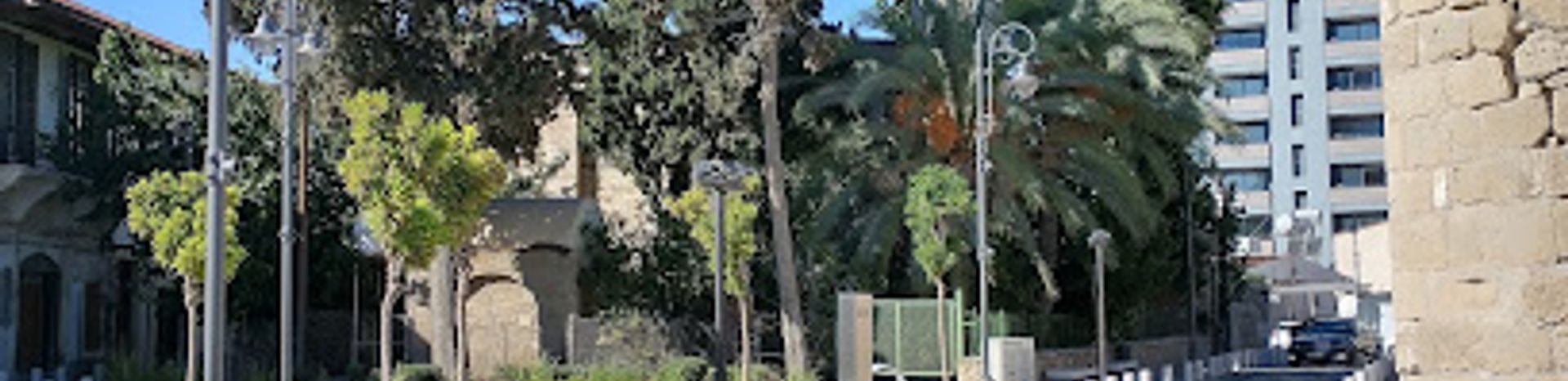
Explore the Rich History of Larnaka Medieval Fort
Discover Larnaka Medieval Fort, a historical landmark in Cyprus with stunning architecture and breathtaking views of the Mediterranean.
Larnaka Medieval Fort, a historical gem in Cyprus, invites tourists to delve into its storied past and stunning architecture. This fortress not only showcases the island's rich heritage but also provides breathtaking views of the Mediterranean Sea, making it a must-visit destination for history buffs and casual travelers alike.
A brief summary to Larnaka Medieval Fort
- WJ6Q+42Q, Piale Pasa, Larnaca, CY
- Click to display
- Click to display
- Monday 8 am-7:30 pm
- Tuesday 8 am-7:30 pm
- Wednesday 8 am-7:30 pm
- Thursday 8 am-7:30 pm
- Friday 8 am-7:30 pm
- Saturday 9:30 am-7:30 pm
- Sunday 9:30 am-7:30 pm

Know before you go
Hi, I'm Eve. Here are a few practical things to know before exploring Larnaka Medieval Fort.
- Visit during the early morning or late afternoon to avoid crowds and enjoy cooler temperatures.
- Don't forget your camera; the views from the fort are stunning, especially at sunset.
- Check out the small museum inside the fort for a deeper understanding of its history.
- Wear comfortable shoes as the fort has many stairs and uneven surfaces.
- Combine your visit with a stroll along the nearby promenade for a complete day out.
Do you manage this location?
Take control to get all the benefits, like improved information, better appearance, and stronger visibility across AI-powered discovery. Learn more
Activate your presence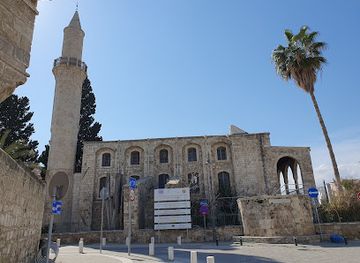
Getting There
-
Car
If you're driving to Larnaka Medieval Fort, set your GPS to WJ6Q+42Q, Piale Pasa, Larnaca 6026, Cyprus. The fort is situated near the coast and is easily accessible from the main roads in Larnaca. You can park in the nearby public parking areas, typically costing around €1-2 per hour. Upon arrival, you will see the fort's entrance, which is marked.
-
Public Transportation - Bus
To reach Larnaka Medieval Fort by bus, take the local bus route that services Larnaca. You can board the bus at any central bus station in Larnaca. Look for buses heading to the city center or those that stop at 'Finikoudes' beach. The nearest bus stop to the fort is 'Finikoudes', which is about a 5-minute walk away. Once you get off at Finikoudes, head towards the coast and follow the promenade north until you see the fort. Bus fares are approximately €1.50 for a single journey.
-
Walking
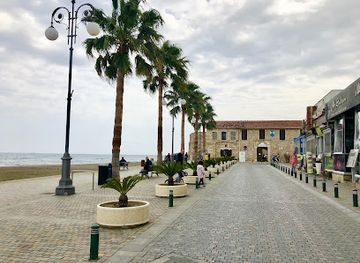
If you are already in the city center or near the Finikoudes beach area, you can simply walk to Larnaka Medieval Fort. From the main promenade, head towards the fort which is located just a few minutes on foot. Follow the signs for 'Larnaka Medieval Fort' or ask locals for directions. Walking is free and allows you to enjoy the scenic views along the coast.
Discover more about Larnaka Medieval Fort
Explore the best of what Larnaka Medieval Fort has to offer













More about Larnaca District
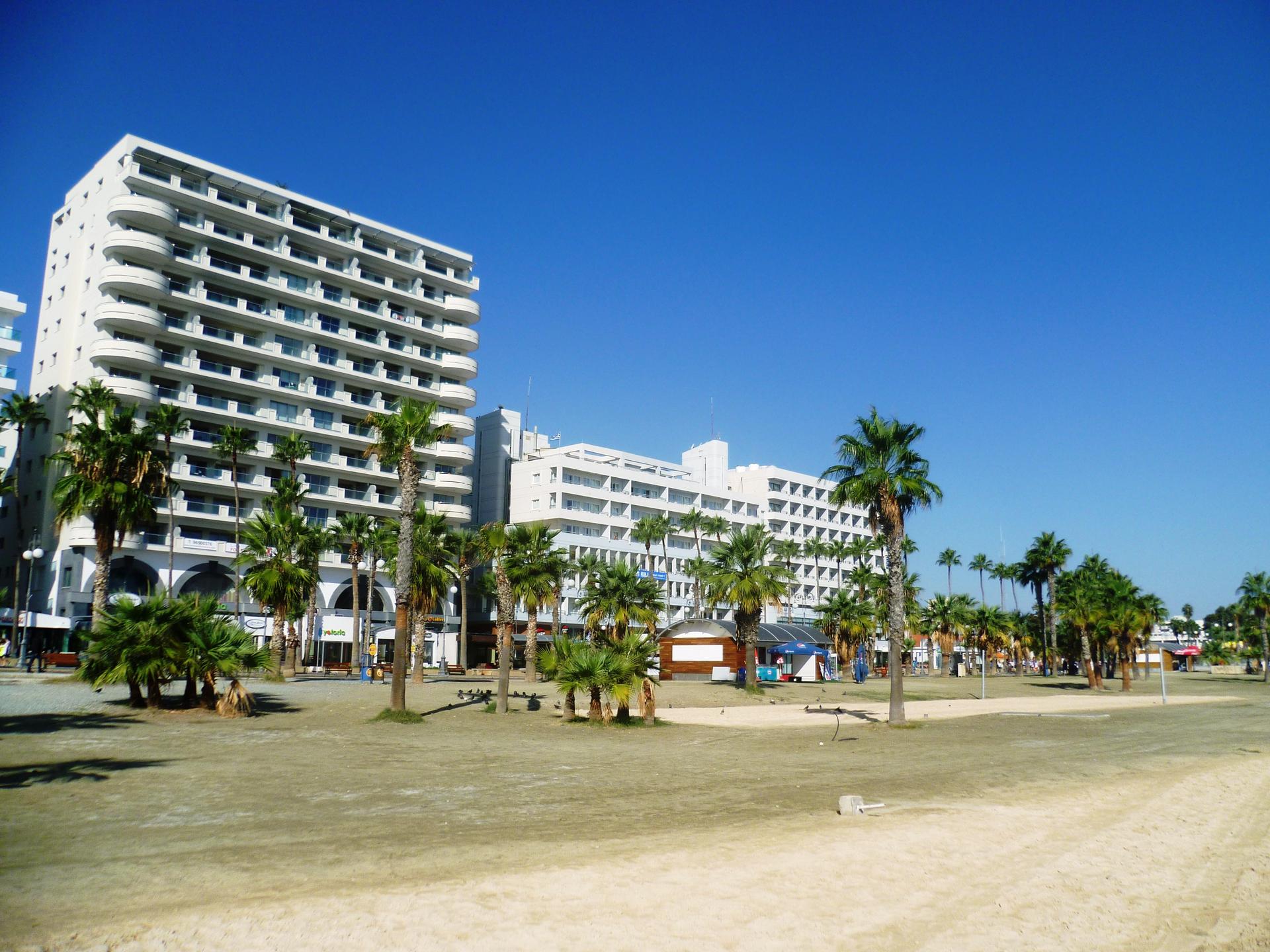
Explore Larnaca District: A captivating blend of ancient history, stunning beaches, and vibrant nightlife on the southern coast of Cyprus.
Tell me more about Larnaca District
Experience Larnaca's rich culture and stunning coastal views with Love Buses sightseeing tours, perfect for every traveler.
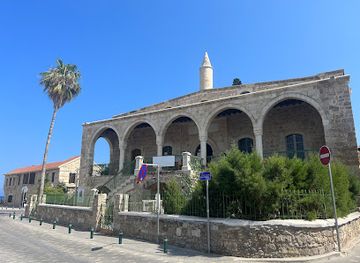
Discover the Djami Kebir Mosque, a stunning architectural gem in Larnaca, Cyprus, blending rich history and serene spirituality.