

Free Larnaca District Travel Guide & Mobile App
Explore Larnaca District with free travel guides. Discover regional history, expert tips, proposed trips, and audio guides on web or mobile app.


Explore Larnaca District in Cyprus for historic streets, salt lakes, archaeological sites, village crafts, sandy beaches and southern Mediterranean food.
Read more about Larnaca District
When is the best time to visit Larnaca District?
Best: April–May, October · 24–28°C| Month | High (°C) | Rainfall (mm) |
|---|---|---|
| January | 16 | 60 |
| February | 17 | 50 |
| March | 20 | 40 |
| April (best) | 24 | 20 |
| May (best) | 28 | 10 |
| June | 32 | 1 |
| July | 35 | 1 |
| August | 36 | 1 |
| September | 33 | 10 |
| October (best) | 28 | 20 |
| November | 22 | 40 |
| December | 18 | 50 |
Getting to and around Larnaca District
How to get there
Transportation
Top city travel guides in Larnaca District
The cities of Larnaca District, and the easiest places to base yourself.
-

-


Swipe for more cities
Destinations in Larnaca District
Resorts, valleys and scenic spots worth a trip of their own.
-
-

-

-

-


Swipe for more destinations
Best attractions in Larnaca District
Larnaca District offers a useful balance of urban heritage, archaeology, wetlands, beaches and rural excursions. In Larnaca, the Church of Saint Lazarus, Larnaca Castle and the ancient remains of Kition form a compact historical circuit, while the Pierides Museum provides further context for Cyprus’s art and archaeology. The Salt Lake and Hala Sultan Tekke create a distinctive landscape south-west of the centre, particularly during the cooler months when migratory birds visit the wetland. Along the coast, Finikoudes, Mackenzie, Pervolia and neighbouring beaches support swimming, watersports, cafés and evening walks. Inland, the Neolithic settlement of Choirokoitia introduces Cyprus’s prehistoric past, and the villages of Lefkara and Pano Lefkara combine traditional architecture with lace and silver craftsmanship. Kiti’s Angeloktisti church and the hilltop monastery of Stavrovouni add religious and architectural interest, although visitors should check access arrangements. The district also suits cycling, birdwatching, scuba diving and scenic drives through olive groves, vineyards and foothill villages.
-
 Greek Orthodox church
Holy Church of Saint Lazarus
Discover the spiritual heart of Larnaca at the Holy Church of Saint Lazarus, a magnificent 9th-century Byzantine church with a rich history and stunning architecture.
-
Public beach
Finikoudes Beach
Larnaca's iconic beach offers golden sands, turquoise waters, and a vibrant promenade, blending relaxation, adventure, and culture for an unforgettable Mediterranean experience.
-
Tourist attraction
Camel Park
Discover a unique family adventure at Camel Park in Mazotos, Cyprus, home to diverse animals and exciting activities, creating lasting memories.
-
Historical landmark
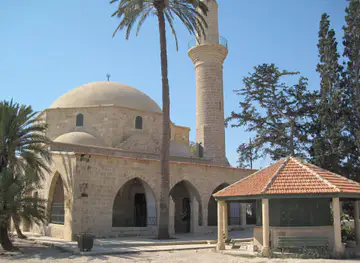
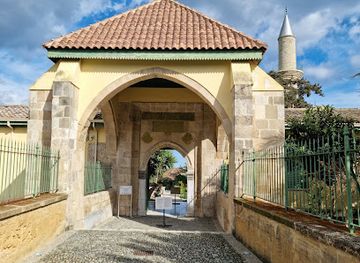
Landmark of Hala Sultan Tekkesi
Discover the serene beauty and rich history of Hala Sultan Tekke, a significant Islamic pilgrimage site nestled beside the tranquil Larnaca Salt Lake in Cyprus.


Best landmarks in Larnaca District
The Church of Saint Lazarus is Larnaca’s defining historic monument, a substantial ninth-century stone church whose traditional association with the city’s first bishop gives it lasting religious importance. Nearby Larnaca Castle marks the old harbour area and reflects the district’s medieval and Ottoman history. South-west of the city, Hala Sultan Tekke stands beside the Salt Lake and is one of Cyprus’s most significant Islamic landmarks, combining spiritual importance with an unusually open wetland setting. The excavated remains of Ancient Kition are less visually complete than a preserved ancient town, but they identify the archaeological foundations beneath modern Larnaca. Inland, Choirokoitia’s reconstructed Neolithic dwellings and surviving settlement remains represent the island’s early farming communities. Angeloktisti Church at Kiti is noted for its early Christian and Byzantine heritage, including a celebrated mosaic, while the monastery of Stavrovouni occupies a prominent hilltop position above the surrounding plain. In Lefkara, the tightly packed stone houses, lanes, churches and workshops form a living architectural landmark shaped by craft and village history.
-
Greek Orthodox church
Holy Church of Saint Lazarus
Discover the stunning Holy Church of Saint Lazarus in Larnaca, a remarkable blend of Byzantine architecture and rich cultural heritage.
-
Public beach
Finikoudes Beach
Experience the beauty of Finikoudes Beach in Larnaca, Cyprus, where golden sands meet turquoise waters, perfect for relaxation and adventure.
-
Marina
Larnaca Marina
Explore the Mediterranean charm of Larnaca Marina, a vibrant hub for yachts, dining, and nautical adventures in Cyprus.
-
Historical landmark
Landmark of Hala Sultan Tekkesi
Discover the enchanting Hala Sultan Tekkesi, a historical mosque in Larnaca, where spirituality and stunning architecture unite to tell Cyprus's diverse story.


Explore Larnaca District on the map
Plan your trip on one map. See where the top cities, national parks and sights are, and book hotels and experiences in a few clicks.
Best hotels in Larnaca District
Best restaurants in Larnaca District
Larnaca District’s food culture ranges from seafront seafood restaurants and modern cafés to family-run tavernas and village kitchens. Meze remains a practical way to sample a succession of Cypriot dishes, including grilled meats, pulses, salads, seasonal vegetables, dips and locally produced halloumi, while tavernas often add bread, olives and regional specialities according to the season. Fish and seafood feature prominently along the coast, including around Larnaca and Zygi, although menus and availability vary with fishing conditions. Inland villages offer a more rustic setting for slow-cooked meats, mountain vegetables, pastries and sweets, and Lefkara is associated with local delicacies such as almond-based treats and traditional baked goods. Coffee shops and bakeries provide simpler daytime options, with strong Cypriot coffee, cold drinks and savoury pastries. Farmers’ stalls and village shops are useful for olive oil, honey, fruit, wine and other products from the surrounding countryside.
-
Restaurant
Ocean Basket Larnaca
Experience fresh seafood delights at Ocean Basket Larnaca, where coastal flavors meet stunning Mediterranean views.
-
Mediterranean
Souvlaki.gr
Savor authentic Greek cuisine at Souvlaki.gr in Larnaca—where every meal is a delightful journey into Mediterranean flavors.
-
Greek
Militzis Traditional Tavern
Discover Militzis Traditional Tavern: A Culinary Gem in Larnaca Serving Authentic Greek Dishes with Warm Hospitality.
-
Fish restaurant
Zephyros Restaurant
Experience exceptional seafood dining at Zephyros Restaurant in Larnaca—where every dish is a celebration of Mediterranean flavors.


Best bars in Larnaca District
Evening life in Larnaca District is concentrated in Larnaca city and the coastal strip rather than spread evenly across the countryside. Finikoudes combines promenade cafés, bars and restaurants with an easy-going seaside atmosphere, while Mackenzie is known for dining, cocktails and views across the beach and airport approach. The city also has smaller wine bars, pubs, live-music venues and late-night establishments, with the liveliest periods usually occurring in summer and at weekends. Outside Larnaca, coastal communities provide restaurants and relaxed bars rather than a large club scene, and rural villages tend to centre their evenings on tavernas, traditional cafés and occasional cultural events. Visitors should check current opening arrangements locally, as seasonal hours and business status can change. Enjoying a long meal, local wine or coffee is often a more representative rural evening than seeking formal nightlife.
-
Bar
Ammos
Experience the vibrant atmosphere and exquisite flavors at Ammos, a top bar and restaurant on Makenzie Beach, Larnaca, Cyprus.
-
Bar
Lush Beach Bar Resto
Experience the vibrant ambiance and delectable cuisine at Lush Beach Bar Resto in Larnaca, Cyprus, where every meal is a beachfront celebration.
-
Restaurant
Rebuke Lounge
Discover the culinary delights and vibrant atmosphere of Rebuke Lounge on Makenzy Beach, Larnaca - a perfect dining destination in Cyprus.
-
Sports bar
The Meeting Pub
Discover The Meeting Pub in Larnaca, where sports excitement meets delicious food and a lively atmosphere for a memorable night out.


Best nightclubs in Larnaca District
Evening life in Larnaca District is concentrated in Larnaca city and the coastal strip rather than spread evenly across the countryside. Finikoudes combines promenade cafés, bars and restaurants with an easy-going seaside atmosphere, while Mackenzie is known for dining, cocktails and views across the beach and airport approach. The city also has smaller wine bars, pubs, live-music venues and late-night establishments, with the liveliest periods usually occurring in summer and at weekends. Outside Larnaca, coastal communities provide restaurants and relaxed bars rather than a large club scene, and rural villages tend to centre their evenings on tavernas, traditional cafés and occasional cultural events. Visitors should check current opening arrangements locally, as seasonal hours and business status can change. Enjoying a long meal, local wine or coffee is often a more representative rural evening than seeking formal nightlife.
-
Night club
DSTRKT
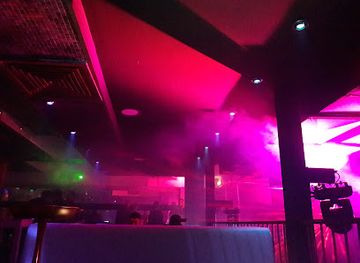
Experience the vibrant nightlife at DSTRKT, Larnaca's premier night club offering dining, dancing, and unforgettable memories.
-
Bar
Kokomo Music Bar
Discover the lively Kokomo Music Bar in Oroklini, Cyprus, where vibrant music, great drinks, and a welcoming atmosphere await you!
-
Night club
Skylight Music Bar
Discover the lively Skylight Music Bar in Larnaca, where live music, salsa dancing, and cocktails come together for an unforgettable night out.
-
Disco club
Club DEEP
Discover the pulsating nightlife at Club DEEP in Larnaca, where music and dance create an unforgettable experience for every party lover.


Best shops in Larnaca District
Shopping in Larnaca District is strongest in the central streets and markets of Larnaca, the independent shops around the old town, and the craft-oriented villages inland. Visitors can look for Cypriot food products such as olive oil, honey, sweets, herbs, wine and village preserves, checking labels and producers rather than assuming every item is locally made. Lefkara and Pano Lefkara are the district’s most distinctive destinations for handmade lace and silver filigree, with workshops and family businesses offering a more culturally rooted alternative to standard souvenirs. Larnaca’s shops also carry ceramics, leather goods, jewellery, textiles and contemporary crafts, while supermarkets and specialist food shops are useful for edible gifts. Small village stores may close during the hottest part of the day or outside peak visiting periods, so do not leave craft purchases until a late evening excursion. For fresh produce, ask locally about current market arrangements, as schedules and locations can vary.
-
Shopping mall
Metropolis Mall@Larnaca
Discover the ultimate shopping experience at Metropolis Mall in Larnaca, where diverse shops, delightful dining, and entertainment await.
-
Tourist attraction
Church of the Holy Cross
Explore the Church of the Holy Cross in Pano Lefkara, a stunning Greek Orthodox church offering rich history, breathtaking views, and serene spirituality.
-
Toy store
Mavros Larnaca
Experience the magic of Mavros Larnaca, a toy store in Cyprus, offering a delightful range of toys, games, and unique gifts for all ages.
-
Tourist attraction
Bee & Embroidery Museum
Explore the Bee & Embroidery Museum in Kato Drys, Cyprus - where nature meets art in a delightful cultural experience.


Get your free copy of our complete guide to Larnaca District, delivered straight to you.
Everything on this page, from attractions and restaurants to essentials and local phrases, in one PDF you can read offline, print or share.
Already have an account? Sign in
Your Larnaca District guide is ready.
We'll send it to · Not you? Sign out

Getting your guide ready…
We are putting together a fresh copy of the Larnaca District guide. This can take up to a minute.
This can take a few moments. If your browser asks, choose Allow so the download can start. You'll find the guide in your Downloads folder.
Nothing happened? Download it again
Sorry, the guide is taking longer than usual. Please try again in a minute, or get it by email instead.
Larnaca District essentials
Currency and Payment
Safety
Emergency Situations
Do's and Don'ts
Local Tips
From Eve
Local phrases worth knowing
You don't need to get them perfect. A few words go a long way, and locals appreciate the effort.
Basics
| English | Local | Say it |
|---|---|---|
| Hello | Γειά σου | [Yia sou] |
| Goodbye | Αντίο | [Antio] |
| Yes | Ναι | [Ne] |
| No | Όχι | [Ohi] |
| Please/You're welcome | Παρακαλώ | [Parakalo] |
| Thank you | Ευχαριστώ | [Efharisto] |
| Excuse me/Sorry | Συγγνώμη | [Signomi] |
| How are you? | Πώς είσαι; | [Pos ise?] |
| Fine. And you? | Καλά. Εσύ; | [Kala. Esy?] |
| Do you speak English? | Μιλάς αγγλικά; | [Milas agglika?] |
| I don't understand | Δεν καταλαβαίνω | [Den katalavaino] |
Eating & Drinking
| English | Local | Say it |
|---|---|---|
| I'd like to see the menu, please | Θα ήθελα να δω το μενού, παρακαλώ | [Tha ithela na do to menu, parakalo] |
| I don't eat meat | Δεν τρώω κρέας | [Den troo kreas] |
| Cheers! | Στην υγειά μας! | [Stin ygeia mas!] |
| I would like to pay, please | Θα ήθελα να πληρώσω, παρακαλώ | [Tha ithela na pliroso, parakalo] |
Emergencies
| English | Local | Say it |
|---|---|---|
| Help! | Βοήθεια! | [Voitheia!] |
| Go away! | Φύγε! | [Fyge!] |
| Call the Police! | Καλέστε την Αστυνομία! | [Kaleste tin Astynomia!] |
| Call a doctor! | Καλέστε έναν γιατρό! | [Kaleste enan giatro!] |
| I'm lost | Είμαι χαμένος | [Ime khamenos] |
| I'm ill | Είμαι άρρωστος | [Ime arrostos] |
Shopping
| English | Local | Say it |
|---|---|---|
| I'd like to buy... | Θα ήθελα να αγοράσω... | [Tha ithela na agoraso...] |
| I'm just looking | Απλά κοιτάζω | [Apla kitazo] |
| How much is it? | Πόσο κοστίζει; | [Poso kostizei?] |
| That's too expensive | Είναι πολύ ακριβό | [Ine poly akrivo] |
| Can you lower the price? | Μπορείς να κατεβάσεις την τιμή; | [Boreis na katevaseis tin timi?] |
Time & Numbers
| English | Local | Say it |
|---|---|---|
| What time is it? | Τι ώρα είναι; | [Ti ora ine?] |
| It's one o'clock | Είναι μία η ώρα | [Ine mia i ora] |
| Half past (10) | Δέκα και μισή | [Deka kai misi] |
| Morning | Πρωί | [Proi] |
| Afternoon | Απόγευμα | [Apogevma] |
| Evening | Βράδυ | [Vrady] |
| Yesterday | Χθες | [Chthes] |
| Today | Σήμερα | [Simera] |
| Tomorrow | Αύριο | [Avrio] |
| 1 | 1 | [1] |
| 2 | 2 | [2] |
| 3 | 3 | [3] |
| 4 | 4 | [4] |
| 5 | 5 | [5] |
| 6 | 6 | [6] |
| 7 | 7 | [7] |
| 8 | 8 | [8] |
| 9 | 9 | [9] |
| 10 | 10 | [10] |
Transport & Directions
| English | Local | Say it |
|---|---|---|
| Where's a/the...? | Πού είναι το ...; | [Pou ine to ...?] |
| What's the address? | Ποια είναι η διεύθυνση; | [Poia ine i diefthinsi?] |
| Can you show me (on the map)? | Μπορείς να μου δείξεις (στο χάρτη); | [Boreis na mou deixeis (sto charti)?] |
| When's the next (bus)? | Πότε είναι το επόμενο (λεωφορείο); | [Pote ine to epomeno (leoforeio)?] |
| A ticket (to ....) | Ένα εισιτήριο (για ...) | [Ena isitirio (gia ...)] |
History of Larnaca District
Neolithic Choirokoitia, c. 7000–5000 BC
Choirokoitia, on the northern side of the Larnaca district, preserves the remains of a large Neolithic settlement occupied over several phases from the seventh millennium BC. Its circular dwellings, stone structures and evidence of early agriculture provide insight into communities that cultivated crops, kept animals and developed organised village life. The settlement’s position on routes between the coast and interior also illustrates the importance of movement across Cyprus from an early date. Today the archaeological site remains one of the clearest places in the district to understand the island’s prehistoric transformation from mobile subsistence to settled farming.
Ancient Kition and the Phoenician period
Ancient Kition developed around the area of present-day Larnaca and became one of Cyprus’s most important urban centres. Bronze Age foundations reveal an early settlement connected with maritime trade, while later Kition was influenced by Greek and Phoenician cultures. Its harbour and strategic position supported contacts across the eastern Mediterranean. Archaeological remains, including temple and industrial areas, show a city involved in craft production, religion and commerce. Although much of the ancient settlement lies beneath the modern city, excavated sections and museum collections explain why Larnaca occupies such an important place in Cyprus’s long urban history.
Byzantine Christianity and the cult of Saint Lazarus
Christian traditions became deeply established in the Larnaca area during the Byzantine period. According to longstanding tradition, Lazarus, associated with the Gospel of John, became the first bishop of Kition after his resurrection. The Church of Saint Lazarus in central Larnaca, rebuilt in the ninth century and later modified, became a major expression of this tradition. Its stone architecture and crypt are among the city’s most significant religious features. The district’s village churches, including Angeloktisti at Kiti, preserve further evidence of Byzantine artistic and ecclesiastical influence.
Medieval Frankish and Venetian Cyprus
From the late twelfth century, Cyprus was ruled by the Lusignan dynasty and later by Venice, bringing Larnaca and its port into wider European political and commercial networks. Salt production and maritime trade contributed to the importance of the southern coast, while fortifications and churches reflected the island’s strategic position between Europe and the Levant. Larnaca Castle, standing close to the old harbour and seafront, dates from the late medieval period, although its present form also reflects later Ottoman changes. The district’s religious and urban architecture retains traces of these successive rulers.
Ottoman rule and the growth of Larnaca’s port
The Ottoman conquest of Cyprus in 1571 reshaped administration, landholding and religious life across the island. Larnaca remained an important port and developed commercial links serving travellers, merchants and consular communities. Hala Sultan Tekke, beside the Salt Lake, became one of the most important Muslim shrines in Cyprus and remains a place of pilgrimage and worship. The town’s historic core also reflects Ottoman-era urban patterns, including religious buildings, narrow streets and changing commercial functions. This period helped establish the layered cultural character that visitors still encounter around Larnaca’s old centre.
British administration and modern transport
Cyprus came under British administration in 1878 and became a British Crown Colony in 1925. Larnaca’s port, roads and administrative institutions were incorporated into a more centralised colonial system, and new transport links strengthened connections between the coast and inland settlements. The transition left architectural and civic traces, although much of the modern city has grown beyond the historic quarters. Following independence in 1960, Larnaca became a major transport centre for the Republic of Cyprus. Its airport, developed after the division of the island in 1974, has since made the district an important arrival point for international visitors.
Lefkara crafts and the changing rural economy
The upland communities of Lefkara developed a distinctive economy based on agriculture, craft production and trade. Lefkaritika lace became particularly associated with the village, while local silversmiths produced filigree jewellery and ecclesiastical or domestic objects. These traditions evolved through household and workshop production and helped connect the village with wider Cypriot and international markets. Tourism and modern employment have changed daily life, but craft remains central to Lefkara’s public identity. The village’s stone houses, narrow lanes and workshops show how a rural cultural economy can continue to shape a destination long after its original economic circumstances have altered.
Larnaca District in Photos
Browse through our photo collection highlighting the charm and character of the destination.
Neighbouring regions of Larnaca District
The closest regions to Larnaca District, if you have time for more than one.
-

-

-

-

-


Swipe for more regions
Explore more

Explore more of Cyprus
Discover Cyprus: A Mediterranean paradise with a rich tapestry of history, culture, and breathtaking landscapes, offering a perfect blend of relaxation and adventure.
Explore Cyprus