

Larnaka Medieval Fort, Larnaca Travel Guide
Free Guide: Explore centuries of history at Larnaka Medieval Fort, from ancient ramparts to museum artifacts, offering stunning sea views and cultural events on the vibrant Foinikoudes promenade.


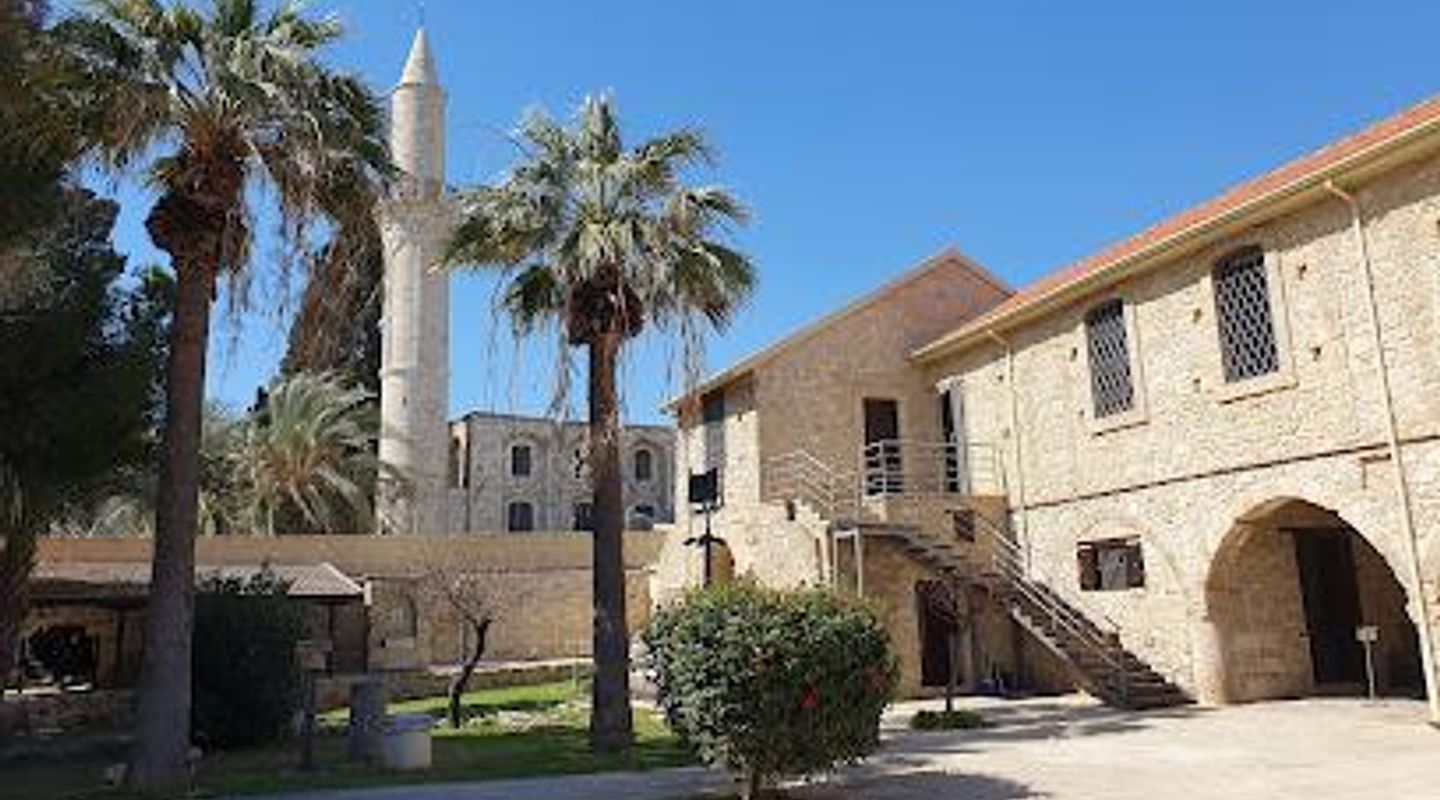
A brief summary of Larnaka Medieval Fort
Explore centuries of history at Larnaka Medieval Fort, from ancient ramparts to museum artifacts, offering stunning sea views and cultural events on the vibrant Foinikoudes promenade.
The Larnaka Medieval Fort, also known as Larnaka Castle, stands proudly at the end of the Foinikoudes promenade, a testament to centuries of Cypriot history. Originally believed to have been constructed during the Middle Ages, the fort took its current form under Ottoman rule in 1625, though its precise origins remain debated. Over the years, it has served various purposes, from protecting the harbor to functioning as a prison under British rule, complete with gallows used until 1948. Today, the fort houses the Larnaka Medieval Museum, displaying artifacts from the Early Christian to Ottoman periods. Visitors can explore its ancient walls, enjoy panoramic sea views, and delve into the island's rich past within its historic walls, making it a captivating destination for history enthusiasts and casual tourists alike. The fort also hosts cultural events in its courtyard, adding a vibrant touch to its historical ambiance.
Opening hours
- Mon8 am–5 pm
- Tue8 am–5 pm
- Wed8 am–5 pm
- Thu8 am–5 pm
- Fri8 am–5 pm
- Sat9:30 am–5 pm
- Sun9:30 am–5 pm
Opening hours as listed on the venue’s Google Business Profile. Hours can change for services and special events, so check with the venue before you go.
- Address
- WJ6Q+42Q, Piale Pasa, Larnaca 6026, Cyprus
- Phone
- Website
Getting there
Walking
Public Transport
Taxi/Ride-Share
Driving
Discover more about Larnaka Medieval Fort
Overview
Larnaka Medieval Fort, a stoic sentinel overlooking the Mediterranean Sea, is a captivating landmark that encapsulates centuries of Cypriot history. Situated at the southern end of the popular Foinikoudes promenade, the fort, also known as Larnaka Castle, offers visitors a unique glimpse into the island's diverse past. The fort's origins are shrouded in some mystery, with its initial construction believed to have occurred during the Middle Ages. Some historical accounts attribute its founding to Lusignan King James I in the late 14th century, who sought to protect Larnaka's vital harbor. However, the structure's present form largely dates back to Ottoman rule in 1625. This blend of influences is evident in the fort's architecture, which incorporates both medieval and Ottoman design elements. Throughout its long history, the Larnaka Medieval Fort has served many roles. Initially, it was a crucial defensive structure, guarding the coastline and harbor from potential invaders. As the strategic importance of Larnaka evolved, so did the fort's function. During the Ottoman period, it housed a garrison of Janissaries and was equipped with cannons to protect the town. Following the end of Ottoman rule, the British transformed the fort into a prison. This somber chapter in its history is marked by the presence of gallows, which were used until 1948. The fort's western chamber on the ground floor served as the site of executions, a stark reminder of its past as a place of confinement and punishment. Today, the Larnaka Medieval Fort is a museum, offering visitors a fascinating journey through the region's history. The Larnaka Medieval Museum, housed within the fort's walls, features a diverse collection of artifacts spanning from the Early Christian period (4th-7th centuries) to the Ottoman era (18th-19th centuries). Exhibits include Byzantine wall paintings, medieval pottery, Venetian-era helmets and swords, and Ottoman-era cooking utensils. These artifacts provide valuable insights into the cultural, economic, and social life of Larnaka and Cyprus over the centuries. The fort's courtyard is also a notable feature, showcasing a collection of Ottoman cannons. In the summer months, the courtyard transforms into an open-air theater, hosting theatrical performances and concerts, adding a vibrant cultural dimension to the historical site. With a capacity of 600 seats, the open-air theatre provides a unique setting for enjoying the arts against the backdrop of the ancient fort. Visitors to the Larnaka Medieval Fort can explore its well-preserved walls, towers, and dungeons, gaining a sense of its former grandeur and strategic importance. The ramparts offer stunning panoramic views of the Mediterranean Sea and the surrounding coastline, providing excellent photo opportunities. The fort's location at the end of the Foinikoudes promenade makes it easily accessible and a natural extension of a stroll along the beach. The fort's surroundings also contribute to its appeal. The adjacent Piale Pasha street, with its blend of traditional and modern architecture, offers a variety of dining and shopping options. The nearby Finikoudes promenade is lined with palm trees, restaurants, and cafes, creating a lively atmosphere that complements the fort's historical ambiance. Visiting the Larnaka Medieval Fort is an enriching experience that combines history, culture, and scenic beauty. Whether you are a history enthusiast, a culture seeker, or simply looking for a unique attraction, the fort offers something for everyone. Its well-preserved structure, fascinating museum, and stunning coastal views make it a must-see destination in Larnaka. The Larnaka Medieval Fort stands as a symbol of resilience and adaptation, having witnessed countless events that have shaped the history of Larnaka and Cyprus. Its transformation from a defensive stronghold to a prison and finally to a museum reflects the island's dynamic past and its ability to embrace change while preserving its cultural heritage. A visit to this iconic landmark is an opportunity to step back in time and connect with the rich tapestry of Cypriot history.
Evendo Review Centre
 Google
Guest reviews
Explore Larnaka Medieval Fort on the map
A handpicked selection of must-see spots near Larnaka Medieval Fort, mapped for you.
Get your free copy of our complete guide to Larnaka Medieval Fort, delivered straight to you.
Everything on this page, from opening hours and how to get there to Eve’s tips and the best time to go, in one PDF you can read offline, print or share.
Already have an account? Sign in
Your Larnaka Medieval Fort guide is ready.
We'll send it to · Not you? Sign out

Getting your guide ready…
We are putting together a fresh copy of the Larnaka Medieval Fort guide. This can take up to a minute.
This can take a few moments. If your browser asks, choose Allow so the download can start. You'll find the guide in your Downloads folder.
Nothing happened? Download it again
Sorry, the guide is taking longer than usual. Please try again in a minute, or get it by email instead.
Unlock the best of Larnaka Medieval Fort
Skip-the-line tickets, guided tours with entry, and walking tours of the area, booked in a few clicks.


Other nearby places you may find interesting
The closest places of the same kind, if this one is not quite what you had in mind.
-
-
-
-
-


Swipe for more places
More to explore near Larnaka Medieval Fort

 Best experiences near Larnaka Medieval Fort
 Best hotels near Larnaka Medieval Fort
 Best landmarks near Larnaka Medieval Fort
 Best attractions near Larnaka Medieval Fort
 Best shops near Larnaka Medieval Fort
 Best restaurants near Larnaka Medieval Fort
 Best bars near Larnaka Medieval Fort
Do you manage this location?
Take control to get all the benefits, like improved information, better appearance, and stronger visibility across AI-powered discovery.
Explore more

Explore more of Larnaca
Discover Larnaca, Cyprus: A coastal city rich in history, culture, and natural beauty, offering stunning beaches, ancient sites, and vibrant local life.
Explore Larnaca
Explore more of Cyprus
Discover Cyprus: A Mediterranean paradise with a rich tapestry of history, culture, and breathtaking landscapes, offering a perfect blend of relaxation and adventure.
Explore Cyprus
