Limassol Municipal Museum of Folk Art
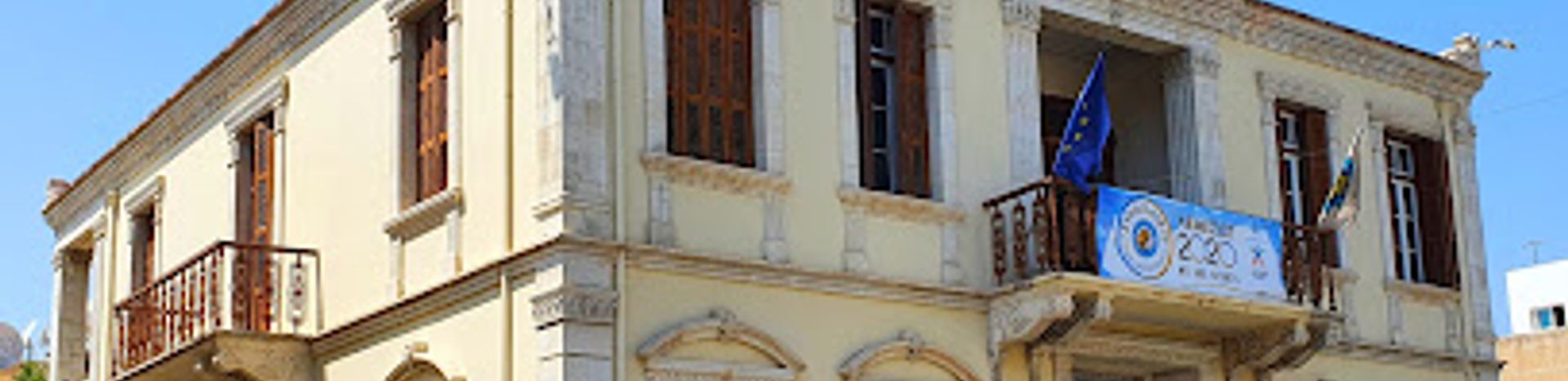
Discover the heart of Cypriot culture at the Limassol Municipal Museum of Folk Art, showcasing a rich collection of 19th and 20th-century folk art in a beautifully restored traditional building.
Step back in time at the Limassol Municipal Museum of Folk Art, a captivating repository of Cypriot heritage housed in a beautifully restored building. Established in 1985, the museum showcases an impressive collection of folk art and crafts from the late 19th and early 20th centuries. Wander through six rooms filled with over 500 exhibits, offering a glimpse into the island's rich cultural tapestry. Admire traditional costumes, intricate embroidery, wood carvings, agricultural tools, and exquisite jewelry, each telling a story of Cypriot life. The museum's dedication to preserving cultural heritage was recognized with the prestigious 'Europa Nostra' award, making it a must-see for those seeking an authentic Cypriot experience. It's a tranquil escape from the city's bustle, offering a serene environment to appreciate the beauty of traditional arts.
A brief summary to Municipal Museum of Folk Art
- Agiou Andreou 253, Limassol, CY
- +35725362303
- Visit website
- Monday 8:30 am-2:30 pm
- Tuesday 8:30 am-2:30 pm
- Wednesday 8:30 am-2:30 pm
- Thursday 8:30 am-2:30 pm
- Friday 8:30 am-2:30 pm
Local tips
- Visit during the week, as the museum is closed on weekends and public holidays.
- Combine your visit with a stroll along Agiou Andreou Street, known for its shops and cafes.
- Check the official website or call ahead for information on temporary exhibitions or special events.

Getting There
-
Public Transport
From the Limassol seafront, catch bus number 30. Any bus stop along the seafront road will work. Get off the bus near the Catholic Church and walk towards Agiou Andreou Street. The museum will be on your left. A single bus fare costs €1.50 during the day and €2.50 at night. Tickets can be purchased on the bus.
-
Walking
If you are already in the city center, near the Limassol Castle or Molos promenade, the museum is easily reachable by foot. Walk east along the seafront promenade until you reach Agiou Andreou Street, then turn inland. The museum is a short walk up the street. The walk is approximately 15-20 minutes from the castle.
-
Taxi/Ride-Share
Taxis and ride-sharing services are readily available in Limassol. Simply ask to be dropped off at the Municipal Museum of Folk Art on Agiou Andreou Street. A short taxi ride from the Limassol Marina area will cost approximately €8-€12, depending on traffic.
-
Driving
Driving to the museum is possible, but parking in the immediate vicinity can be challenging. There are several public parking lots in the city center, a few blocks away from Agiou Andreou Street. Parking fees typically range from €1-€2 per hour. Consider parking near the Molos area and walking the remaining distance.
Discover more about Municipal Museum of Folk Art
Iconic landmarks you can’t miss

Akti Olympion Beach
0.4 km
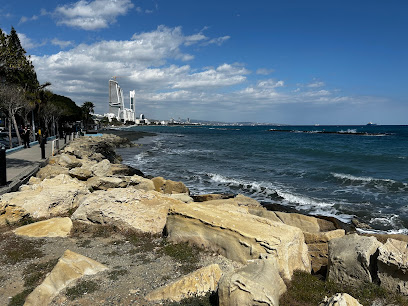
Limassol's vibrant Akti Olympion Beach: Enjoy swimming, sunbathing, dining, and city exploration along this accessible coastal strip.
La Maltese Mansion
0.5 km
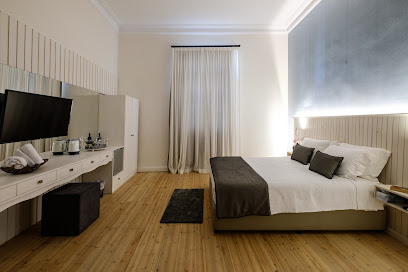
Experience historical charm and modern luxury at La Maltese Mansion, nestled in the heart of Limassol's vibrant old town.
Yellow House
0.7 km
Discover the historical charm of the Yellow House in Limassol, a stunning landmark embodying Cyprus's rich cultural heritage.
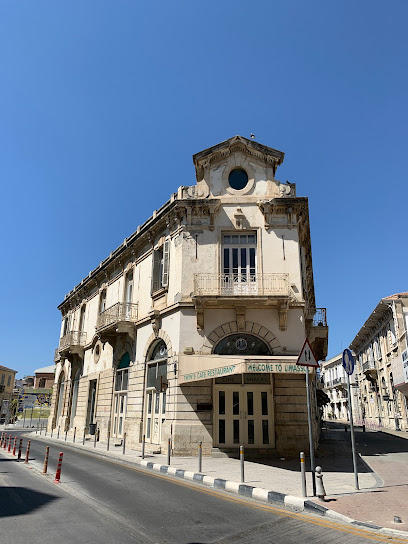
Gothic Capital 13th Century AD.
1.0 km
Explore the Gothic Capital in Limassol, a 13th-century historical landmark that showcases medieval architecture and rich Cypriot heritage.
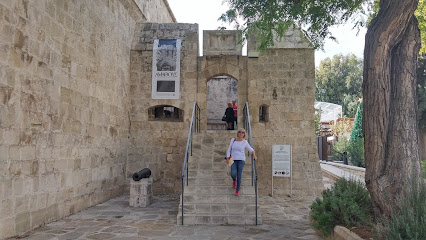
Limassol Old Port
1.2 km
Explore the enchanting Limassol Old Port, a vibrant blend of history, culture, and stunning seaside views in Cyprus.
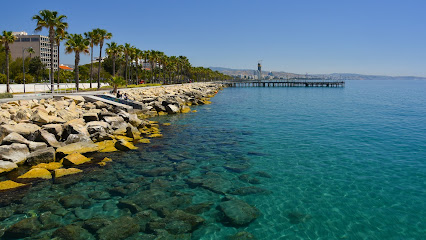
Akti Olympion A beach
1.2 km
Discover the beauty of Akti Olympion A Beach in Limassol, Cyprus, where golden sands and crystal-clear waters create the perfect seaside escape.
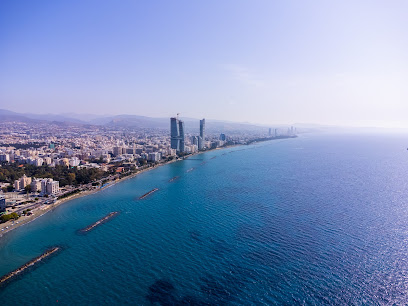
Fountain of the Good Samaritan
1.3 km
Experience the beauty and history of Limassol at the Fountain of the Good Samaritan, a serene landmark symbolizing kindness and community.
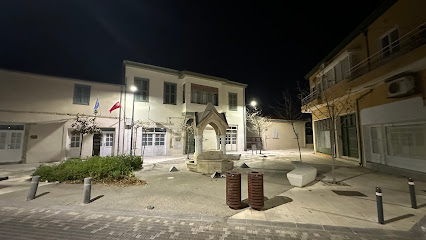
Akti Olympion B beach - Blue Flag
1.5 km
Discover the beauty of Akti Olympion B Beach in Cyprus, a perfect blend of relaxation, adventure, and stunning natural scenery.
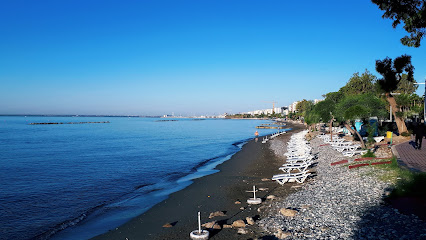
Limassol
2.7 km
Explore Limassol, Cyprus: A dynamic coastal city with stunning beaches, rich history, and vibrant nightlife for an unforgettable travel experience.

Dasoudi Beach - Blue Flag
3.6 km
Experience sun, sea, and tranquility at Limassol's Dasoudi Beach, a Blue Flag paradise with golden sands, clear waters, and a refreshing eucalyptus park.
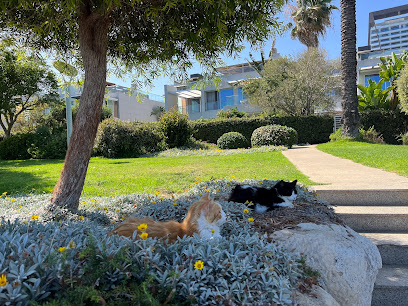
Medieval Bridge of Germasogeia
4.2 km
Discover the Medieval Bridge of Germasogeia, a historic landmark offering picturesque views and a tranquil escape in Cyprus.
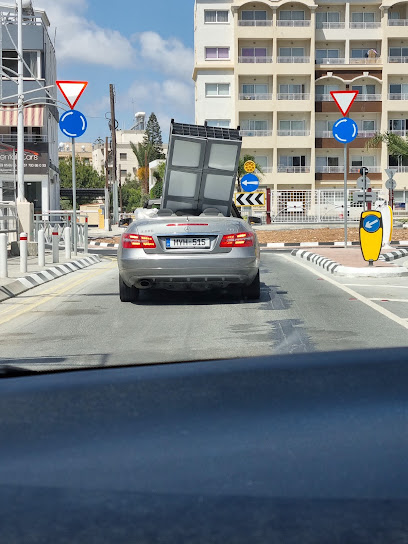
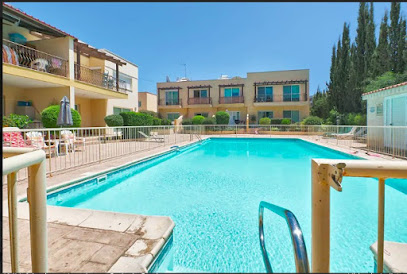
Cydonia Gardens
5.4 km
Experience tranquility at Cydonia Gardens, a serene condominium complex in Germasogeia, Cyprus, ideal for relaxation and exploration.
Polemidia National Park
5.5 km
Discover the natural beauty and tranquility of Polemidia National Park, a serene escape in Limassol, Cyprus, perfect for hiking and picnicking.
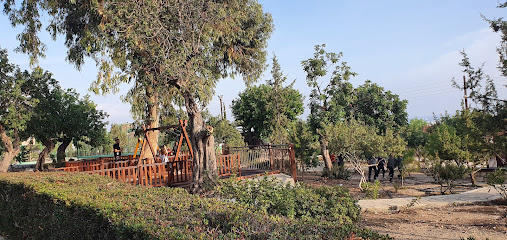
Pano Polemidia park
5.8 km
Experience the beauty of nature at Pano Polemidia Park, a serene oasis in Cyprus perfect for relaxation, family fun, and cultural exploration.
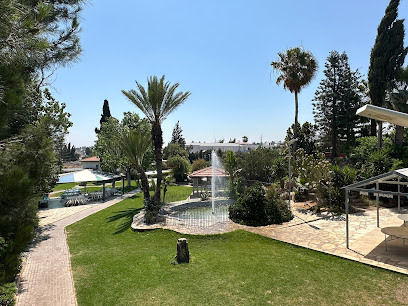
Mouttagiaka amphitheatre
6.5 km
Discover the Mouttagiaka Amphitheatre, a stunning open-air venue in Cyprus that blends breathtaking views with rich cultural experiences.
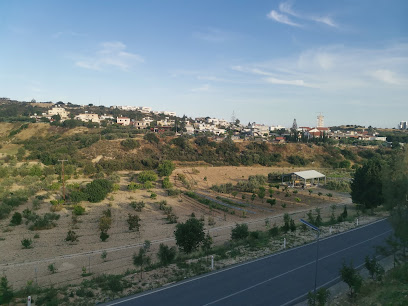
Unmissable attractions to see

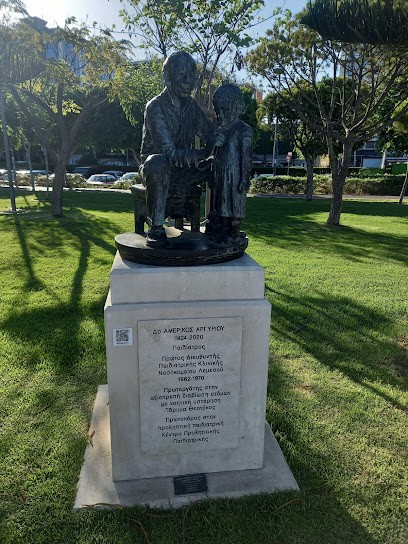
Αγαλμα του Δρ Αμερικος Αρτυριου
0.2 km
A monument honoring Dr. Amerikos Argyriou, a pioneering pediatrician who revolutionized children's healthcare in Limassol, Cyprus.
Limanaki beach
0.4 km
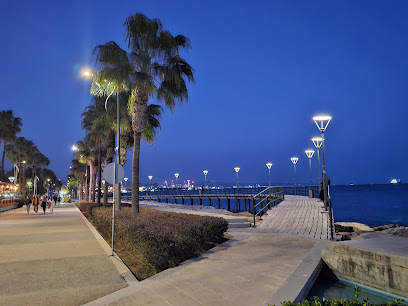
Discover Limanaki Beach in Limassol: golden sands, turquoise waters, and vibrant Cypriot culture combine for an unforgettable Mediterranean escape, perfect for relaxation and exploration.
Sculpture Park
0.4 km
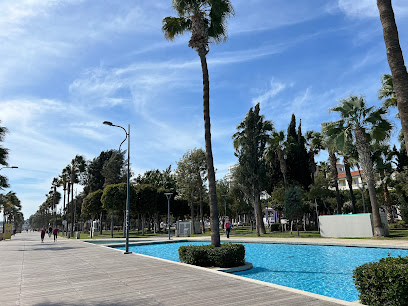
Discover a harmonious blend of art and nature at Limassol's Sculpture Park, an open-air gallery on the vibrant Molos promenade.
Molos
0.4 km
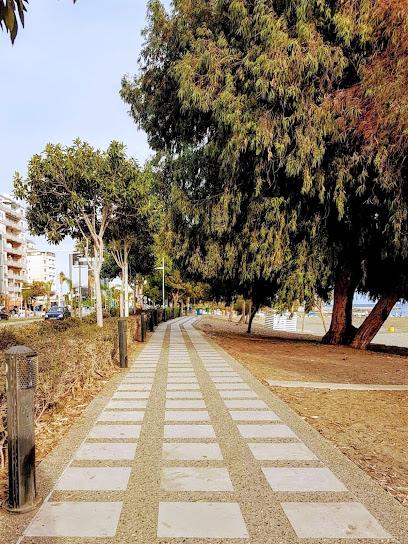
Explore the scenic waterfront, rich history, and vibrant culture of Molos, Cyprus, where every corner reveals a new adventure.
Molos Limassol - Promenade
0.5 km
Experience the beauty of Molos Limassol, a vibrant promenade where the Mediterranean meets culture, art, and recreation, offering something for everyone along Cyprus' stunning coastline.
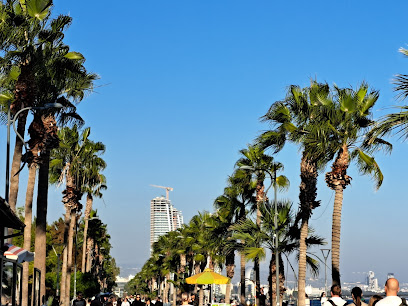
The bridge
0.5 km
Explore the enchanting bridge in Limassol, a picturesque tourist attraction offering stunning views and a perfect backdrop for memorable photographs.
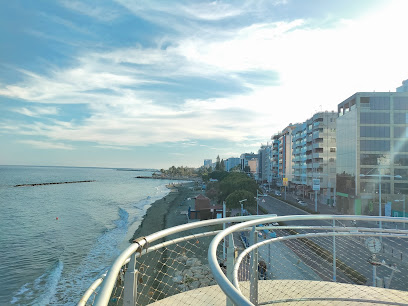
Fountain of Daryna and Julien
0.5 km
Discover a tranquil oasis in Limassol: The Fountain of Daryna and Julien offers a serene escape with lush gardens, romantic folklore, and captivating art along the vibrant Molos promenade.

Molos, Center Small Pier
0.6 km
Experience the beauty of Limassol's coastline at Molos Pier, a vibrant promenade offering stunning sea views, cultural attractions, and a taste of Cypriot hospitality along the Mediterranean.

Lania
0.7 km
Discover Lania, a captivating Cypriot village nestled in the Troodos Mountains, offering a timeless escape with its traditional charm, artistic spirit, and stunning natural beauty.
Limassol Municipal Garden
0.7 km
Discover a serene escape in the heart of Limassol at the Municipal Garden, a historic green space offering a zoo, cultural events, and a tranquil retreat for all ages.
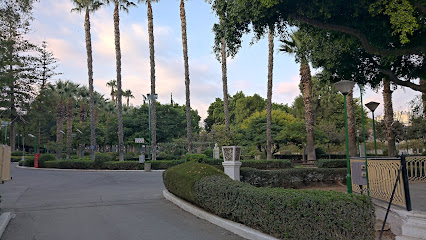
Ayia Napa Cathedral
0.7 km
Discover the spiritual heart of Limassol at Ayia Napa Cathedral, a Byzantine masterpiece with stunning frescoes, serene ambiance, and rich cultural significance along the vibrant Agiou Andreou Street.
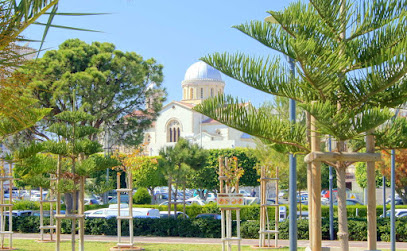
Municipal Zoo
0.8 km
Discover a world of wildlife and conservation in the heart of Limassol, where exotic animals, educational programs, and a commitment to sustainability create an unforgettable experience.
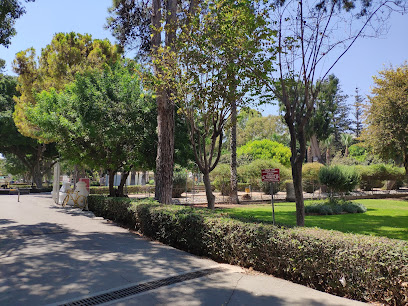
Limassol piers
0.8 km
Experience the allure of Limassol's coastline with scenic piers offering breathtaking Mediterranean views, vibrant cultural experiences, and a glimpse into the city's rich maritime history.
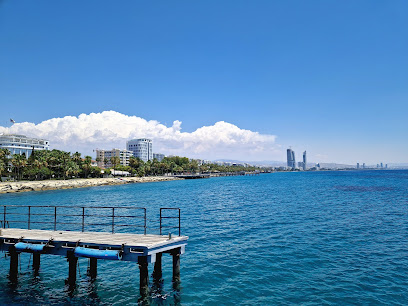
ESCAPE Limassol Old Town
0.8 km
Experience the thrill of immersive escape rooms in Limassol's historic Old Town, perfect for adventure seekers, families, and team-building, followed by exploration of local culture and cuisine.
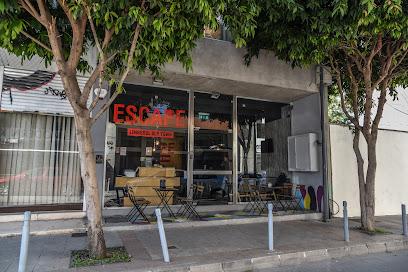
Archaeological Museum of the Lemesos (Limassol) District
0.8 km
Uncover Cyprus's ancient past at the Archaeological Museum of the Lemesos District, showcasing artifacts from the Neolithic Age to the Roman period near the Municipal Gardens.
Essential places to dine

Le Bordeaux Bistro - French Restaurant
0.1 km
Experience authentic French cuisine in a romantic setting at Le Bordeaux Bistro in Limassol—where every meal is a delightful journey.
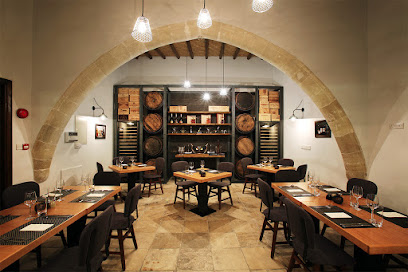
La Boca
0.2 km
Discover La Boca in Limassol: Where Local Flavors Meet Culinary Excellence for an Unforgettable Dining Experience.
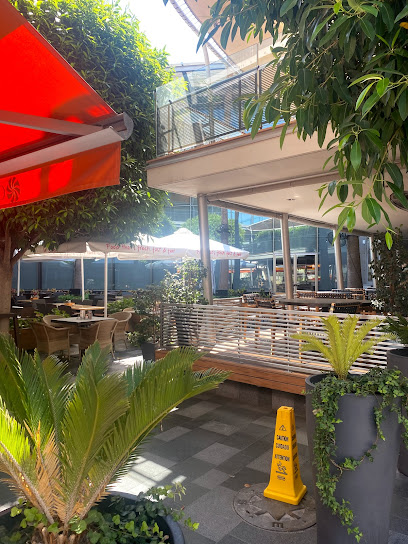
Columbia Steak House
0.2 km
Discover Limassol's finest steakhouse offering premium cuts in an inviting atmosphere perfect for any occasion.
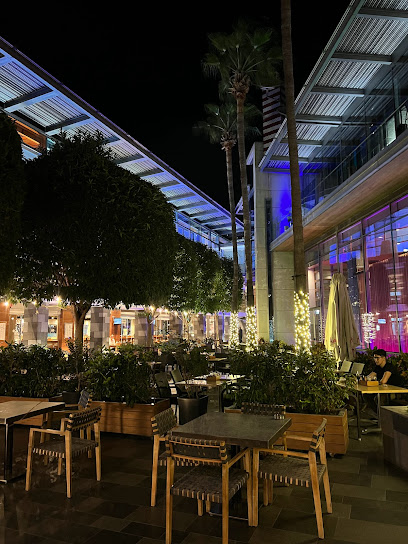
Melissa Restaurant
0.3 km
Experience authentic Greek cuisine at Melissa Restaurant in Limassol; savor traditional dishes made with fresh local ingredients.
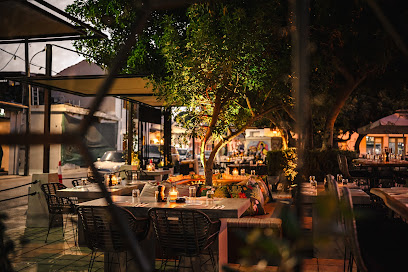
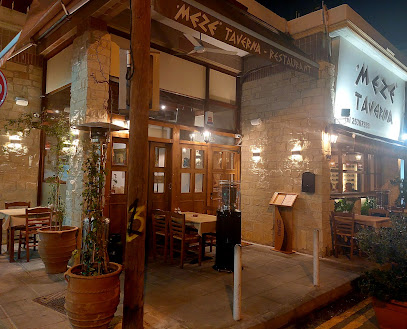
MEZE Taverna Restaurant
0.3 km
Savor authentic Greek flavors at MEZE Taverna in Limassol - a true culinary gem offering delightful Mediterranean dishes.
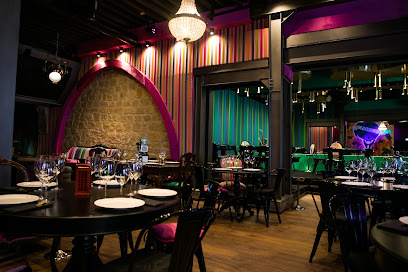
Savoy Music Restaurant
0.3 km
Experience exquisite cuisine paired with live music at Savoy Music Restaurant in Limassol - where every meal is a celebration.
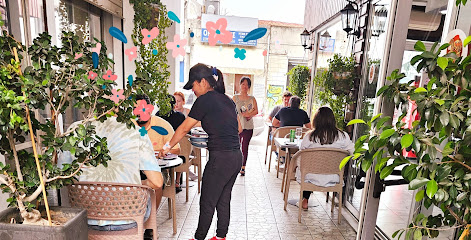
Crispy Duck Asian Food
0.4 km
Experience the best of Chinese, Japanese, and Pan-Asian cuisine at Crispy Duck Asian Food in Limassol - a culinary delight waiting for you!
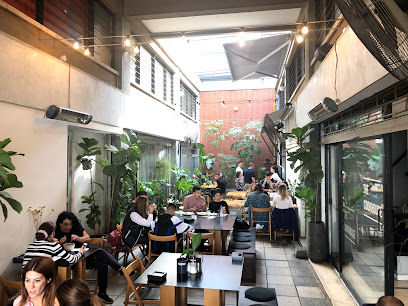
The Cookhouse
0.4 km
Discover authentic Cypriot flavors at The Cookhouse in Limassol - where every meal tells a story.
Bono Bar & Restaurant
0.5 km
Experience the best of Greek Cypriot cuisine at Bono Bar & Restaurant in Limassol - where every meal is a celebration of flavor.
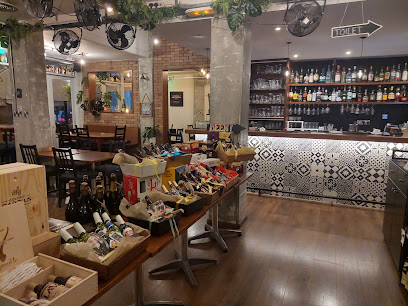
Karmela
0.5 km
Experience the best of Cypriot cuisine at Karmela in Limassol - where every dish is crafted with passion and fresh local ingredients.
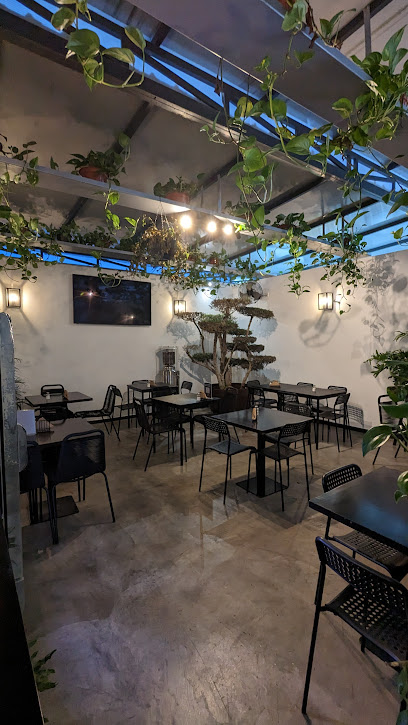
Poe Bar & Restaurant
0.5 km
Experience vibrant American cuisine and exquisite cocktails at Poe Bar & Restaurant in Limassol – a must-visit culinary destination.

Alley
0.6 km
Discover Alley in Limassol: A modern European restaurant blending local flavors with contemporary cuisine for an unforgettable dining experience.

Komsi Komsa
0.6 km
Experience exquisite French, Belgian, and Swiss cuisine at Komsi Komsa in Limassol—where every meal is a celebration of flavor.
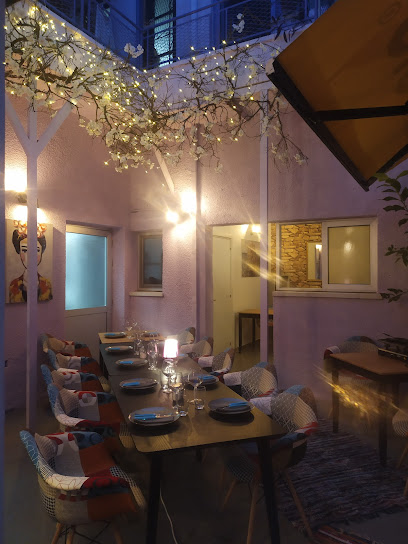
Limassol AGORA
0.6 km
Experience the heart of Limassol at AGORA: A vibrant blend of dining, shopping, and culture awaits you in this bustling marketplace.
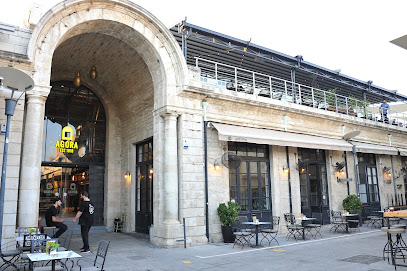
Neon Phaliron
0.6 km
Experience the authentic taste of Mediterranean cuisine at Neon Phaliron in Limassol - a culinary delight not to be missed.
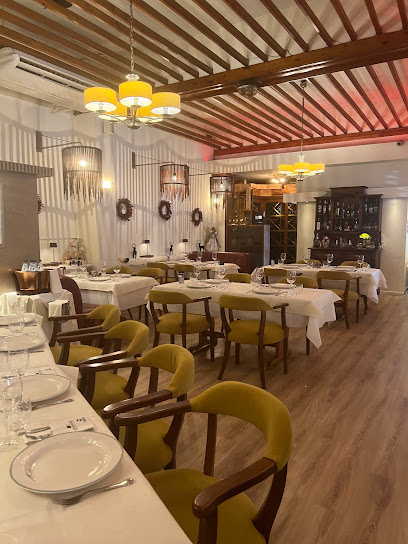
Markets, malls and hidden boutiques

RightHere Cyprus
0.3 km
Explore unique treasures and vintage finds at RightHere Cyprus, a charming second-hand store in Limassol, perfect for treasure hunters and vintage lovers.
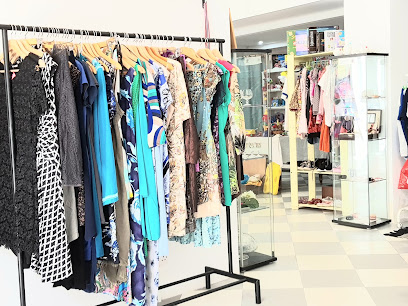
Sophisticated Boutique
0.4 km
Explore the exquisite fashion offerings at Sophisticated Boutique in Limassol, Cyprus, where elegance meets contemporary style.

Mad'ouk Boutique
0.4 km
Explore Mad'ouk Boutique in Limassol for a unique shopping experience, featuring contemporary and traditional Cypriot fashion pieces.

The Sherlock Holmes Gift Shop
0.4 km
Discover a treasure trove of Sherlock Holmes memorabilia at The Sherlock Holmes Gift Shop in Limassol, Cyprus, perfect for fans and tourists alike.

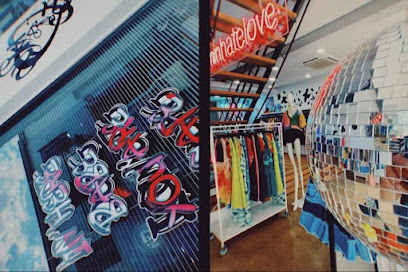
IAMINHATELOVE INDIE DESIGNER STORE
0.4 km
Discover unique fashion at IAMINHATELOVE, an indie designer store in Limassol, showcasing eclectic clothing and accessories that embody local creativity.
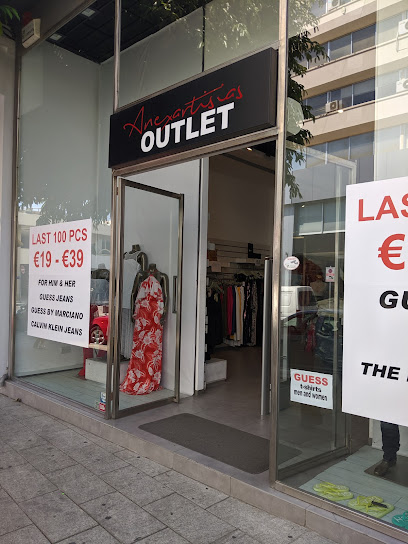
ANEXARTISIAS OUTLET
0.5 km
Discover unbeatable deals and trendy fashion finds at Anexartisias Outlet in Limassol, Cyprus – a shopping haven for tourists and locals alike.
Urban Space Uluwatu
0.5 km
Explore Urban Space Uluwatu in Limassol, the ultimate outlet mall experience offering diverse brands and a vibrant shopping atmosphere.

Emilie Store
0.5 km
Explore unique fashion at Emilie Store in Limassol, where high-quality clothing meets stylish elegance for every occasion.
Online Clothes Limassol | Anexartisias 165 | No Limits Fashion Clothing
0.5 km
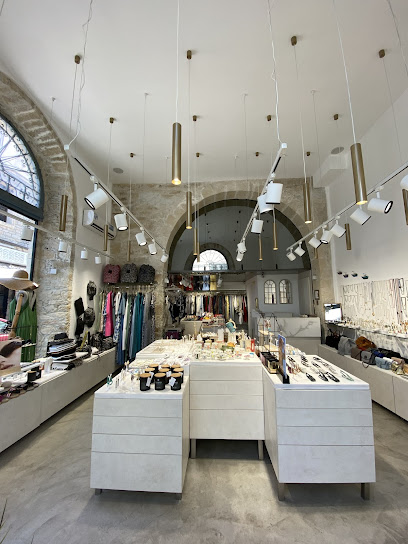
Explore trendy styles at No Limits Fashion Clothing in Limassol, where quality meets affordability in a vibrant shopping experience.

Hyper Boutique Anexartisias
0.5 km
Explore the chic offerings of Hyper Boutique Anexartisias in Limassol for unique fashion pieces that elevate your style.
Pop Shop
0.5 km
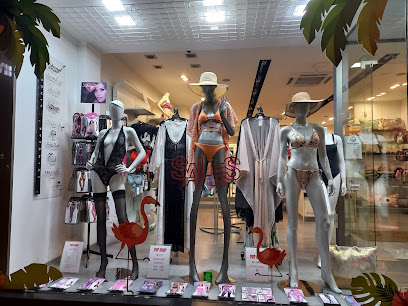
Discover stylish lingerie and swimwear at Pop Shop in Limassol, a fashion destination for comfort and elegance.
So so Retro
0.5 km
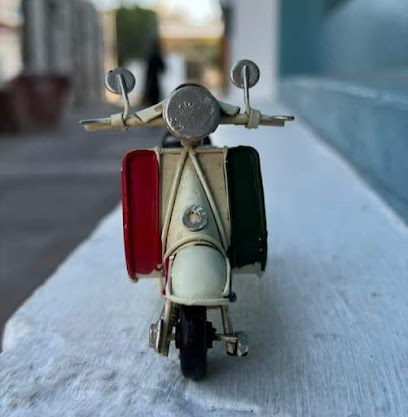
Discover a charming collection of retro gifts and collectibles at So So Retro in Limassol, Cyprus, where nostalgia meets unique shopping.
Minimalistic boutique
0.6 km
Explore the Minimalistic Boutique in Limassol for unique fashion pieces that blend modern design with local Cypriot charm.
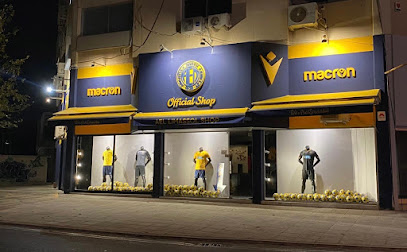
AEL Limassol Official Shop
0.6 km
Shop the latest AEL Limassol merchandise in a vibrant clothing store that celebrates local team spirit and style.
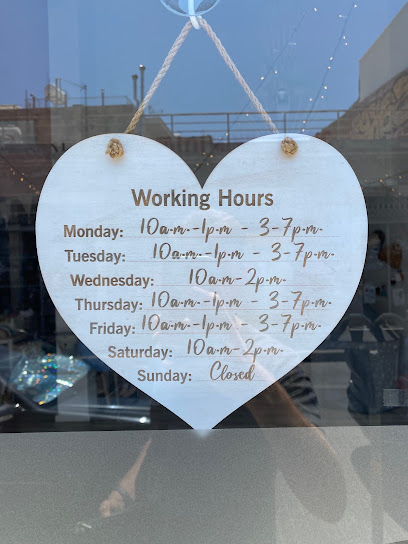
Geminist boutique
0.6 km
Discover contemporary women's fashion at Geminist Boutique in Limassol, where style meets sophistication and personalized service awaits.
Essential bars & hidden hideouts

Dusty Munky
0.3 km
Discover Limassol's nightlife at Dusty Munky, where unique cocktails and a vibrant atmosphere await every visitor.
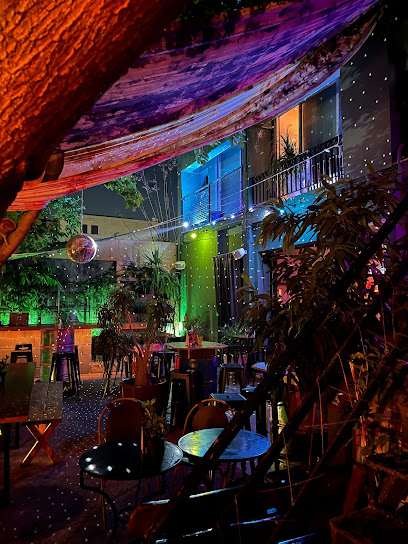
Madame
0.3 km
Discover the vibrant nightlife at Madame Bar, Limassol's hotspot for cocktails, ambiance, and unforgettable experiences.
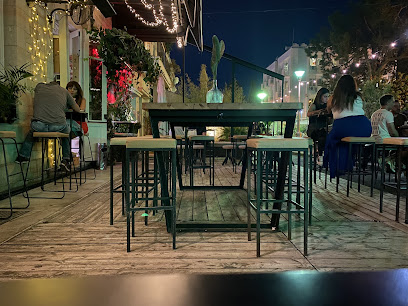
Volta Wine Bar
0.5 km
Experience the essence of Limassol at Volta Wine Bar, where natural wines and exquisite dishes come together in a cozy, inviting atmosphere.
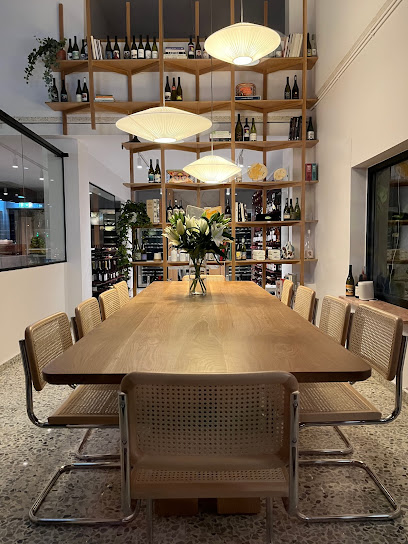
Σουβενίρ/Souvenir Bar Limassol
0.5 km
Savor the best grilled dishes and cocktails at Σουβενίρ/Souvenir Bar in Limassol, where live music amps up your dining experience.
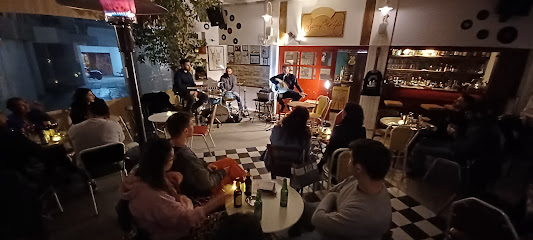
Gin Garden - FIND US ACROSS THE STREET AT LIBRARY BAR
0.5 km
Experience the vibrant nightlife of Limassol at Gin Garden, where exquisite cocktails and a lively atmosphere await every gin enthusiast.
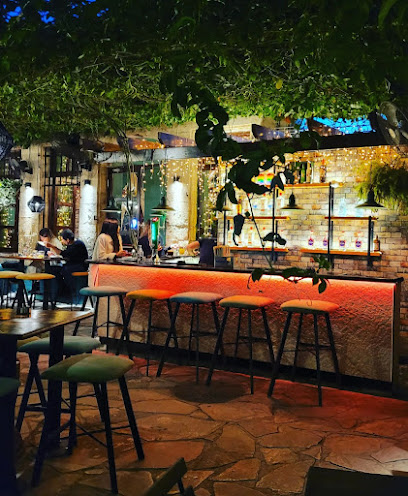
Library Bar
0.5 km
Experience the charm of Limassol at the Library Bar, where cocktails and cozy ambiance create unforgettable memories.

Last Word
0.5 km
Discover Last Word, Limassol's premier cocktail bar, where exquisite drinks and a vibrant atmosphere create unforgettable nights.
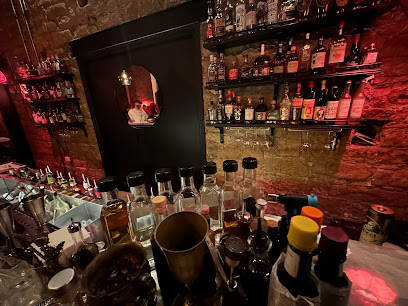
Happy Bar Χάππυ Μπαρ
0.6 km
Discover the lively ambiance of Happy Bar in Limassol, a cocktail haven where creative drinks and vibrant nightlife await every visitor.

bar NESTA
0.6 km
Discover the magic of mixology at bar NESTA, Limassol's premier cocktail destination, offering innovative drinks and a vibrant atmosphere.
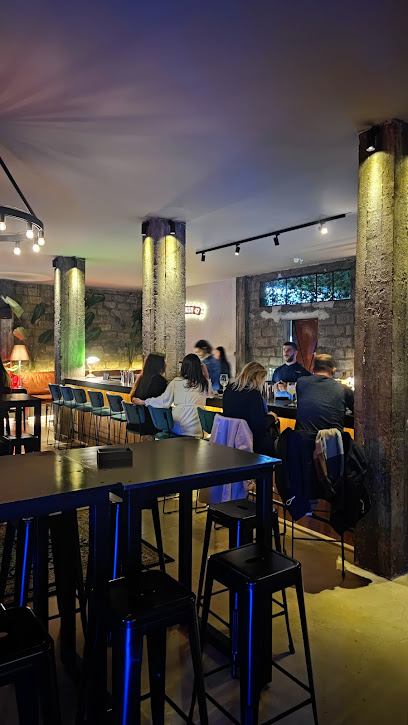
Rooftop Bar at Limassol AGORA
0.6 km
Discover the Rooftop Bar at Limassol AGORA, where breathtaking views meet vibrant nightlife in the heart of Cyprus.

Soho Bar
0.6 km
Soho Bar in Limassol: A must-visit cocktail haven for vibrant nights and expertly crafted drinks.
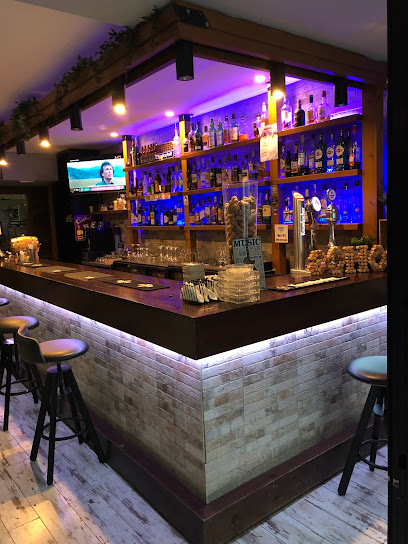
BordelloBar Limassol
0.6 km
Experience the vibrant nightlife of Limassol at BordelloBar, where eclectic decor and a lively ambiance create unforgettable moments.
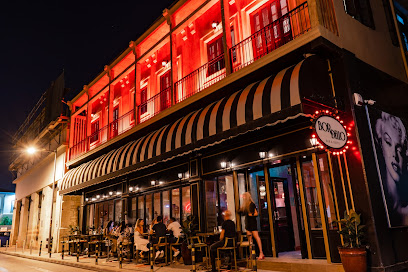
Blue Apple Bar & Grill
0.6 km
Discover the vibrant Blue Apple Bar & Grill in Limassol, where exceptional brunch and drinks meet a lively atmosphere for an unforgettable experience.

Tiki Tiki Bar
0.7 km
Experience the vibrant nightlife of Limassol at Tiki Tiki Bar, where tropical vibes and expertly crafted cocktails come together for an unforgettable evening.
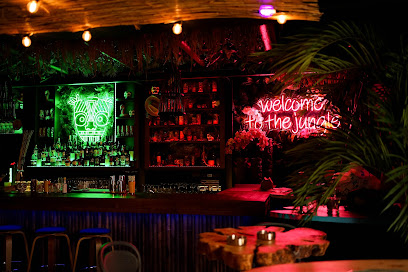
Mandarin Bar
0.7 km
Discover the elegance of Mandarin Bar in Limassol, where exquisite wines and cocktails meet a warm and inviting atmosphere.
Nightclubs & after hour spots

Voice Karaoke Club
0.4 km
Experience the vibrant nightlife of Limassol at Voice Karaoke Club, where every song is a chance to shine and make unforgettable memories.

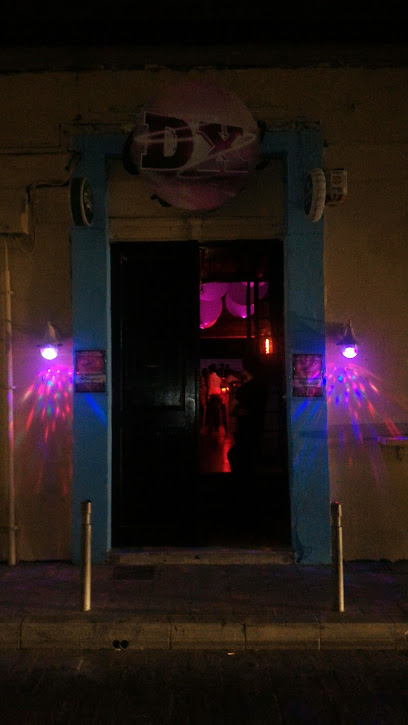
Dx Club
0.5 km
Dance the night away at Limassol's top nightlife destination, Dx Club, where vibrant music and an electric atmosphere await.
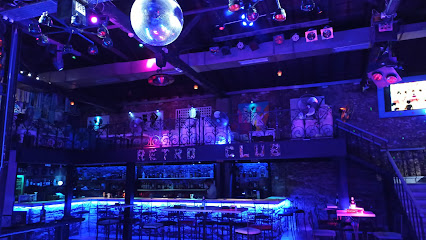
Metropole Retro Club
0.5 km
Experience the vibrant energy of Limassol's nightlife at Metropole Retro Club, where retro beats and modern vibes collide for an unforgettable night.
Bull's Night Club
0.9 km
Bull's Night Club in Limassol: A pulsating nightlife experience with electric beats, vibrant atmosphere, and unforgettable nights under the Cyprus skies.
RSD CLUB
0.9 km
Experience the vibrant nightlife of Limassol at RSD CLUB, a premier disco club featuring electrifying music and an energetic atmosphere.
Unholy Night Club
0.9 km
Experience the electrifying nightlife at Unholy Night Club in Limassol, Cyprus, where music and dancing come together for an unforgettable evening.
Rock and Roll
0.9 km
Experience the vibrant nightlife of Limassol at Rock and Roll, where electrifying music meets an unforgettable ambiance.

NFT CLUB
0.9 km
Experience the vibrant nightlife of Limassol at NFT Club, where top DJs and an energetic atmosphere create unforgettable nights.
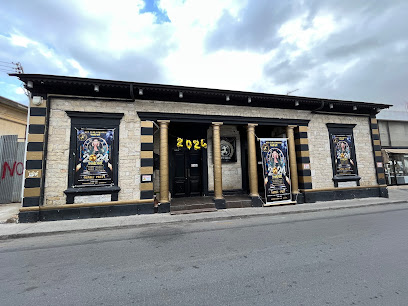
Notes Live Cyprus
0.9 km
Dive into Limassol's nightlife at Notes Live Cyprus, where live music and vibrant energy create an unforgettable experience.

DK night club
1.7 km
Discover the vibrant nightlife at DK Night Club in Limassol, where the beat never stops and unforgettable memories are made.

W Club
1.9 km
Dive into the vibrant nightlife of Limassol at W Club, where electrifying music and an unforgettable atmosphere await you.

Rotonta piano restaurant bar
3.8 km
Discover the vibrant nightlife of Germasogeia at Rotonta, where exquisite dining meets electrifying entertainment in Cyprus.
MAXI CLUB
4.1 km
Discover the electric atmosphere of MAXI CLUB, Limassol's ultimate nightlife hotspot, where unforgettable nights and world-class DJs await.
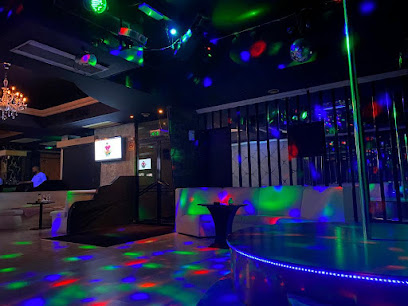
Crystal Night Club
4.2 km
Experience the electrifying nightlife of Limassol at Crystal Night Club, where vibrant energy meets top-notch entertainment and unforgettable memories are made.
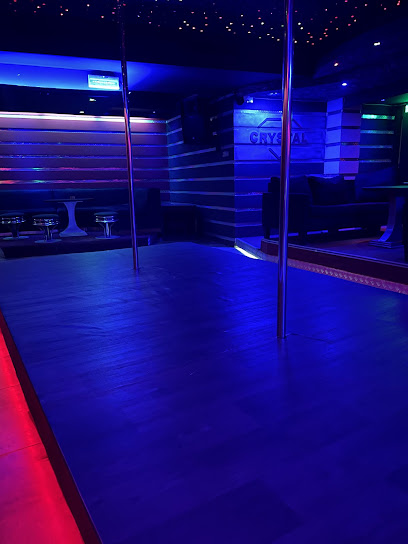
poutanopiraria2
4.4 km
Dive into the enchanting nightlife at Poutanopiraria2, Kato Polemidia’s vibrant gay night club, where music, dance, and inclusivity unite.