
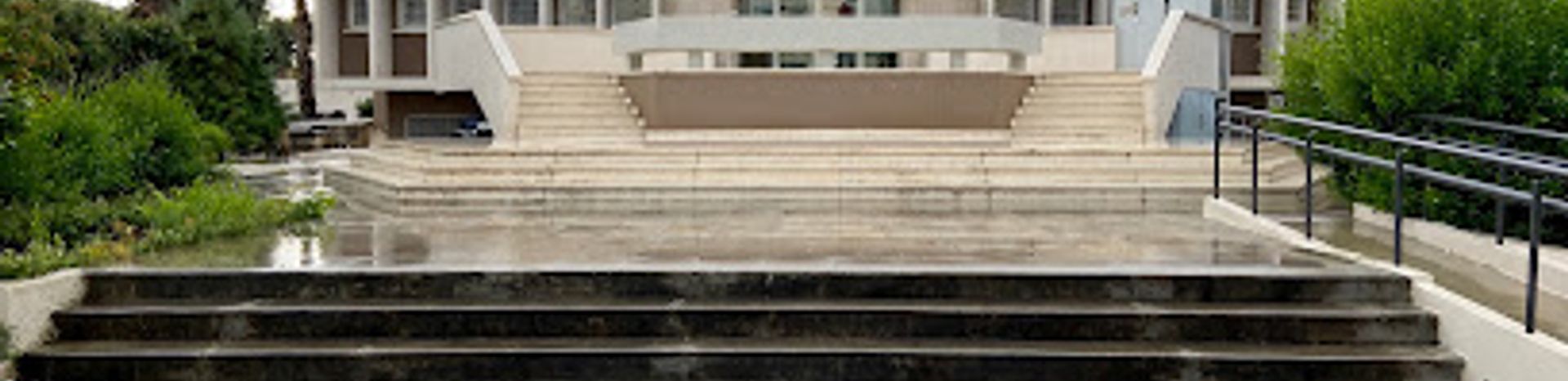
Archaeological Museum of the Lemesos (Limassol) District: A Journey Through Time
Discover Cyprus' ancient past at the Archaeological Museum of the Lemesos District, showcasing artifacts from the Neolithic Age to the Roman period.
The Archaeological Museum of the Lemesos (Limassol) District invites visitors on a fascinating journey through Cyprus's ancient past. Established in 1948, the museum showcases the island's rich cultural heritage from the Neolithic Age to the Roman period. Located near the Municipal Gardens in the heart of Limassol, it's a convenient and enriching stop for tourists.
A brief summary to Archaeological Museum of the Lemesos (Limassol) District
- M3P3+3JC, Lord Byron, Limassol, 3035, CY
- +35725305157
- Visit website
Local tips
- Visit on a weekday morning to avoid crowds and enjoy a more intimate experience with the exhibits.
- Check the museum's website for information on temporary exhibitions and special events that may be taking place during your visit.
- Allow at least 1.5 to 2 hours to fully explore the museum's collection and read the informative displays.
- Combine your visit with a stroll through the adjacent Limassol Municipal Gardens for a relaxing break.
- Photography may be restricted in certain areas; check for signs or ask staff before taking pictures.

Getting There
-
Walking
The Archaeological Museum is located near the Limassol Municipal Gardens, making it easily accessible on foot from many points in central Limassol. From the Molos promenade, walk east along the coast until you reach the Municipal Gardens. Turn inland, and the museum is a short walk away on Lord Byron Street.
-
Public Transport
Limassol's public transport system offers a convenient way to reach the museum. Bus number 30 stops near the Municipal Gardens. Alight at the 'Municipal Gardens' stop and walk north on Lord Byron Street. The museum will be on your left. A single bus fare costs €1.50 during the day and €2.50 at night.
-
Taxi
Taxis are readily available throughout Limassol. Ask your driver to take you to the Archaeological Museum on Lord Byron Street, near the Municipal Gardens. A short taxi ride within the city center typically costs between €5 and €15, depending on the distance and time of day.
-
Driving
If driving, navigate to Lord Byron Street in Limassol. Limited street parking is available near the museum, but it can be challenging to find during peak hours. Paid parking lots are located within a 5-10 minute walk. Parking fees typically range from €1-€2 per hour. Be aware of electronic information systems indicating parking availability in the downtown area.
Discover more about Archaeological Museum of the Lemesos (Limassol) District
Iconic landmarks you can’t miss

Akti Olympion Beach
0.6 km
Discover the beauty of Akti Olympion Beach, a picturesque coastal gem in Limassol, Cyprus, perfect for relaxation, dining, and unforgettable sunsets.
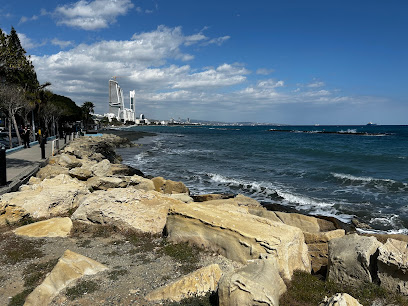
Akti Olympion A beach
0.6 km
Discover the beauty of Akti Olympion A Beach in Limassol, Cyprus, where golden sands and crystal-clear waters create the perfect seaside escape.
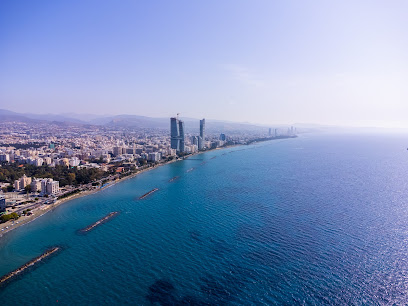
Akti Olympion B beach - Blue Flag
0.9 km
Discover the beauty of Akti Olympion B Beach in Cyprus, a perfect blend of relaxation, adventure, and stunning natural scenery.
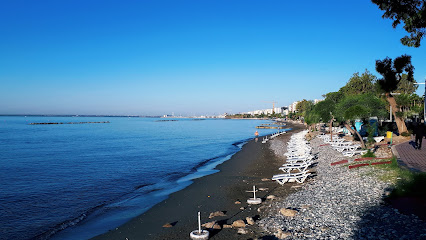
La Maltese Mansion
1.3 km
Discover luxurious comfort and rich heritage at La Maltese Mansion in Limassol, Cyprus, where elegance meets the vibrant culture of the Mediterranean.
Yellow House
1.6 km
Discover the historical charm of the Yellow House in Limassol, a stunning landmark embodying Cyprus's rich cultural heritage.
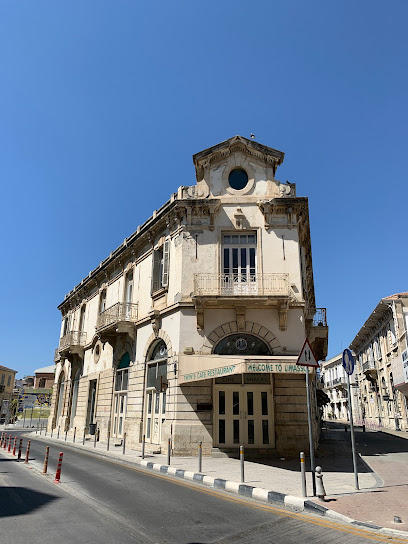
Gothic Capital 13th Century AD.
1.9 km
Explore the Gothic Capital in Limassol, a 13th-century historical landmark that showcases medieval architecture and rich Cypriot heritage.
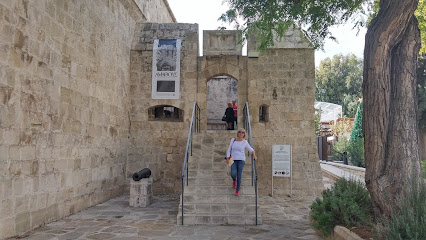
Fountain of the Good Samaritan
2.1 km
Experience the beauty and history of Limassol at the Fountain of the Good Samaritan, a serene landmark symbolizing kindness and community.
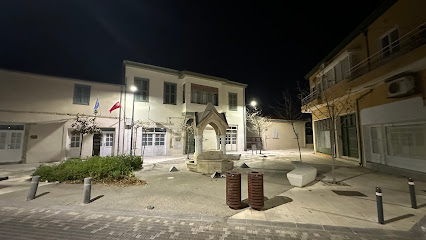
Dasoudi
2.7 km
Discover the serene beauty of Dasoudi Park in Germasogeia, Cyprus, where lush landscapes and stunning beach views await every traveler.
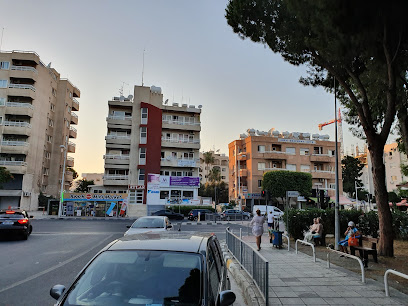
Dasoudi Beach - Blue Flag
2.9 km
Discover the enchanting Dasoudi Beach in Limassol, Cyprus - a Blue Flag paradise with stunning sands, vibrant atmosphere, and endless recreational opportunities.
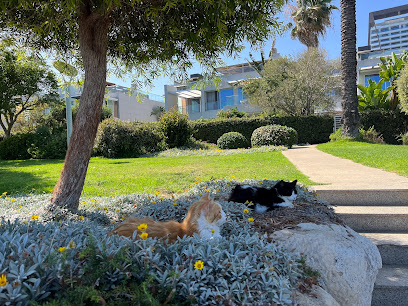
The Water Museum
3.0 km
Explore the history of water in Limassol at this unique museum housed in a restored 1920s pumping station.
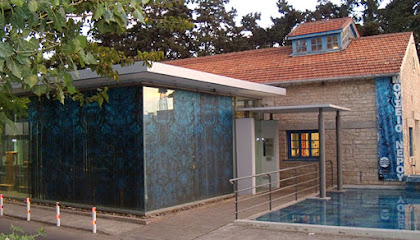
Limassol
3.1 km
Experience the perfect mix of history, culture, and stunning beaches in Limassol, Cyprus – a coastal gem waiting to be explored.

Sculpture
3.5 km
Discover the artistic marvel of the Sculpture in Germasogeia, Cyprus, a captivating tourist attraction rich in cultural heritage and creative expression.
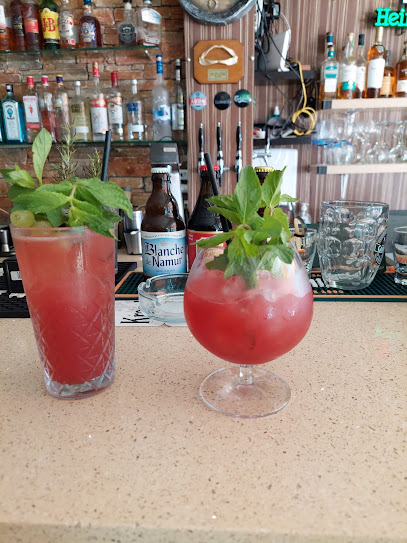
Medieval Bridge of Germasogeia
3.5 km
Explore the Medieval Bridge of Germasogeia, a stunning historical landmark in Cyprus, blending picturesque views with rich cultural heritage.
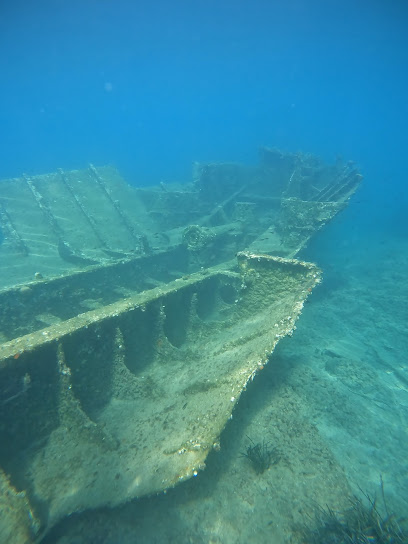
Shipwreck
3.8 km
Discover the haunting beauty of Limassol's Shipwreck, an iconic attraction blending nature, history, and stunning Mediterranean views.
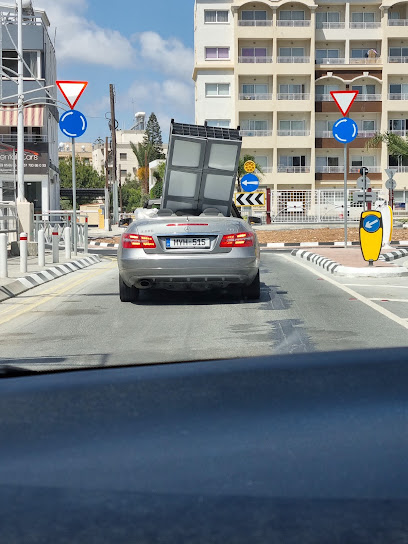
Yermasoyia Roundabout
3.9 km
Discover the charm of Yermasoyia Roundabout in Germasogeia, where local culture meets breathtaking natural beauty, perfect for any traveler.

Unmissable attractions to see

Pattichion Municipal Museum – Historical Archive – Limassol Studies Centre
0.1 km
Explore Limassol's cultural heritage at the Pattichion Municipal Museum, showcasing the city's rich history and artifacts.
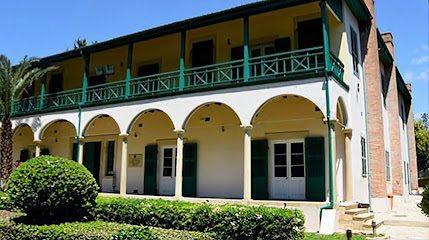
Municipal Zoo
0.2 km
Discover the vibrant world of wildlife at Limassol Zoo, a family-friendly destination filled with exotic species and lush landscapes in Cyprus.
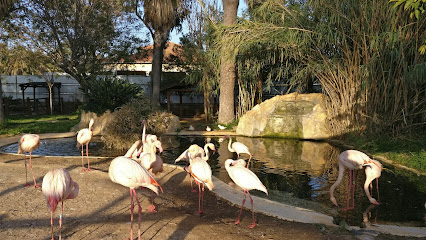
Limassol Municipal Garden
0.2 km
Experience the tranquil beauty of Limassol Municipal Garden, a lush oasis in the heart of Cyprus with vibrant flora, playgrounds, and serene pathways.
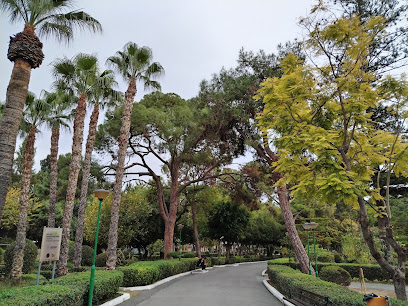
Παρκο Βικτορ Ιωαννιδης
0.3 km
A tranquil memorial park in Limassol, Cyprus, honoring artist Victor Ioannidis with lush greenery, peaceful pathways, and a serene atmosphere for relaxation and reflection.
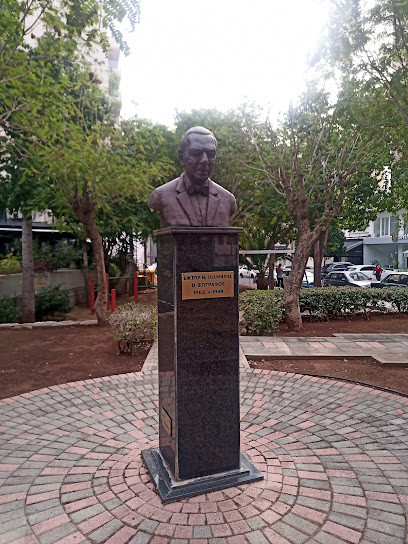
Cyprus Theatre Museum
0.5 km
Explore Cypriot performing arts and theatrical history at the Cyprus Theatre Museum in Limassol—an enriching cultural experience awaits!
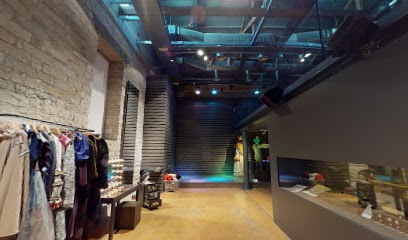
The bridge
0.5 km
Experience the architectural beauty and scenic views at the iconic bridge in Limassol, Cyprus, an unmissable attraction for every traveler.
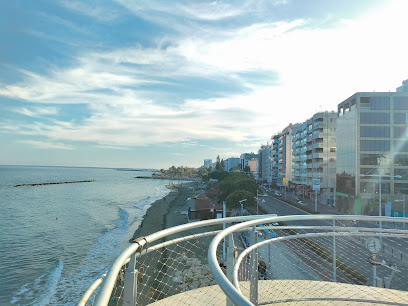
Orpheus Group
0.6 km
Explore the artistic heart of Limassol at Orpheus Group, a must-visit tourist attraction blending culture, creativity, and stunning Mediterranean views.
Municipal Museum of Folk Art
0.8 km
Uncover the artistic soul of Cyprus at the Municipal Museum of Folk Art in Limassol, showcasing rich cultural heritage through traditional crafts and artifacts.
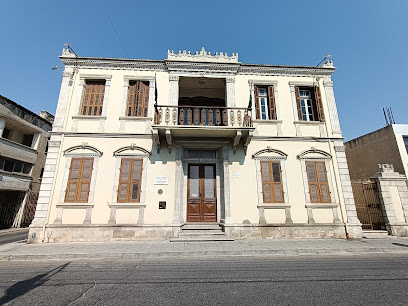
Αγαλμα του Δρ Αμερικος Αρτυριου
0.9 km
A tribute to Dr. Amerikos Argyriou, a Limassol pediatrician who championed children's healthcare and the rights of individuals with intellectual disabilities, located on the vibrant Molos promenade.
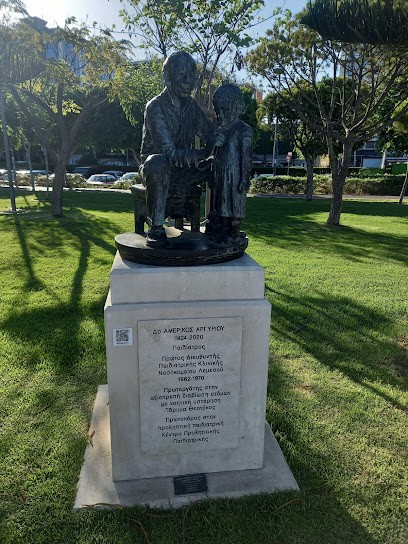
Glass Bridge
1.0 km
Experience breathtaking panoramic views from this architectural marvel in Limassol, where a thrilling walk on a transparent glass bridge meets the beauty of the Mediterranean landscape.
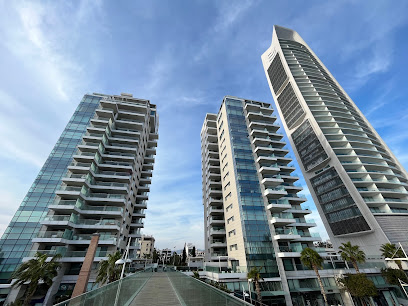
Grigori Afxentiou Square, Limassol
1.1 km
Discover the serene beauty and historical significance of Grigori Afxentiou Square, a must-visit memorial park in the heart of Limassol, Cyprus.

Limanaki beach
1.2 km
Discover Limanaki Beach in Limassol: golden sands, turquoise waters, and vibrant Cypriot culture combine for an unforgettable Mediterranean escape, perfect for relaxation and exploration.
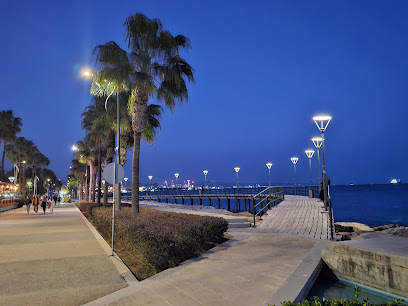
Sculpture Park
1.2 km
Discover a captivating fusion of art and nature at Limassol's Sculpture Park, an open-air gallery showcasing diverse sculptures along the scenic Molos promenade, offering a unique cultural experience.

Molos
1.2 km
Explore the stunning coastline and vibrant culture of Molos, Cyprus – a must-visit destination for every traveler.
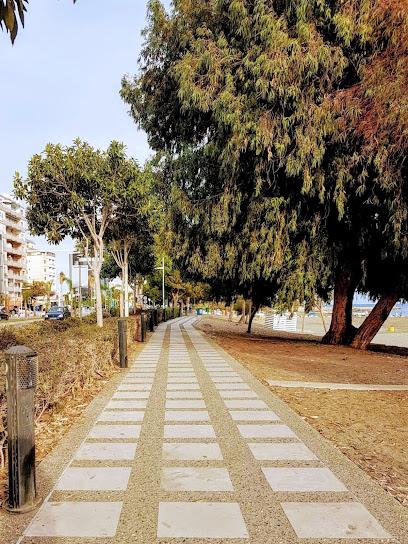
Molos Limassol - Promenade
1.3 km
Experience the beauty of Molos Limassol, a vibrant promenade where the Mediterranean meets culture, art, and recreation, offering something for everyone along Cyprus' stunning coastline.
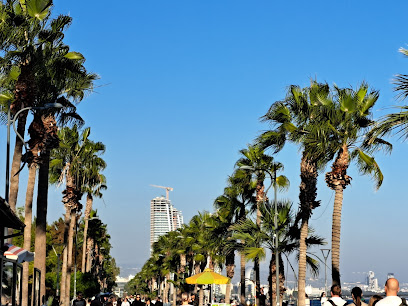
Essential places to dine

That's Amore Limassol
0.2 km
Experience authentic Italian cuisine at That's Amore Limassol, where every dish is crafted with love and passion for great food.
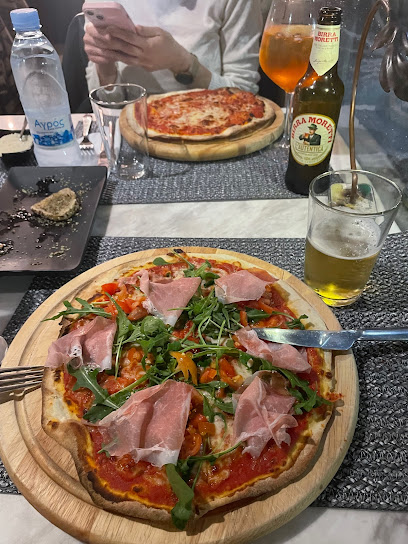
Neon Phaliron
0.3 km
Experience the authentic taste of Mediterranean cuisine at Neon Phaliron in Limassol - a culinary delight not to be missed.
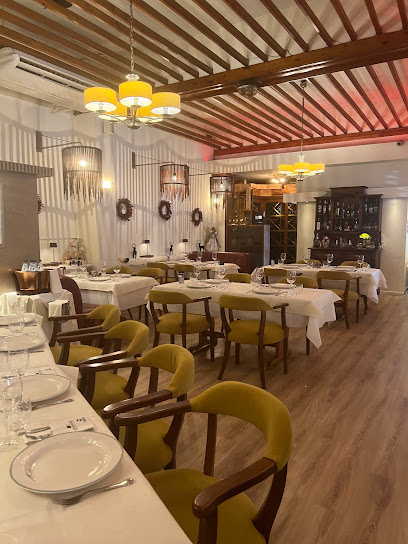
Terry's place
0.4 km
Discover Terry's Place in Limassol: where Mediterranean flavors meet warm hospitality for an unforgettable dining experience.
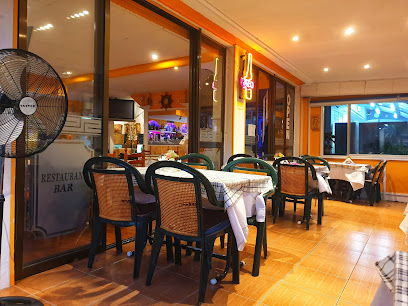
The Cosy Corner
0.5 km
Experience authentic Cypriot cuisine at The Cosy Corner, where every dish tells a story of flavor and tradition in beautiful Limassol.
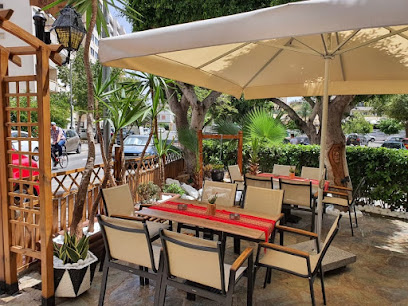
The Cookhouse
0.7 km
Discover authentic Cypriot flavors at The Cookhouse in Limassol - where every meal tells a story.
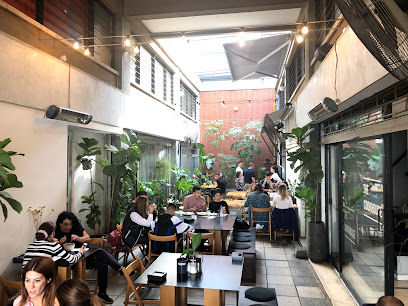
Crispy Duck Asian Food
0.9 km
Experience the best of Chinese, Japanese, and Pan-Asian cuisine at Crispy Duck Asian Food in Limassol - a culinary delight waiting for you!
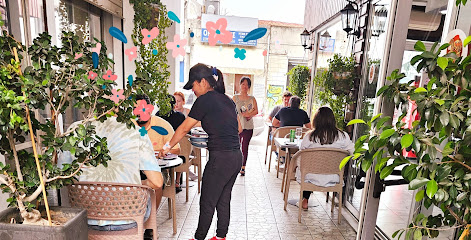
The Ship Inn Bar-Restaurant
0.9 km
Experience authentic Cypriot cuisine at The Ship Inn Bar-Restaurant in Limassol - where every meal is a celebration of local flavors.
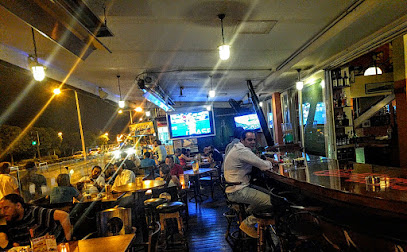
Le Bordeaux Bistro - French Restaurant
0.9 km
Experience authentic French cuisine in a romantic setting at Le Bordeaux Bistro in Limassol—where every meal is a delightful journey.
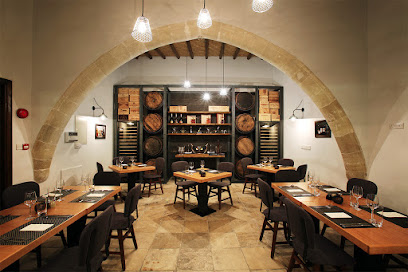
Como Osteria Lounge & Bar
1.0 km
Experience the essence of Italy at Como Osteria Lounge & Bar in Limassol – where authentic flavors meet warm hospitality.
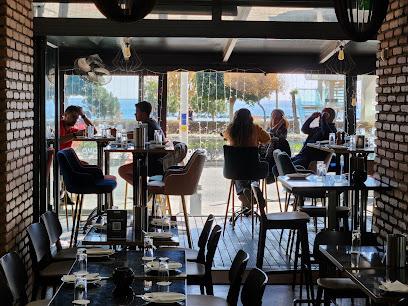
Bono Bar & Restaurant
1.0 km
Experience the best of Greek Cypriot cuisine at Bono Bar & Restaurant in Limassol - where every meal is a celebration of flavor.
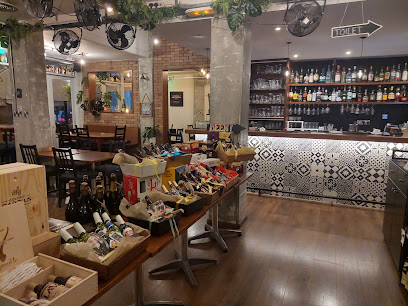
Melissa Restaurant
1.0 km
Experience authentic Greek cuisine at Melissa Restaurant in Limassol; savor traditional dishes made with fresh local ingredients.
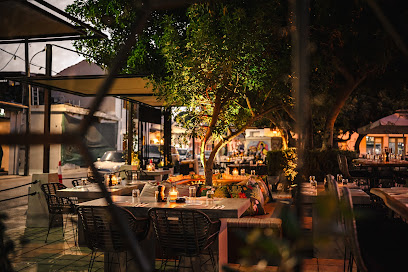
La Boca
1.0 km
Discover La Boca in Limassol: Where Local Flavors Meet Culinary Excellence for an Unforgettable Dining Experience.
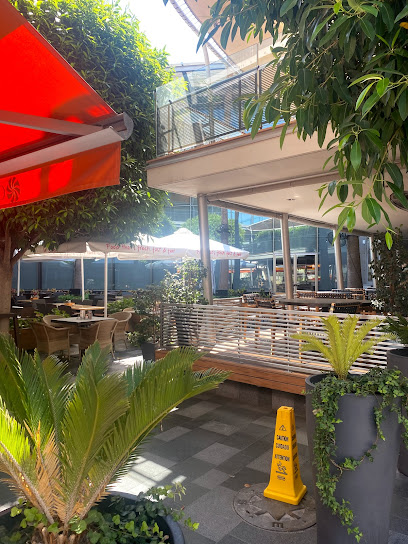
Columbia Steak House
1.1 km
Discover Limassol's finest steakhouse offering premium cuts in an inviting atmosphere perfect for any occasion.
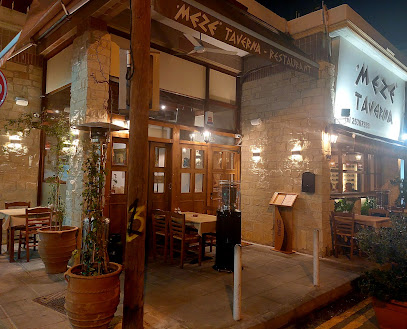
MEZE Taverna Restaurant
1.1 km
Savor authentic Greek flavors at MEZE Taverna in Limassol - a true culinary gem offering delightful Mediterranean dishes.
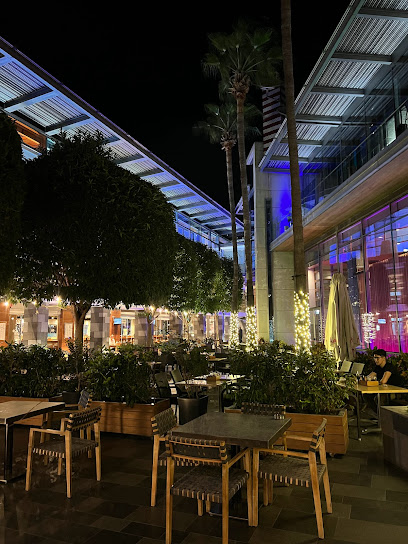
Savoy Music Restaurant
1.2 km
Experience exquisite cuisine paired with live music at Savoy Music Restaurant in Limassol - where every meal is a celebration.
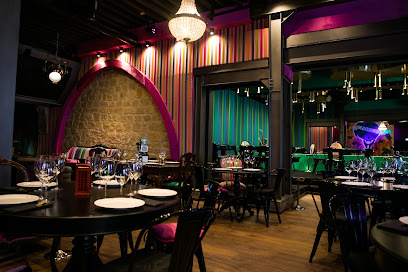
Markets, malls and hidden boutiques

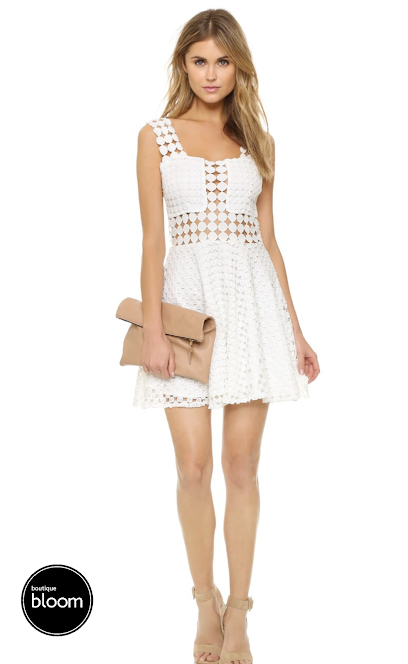
BLOOM BOUTIQUE
0.2 km
Explore Bloom Boutique in Limassol for a unique shopping experience with stylish apparel and personalized service.
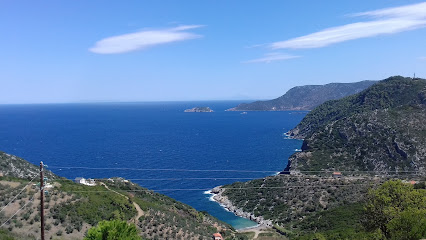
Maximos Plaza
0.2 km
Explore Maximos Plaza in Limassol for a unique shopping experience, dining delights, and vibrant entertainment amidst the rich Cypriot culture.
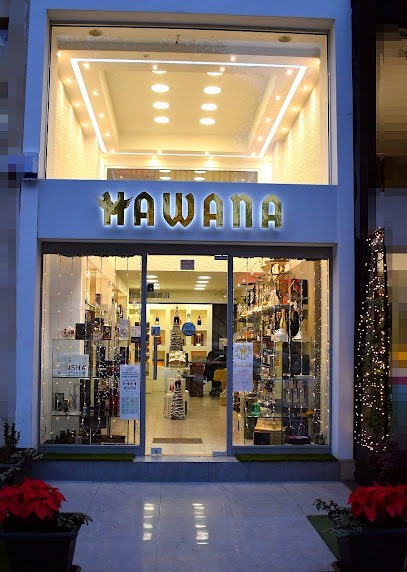
Hawana Gift Boutique Limassol
0.2 km
Explore Hawana Gift Boutique in Limassol for unique gifts, local delicacies, and specialty beverages that capture the essence of Cyprus.
Sesame Boutique
0.2 km
Explore unique styles at Sesame Boutique, Limassol's premier women's clothing store, offering chic apparel for every occasion.

VANITY BOUTIQUE
0.3 km
Explore the finest fashion at Vanity Boutique in Limassol, Cyprus, where style meets elegance in a chic shopping environment.
Firenze Boutique
0.4 km
Explore Firenze Boutique in Limassol for unique clothing that reflects Cyprus' vibrant culture and stylish trends.
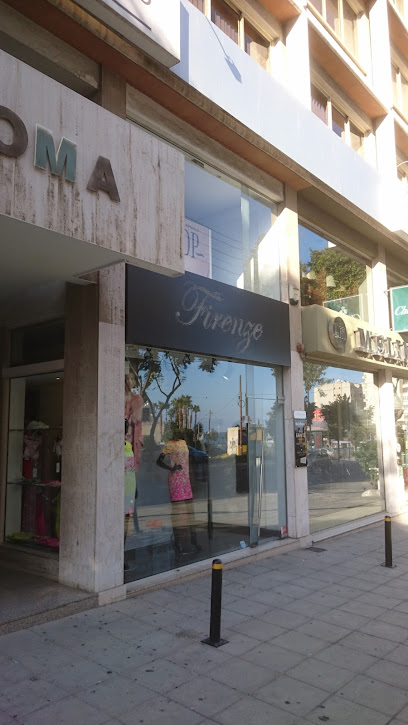
Meliniotis Shops
0.4 km
Experience the unique gifts and local treasures at Meliniotis Shops, a must-visit destination for tourists in Limassol, Cyprus.
AEL Limassol Official Shop
1.0 km
Shop the latest AEL Limassol merchandise in a vibrant clothing store that celebrates local team spirit and style.
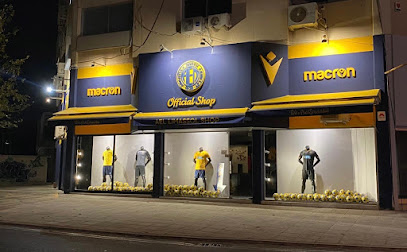
Karamella shop
1.0 km
Discover Karamella shop in Limassol, where local sweets and unique gifts come together to create an unforgettable shopping experience.
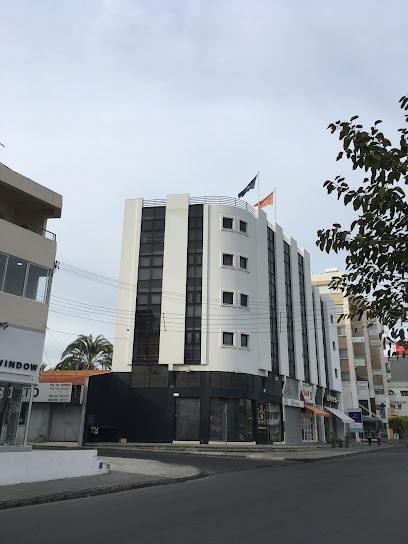
Window Boutique Limassol
1.0 km
Explore unique fashion finds at Window Boutique Limassol, a stylish clothing store offering a curated selection of trendy apparel and accessories.
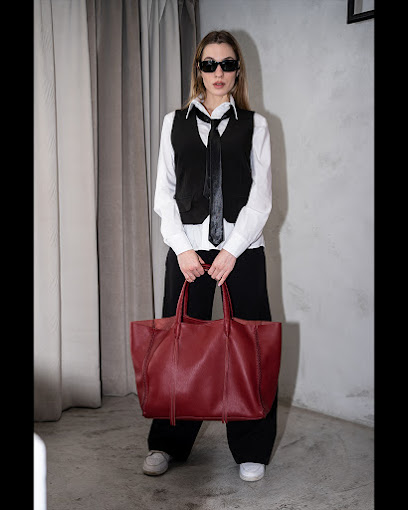
BOYS&GIRLS BOUTIQUE
1.0 km
Explore BOYS&GIRLS BOUTIQUE in Limassol for the latest in children's fashion, combining style and affordability in a family-friendly atmosphere.
Kult Limassol
1.1 km
Explore the exquisite offerings of Kult Limassol, a premium boutique that captures the essence of luxury shopping by the Mediterranean.
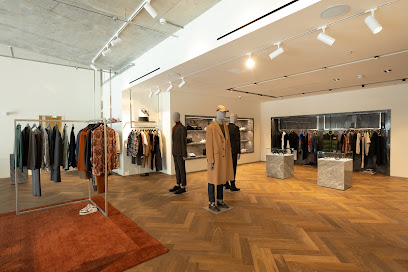
CAPRICCIO
1.1 km
Discover unique fashion at CAPRICCIO, Limassol's chic boutique offering stylish clothing and accessories for every occasion.
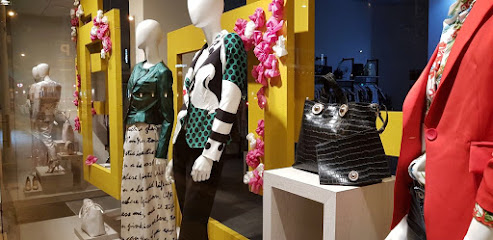
Hyper Boutique Anexartisias
1.1 km
Explore the chic offerings of Hyper Boutique Anexartisias in Limassol for unique fashion pieces that elevate your style.
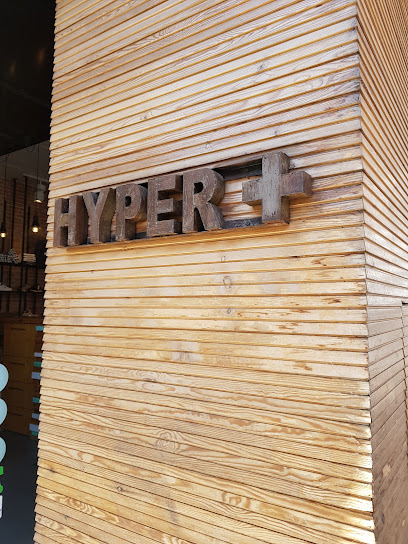
Pop Shop
1.1 km
Discover stylish lingerie and swimwear at Pop Shop in Limassol, a fashion destination for comfort and elegance.
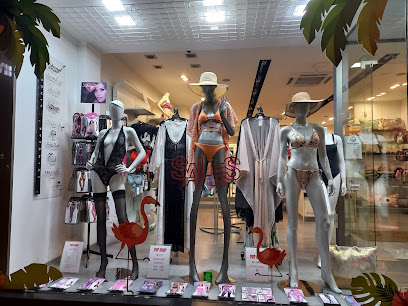
Essential bars & hidden hideouts

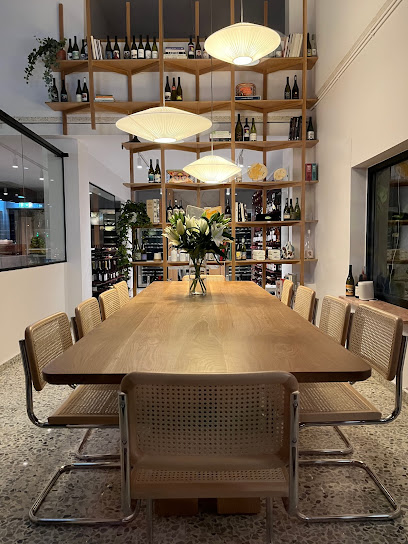
Volta Wine Bar
0.8 km
Experience the essence of Limassol at Volta Wine Bar, where natural wines and exquisite dishes come together in a cozy, inviting atmosphere.
Dusty Munky
0.9 km
Discover Limassol's nightlife at Dusty Munky, where unique cocktails and a vibrant atmosphere await every visitor.
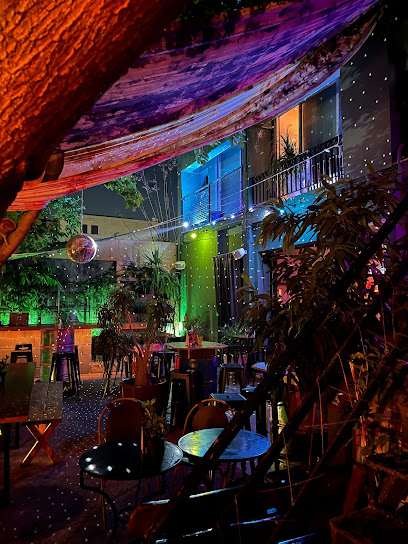
Madame
1.0 km
Discover the vibrant nightlife at Madame Bar, Limassol's hotspot for cocktails, ambiance, and unforgettable experiences.
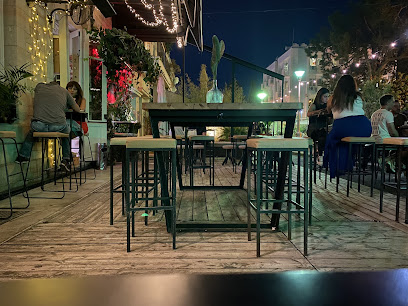
Gypsy's Western Saloon
1.1 km
Experience the rustic charm and vibrant nightlife of Gypsy's Western Saloon in Limassol, Cyprus, where every evening feels like a celebration.
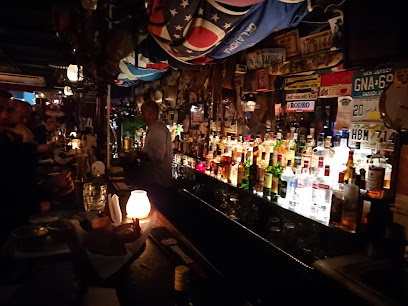
Ovio Beach Bar
1.1 km
Experience the vibrant atmosphere and breathtaking views at Ovio Beach Bar, a must-visit seaside gem in Limassol, Cyprus.
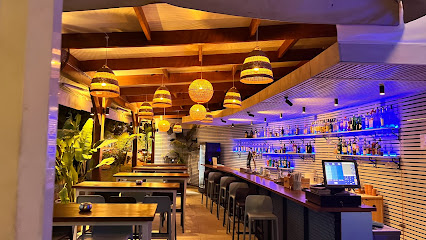
Σουβενίρ/Souvenir Bar Limassol
1.3 km
Savor the best grilled dishes and cocktails at Σουβενίρ/Souvenir Bar in Limassol, where live music amps up your dining experience.
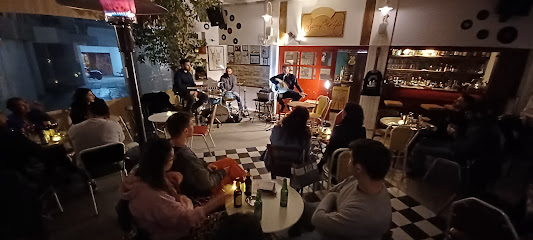
Gin Garden - FIND US ACROSS THE STREET AT LIBRARY BAR
1.3 km
Experience the vibrant nightlife of Limassol at Gin Garden, where exquisite cocktails and a lively atmosphere await every gin enthusiast.
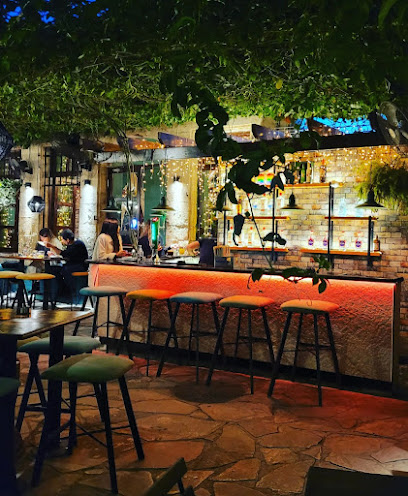
Library Bar
1.3 km
Experience the charm of Limassol at the Library Bar, where cocktails and cozy ambiance create unforgettable memories.

The Wine Bar
1.3 km
Experience the essence of wine culture at The Wine Bar in Limassol, where every sip tells a story and every visit is a celebration.
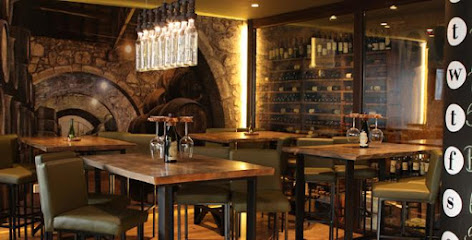
Last Word
1.4 km
Discover Last Word, Limassol's premier cocktail bar, where exquisite drinks and a vibrant atmosphere create unforgettable nights.
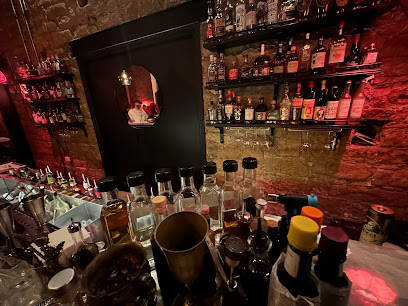
Happy Bar Χάππυ Μπαρ
1.4 km
Discover the lively ambiance of Happy Bar in Limassol, a cocktail haven where creative drinks and vibrant nightlife await every visitor.

Rooftop Bar at Limassol AGORA
1.4 km
Discover the Rooftop Bar at Limassol AGORA, where breathtaking views meet vibrant nightlife in the heart of Cyprus.

bar NESTA
1.4 km
Discover the magic of mixology at bar NESTA, Limassol's premier cocktail destination, offering innovative drinks and a vibrant atmosphere.
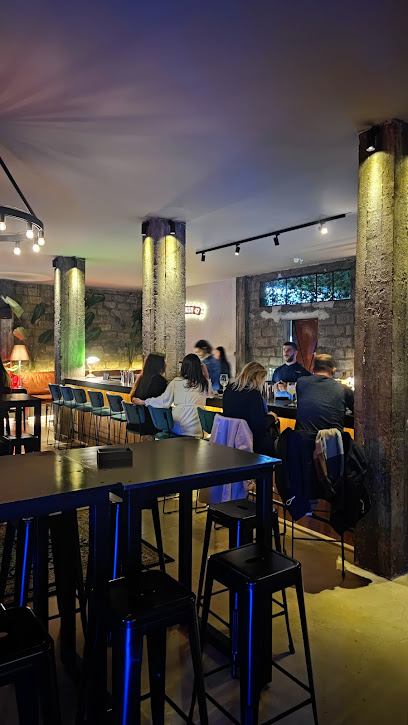
Soho Bar
1.4 km
Soho Bar in Limassol: A must-visit cocktail haven for vibrant nights and expertly crafted drinks.
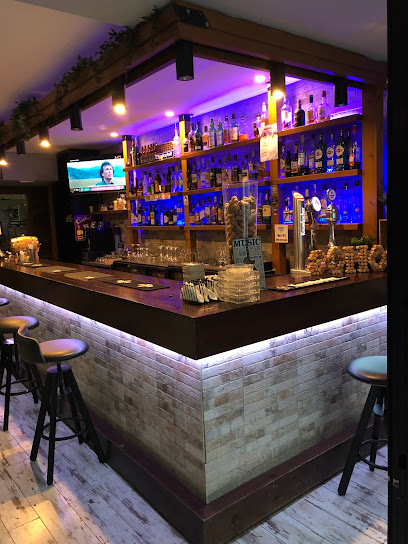
Blue Apple Bar & Grill
1.4 km
Discover the vibrant Blue Apple Bar & Grill in Limassol, where exceptional brunch and drinks meet a lively atmosphere for an unforgettable experience.


