Omeriye Mosque, Nicosia Travel Guide
Free Guide: Explore the centuries-spanning Omeriye Mosque in Nicosia, where Gothic architecture meets Ottoman heritage in a quiet courtyard sanctuary rich with history.


A brief summary of Omeriye Mosque
Explore the centuries-spanning Omeriye Mosque in Nicosia, where Gothic architecture meets Ottoman heritage in a quiet courtyard sanctuary rich with history.
Omeriye Mosque is a prominent 16th-century religious site in the heart of Nicosia. Once a medieval church, its fascinating blend of Gothic and Ottoman architecture reflects centuries of layered history. Welcoming visitors to a tranquil courtyard, the mosque stands as a living symbol of the city's cultural diversity and spiritual legacy.
- Address
- 59C8+Q68, Platia Tillirias, Nicosia 1015, Cyprus
- Phone
Getting there
Walking
Taxi
Public Transport
Discover more about Omeriye Mosque
Overview
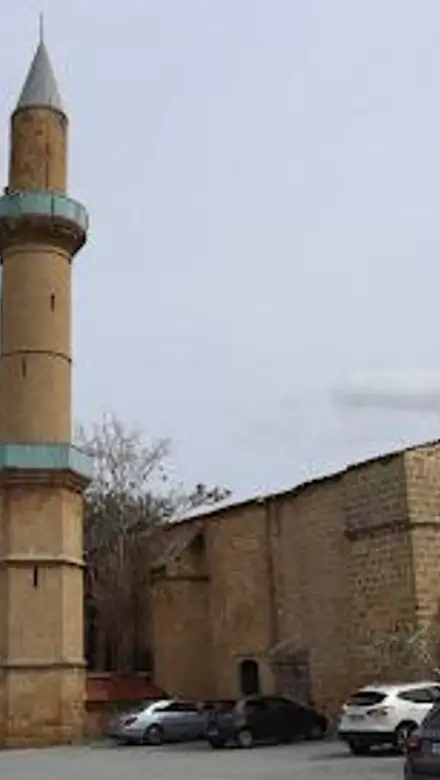
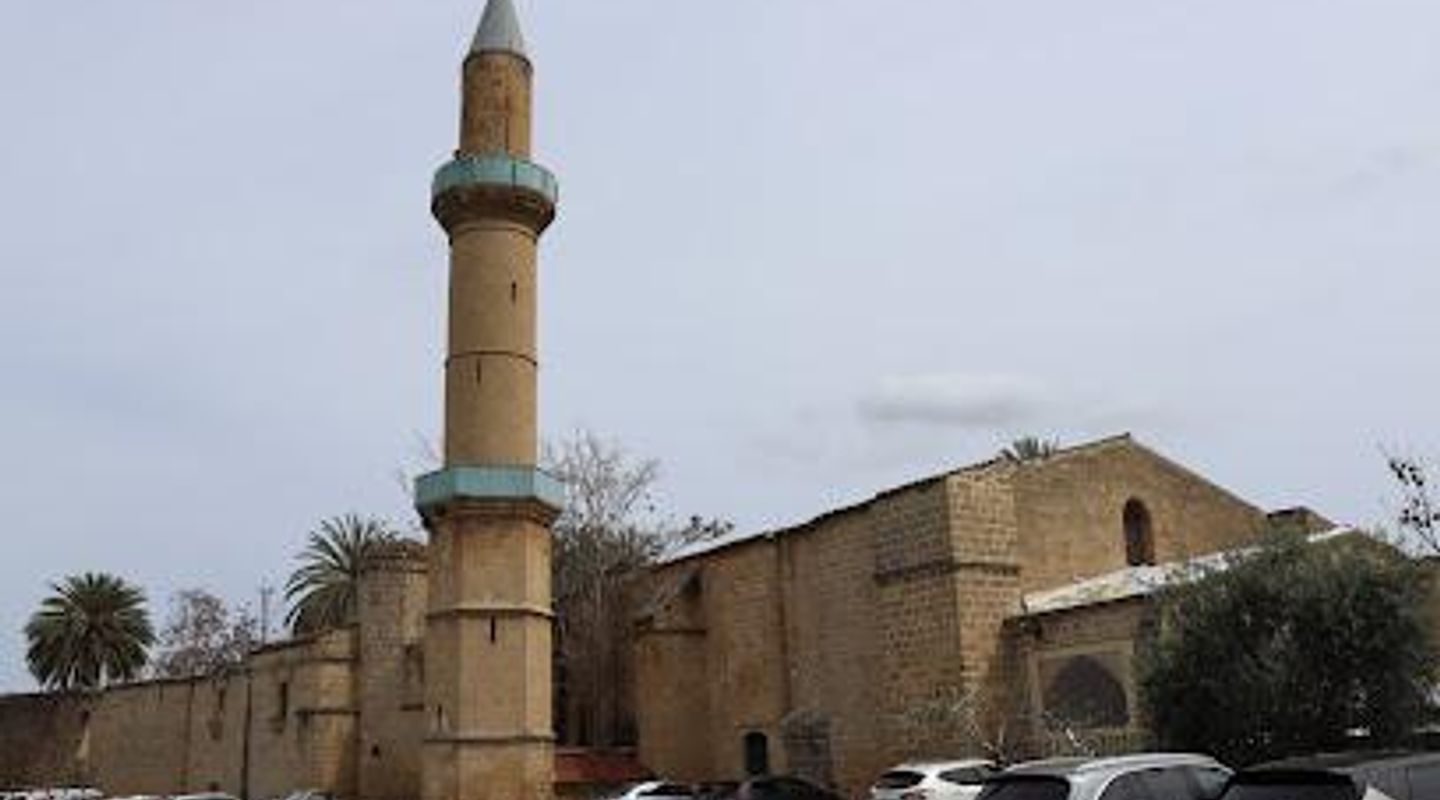
Tucked away in the winding streets of Nicosia’s old town, the Omeriye Mosque is a remarkable testament to Cyprus’s rich and complex heritage. Originally constructed as the Augustinian Church of St. Mary in the 14th century, this building bore witness to the transformations that swept through the city after the Ottoman conquest. With the arrival of Ottoman rule in 1571, the church was converted into a mosque, according to local tradition, on a site visited by the prophet Omar himself during a stop in Cyprus.Today, visitors will encounter an evocative blend of architectural influences. The mosque retains its medieval Gothic arches and high vaulted ceilings, seamlessly fused with simpler Ottoman features and a striking minaret. The courtyard is shaded by mature citrus trees, offering a serene oasis just steps from the city’s vibrant markets and bustling coffeehouses. Mornings are often punctuated by the sound of the call to prayer, while afternoons see local families and travelers pausing in tranquil reflection under the arcades.Beyond its spiritual significance, Omeriye Mosque is notable for symbolizing the enduring coexistence of different faiths and peoples on the island. The interiors are understated but welcoming, with original stonework and subtle details hinting at its Christian origins. There is no admission fee, making it accessible to all—though as an active place of worship, modest dress and respectful behavior are essential. While the mosque is typically open outside of prayer times, visitors should be aware that non-Muslims may not always be permitted inside during services, and opening hours can vary by season or religious festival.Whether you are interested in Cyprus’s layered past or seek a peaceful corner amid the city’s medieval lanes, Omeriye Mosque is unquestionably one of Nicosia’s most atmospheric—and genuinely historic—landmarks.
Evendo Review Centre
 Google
Guest reviews
Explore Omeriye Mosque on the map
A handpicked selection of must-see spots near Omeriye Mosque, mapped for you.
Get your free copy of our complete guide to Omeriye Mosque, delivered straight to you.
Everything on this page, from opening hours and how to get there to Eve’s tips and the best time to go, in one PDF you can read offline, print or share.
Already have an account? Sign in
Your Omeriye Mosque guide is ready.
We'll send it to · Not you? Sign out

Getting your guide ready…
We are putting together a fresh copy of the Omeriye Mosque guide. This can take up to a minute.
This can take a few moments. If your browser asks, choose Allow so the download can start. You'll find the guide in your Downloads folder.
Nothing happened? Download it again
Sorry, the guide is taking longer than usual. Please try again in a minute, or get it by email instead.
Unlock the best of Omeriye Mosque
Skip-the-line tickets, guided tours with entry, and walking tours of the area, booked in a few clicks.

Other nearby places you may find interesting
The closest places of the same kind, if this one is not quite what you had in mind.
-
-
-
-
-


Swipe for more places
More to explore near Omeriye Mosque

 Best experiences near Omeriye Mosque
 Best hotels near Omeriye Mosque
 Best landmarks near Omeriye Mosque
 Best attractions near Omeriye Mosque
 Best shops near Omeriye Mosque
 Best restaurants near Omeriye Mosque
 Best bars near Omeriye Mosque
Do you manage this location?
Take control to get all the benefits, like improved information, better appearance, and stronger visibility across AI-powered discovery.
Explore more

Explore more of Nicosia
Discover the rich history, cultural tapestry, and modern vibrancy of Nicosia, the last divided capital in Europe, offering a unique blend of ancient and contemporary attractions.
Explore Nicosia
Explore more of Cyprus
Discover Cyprus: A Mediterranean paradise with a rich tapestry of history, culture, and breathtaking landscapes, offering a perfect blend of relaxation and adventure.
Explore Cyprus