

Armenian Genocide Memorial Park Travel Guide
Free Guide: A solemn memorial in Paphos, Cyprus, honoring Armenian Genocide victims, promoting remembrance, education, and Cypriot-Armenian friendship.


A brief summary of Armenian Genocide Memorial Park
A solemn memorial in Paphos, Cyprus, honoring Armenian Genocide victims, promoting remembrance, education, and Cypriot-Armenian friendship.
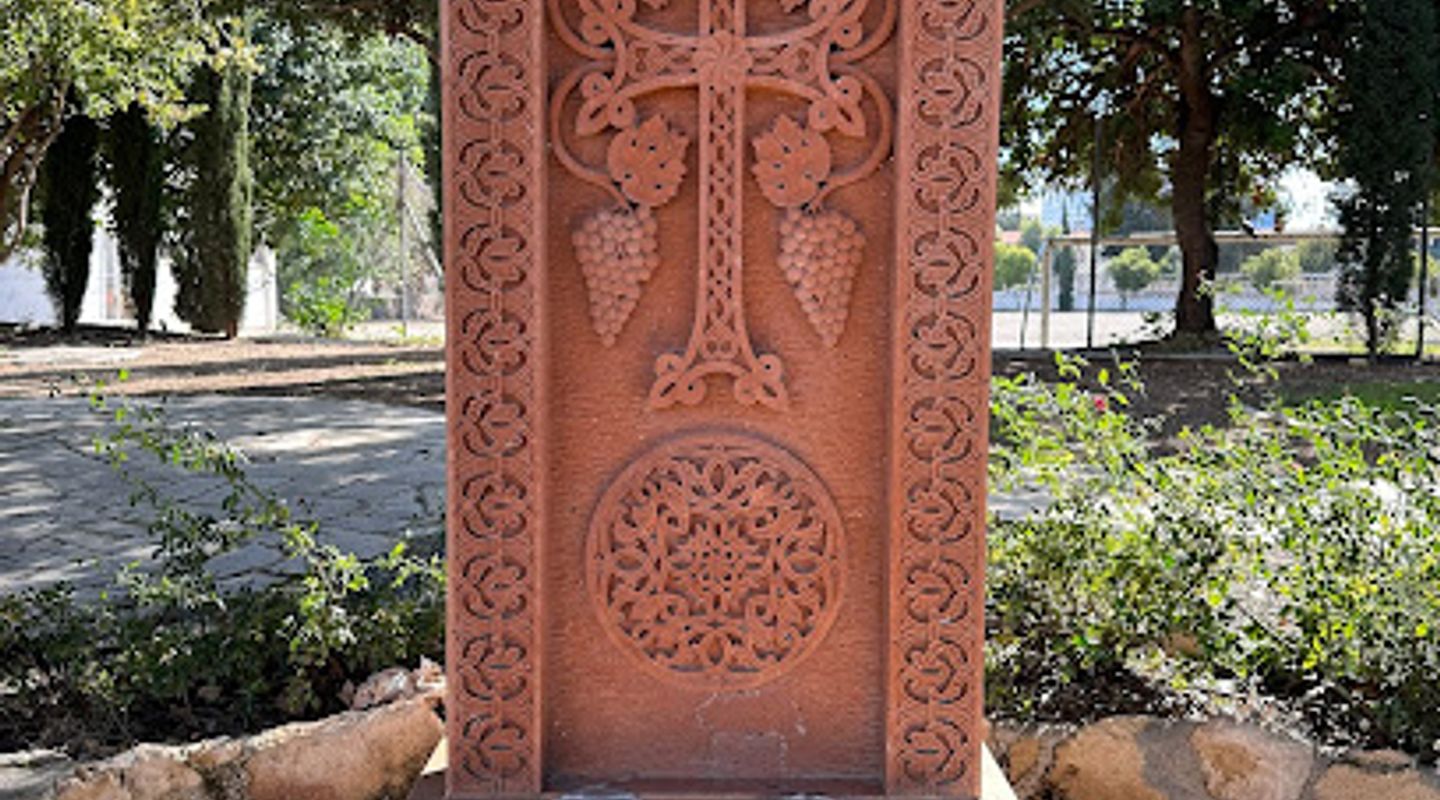
The Armenian Genocide Memorial Park in Paphos, Cyprus, is a poignant tribute to the victims of the Armenian Genocide, fostering remembrance and friendship between the Armenian and Cypriot people. Opened in 2017, the park features Khachkars (cross-stones), intricately carved monuments symbolizing Armenian faith and resilience.
Opening hours
- Every dayOpen 24 hours
Opening hours as listed on the venue’s Google Business Profile. Hours can change for services and special events, so check with the venue before you go.
- Address
- QCGF+MGM, Paphos 8010, Cyprus
Getting there
Walking
Public Transport
Taxi
Discover more about Armenian Genocide Memorial Park
Overview
Nestled in Paphos, Cyprus, the Armenian Genocide Memorial Park stands as a solemn and dignified tribute to the victims of the Armenian Genocide, which took place between 1915 and 1923. Opened in 2017, the park serves as a place of remembrance and a symbol of the enduring friendship between the Armenian and Cypriot people.The park's design incorporates traditional Armenian elements, most notably the Khachkars, or cross-stones. These intricately carved monuments are a hallmark of Armenian religious art, each unique in its design and symbolism. The Khachkars at the Paphos memorial are particularly significant, serving as a visual representation of Armenian faith, culture, and resilience in the face of unimaginable adversity. Visitors are invited to wander among these stones, taking in their beauty and reflecting on the stories they represent.The memorial park provides a tranquil and contemplative atmosphere, encouraging visitors to engage with the history of the Armenian Genocide in a meaningful way. Informative plaques are strategically placed throughout the park, offering historical context and detailing the events that led to the genocide, as well as its lasting impact on the Armenian people. The landscaping is thoughtfully designed, with lush greenery creating a serene environment conducive to quiet reflection.The Armenian Genocide was a systematic and deliberate attempt to exterminate the Armenian population living within the Ottoman Empire, resulting in the deaths of an estimated 1.5 million Armenians and the destruction of countless cultural and religious sites. The park plays a crucial role in preserving the memory of this tragic event and educating future generations about its significance. It also stands as a testament to the resilience of the Armenian people, who have overcome immense challenges to preserve their culture and identity.
Evendo Review Centre
 Google
Guest reviews
Explore Armenian Genocide Memorial Park on the map
A handpicked selection of must-see spots near Armenian Genocide Memorial Park, mapped for you.
Get your free copy of our complete guide to Armenian Genocide Memorial Park, delivered straight to you.
Everything on this page, from opening hours and how to get there to Eve’s tips and the best time to go, in one PDF you can read offline, print or share.
Already have an account? Sign in
Your Armenian Genocide Memorial Park guide is ready.
We'll send it to · Not you? Sign out

Getting your guide ready…
We are putting together a fresh copy of the Armenian Genocide Memorial Park guide. This can take up to a minute.
This can take a few moments. If your browser asks, choose Allow so the download can start. You'll find the guide in your Downloads folder.
Nothing happened? Download it again
Sorry, the guide is taking longer than usual. Please try again in a minute, or get it by email instead.
Other nearby places you may find interesting
The closest places of the same kind, if this one is not quite what you had in mind.
-
-
-
-
-


Swipe for more places
More to explore near Armenian Genocide Memorial Park
-
 Best experiences near Armenian Genocide Memorial Park
-
 Best hotels near Armenian Genocide Memorial Park
-
 Best landmarks near Armenian Genocide Memorial Park
-
 Best attractions near Armenian Genocide Memorial Park
-
 Best shops near Armenian Genocide Memorial Park
-
 Best restaurants near Armenian Genocide Memorial Park
-
 Best bars near Armenian Genocide Memorial Park


Do you manage this location?
Take control to get all the benefits, like improved information, better appearance, and stronger visibility across AI-powered discovery.
Explore more
Explore more of Paphos District
Discover Paphos District: Ancient ruins, stunning beaches, and charming villages await in this captivating region of Cyprus.
Explore Paphos District
Explore more of Cyprus
Discover Cyprus: A Mediterranean paradise with a rich tapestry of history, culture, and breathtaking landscapes, offering a perfect blend of relaxation and adventure.
Explore Cyprus
