
Paphos District, Cyprus Travel Guide
Discover Paphos District: Ancient ruins, stunning beaches, and charming villages await in this captivating region of Cyprus.
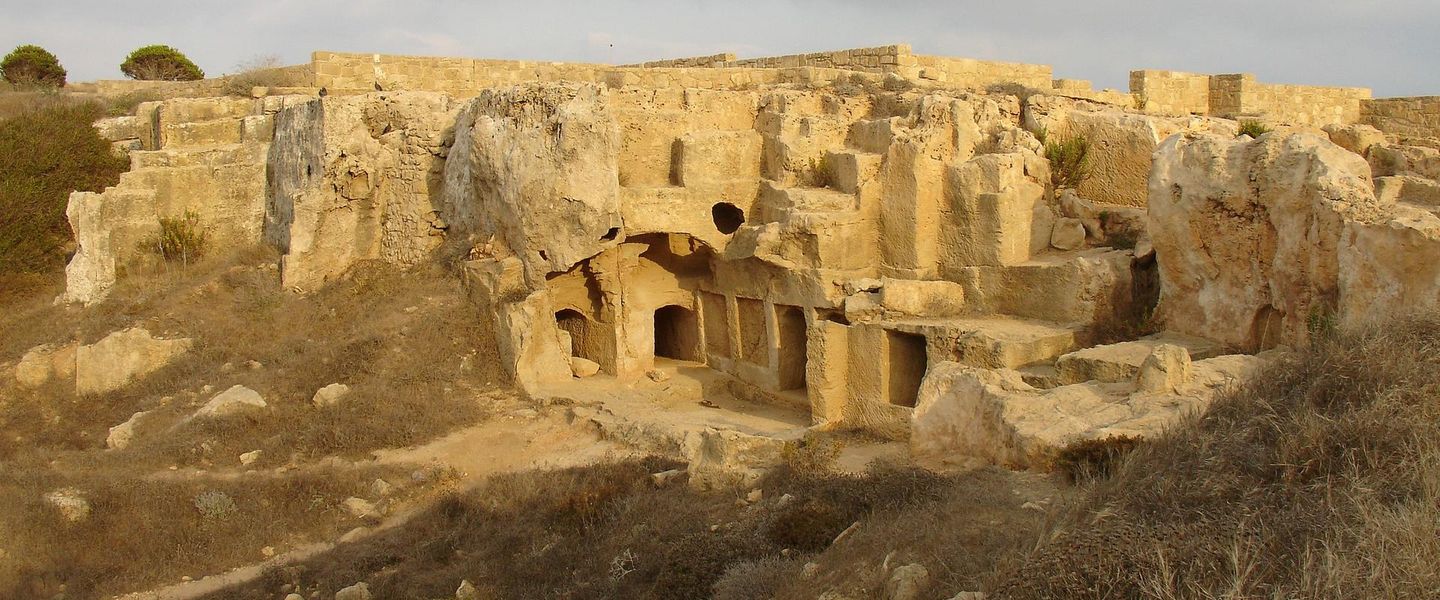
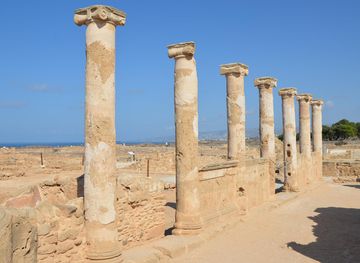
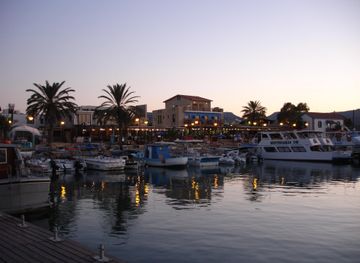
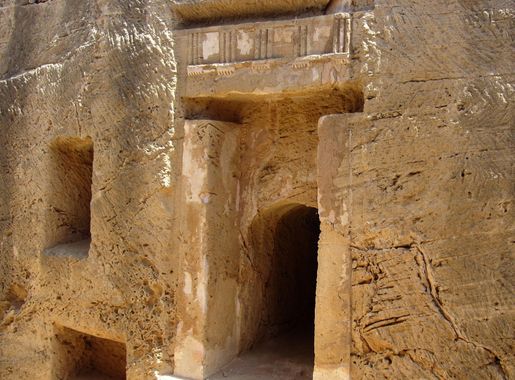
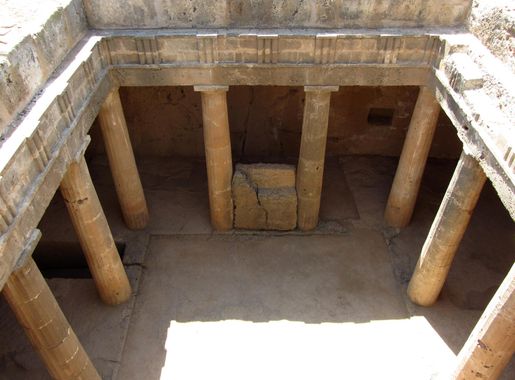
Paphos District, located on the southwest coast of Cyprus, is a treasure trove of history, culture, and natural beauty. This enchanting region is home to ancient ruins, stunning beaches, and charming villages, making it a must-visit destination for travelers seeking both relaxation and adventure. The district's capital, Paphos, is famed for its archaeological sites, including the UNESCO-listed Paphos Archaeological Park. Here, visitors can marvel at well-preserved Roman mosaics and the impressive Tombs of the Kings. The town's picturesque harbor, with its medieval castle and vibrant promenade, offers a perfect setting for leisurely strolls and waterfront dining. Beyond the historical attractions, Paphos District boasts a wealth of natural wonders. The Akamas Peninsula, a protected nature reserve, is ideal for hiking, cycling, and bird-watching. The stunning coastline features pristine beaches, such as Coral Bay and Lara Beach, where you can relax and soak up the Mediterranean sun. Inland, traditional villages like Kathikas and Kouklia offer a glimpse into local life, with their quaint stone houses and welcoming taverns serving delicious Cypriot cuisine.

Know before you go
Hi, I'm Eve. Here are a few practical things to know before exploring Paphos District.
- Visit early in the morning to avoid crowds at popular archaeological sites like the Tombs of the Kings.
- Rent a car to explore the remote beaches and hidden gems of the Akamas Peninsula.
- Try local delicacies such as halloumi cheese and souvlaki at village taverns for an authentic Cypriot experience.
- Pack comfortable shoes for walking and exploring the historical sites and nature trails.
- Stay hydrated and wear sunscreen, especially during the summer months when temperatures can soar.
Top City Travel Guides in Paphos District
The cities of Paphos District, and the easiest places to base yourself.



Destinations in Paphos District
Resorts, valleys and scenic spots worth a trip of their own.


Explore Paphos District: Things to Do, Places to Eat, Hotels & More
Handpicked recommendations for top attractions, local dining, accommodations, and more

Top Attractions & Sightseeing in Paphos District
Top-rated picks
Best Attractions

Petra tou Romiou (Aphrodite's Rock)
Discover the legendary birthplace of Aphrodite, where ancient myths meet stunning Mediterranean scenery, offering an unforgettable Cypriot experience.

Archaeological Site of the Tombs of the Kings
Explore the ancient Tombs of the Kings in Paphos, a UNESCO World Heritage Site showcasing the grandeur of Cyprus's aristocratic past.

The Edro III Shipwreck
Explore the striking Edro III Shipwreck near Peyia, where a storm-stranded freighter creates one of Cyprus’ most awe-inspiring coastal photo spots.

Pafos Zoo
Discover a world of wildlife at Pafos Zoo, home to diverse animal species and interactive experiences in a lush, natural setting.

Best landmarks in Paphos District
Top-rated picks
Best Landmarks

Petra tou Romiou (Aphrodite's Rock)
Discover the enchanting beauty and rich mythology of Aphrodite's Rock, a historic landmark on the coast of Cyprus that promises unforgettable memories.

Archaeological Site of Nea Paphos
Discover ancient Greek and Roman history at the Nea Paphos Archaeological Site, a UNESCO World Heritage Site with stunning mosaics and ruins.

Archaeological Site of the Tombs of the Kings
Explore the Tombs of the Kings in Cyprus, an ancient burial site showcasing remarkable architecture and rich historical significance.

The Edro III Shipwreck
Explore the hauntingly beautiful Edro III Shipwreck in Cyprus, a striking symbol of maritime history amidst stunning coastal scenery.

Best restaurants in Paphos District
Top-rated picks
Best Restaurants

Oniro By The Sea
Discover exquisite Mediterranean dining at Oniro By The Sea in Peyia, Cyprus – where stunning views meet culinary excellence.

The Harbour
Experience authentic Cypriot cuisine with stunning Mediterranean views at The Harbour in Paphos.

Muse
Experience exquisite dining at Muse in Paphos – where traditional Cypriot flavors meet modern culinary artistry.

Baths Of Aphrodite Restaurant
Experience authentic Mediterranean cuisine amidst stunning scenery at Baths Of Aphrodite Restaurant in Neo Chorio, Cyprus.

Best bars in Paphos District
Top-rated picks
Best Bars
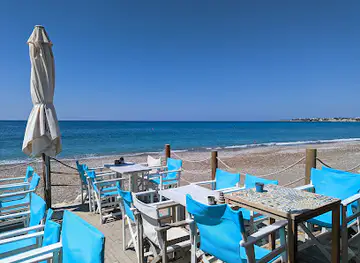
Sea You Beach Bar
Discover the vibrant atmosphere and stunning views at Sea You Beach Bar in Kissonerga, Cyprus – a perfect seaside getaway for relaxation and fun.

O'Neill's Irish Bar and Grill
Experience authentic Irish cuisine and a lively atmosphere at O'Neill's Irish Bar and Grill in Paphos, Cyprus.
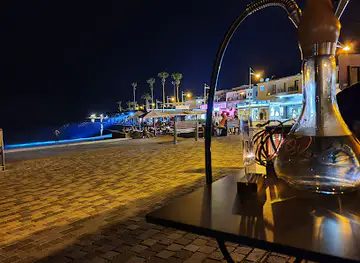
Alea Allday Lifestyle
Experience Paphos at Alea Allday Lifestyle – a cocktail haven blending relaxation, nightlife, and Mediterranean charm.

Antasia Beach Club
Discover Antasia Beach Club in Paphos, a luxurious beachfront venue offering Asian and Mediterranean cuisines and stunning sunset views.

Best nightclubs in Paphos District
Top-rated picks
Best Nightclubs

Island Beach Bar and Restaurant
Experience the vibrant coastal flavors at Island Beach Bar and Restaurant in Cyprus, where fresh seafood and stunning views await every visitor.

Kleo's Cocktail Bar & Night Club
Discover the lively spirit of Kleo's Cocktail Bar & Night Club, where unforgettable nights filled with cocktails, music, and dancing await every visitor.

Noma Latchi
Discover the culinary delights of Noma Latchi, a seaside restaurant in Cyprus offering fresh local flavors and vibrant drinks.

Loft Club
Discover the electrifying nightlife of Paphos at Loft Club, where music, dance, and unforgettable memories come alive every weekend.

Best shops in Paphos District
Top-rated picks
Best Shops

Kings Avenue Mall
Discover Kings Avenue Mall in Paphos, a premier shopping destination featuring top brands, diverse dining, and vibrant entertainment options for all.

Avakas Gorge Nature Trail
Explore the stunning Avakas Gorge Nature Trail, a hiking paradise in Cyprus with breathtaking landscapes and rich biodiversity.

Paphos Airport - Cyprus Airports Duty Free Shops
Discover a world of shopping at Paphos Airport Duty Free, featuring top brands and local treasures for every traveler.

Paphos Market
Discover the vibrant Paphos Market, where local flavors, unique crafts, and the essence of Cyprus come alive in a bustling atmosphere.

Explore Paphos District on the Map
A handpicked selection of must-see spots in Paphos District, mapped for you.
Paphos District Essentials
-
Paphos District is accessible via Paphos International Airport (PFO), located approximately 6.5 kilometers southeast of the city of Paphos. The airport serves numerous international flights, primarily from Europe. Alternatively, travelers can fly into Larnaca International Airport (LCA) and take a bus or taxi to Paphos, which is about a 1.5 to 2-hour drive. Buses and taxis are available at both airports to transport you to your accommodation in Paphos District.
-
Public transportation in Paphos District includes buses and taxis. The local bus service, operated by OSYPA, connects major towns and tourist sites, and is an affordable way to get around. Taxis are also readily available and can be hailed on the street or booked in advance. For more flexibility, consider renting a car, which allows you to explore more remote areas at your own pace. Biking is another option, especially for short distances within the city of Paphos.
-
The official currency in Cyprus is the Euro (EUR). Credit and debit cards are widely accepted in hotels, restaurants, and shops. ATMs are plentiful in urban areas and tourist spots, allowing for easy cash withdrawals. However, it is advisable to carry some cash, especially when visiting rural areas or small businesses that might not accept cards.
-
Paphos District is generally safe for tourists. Nevertheless, exercise standard precautions: avoid poorly lit areas at night and keep an eye on personal belongings in crowded places. There are no specific high-crime areas targeting tourists, but it is always wise to stay vigilant. Petty theft and pickpocketing can occur in busy tourist spots, so be cautious.
-
In case of an emergency, dial 112 for immediate assistance. This number connects you to police, medical, and fire services. Paphos General Hospital offers comprehensive medical services. Pharmacies are available throughout the district, with some offering 24-hour service. Travel insurance with medical coverage is recommended.
-
Fashion: Do dress modestly, especially when visiting religious sites. Avoid overly revealing clothing. Religion: Do respect local customs and traditions. Always cover your head when entering churches and monasteries. Public Transport: Do be respectful and give up your seat to elderly passengers. Don’t eat or drink on public transport. Greetings: Do greet people with a handshake. A warm smile is also appreciated. Eating & Drinking: Do try local delicacies and accept food offerings graciously. Don’t refuse hospitality, as it is considered impolite.
-
To experience Paphos District like a local, visit the traditional villages such as Kathikas and Letymvou, where you can enjoy local wines and traditional Cypriot dishes. Engage with locals at the markets to learn about their culture and history. Don’t miss the Paphos Archaeological Park, a UNESCO World Heritage site, which offers a glimpse into the region's rich history. For a unique experience, try a boat trip from the harbor to explore the beautiful coastline and sea caves.
When is the best time to visit Paphos District?
Useful Local Phrases for Paphos District
You don't need to speak the language perfectly. Even learning a few simple words can make conversations warmer—and locals usually appreciate the effort.
— Eve

Here are the phrases I use most often in Paphos District. Try a few—you'll be surprised how far they go! 😊
❤️
-
- HelloHowdy
[haʊdi] - GoodbyeSee ya
[si jə] - YesYep
[jɛp] - NoNope
[noʊp] - Please/You're welcomeSure thing
[ʃʊr θɪŋ] - Thank youThanks
[θæŋks] - Excuse me/SorryPardon me
[ˈpɑrdən mi] - How are you?How's it going?
[haʊz ɪt ˈgoʊɪŋ] - Fine. And you?Good. You?
[ɡʊd ju] - Do you speak English?You speak English?
[ju spiːk ˈɪŋɡlɪʃ] - I don't understandI don't get it
[aɪ doʊnt ɡɛt ɪt]
- HelloHowdy
-
- I'd like to see the menu, pleaseCan I see the menu?
[kæn aɪ si ðə ˈmɛnju] - I don't eat meatI'm a vegetarian
[aɪm ə ˌvɛdʒəˈtɛriən] - Cheers!Cheers!
[ʧɪrz] - I would like to pay, pleaseCan I get the check?
[kæn aɪ ɡɛt ðə ʧɛk]
- I'd like to see the menu, pleaseCan I see the menu?
-
- Help!Help!
[hɛlp] - Go away!Leave me alone!
[liv mi əˈloʊn] - Call the Police!Call 911!
[kɔl naɪn wʌn wʌn] - Call a doctor!Get a doctor!
[ɡɛt ə ˈdɑktər] - I'm lostI'm lost
[aɪm lɔst] - I'm illI'm not feeling well
[aɪm nɑt ˈfiːlɪŋ wɛl]
- Help!Help!
-
- I'd like to buy...I want to buy...
[aɪ wɑnt tə baɪ] - I'm just lookingJust browsing
[dʒʌst ˈbraʊzɪŋ] - How much is it?What's the price?
[wʌts ðə praɪs] - That's too expensiveThat's pricey
[ðæts ˈpraɪsi] - Can you lower the price?Can you cut the price?
[kæn ju kʌt ðə praɪs]
- I'd like to buy...I want to buy...
-
- What time is it?What time is it?
[wʌt taɪm ɪt] - It's one o'clockIt's 1 o'clock
[ɪts wʌn əˈklɑk] - Half past (10)Half past ten
[hæf pæst tɛn] - MorningMorning
[ˈmɔrnɪŋ] - AfternoonAfternoon
[ˌæftərˈnun] - EveningEvening
[ˈivnɪŋ] - YesterdayYesterday
[ˈjɛstərdeɪ] - TodayToday
[təˈdeɪ] - TomorrowTomorrow
[təˈmɑroʊ] - 1One
[wʌn] - 2Two
[tu] - 3Three
[θri] - 4Four
[fɔr] - 5Five
[faɪv] - 6Six
[sɪks] - 7Seven
[ˈsɛvən] - 8Eight
[eɪt] - 9Nine
[naɪn] - 10Ten
[tɛn]
- What time is it?What time is it?
-
- Where's a/the...?Where's the...?
[wɛrz ðə] - What's the address?What's the address?
[wʌts ði ˈædrɛs] - Can you show me (on the map)?Can you point it out?
[kæn ju pɔɪnt ɪt aʊt] - When's the next (bus)?When's the next bus?
[wɛn z ðə nɛkst bʌs] - A ticket (to ....)A ticket to ...
[ə ˈtɪkɪt tə ...]
- Where's a/the...?Where's the...?
History of Paphos District
-
Paphos is renowned as the legendary birthplace of Aphrodite, the ancient Greek goddess of love and beauty. According to mythology, she rose from the sea foam near Paphos. The city's ancient ruins, including the Sanctuary of Aphrodite at Kouklia, stand testament to its importance as a center for the goddess's cult. The sanctuary was a significant pilgrimage site during the Greco-Roman period, attracting worshippers from all over the Mediterranean.
-
During the Hellenistic period, Paphos flourished as an important city under the rule of the Ptolemaic dynasty of Egypt. The city was re-established as Nea Paphos (New Paphos) around 320 BC and served as the capital of Cyprus. It was a bustling port city with impressive public buildings, theaters, and fortifications, playing a crucial role in maritime trade across the eastern Mediterranean.
-
Paphos's prominence continued under Roman rule, which began in 58 BC. The city became the administrative center of the Roman province of Cyprus. One of the most remarkable remnants from this era is the House of Dionysus, a Roman villa known for its intricate and well-preserved mosaic floors, depicting scenes from Greek mythology and daily life. These mosaics are among the finest in the world and highlight Paphos's cultural and artistic achievements during the Roman period.
-
The spread of Christianity in Cyprus is closely linked to Paphos. According to biblical accounts, the Apostle Paul visited Paphos around AD 45 and converted the Roman proconsul Sergius Paulus to Christianity, making it one of the first regions in the Roman Empire to embrace the new faith. The Pillar of Saint Paul, where he was allegedly scourged, remains an important pilgrimage site for Christians today.
-
Paphos continued to be an important city during the Byzantine period, though its significance declined after the Arab raids in the 7th century. The medieval period saw the construction of notable landmarks such as the Paphos Castle, originally built by the Byzantines and later rebuilt by the Lusignans in the 13th century. The castle served as a fortification and a means to protect the harbor.
-
Paphos came under Ottoman rule in 1571 and remained so until the British took control of Cyprus in 1878. During the Ottoman period, the city saw limited development but retained its historical significance. The British colonial period brought modernization efforts, including infrastructure improvements and archaeological excavations, which unearthed many of Paphos's ancient treasures, contributing to the city's historical and cultural preservation.
-
In 1980, the archaeological sites of Paphos were inscribed on the UNESCO World Heritage List, recognizing their outstanding historical and cultural value. Today, modern Paphos is a vibrant city that seamlessly blends its rich past with contemporary life. The ongoing preservation and study of its ancient sites continue to draw historians, archaeologists, and tourists from around the world, ensuring that Paphos remains a vital link to the ancient civilizations of the Mediterranean.
Neighbouring Regions of Paphos District
The closest regions to Paphos District, if you have time for more than one.



Your all‑in‑one travel companion app
Explore expert travel guides, compare and book tours, experiences, hotels, and more—all from the palm of your hand. Download now for seamless trip planning wherever your wanderlust takes you.


Explore More of Cyprus

Looking beyond Paphos District? Discover Cyprus for broader travel guides, local hot-spots, and regional highlights.
Explore CyprusPaphos District in Photos
Browse through our photo collection highlighting the charm and character of the destination.

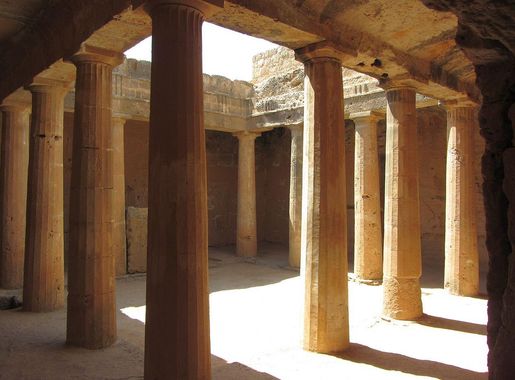


Paphos District: A Mediterranean Gem
Paphos District, located on the southwest coast of Cyprus, is a treasure trove of history, culture, and natural beauty. This enchanting region is home to ancient ruins, stunning beaches, and charming villages, making it a must-visit destination for travelers seeking both relaxation and adventure. The district's capital, Paphos, is famed for its archaeological sites, including the UNESCO-listed Paphos Archaeological Park. Here, visitors can marvel at well-preserved Roman mosaics and the impressive Tombs of the Kings. The town's picturesque harbor, with its medieval castle and vibrant promenade, offers a perfect setting for leisurely strolls and waterfront dining. Beyond the historical attractions, Paphos District boasts a wealth of natural wonders. The Akamas Peninsula, a protected nature reserve, is ideal for hiking, cycling, and bird-watching. The stunning coastline features pristine beaches, such as Coral Bay and Lara Beach, where you can relax and soak up the Mediterranean sun. Inland, traditional villages like Kathikas and Kouklia offer a glimpse into local life, with their quaint stone houses and welcoming taverns serving delicious Cypriot cuisine.