

arceológiai park, Paphos District Travel Guide
Discover ancient Greek and Roman history at Paphos Archaeological Park, a UNESCO World Heritage Site with stunning mosaics and ancient ruins.
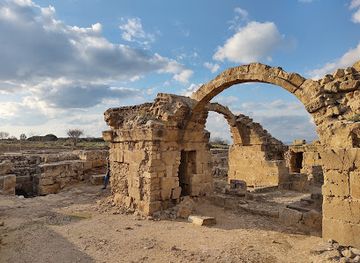
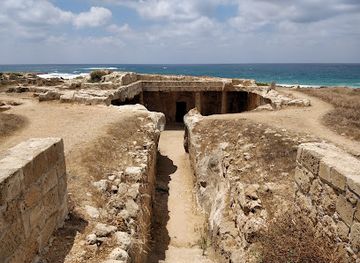
Explore the Paphos Archaeological Park, a UNESCO World Heritage Site featuring ruins from prehistoric times to the Middle Ages. Discover Roman villas with intricate mosaics, ancient monuments, and a glimpse into Cyprus's rich history.
A brief summary to arceológiai park
- QCGC+5P2, Paphos, CY

Know before you go
Hi, I'm Eve. Here are a few practical things to know before exploring arceológiai park.
- Visit early in the morning or late afternoon to avoid crowds and the heat, especially during the summer months.
- Wear comfortable shoes as the terrain can be uneven and requires walking.
- Bring water and snacks, as refreshments within the park are limited.
- Check the opening hours in advance, as they vary between summer and winter seasons.
- Consider hiring a local guide to gain deeper insights into the history and significance of the site.
Do you manage this location?
Take control to get all the benefits, like improved information, better appearance, and stronger visibility across AI-powered discovery. Learn more about listing your business on Evendo
Activate your presenceOther nearby places you may find interesting
The closest places of the same kind, if this one is not quite what you had in mind.

Explore arceológiai park on the Map
A handpicked selection of must-see spots near arceológiai park, mapped for you.
Getting There
-
Walking
From Paphos Harbour, head east along the coastal path for approximately 1 kilometer. You'll pass cafes and shops with sea views. Follow the signs for the Archaeological Park, leading directly to the entrance. The walk takes about 15-20 minutes.
-
Public Transport
From Paphos Harbour, take bus 615 towards Coral Bay. Get off at the 'Archaeological Park' stop. The bus fare is approximately €1.50 for a one-way ticket. The park entrance is a short walk from the bus stop.
-
Car
From Paphos city center, head towards the coast on Vasileos Georgiou Street. Turn left onto Poseidonos Avenue and follow it along the coast. After about 1.5 kilometers, signs will indicate the Archaeological Park. Turn right onto QCGC+5P2 for parking. Parking fees are approximately €2 for a few hours.
Discover more about arceológiai park













Your all‑in‑one travel companion app
Explore expert travel guides, compare and book tours, experiences, hotels, and more—all from the palm of your hand. Download now for seamless trip planning wherever your wanderlust takes you.


Explore More of Paphos District

Looking beyond arceológiai park? Discover Paphos District for broader travel guides, local hot-spots, and regional highlights.
Explore Paphos District
Explore stunning views and rich history at Paphos Overlook, a must-see destination for tourists in Cyprus, capturing the essence of Mediterranean beauty.

Explore the rich archaeological heritage of Arceológiái Park in Paphos, Cyprus, where history and nature intertwine beautifully.
