

Holy Church of Saint Lazarus: Larnaca's Byzantine Gem
Discover Larnaca's spiritual heart at the Holy Church of Saint Lazarus, a Byzantine masterpiece with a rich history and serene atmosphere.
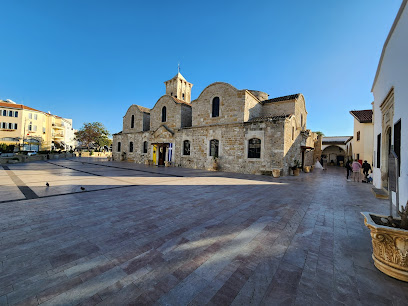
The Holy Church of Saint Lazarus, or Agios Lazaros, is a late 9th-century church in Larnaca, Cyprus, built over the tomb of Saint Lazarus. It showcases stunning Byzantine architecture and a rich history, drawing pilgrims and tourists alike to experience its serene atmosphere and religious significance.
A brief summary to Holy Church of Saint Lazarus
- WJ6M+JW3 Πλατεία, Ayiou Lazarou, Larnaca, CY
- +35724652498
- Visit website
- Monday 8 am-6:30 pm
- Tuesday 8 am-6:30 pm
- Wednesday 8 am-6:30 pm
- Thursday 8 am-6:30 pm
- Friday 8 am-6:30 pm
- Saturday 8 am-6:30 pm
- Sunday 6:30 am-12:30 pm
Local tips
- Dress modestly when visiting, as this is a sacred place of worship; shoulders and knees should be covered.
- Explore the Byzantine Museum adjacent to the church to delve deeper into the history and religious artifacts associated with Saint Lazarus and the church.
- Attend the procession in honor of Saint Lazarus, held eight days before Easter, for a unique cultural and spiritual experience.
- Enjoy a coffee or a traditional Cypriot sweet at one of the cafes in the square surrounding the church, soaking in the local atmosphere.

Getting There
-
Walking
The Holy Church of Saint Lazarus is centrally located in Larnaca town. From Finikoudes promenade, walk inland, away from the sea, for approximately 10 minutes. You'll see the church's bell tower rising above the surrounding buildings. The church is situated in a pedestrian-friendly square, easily accessible from all directions. Look for signs directing you towards 'Agios Lazaros' or St. Lazarus Church. No costs are associated with walking.
-
Public Transport
To reach the Holy Church of Saint Lazarus via public transport, take a local bus to the Larnaca Bus Station (K.A.A.Y.). From there, you can either walk approximately 15 minutes to the church or take a local bus that stops near Ayiou Lazarou Street. From the bus station, head towards the coast and follow signs to Ayiou Lazarou. A single bus ticket within Larnaca costs €1.50 during the day and €2.50 at night. Ensure you check the bus schedules in advance as they may vary depending on the season.
-
Taxi/Ride-Share
Taxis and ride-sharing services are readily available in Larnaca and offer a convenient way to reach the Holy Church of Saint Lazarus. A taxi ride from the Finikoudes promenade or Larnaca Bus Station to the church typically costs between €7 and €9, depending on traffic and the specific starting point. The journey usually takes around 5-10 minutes. Ride-sharing apps like Bolt operate in Larnaca, providing an alternative to traditional taxis. Be sure the driver resets the taximeter at the beginning of the journey; the base fare is around €3.00.
-
Driving
If driving, navigate to Agios Lazaros Square in Larnaca. Limited street parking is available near the church, but it can be challenging, especially during peak tourist season. Parking fees typically range from €1 to €2 per hour. Several parking lots are located within a short walking distance of the church, including Saint Nicholas Parking and St. Lazarus Municipal Parking. Be mindful of local parking regulations to avoid fines.
Discover more about Holy Church of Saint Lazarus
Iconic landmarks you can’t miss

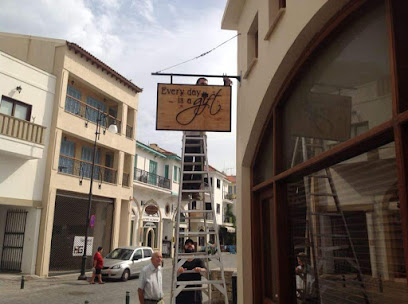
Every day is a gift
0.0 km
Discover the beauty of Cypriot craftsmanship at 'Every Day is a Gift' - a unique art gallery in Larnaca showcasing handmade jewelry and pottery.
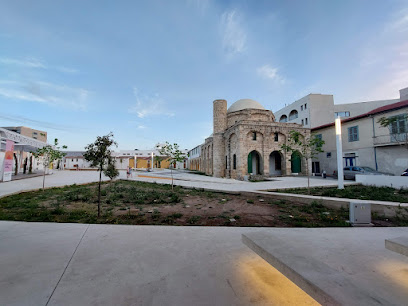
Zouhouri Square
0.1 km
Discover the charm of Zouhouri Square in Larnaca, Cyprus, where history meets culture amidst traditional architecture and vibrant local life.
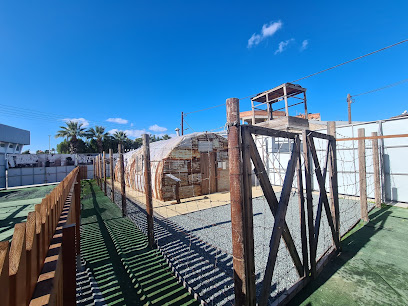
Chabad Lubavitch of Cyprus
0.2 km
Discover the vibrant community spirit at Chabad Lubavitch of Cyprus, where culture, hospitality, and friendship come together in Larnaca.
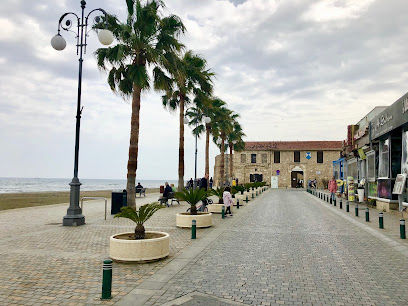
Castle Square & Promenade
0.3 km
Explore the vibrant heart of Cyprus at Castle Square & Promenade, where history meets modern culture in a picturesque setting.
Love buses sightseeing tour stop
0.3 km
Experience Larnaca's rich culture and stunning coastal views with Love Buses sightseeing tours, perfect for every traveler.
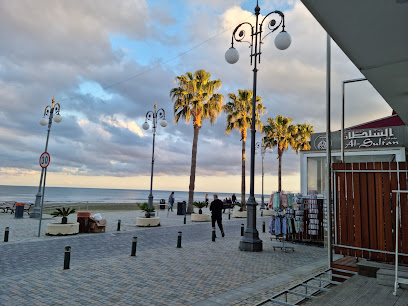
Ermou Square
0.3 km
Experience the vibrant heart of Larnaca at Ermou Square: shopping, culture, and local charm await in this lively Cypriot hub.
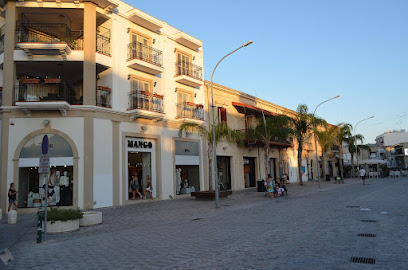
Ithaki Garden Restaurant
0.4 km
Experience authentic Cypriot cuisine in a lush garden setting at Ithaki Garden Restaurant, a hidden gem in the heart of Larnaca.
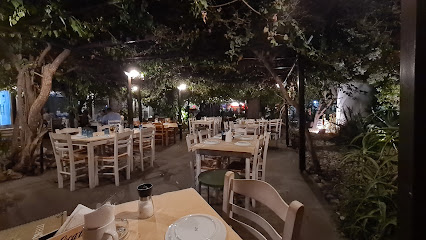
To Arxontikon
0.4 km
Experience authentic Greek and Mediterranean cuisine at To Arxontikon in Larnaca, where tradition meets flavor in a warm, welcoming atmosphere.
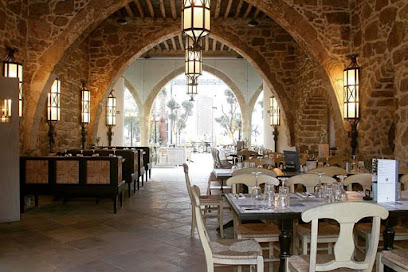
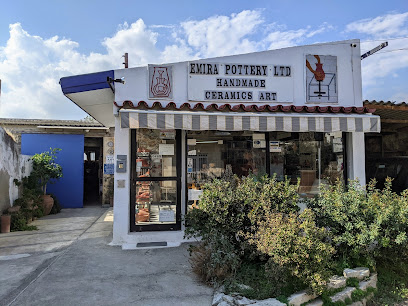
Emira Pottery
0.4 km
Discover the beauty of Cypriot craftsmanship at Emira Pottery in Larnaca, where tradition meets artistry in exquisite home goods.
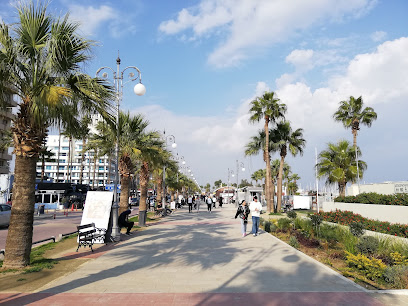
Finikoudes
0.4 km
Discover Finikoudes Beach in Larnaca, Cyprus: a vibrant coastal destination with golden sands, water sports, and rich cultural experiences.
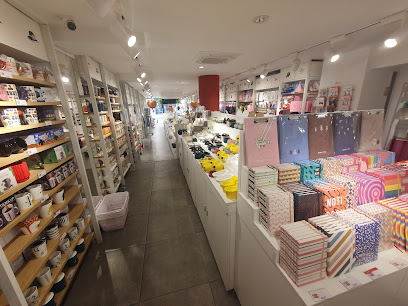
BEST FOR
0.4 km
Discover unique Cypriot crafts and souvenirs at 4K Gift Shop in Larnaca. A treasure trove of local artistry awaits!
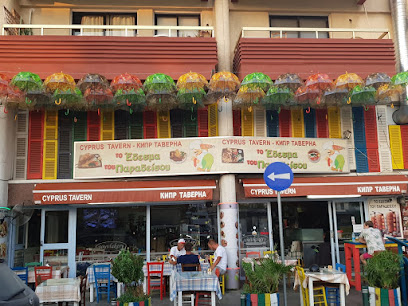
Edesma Cyprus Taverna - Souvlaki Place
0.6 km
Experience authentic Cypriot cuisine at Edesma Cyprus Taverna in Larnaca, offering delicious souvlaki, warm hospitality, and a taste of local culture.
Deputy Ministry of Tourism
0.6 km
Discover Cyprus's vibrant culture and hidden gems at the Deputy Ministry of Tourism, your essential guide in Larnaca.
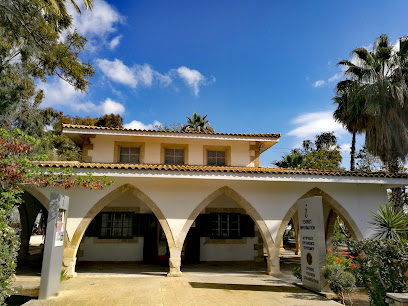
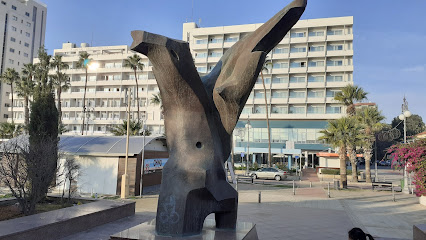
Armenian Genocide memorial
0.6 km
A solemn memorial in Larnaca honoring the victims of the Armenian Genocide and Cyprus's role as a sanctuary for refugees.
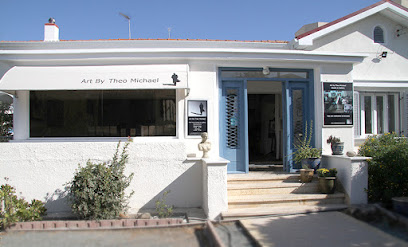
Art by Theo Michael
0.7 km
Discover the vibrant art scene at Art by Theo Michael in Larnaca, Cyprus, where creativity meets local culture in stunning contemporary artworks.
Unmissable attractions to see

Byzantine Museum of Saint Lazarus
0.0 km
Discover a treasure trove of Byzantine art and religious artifacts at the Museum of Saint Lazarus in Larnaca, offering a glimpse into the city's rich spiritual heritage and cultural identity.
The Salt & Pepper Museum
0.1 km
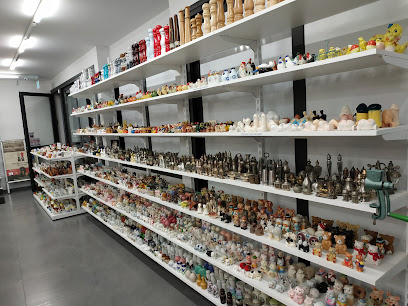
Explore a world of flavor and design at Larnaca's unique Salt & Pepper Museum, showcasing a fascinating collection of shakers from around the globe.
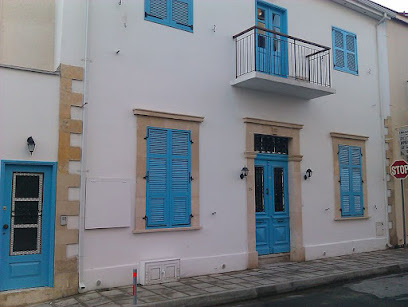
Kyriazis Medical Museum
0.2 km
Discover Cyprus's medical past at the Kyriazis Medical Museum in Larnaca: explore ancient tools, traditional remedies, and fascinating stories in a beautifully preserved historic mansion.
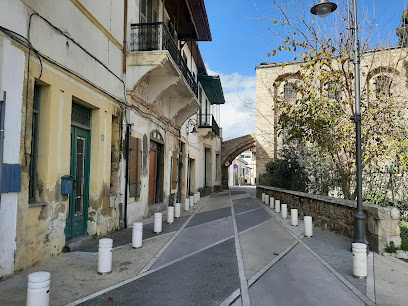
Old Quarter (Skala)
0.2 km
Discover Skala, Larnaca's enchanting Old Quarter: a vibrant tapestry of history, culture, and artisan traditions, offering an authentic Cypriot experience for every traveler.
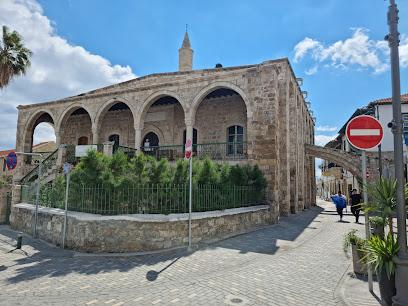
Djami Kebir Mosque
0.2 km
Discover the Djami Kebir Mosque in Larnaca, a historic site blending Ottoman and local architecture, offering a serene glimpse into Cyprus's diverse cultural heritage and spiritual traditions.
Small square
0.3 km
Experience the heart of Larnaca at Small Square: a blend of history, culture, and local charm near Larnaca Castle and Finikoudes, offering an authentic Cypriot experience.
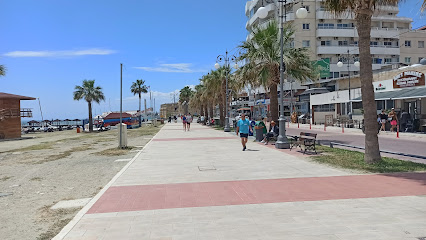
Larnaka Medieval Fort
0.3 km
Explore centuries of history at Larnaka Medieval Fort, from its medieval origins to its Ottoman reconstruction, offering stunning coastal views and a glimpse into Cyprus's past.
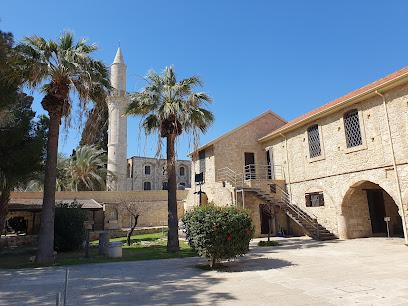
Venetian Winged Lion
0.3 km
Explore the Venetian Winged Lion, a historic symbol of Larnaca that reflects the city's rich heritage and artistic craftsmanship.
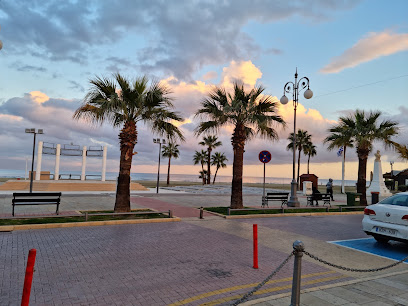
Art at the beach
0.3 km
Discover Larnaca's vibrant art scene at Art at the Beach, where stunning installations meet the Mediterranean coast, offering a unique cultural experience and seaside tranquility.
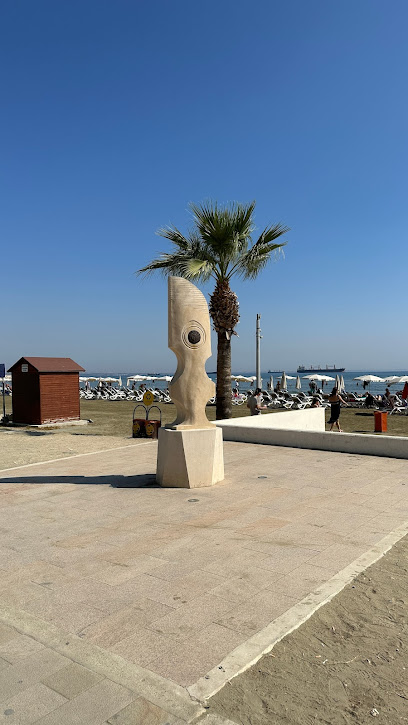
Larnaca
0.3 km
Discover Ayia Napa: Cyprus's vibrant coastal resort with stunning beaches, rich history, thrilling nightlife, and a diverse range of activities for an unforgettable Mediterranean escape.
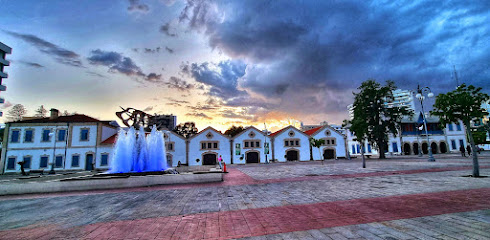
Finikoudes Beach mol
0.3 km
Discover Larnaca's iconic Finikoudes Beach: a vibrant hub with palm-lined shores, bustling promenade, and easy access to historical sites, offering the perfect Mediterranean escape.
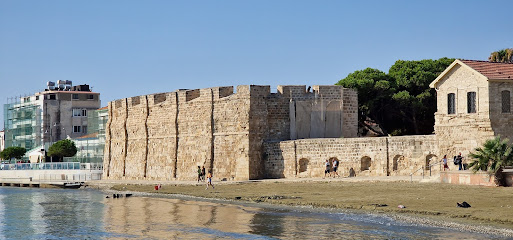
Larnaca Pier
0.3 km
Experience the enchanting beauty of Larnaca Pier, where stunning Mediterranean views and rich cultural heritage come together for an unforgettable visit along Cyprus's captivating coastline.
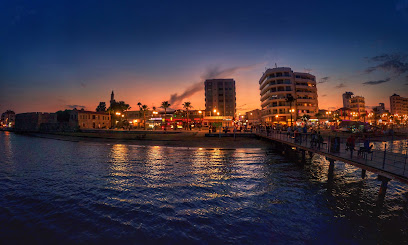
Art at the beach 2
0.4 km
Discover a unique cultural experience in Larnaca where art meets the sea at Art at the Beach 2, showcasing local talent against the stunning backdrop of the Mediterranean coastline.
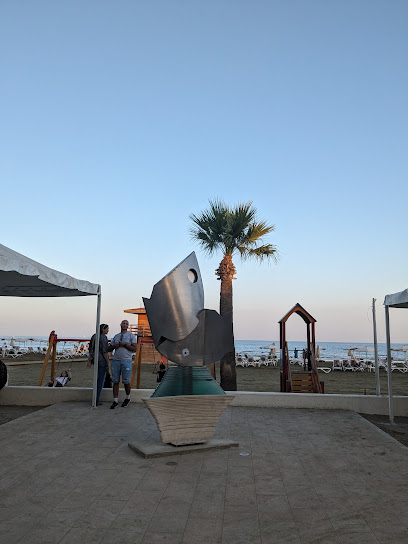
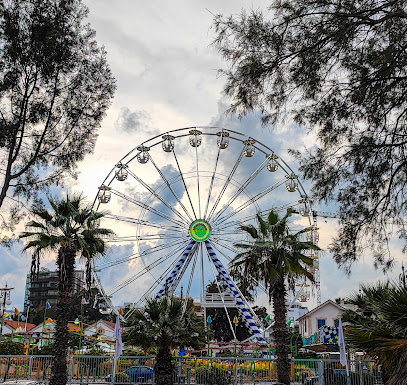
Hobos Amusement spot
0.4 km
Experience a day of thrill and joy at Hobos Amusement Spot, Larnaca's premier amusement park, perfect for families and adventure seekers.
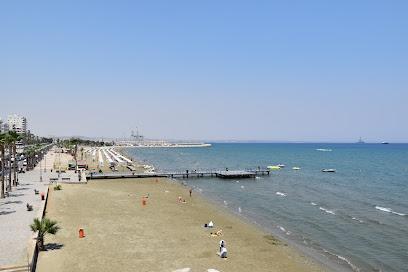
Finikoudes Beach
0.4 km
Experience the allure of Finikoudes Beach in Larnaca: golden sands, azure waters, and a vibrant promenade create an unforgettable Mediterranean escape, blending relaxation with cultural exploration.
Essential places to dine

SOUL Restaurant & Bar
0.1 km
Discover the vibrant flavors of Cyprus at SOUL Restaurant & Bar – where every dish tells a story.
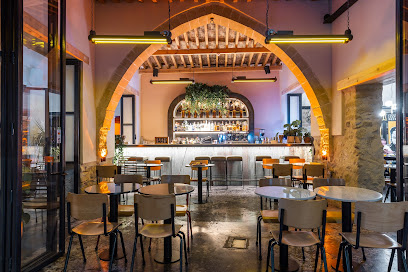
Watar Ziryab Restaurant & Bar
0.1 km
Discover exquisite Mediterranean flavors at Watar Ziryab Restaurant & Bar in Larnaca - where every meal is a delightful experience.
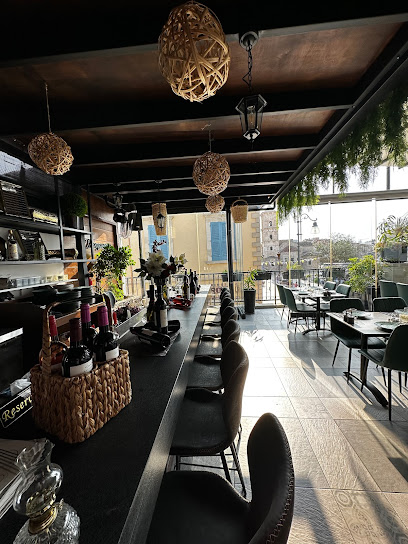
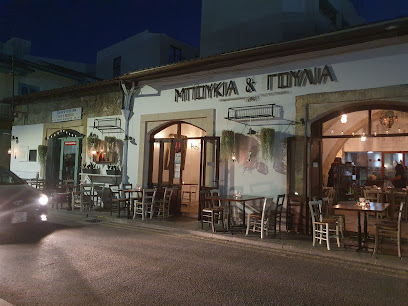
Mpoukia Kai Goulia
0.1 km
Experience authentic Cypriot cuisine at Mpoukia Kai Goulia in Larnaca – where tradition meets taste in every dish.
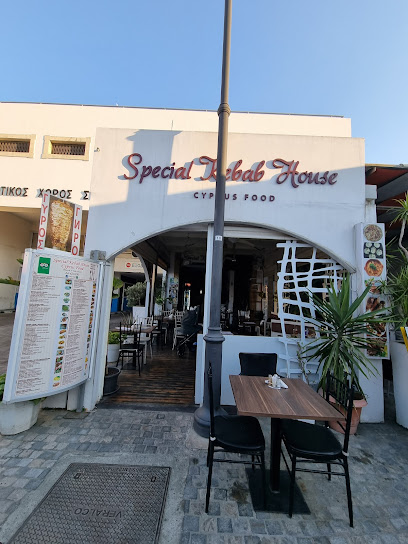
Special kebab house
0.1 km
Discover authentic Cypriot flavors at Special Kebab House in Larnaca – where every kebab tells a story!
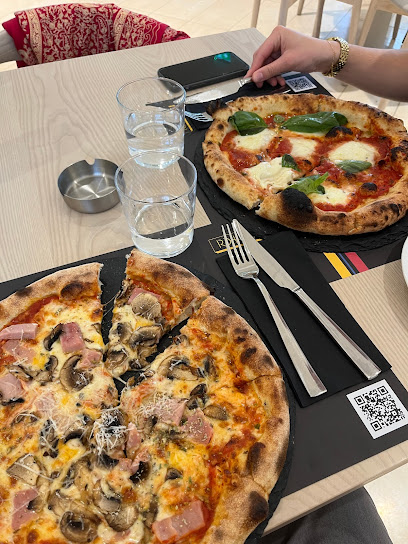
Rokoko Larnaca
0.1 km
Experience authentic Italian cuisine at Rokoko Larnaca, where every dish tells a story of passion and tradition.
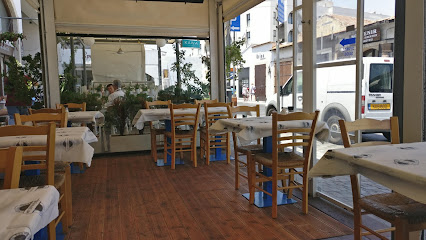
Souvlaki.gr
0.1 km
Savor authentic Greek cuisine at Souvlaki.gr in Larnaca—where every meal is a delightful journey into Mediterranean flavors.
GRILL CHEF
0.1 km
Experience authentic Cypriot flavors at Grill Chef in Larnaca—where every meal is a celebration of taste.
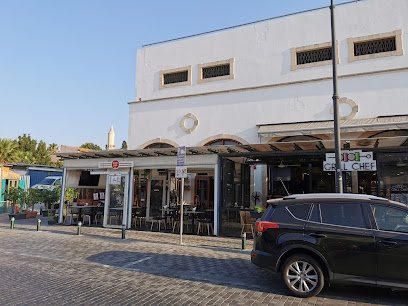
To Sieradiko
0.2 km
Discover authentic Mediterranean flavors at To Sieradiko in Larnaca - where traditional meets contemporary dining.
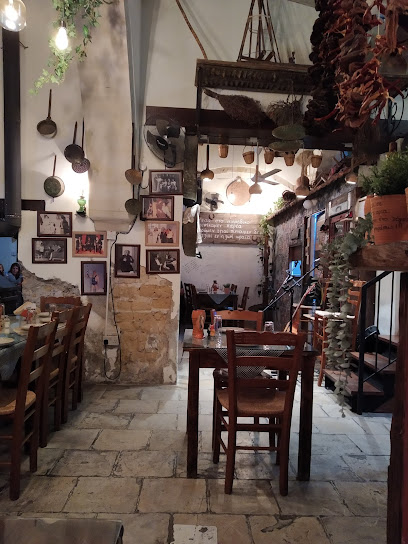
Stou Roushia
0.2 km
Discover authentic Cypriot cuisine at Stou Roushia in Larnaca - where tradition meets flavor in every dish.
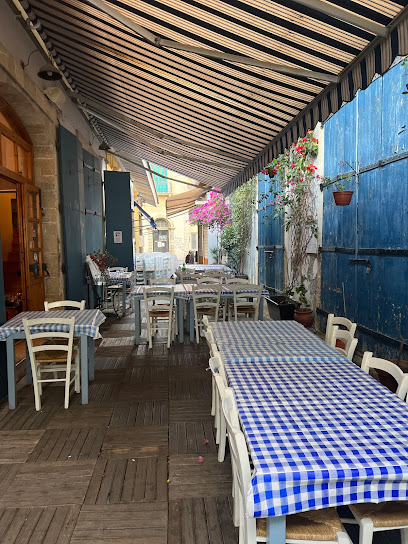
Mystic Lounge Bar & Restaurant
0.2 km
Experience exquisite flavors and vibrant ambiance at Mystic Lounge Bar & Restaurant in Larnaca – a culinary destination not to be missed.
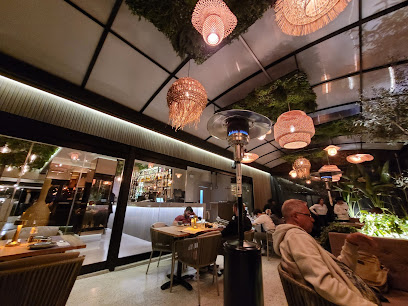
The Potbelly Quality Street Food & craft beer
0.2 km
Experience culinary excellence at The Potbelly in Larnaca—where gourmet sandwiches meet exceptional craft beer in a vibrant atmosphere.
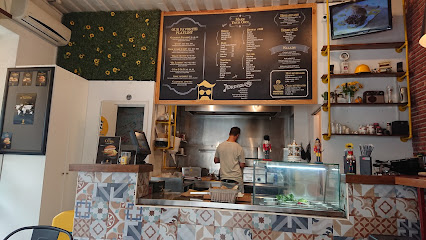
Maqam Al-Sultan Restaurant
0.3 km
Experience authentic Lebanese cuisine at Maqam Al-Sultan Restaurant in Larnaca - where rich flavors meet warm hospitality.
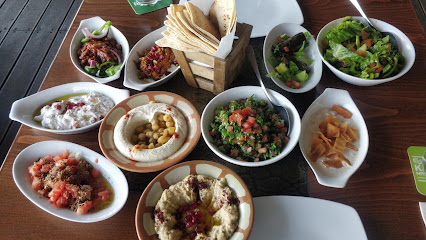
Panos Steak House
0.3 km
Discover Panos Steak House: A Culinary Haven for Steak Lovers in Larnaca with Exquisite Flavors and Unmatched Hospitality.
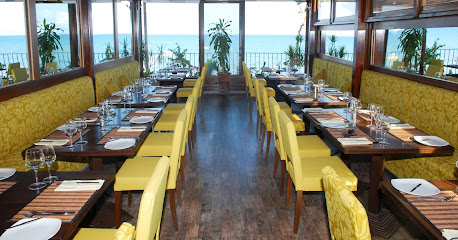
Kalamaki Bar
0.3 km
Experience authentic Greek flavors at Kalamaki Bar in Larnaca—where tradition meets taste amidst Cyprus's vibrant culinary scene.
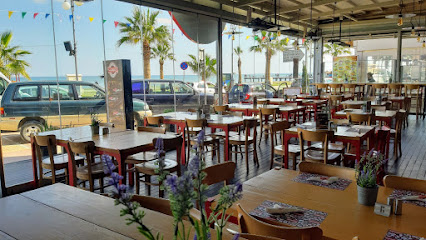
Valtou Rigani - Souvlakopolio (Larnaca)
0.3 km
Experience authentic Greek cuisine at Valtou Rigani - Souvlakopolio; indulge in delicious souvlaki and traditional Mediterranean dishes.
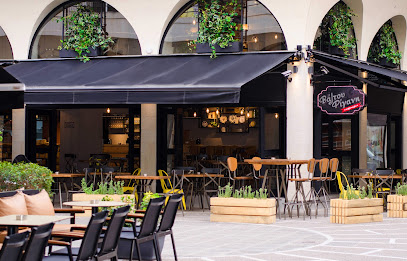
Markets, malls and hidden boutiques

Saint Lazarus Shop
0.0 km
Explore the charm of Cyprus at Saint Lazarus Shop, where unique gifts and local artistry come together in a delightful shopping experience.
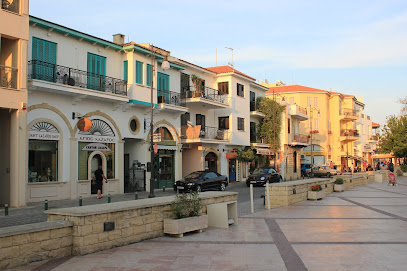
Seaside
0.1 km
Discover unique gifts and local crafts at Seaside, Larnaca's enchanting gift shop, perfect for capturing the spirit of Cyprus.

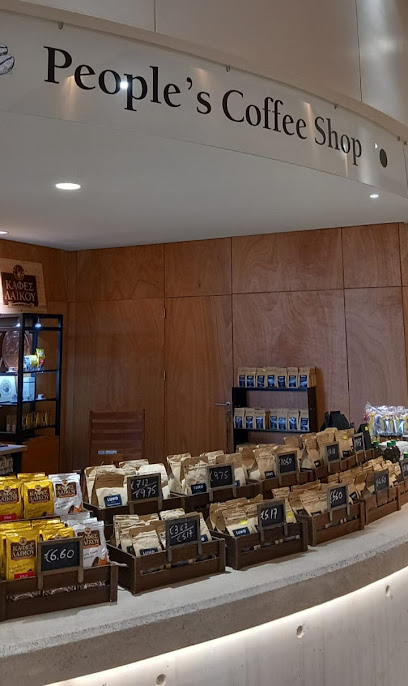
People's Coffee Shop
0.1 km
Explore unique gifts and local crafts at People's Coffee Shop, the perfect stop for souvenirs in Larnaca, Cyprus.
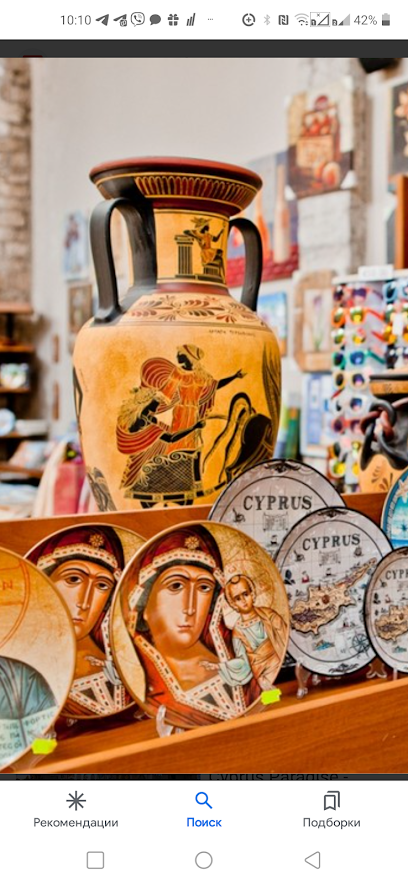
Cyprus Souvenir Corner
0.1 km
Explore the charm of Cyprus through unique souvenirs at Cyprus Souvenir Corner, your go-to shop in Larnaca for authentic local crafts.
orofino jewellery
0.2 km
Explore the artistry of Orofinо Jewellery in Larnaca, where handcrafted elegance meets unique designs, perfect for memorable gifts.
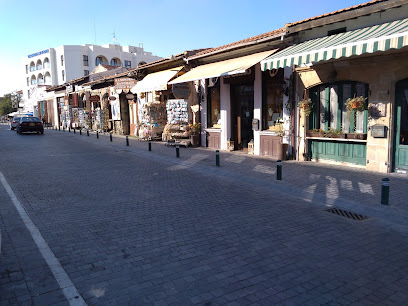
Atlantis Sea Treasures (Seashells & Corals; Souvenirs & Gifts). Магазин сувениров и Подарки. Ракушки и Кораллы.
0.2 km
Explore Atlantis Sea Treasures in Larnaca for exquisite seashells, corals, and unique souvenirs that capture the spirit of Cyprus.
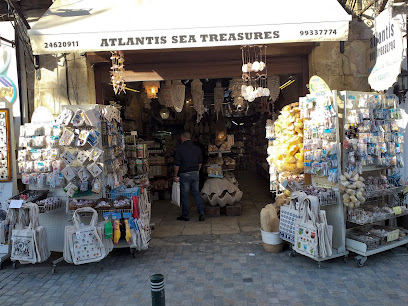
Metal
0.2 km
Discover authentic Cypriot gifts at Metal Gift Shop in Larnaca, a treasure trove of unique local crafts and souvenirs.
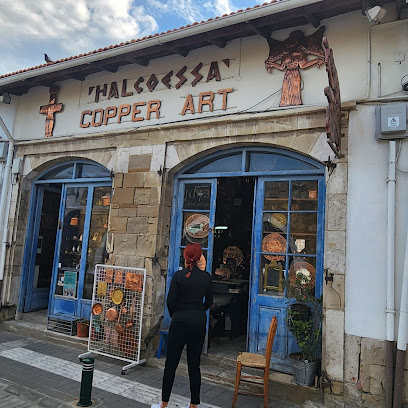
Антикварный магазин
0.2 km
Explore Larnaca's Antique Shop - A unique destination for vintage treasures and cultural artifacts that celebrate Cyprus's rich history.
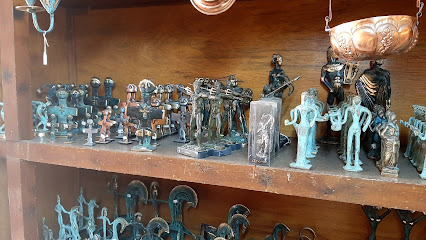
Lefkarart
0.2 km
Explore Lefkarart in Larnaca, Cyprus, for authentic handmade souvenirs that capture the island's rich culture and artistry.
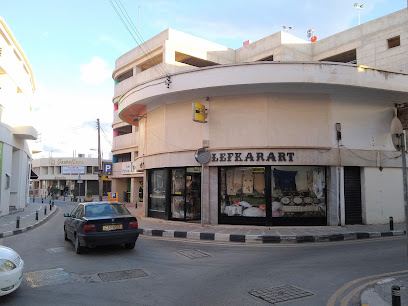
Jiovanis Kiosk
0.3 km
Discover Jiovanis Kiosk in Larnaca – your go-to convenience store for snacks, drinks, and local delicacies while exploring Cyprus.
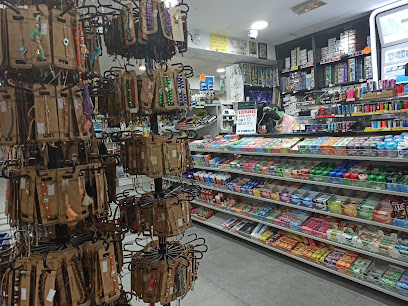
Mira Boutique
0.3 km
Explore the chic and trendy Mira Boutique in Larnaca, where fashion meets local charm in a delightful shopping experience.
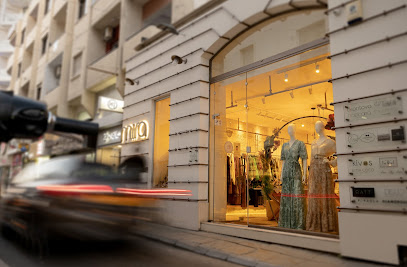
I Love Larnaca Souvenir Shop
0.3 km
Explore unique keepsakes and local crafts at I Love Larnaca Souvenir Shop, the perfect destination for memorable souvenirs in Cyprus.
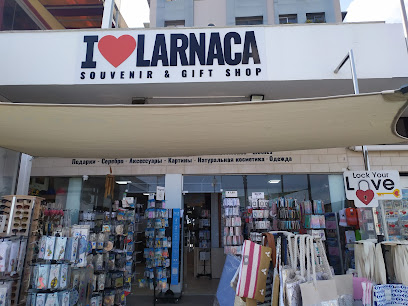
Monica Boutique
0.3 km
Discover unique fashion pieces at Monica Boutique in Larnaca, a stylish clothing store offering a blend of local and contemporary designs.

I love Larnaca
0.3 km
Explore I Love Larnaca for authentic Cypriot souvenirs and unique gifts that capture the spirit of your travels.
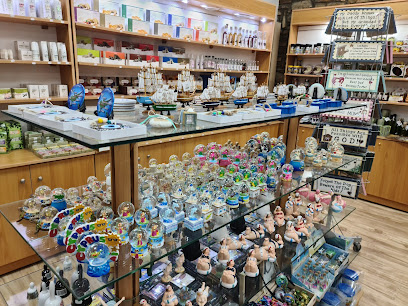
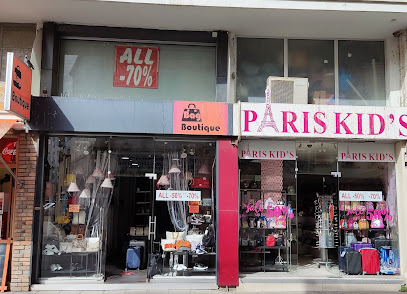
Bag Boutique
0.3 km
Bag Boutique in Larnaca offers a stylish selection of bags, luggage, and accessories, perfect for travelers seeking quality and elegance.
Essential bars & hidden hideouts

Secret Garden Wine & Coffee Bar
0.0 km
Experience the serene ambiance of Secret Garden Wine & Coffee Bar in Larnaca, Cyprus, where exquisite drinks meet Mediterranean charm.
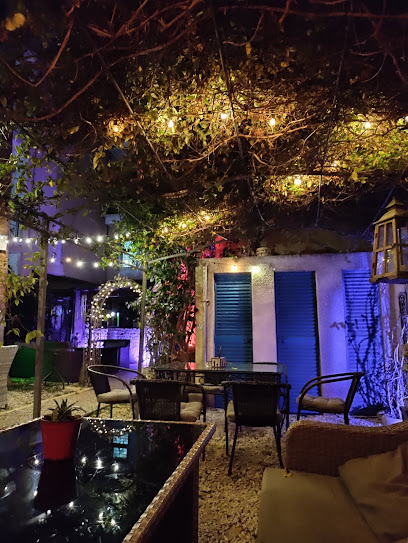
CUCKOO Rooftop Cocktail Bar
0.1 km
Discover CUCKOO Rooftop Cocktail Bar in Larnaca, a vibrant nightlife destination offering breathtaking views and exquisite cocktails to elevate your evening.
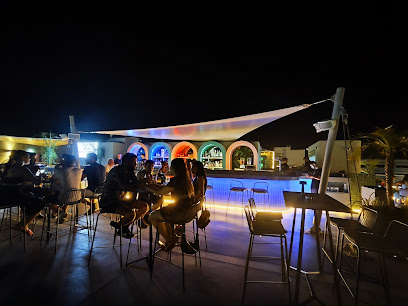
DUENDE Cocktail & more
0.2 km
Experience the vibrant ambiance and unique cocktails of DUENDE Cocktail & More in Larnaca, Cyprus, a must-visit for nightlife enthusiasts.
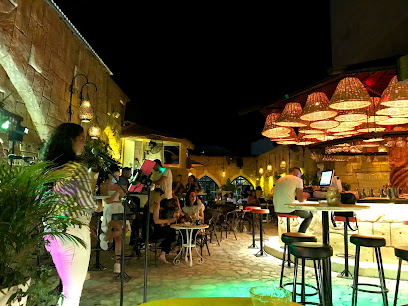
Stories Coctail & Wine Bar
0.2 km
Experience the vibrant nightlife at Stories Cocktail & Wine Bar, where expertly crafted cocktails meet a stylish atmosphere in the heart of Larnaca.
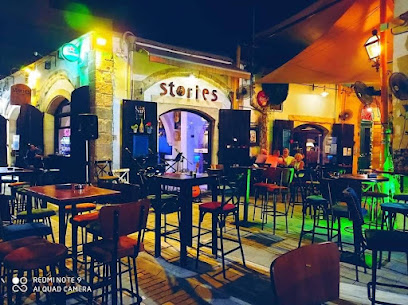
Old Market St.
0.2 km
Discover Old Market St., a lively bar in Cyprus known for its exquisite cocktails and vibrant nightlife experience.
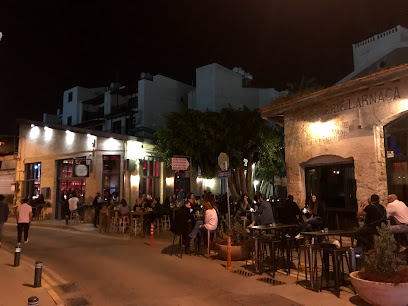
Blok Cocktail Bar
0.2 km
Experience the vibrant nightlife at Blok Cocktail Bar in Larnaca, where expertly crafted cocktails meet a lively atmosphere for an unforgettable evening.
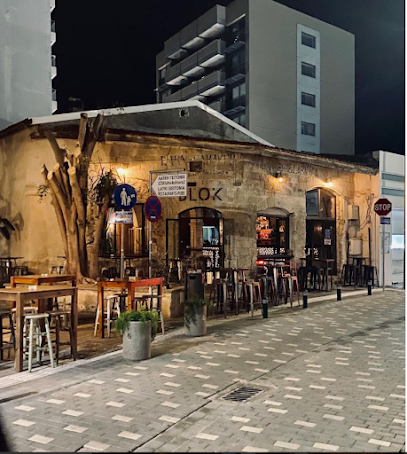
The Alley Garden
0.2 km
Experience the vibrant atmosphere and creative cocktails at The Alley Garden, a must-visit bar in Larnaca, Cyprus, blending culture and relaxation.
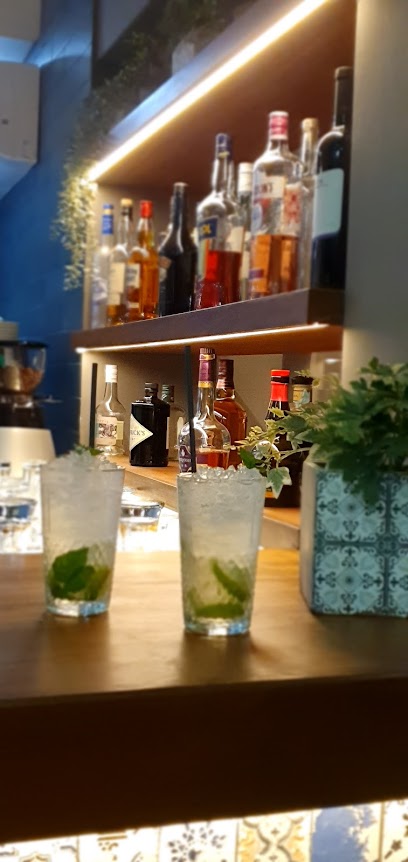
Dylan's Rock Bar
0.2 km
Experience the vibrant nightlife of Larnaca at Dylan's Rock Bar, where exceptional cocktails and live music create unforgettable memories.
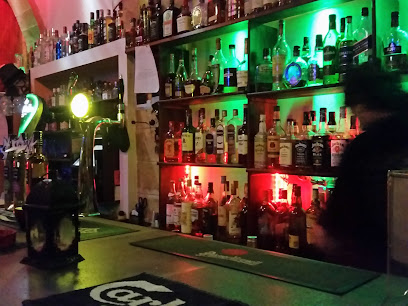
Hot Shots Music Bar
0.2 km
Discover the lively atmosphere and unforgettable music at Hot Shots Music Bar in Larnaca, Cyprus - a must-visit nightlife destination.
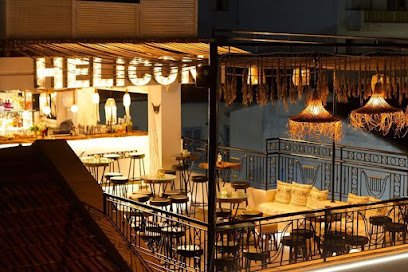
Helicon Roofbar
0.2 km
Experience breathtaking views and expertly crafted cocktails at Larnaca's premier rooftop bar, Helicon Roofbar.
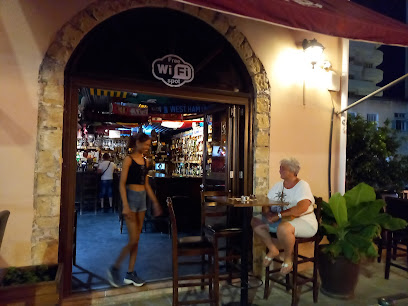
Old Country Pub
0.2 km
Experience authentic Cypriot hospitality at Old Country Pub in Larnaca, where tradition meets a vibrant atmosphere for unforgettable moments.
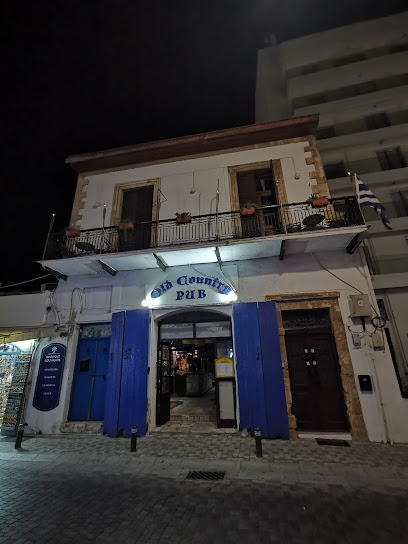
Stone Age Cafe-bar
0.2 km
Experience the vibrant nightlife of Larnaca at Stone Age Cafe-bar, where exceptional drinks and a lively atmosphere await.
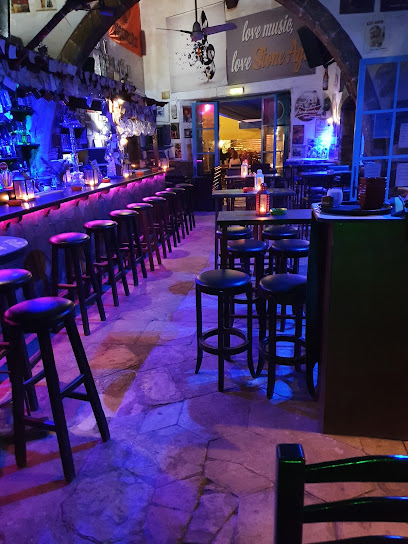
Καφενείο Το Καφεποιείο
0.2 km
Immerse yourself in the vibrant atmosphere of Καφενείο Το Καφεποιείο, a must-visit bar in Larnaca offering delightful coffee and cocktails.
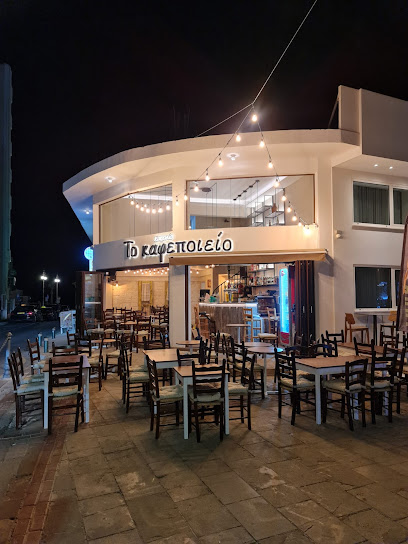
Savino Rock Bar
0.2 km
Experience the vibrant nightlife of Larnaca at Savino Rock Bar, where great music and an inviting atmosphere come together for an unforgettable evening.
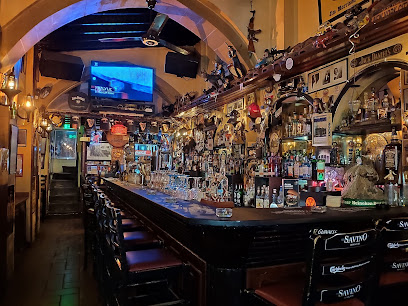
Borracho pub
0.2 km
Discover the lively spirit of Borracho Pub in Larnaca, Cyprus, where great drinks and vibrant atmosphere await every traveler.
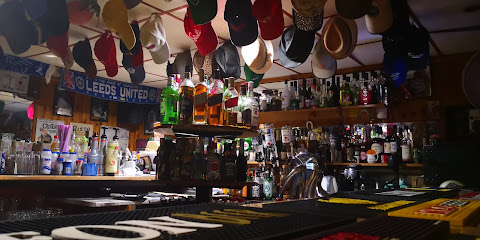
Nightclubs & after hour spots

Stage Live
0.1 km
Discover the vibrant nightlife at Stage Live, Larnaca's premier disco club, where unforgettable experiences and pulsating beats await every night.
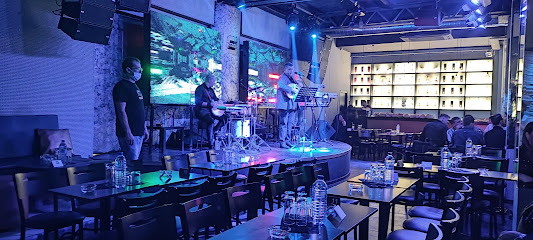
Geometry Club
0.2 km
Dance the night away at Geometry Club, Larnaca's lively night club offering an electrifying atmosphere and unforgettable experiences.

Dracula Club
0.3 km
Discover the vibrant nightlife of Larnaca at Dracula Club, where 90s nostalgia meets modern dance beats for an unforgettable experience.
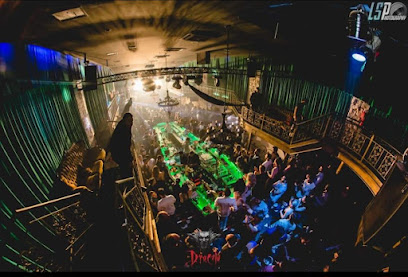
Club DEEP
0.4 km
Explore the energetic nightlife at Club DEEP in Larnaca, where unforgettable dance beats and vibrant drinks create the ultimate party experience.
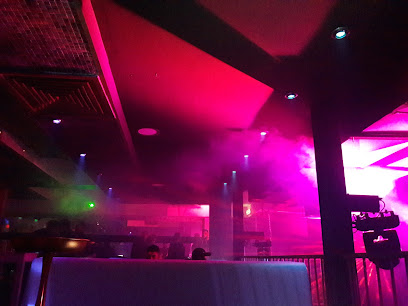
KING CLUB
0.4 km
Discover the electric nightlife at KING CLUB in Larnaca, Cyprus, where music, dance, and unforgettable memories await every night.
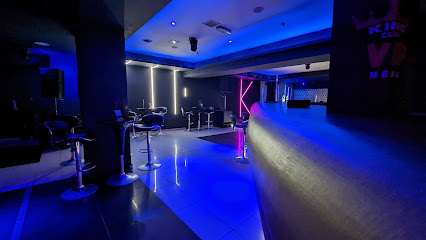
Secrets Freedom Club
0.5 km
Discover the energy and excitement of Secrets Freedom Club in Larnaca, a nightlife gem where music, drinks, and dancing come together for an unforgettable experience.
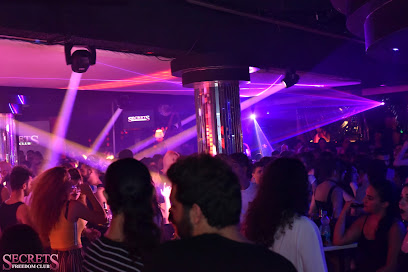
Favela
0.9 km
Dive into the electrifying nightlife of Larnaca at Favela, where music, dance, and vibrant energy collide for an unforgettable experience.
Baby club
1.1 km
Experience the electrifying nightlife at Baby Club in Larnaca, Cyprus – where the party never stops and memories are made.
D'LUX Afrobeat Club
2.1 km
Discover the pulse of Larnaca's nightlife at D'LUX Afrobeat Club, where Afrobeat music, vibrant atmosphere, and unforgettable moments await you.
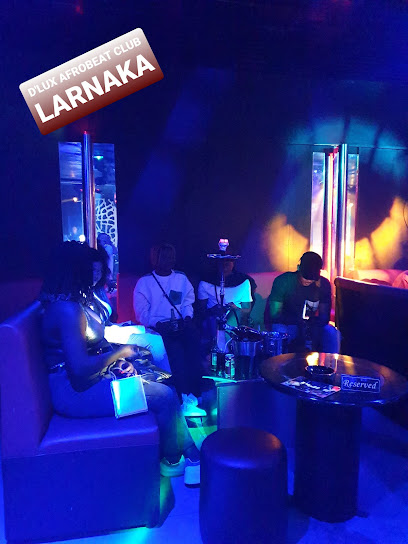
Attraction Club Ltd
2.1 km
Experience the electrifying nightlife of Larnaca at Attraction Club Ltd, a premier disco club where rhythm and energy unite until dawn.
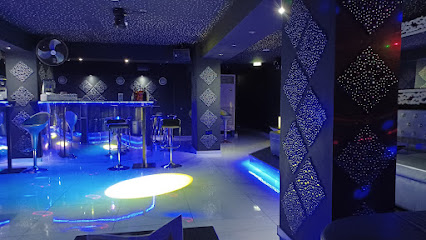
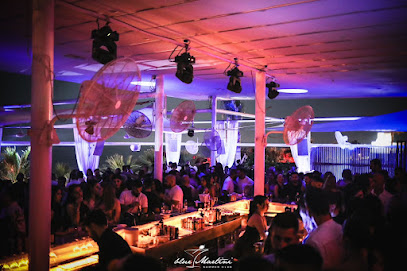
Blue Martini Summer Club
2.5 km
Discover the vibrant nightlife of Larnaca at Blue Martini Summer Club, where stunning beach views and electrifying music create the perfect party atmosphere.
Escape night club
12.1 km
Experience vibrant nightlife at Escape Night Club in Pyla, where music, dancing, and unforgettable memories come alive.
Dafermou Winery / Ktima Dafermou
29.4 km
Discover the charm of Cypriot wines at Dafermou Winery in Pano Lefkara, a perfect blend of tradition, beauty, and taste.
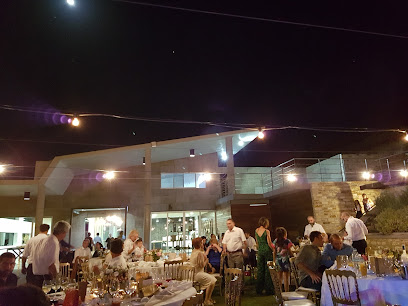
The Wood Bar
30.2 km
Discover the lively atmosphere of The Wood Bar in Pano Lefkara, where local culture meets refreshing drinks and vibrant entertainment for an unforgettable night out.
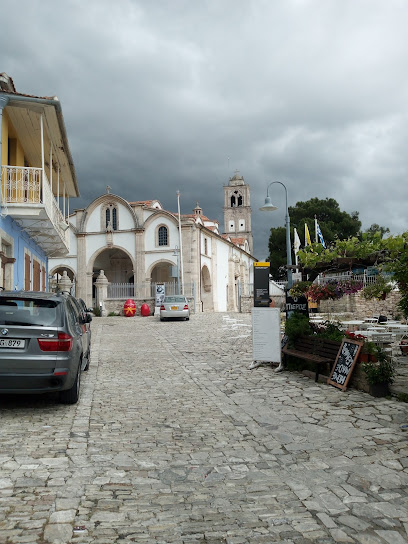
Teerah
30.3 km
Dive into Aglantzia's nightlife at Teerah, a premier night club with electrifying music and an unforgettable atmosphere.


