Early Hellenistic Pebble Mosaic Floor: A Glimpse into Ancient Paphos
Discover the ancient artistry of the Early Hellenistic Pebble Mosaic Floor in Paphos Archaeological Park, a window into Cyprus' Hellenistic past.
Located within the Paphos Archaeological Park, the Early Hellenistic Pebble Mosaic Floor is a remarkable survival from the Hellenistic period in Cyprus, dating back to the late 4th and early 3rd centuries BC. This mosaic offers a unique window into the artistry and culture of the time, showcasing early mosaic techniques and artistic styles. The mosaic, depicting the mythical sea monster Scylla, provides insight into the beliefs, values, and artistic achievements of a civilization that thrived over two thousand years ago.
A brief summary to Early Hellenistic Pebble Mosaic Floor
- QC67+R6J, Paphos, CY
Local tips
- Wear comfortable shoes as you'll be doing a lot of walking within the Paphos Archaeological Park.
- Bring water and sunscreen, especially during the hot summer months, as there is limited shade.
- Visit early in the morning or late in the afternoon to avoid the midday heat and crowds.
- Allow at least 2-3 hours to explore the entire Paphos Archaeological Park, including the House of Dionysus and other key sites.
- Check the official website for updated opening hours and any special events or closures.

Getting There
-
Walking
From the Paphos Harbour area, walk east along the waterfront promenade. Continue until you reach the Paphos Archaeological Park entrance, which is well-marked. The Early Hellenistic Pebble Mosaic Floor is located within the archaeological site, a short walk from the entrance. The walk from the harbor takes approximately 15 minutes. Entry to the Paphos Archaeological Park costs €4.50.
-
Public Transport
Several bus lines connect Paphos Harbour to the Paphos Archaeological Park. Bus lines 610, 615 (Tombs of the Kings and Coral Bay), and 631 stop at Posidonos or Apostolou Pavlou Avenue, near the entrance to the park. A single ticket costs €2 (€3 after 21:00), and a day ticket is €6.50. From the bus stop, it is a short walk to the park entrance. Entry to the Paphos Archaeological Park costs €4.50.
-
Taxi
Taxis are readily available in Paphos and can take you directly to the entrance of the Paphos Archaeological Park. From Paphos Harbour, a taxi ride to the park is short and should cost approximately €6-€10 during the day, depending on traffic. Ensure the driver uses the taximeter or agree on a fare before starting your journey. Entry to the Paphos Archaeological Park costs €4.50.
Discover more about Early Hellenistic Pebble Mosaic Floor
Iconic landmarks you can’t miss

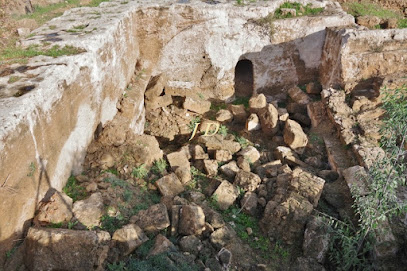
Roman Cistern
0.1 km
Discover the enchanting Roman Cistern in Paphos, a historical landmark that showcases ancient engineering and the rich history of Cyprus.
Hellenistic-Roman Theatre
0.1 km
Discover the timeless beauty of the Hellenistic-Roman Theatre in Paphos, a UNESCO World Heritage site steeped in rich history and stunning architecture.
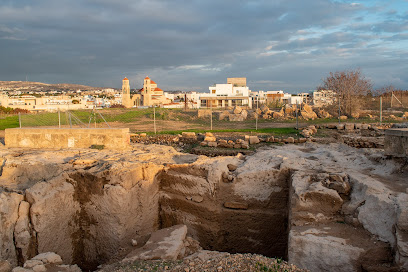
Hellenistic Circuit Wall Remains
0.1 km
Discover the Hellenistic Circuit Wall Remains in Paphos, a captivating historical landmark showcasing ancient fortifications with stunning views.
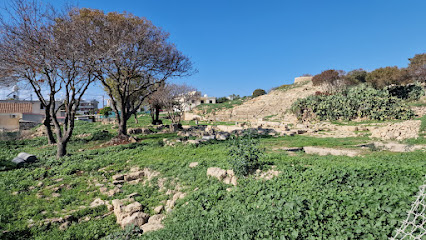
Petra tou Digheni
0.2 km
Discover Petra tou Digheni in Paphos, a captivating historical landmark showcasing Cyprus' rich cultural heritage and breathtaking scenery.
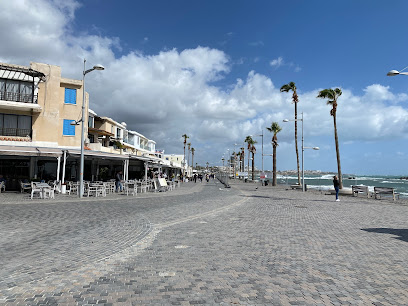
Roman Nymphaeum
0.2 km
Discover the enchanting Roman Nymphaeum in Paphos, Cyprus - a historical landmark that showcases the splendor of ancient Roman architecture and culture.
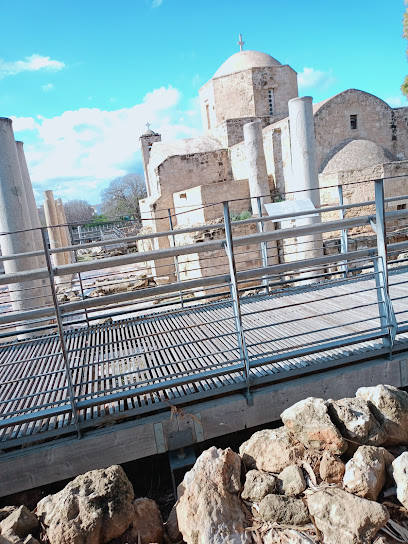
Toumpallos - Hellenistic Rock-cut Underground Complex
0.3 km
Explore the captivating Toumpallos Hellenistic Rock-cut Underground Complex in Paphos, Cyprus, and uncover the secrets of ancient architecture.
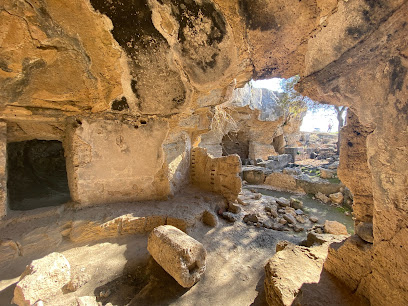
Cathedral Ruins
0.3 km
Uncover the serene beauty of the Cathedral Ruins in Paphos, a captivating historical landmark reflecting Cyprus's rich heritage.
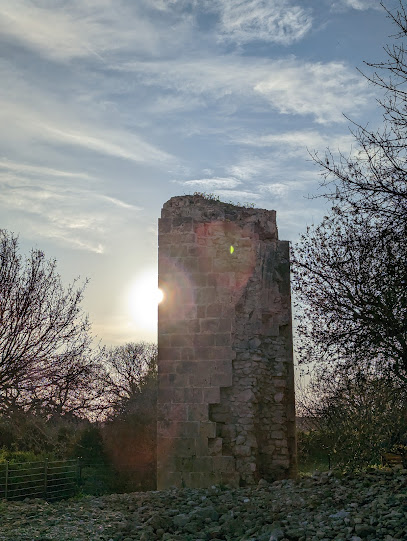
Táphos
0.3 km
Discover Tápohos, a historical gem in Paphos, Cyprus, where ancient ruins meet breathtaking landscapes, perfect for history lovers and curious travelers.

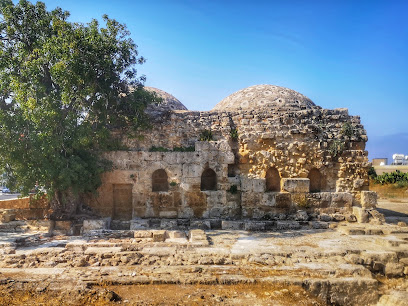
Medieval Baths
0.4 km
Explore the serene beauty and rich history of the Medieval Baths in Paphos, a captivating landmark that showcases Cyprus' vibrant past.
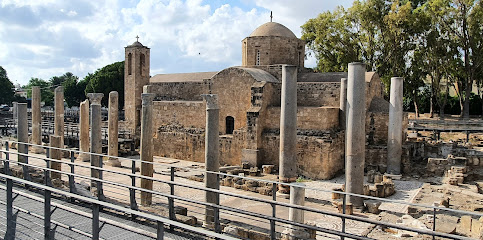
St Paul's Church and archeological site
0.4 km
Explore St Paul's Church and Archaeological Site, a captivating landmark in Paphos, Cyprus, steeped in rich history and stunning architecture.
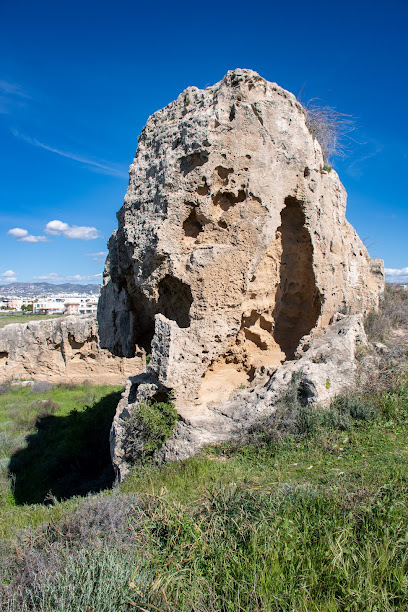
Northwest City Gate and Rock Bridge
0.5 km
Explore the rich history and breathtaking views of the Northwest City Gate and Rock Bridge in Paphos, a perfect blend of culture and nature.
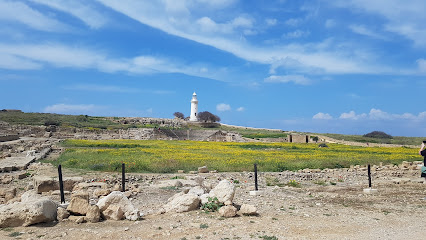
Agora
0.5 km
Explore the rich history and stunning ruins of Paphos' Agora, a must-visit historical landmark that showcases ancient Cypriot civilization.
Unmissable attractions to see

Fabrika Hill Cave Complex- Megalithic site
0.0 km
Unearth the secrets of Paphos at Fabrika Hill Cave Complex, where ancient catacombs, Roman ruins, and stunning views converge for an unforgettable historical adventure.
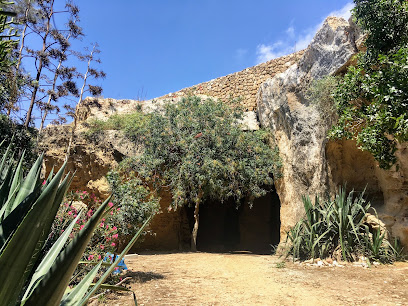
Catacombs
0.1 km
Discover the ancient Catacombs of Agia Solomoni in Paphos, a historical site with rock-cut chambers, religious significance, and a sacred tree.
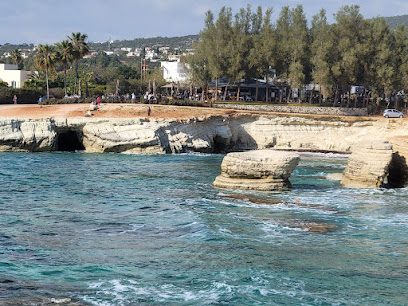
Walkway
0.1 km
Discover Paphos's coastal charm on this scenic walkway, linking ancient ruins, beaches, and vibrant cafes for an unforgettable Mediterranean experience.
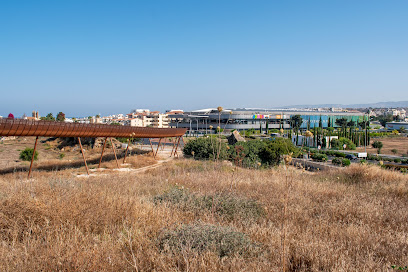
Fabrika Hill Panoramic Viewing Platform
0.1 km
Uncover Paphos' ancient past at Fabrika Hill: Explore Hellenistic quarries, Roman ruins, and panoramic views from this historically rich and freely accessible site.
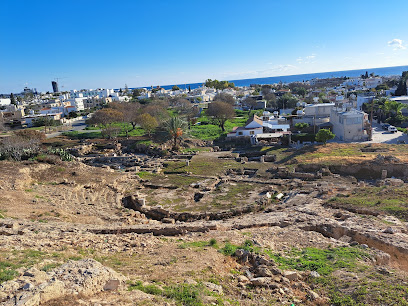
Agia Solomoni Catacomb
0.1 km
Explore the ancient Agia Solomoni Catacomb in Paphos, a historical underground chapel with sacred legends, rock-cut chambers, and a wishing tree, offering a unique cultural and spiritual experience.
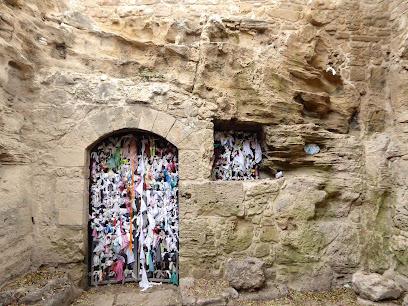
Agios Agapitikos
0.2 km
Discover Agios Agapitikos, a historical landmark in Paphos, where Byzantine legends meet serene beauty, offering a glimpse into Cyprus's rich past.
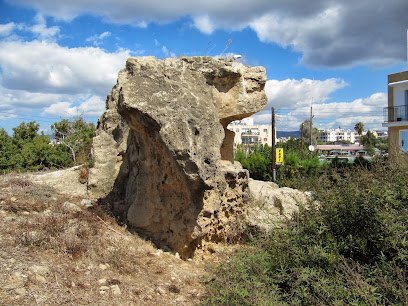
Ottoman Baths
0.3 km
Explore the Ottoman Baths in Paphos, Cyprus, a historic landmark showcasing the beauty of Ottoman architecture and culture.
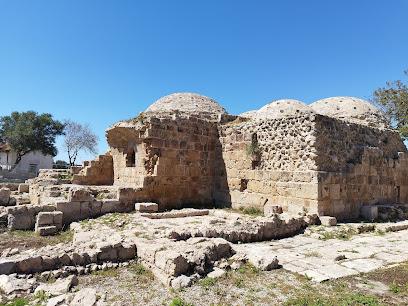
Lockdown Paphos Escape Games
0.4 km
Experience thrilling escape room adventures at Lockdown Paphos, with immersive themes and challenging puzzles for unforgettable fun with friends and family.
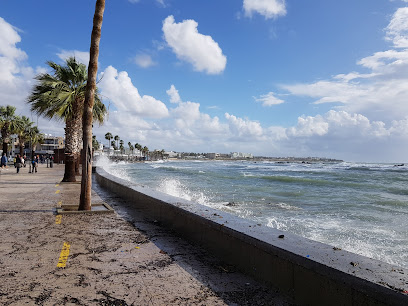
Oldest Ficus Tree
0.4 km
Discover the enchanting Oldest Ficus Tree in Paphos, Cyprus – a natural marvel rich in history, offering a tranquil escape and a perfect spot for peaceful reflection amidst the city's vibrant atmosphere.
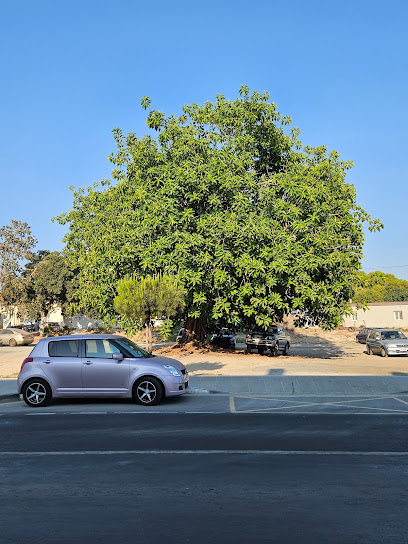
Agia Kyriaki Chrysopolitissa
0.5 km
Explore Agia Kyriaki Chrysopolitissa in Paphos: A historic church, ancient basilica ruins, and St. Paul's Pillar converge in a serene setting, offering a unique cultural and spiritual journey.
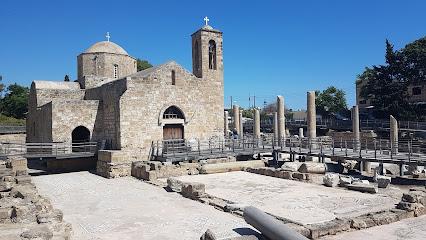
Nea Paphos
0.5 km
Explore the captivating ruins of Nea Paphos, a UNESCO World Heritage Site near Paphos Harbour, and discover stunning mosaics and ancient structures from Cyprus's Hellenistic and Roman past.
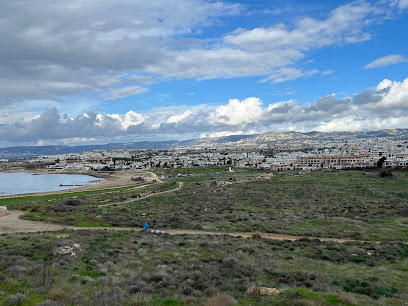
Paphos Segway Tour
0.5 km
Discover Paphos effortlessly! Glide through history and hidden gems on a fun and informative Segway tour. Certified Fun!
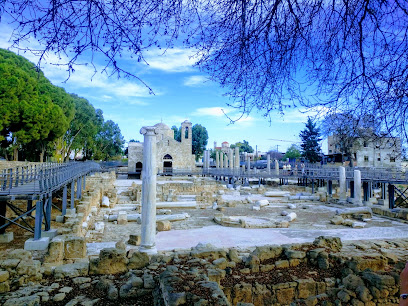
TT Motorcycle Rentals & Tours Paphos
0.5 km
Discover the beauty of Cyprus on two wheels with TT Motorcycle Rentals & Tours in Paphos, offering a diverse fleet and expert guidance for an unforgettable experience.

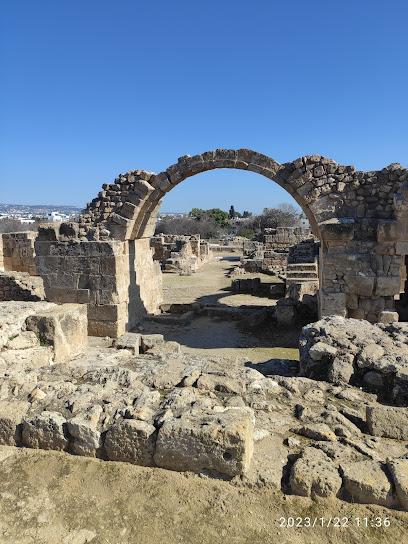
Forty Columns Fortress
0.6 km
Explore the ruins of Saranta Kolones, a medieval fortress in Paphos Archaeological Park, and step back in time to discover Cyprus's rich Byzantine and Lusignan history.
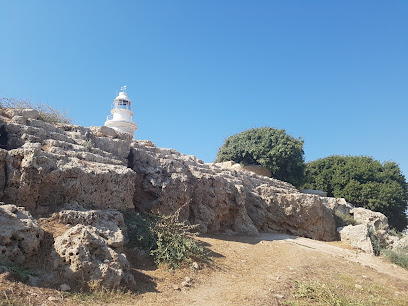
Roman Odeon
0.6 km
Step back in time at the Roman Odeon in Paphos, a remarkably preserved amphitheater hosting ancient echoes and modern performances.
Essential places to dine

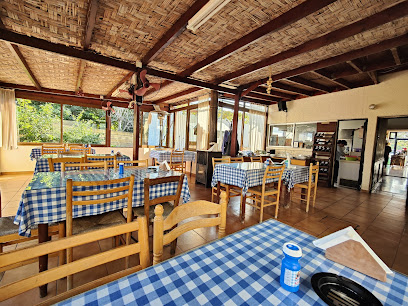
Minas tavern
0.3 km
Discover Minas Tavern in Paphos for an authentic taste of Cyprus with traditional dishes served in a warm and inviting atmosphere.
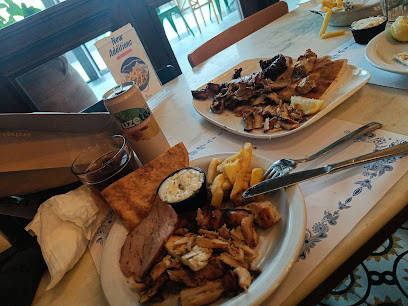
Tavernaki
0.3 km
Experience the essence of Cyprus at Tavernaki, where traditional flavors meet warm hospitality in the heart of Paphos.
Chef's Garden
0.3 km
Discover exquisite Cypriot cuisine at Chef's Garden in Paphos - where fresh ingredients meet culinary artistry.
Taco Bell
0.4 km
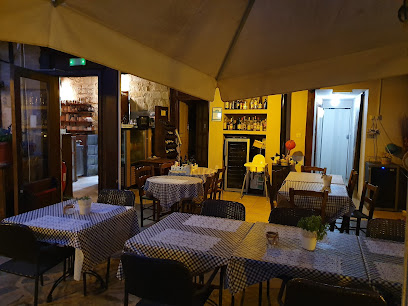
Discover bold flavors at Taco Bell in Paphos – where fast food meets Mexican delight in an exciting atmosphere.
To Eklekton Cypriot Corner
0.4 km
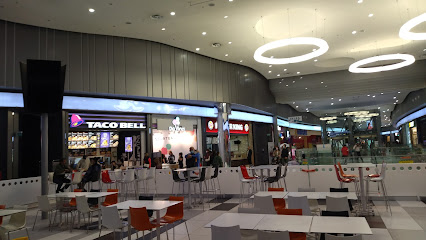
Experience authentic Cypriot cuisine at To Eklekton Cypriot Corner in Paphos - where tradition meets flavor in every dish.
The Windmill
0.4 km
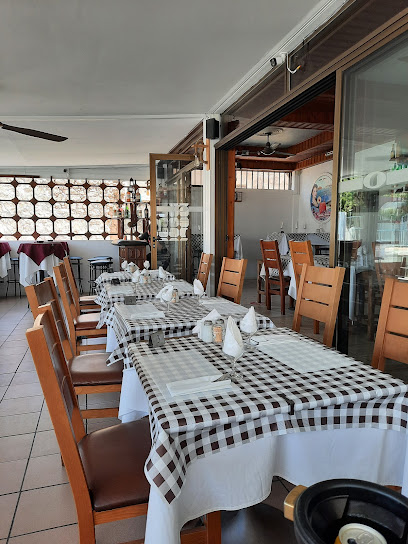
Experience the authentic taste of Cyprus at The Windmill in Paphos—where homemade dishes meet local flavors.
Argo
0.4 km
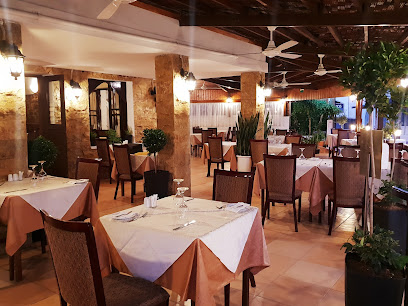
Experience authentic Cypriot and Mediterranean cuisine at Argo, where every dish tells a story of flavor and tradition.
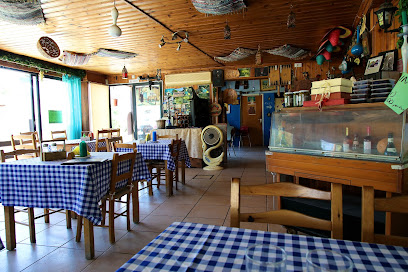
Nostalgia
0.4 km
Discover Nostalgia in Paphos: A delightful fusion of local and international cuisine awaits in this charming restaurant.
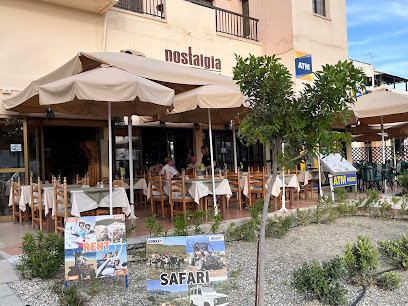
Hondros - The oldest traditional tavern
0.5 km
Discover authentic Greek flavors at Hondros - the oldest traditional tavern in Paphos, where every dish tells a story.
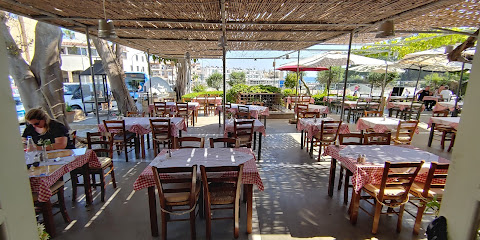
The Three Little Pigs Grill House
0.5 km
Discover authentic Cypriot flavors at The Three Little Pigs Grill House in Paphos – where great food meets warm hospitality.
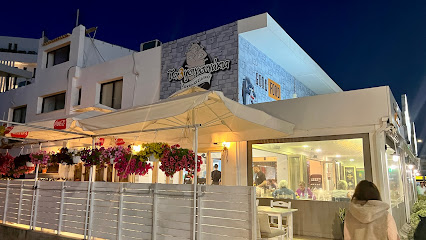
Mother's Restaurant
0.5 km
Experience authentic Greek cuisine at Mother's Restaurant in Paphos—where tradition meets taste amidst the beauty of Cyprus.
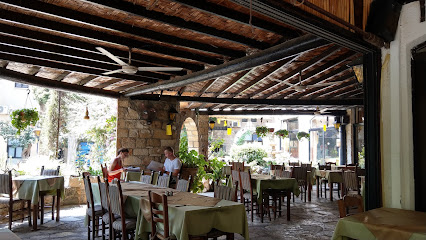
Britannia Bar & Restaurant paphos ,cyprus
0.5 km
Experience authentic Cypriot cuisine at Britannia Bar & Restaurant in Paphos - where flavor meets hospitality.
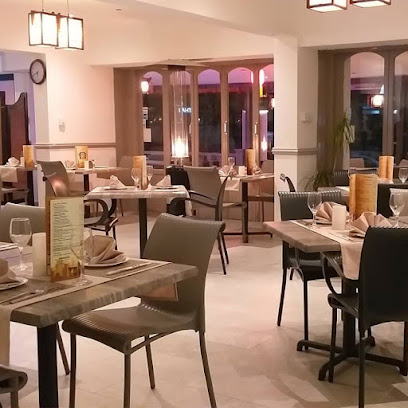
Georgia Meze House Restaurant
0.5 km
Discover authentic Greek and Georgian cuisine at Georgia Meze House Restaurant in Paphos - A flavorful escape into Mediterranean culinary traditions.
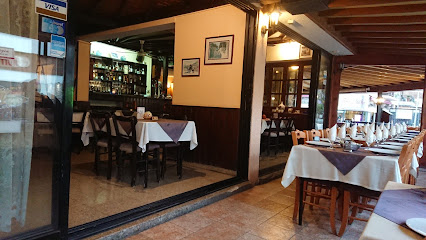
Shahi Indian Restaurant Paphos
0.5 km
Experience the rich flavors of India at Shahi Indian Restaurant in Paphos - where every dish tells a story.
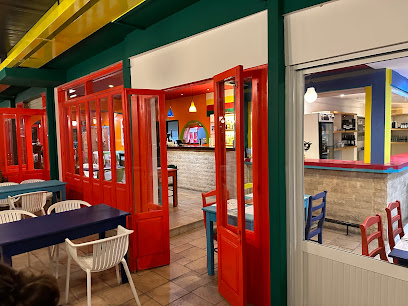
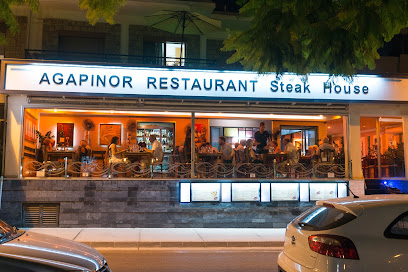
Agapinor Restaurant
0.5 km
Discover the rich flavors of Mediterranean cuisine at Agapinor Restaurant in Paphos – where every dish tells a story.
Markets, malls and hidden boutiques

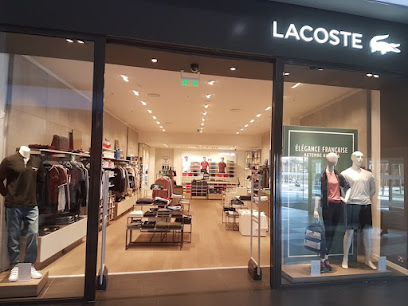
LACOSTE Kings Avenue Mall Paphos
0.3 km
Explore the timeless elegance of LACOSTE at Kings Avenue Mall in Paphos, where style meets comfort for the discerning traveler.
TOMMY HILFIGER Kings Avenue Mall Paphos
0.3 km
Explore stylish fashion and trendy apparel at TOMMY HILFIGER in Kings Avenue Mall, Paphos - a shopper's paradise in Cyprus!

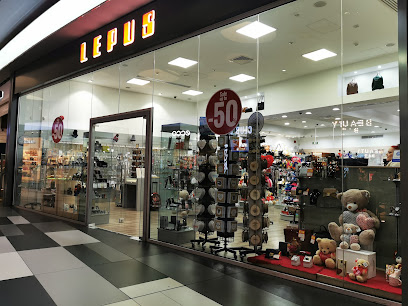
Lepus Gift Shop - Kings Avenue Mall
0.3 km
Explore Lepus Gift Shop in Kings Avenue Mall, Paphos for unique gifts, stylish handbags, exquisite jewelry, and elegant watches that reflect local artistry.
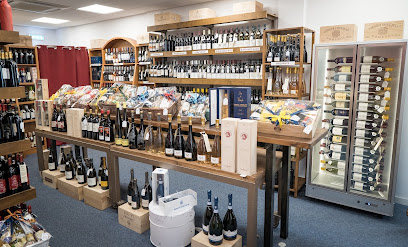
Wine & More by French Depot Paphos
0.4 km
Discover a delightful selection of wines, gourmet foods, and artisanal gifts at Wine & More by French Depot in Paphos, Cyprus.
Sugarfree Cyprus KINGS AVENUE MALL
0.4 km
Discover the latest trends in women's fashion at Sugarfree Cyprus, located in the lively Kings Avenue Mall of Paphos.

Kings Avenue Mall
0.4 km
Discover Kings Avenue Mall in Paphos, a premier shopping destination featuring top brands, diverse dining, and vibrant entertainment options for all.

Mango
0.4 km
Discover trendy fashion at affordable prices in Paphos' stylish Mango outlet store, perfect for tourists looking to update their wardrobe.

SISTERS minimarket & souvenir shop
0.4 km
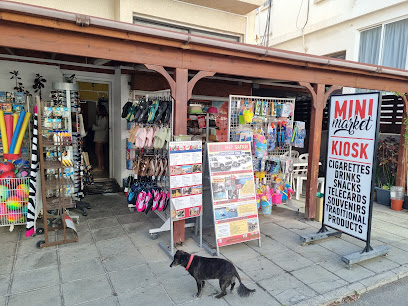
Discover the charm of Paphos at SISTERS Minimarket & Souvenir Shop, where local flavors and unique souvenirs await every traveler.
Paphos
0.4 km
Explore Paphos, a UNESCO World Heritage site, rich in history, stunning mosaics, and breathtaking coastal scenery, making it a must-visit destination in Cyprus.
Japanese BouAntique
0.4 km
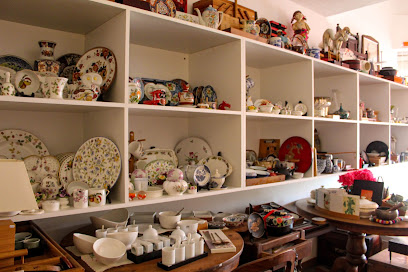
Discover timeless treasures at Japanese BouAntique, a charming antique store in Paphos that showcases unique artifacts and rich cultural heritage.
Mediterranean Nature Trading
0.5 km
Explore Paphos' Mediterranean Nature Trading for authentic Cypriot souvenirs, crafts, and more in the heart of Cyprus.
Jumbo
0.5 km
Discover Jumbo in Paphos, a vibrant supermarket and shopping mall offering a diverse range of products for every need in a welcoming atmosphere.

JACK & JONES
0.5 km
Explore the latest men's fashion trends at JACK & JONES in Paphos, Cyprus, where style meets quality in a vibrant shopping environment.

Prehistoric Treasures, Paphos
0.5 km
Explore the artistry of Cyprus at Prehistoric Treasures, where every piece of jewelry tells a story of history and craftsmanship.

Crystal Shop Cyprus
0.5 km
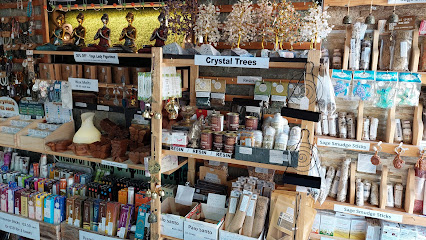
Explore the mystical world of crystals, aromatherapy, and unique gifts at Crystal Shop Cyprus in Paphos, a haven for spiritual seekers and souvenir hunters.
Essential bars & hidden hideouts

Ben's Bar
0.4 km
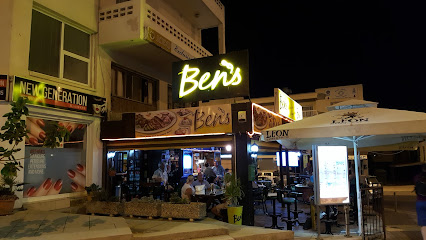
Experience the vibrant flavors and welcoming atmosphere of Ben's Bar in Paphos, where delicious grilled dishes meet friendly faces.
Monara Live Music & Sports Bar
0.4 km
Discover the lively Monara Live Music & Sports Bar in Paphos, where live music, sports, and delicious food create unforgettable memories.
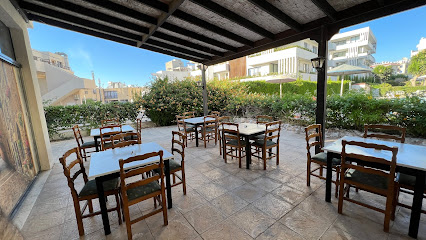
Mikeys Bar
0.5 km
Experience the vibrant nightlife of Paphos at Mikey's Bar, where refreshing drinks and friendly faces await in a cozy atmosphere.
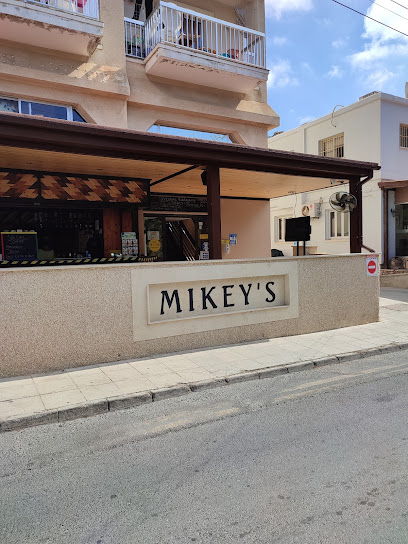
Aces Bar
0.5 km
Experience the thrill of sports at Aces Bar in Paphos, a premier destination for fans and food lovers alike with a vibrant atmosphere and great food.
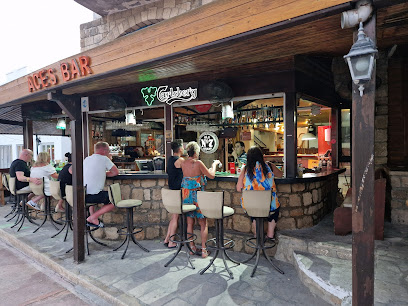
Waterhole Bar
0.5 km
Discover the lively Waterhole Bar in Paphos, where refreshing drinks and a vibrant atmosphere create unforgettable memories in Cyprus.
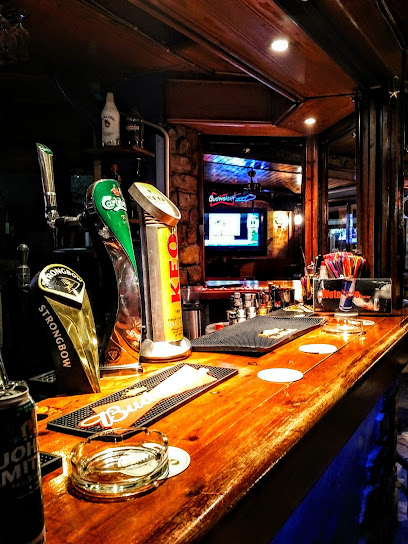
Different Bar
0.5 km
Discover the vibrant nightlife at Different Bar in Paphos—a welcoming gay bar with affordable drinks and lively entertainment.
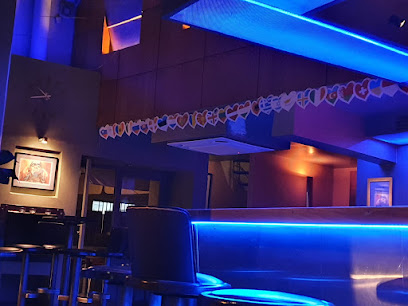
The Meeting Pub
0.5 km
Experience the friendly ambiance and local flavors at The Meeting Pub in Paphos, where every visit feels like coming home.
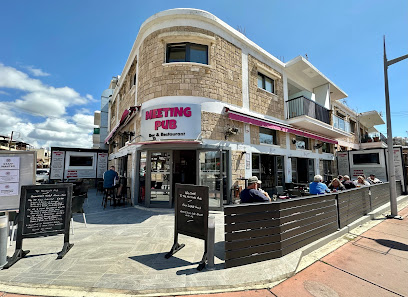
Baywatch
0.6 km
Experience the vibrant nightlife at Baywatch, Paphos' favorite bar for cocktails, music, and good times in a lively atmosphere.
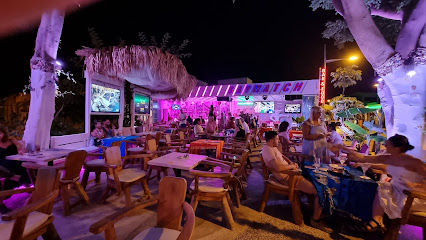
Friends Resto Bar
0.6 km
Discover the vibrant atmosphere and delicious menu at Friends Resto Bar in Paphos, Cyprus—where culinary delights meet local nightlife.
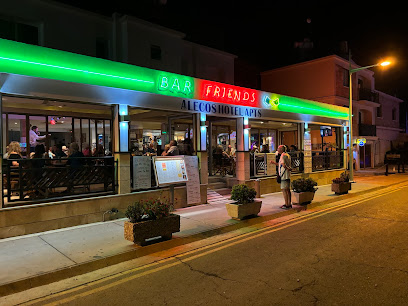
Alexanders Sports Bar
0.6 km
Discover Alexanders Sports Bar in Paphos: a lively destination for sports fans and food lovers, offering great atmosphere and local cuisine.
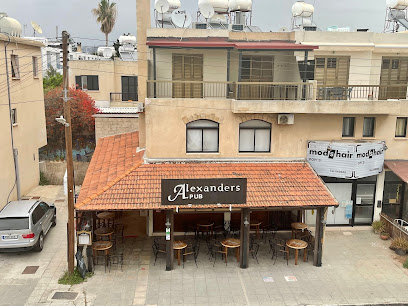
Buzz Bar
0.6 km
Discover Buzz Bar in Paphos, Cyprus - the lively cocktail bar where unforgettable nights and creative drinks await you.
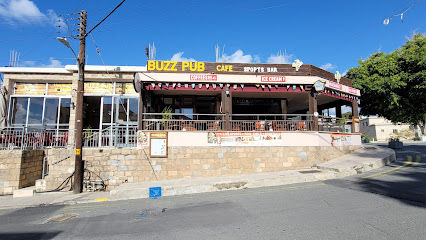
The Old Fishing Shack Ale And Cider House
0.6 km
Discover the cozy charm of The Old Fishing Shack Ale And Cider House in Paphos, where delicious food and craft beers await you.
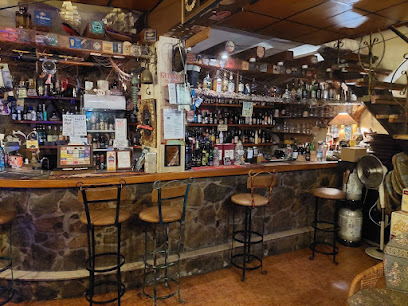
Robin Hood Pub Paphos
0.6 km
Discover the lively atmosphere of Robin Hood Pub in Paphos, where local culture meets vibrant nightlife and delicious drinks await.
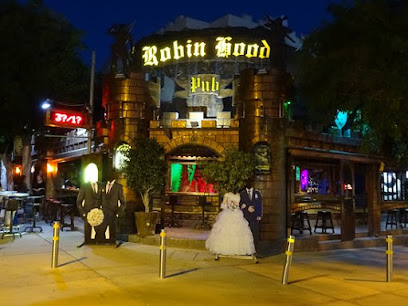
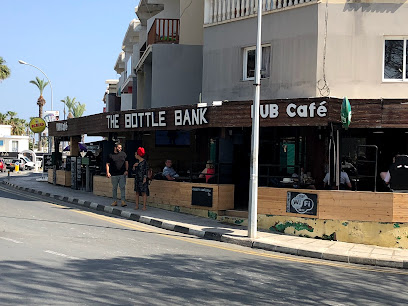
The Bottle Bank Pub Cafe
0.6 km
Discover the vibrant nightlife at The Bottle Bank Pub Cafe in Paphos, a local favorite for drinks, live music, and a friendly atmosphere.
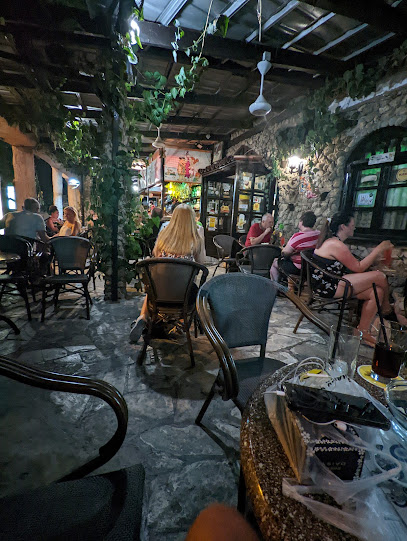
Flintstones
0.6 km
Flintstones Bar in Paphos: A unique nightlife experience with friendly service and a vibrant atmosphere inspired by your favorite cartoon.
Nightclubs & after hour spots

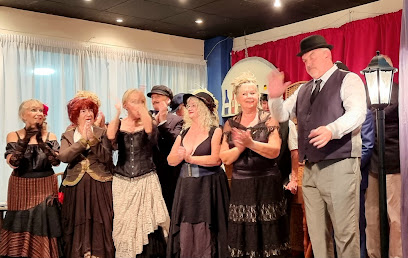
Phoenix Social Club
0.2 km
Discover the lively Phoenix Social Club in Paphos, a top bar known for great drinks, live entertainment, and a vibrant atmosphere for all visitors.
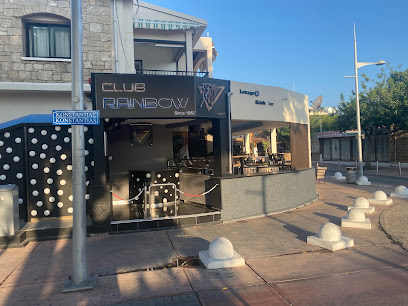
Rainbow Club Paphos
0.6 km
Discover the vibrant nightlife at Rainbow Club Paphos, where great music, dancing, and unforgettable memories await in the heart of Cyprus.
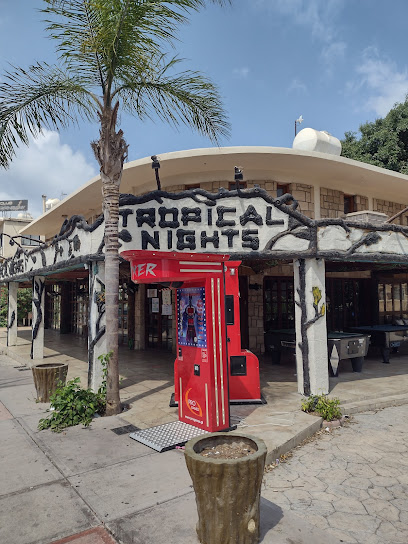
Tropical nights
0.6 km
Discover the vibrant nightlife at Tropical Nights in Paphos, Cyprus, where cocktails flow and the music keeps you dancing all night long.
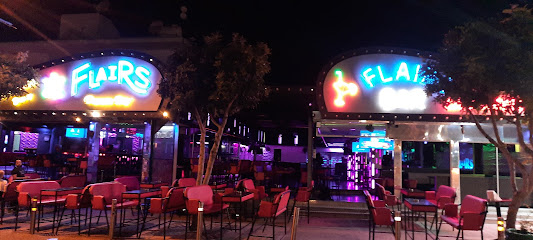
Flairs
0.7 km
Experience the vibrant nightlife at Flairs, Paphos' top night club offering a dynamic atmosphere and unforgettable dance parties.
Heavenlapdanceclub
0.8 km
Dive into the vibrant nightlife of Paphos at Heaven Lap Dance Club, where electrifying performances and a dynamic atmosphere await.

stursky and hutch
0.8 km
Discover the pulsating nightlife of Paphos at Stursky and Hutch, where vibrant music and energetic dancing await you.
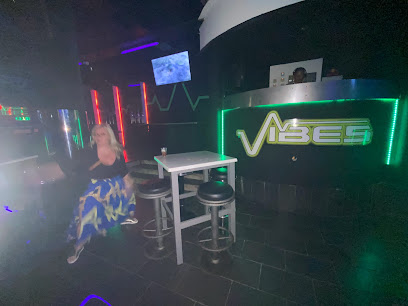
Vibes Club
0.8 km
Discover the vibrant nightlife at Vibes Club in Paphos, where music, dancing, and unforgettable moments await every night.
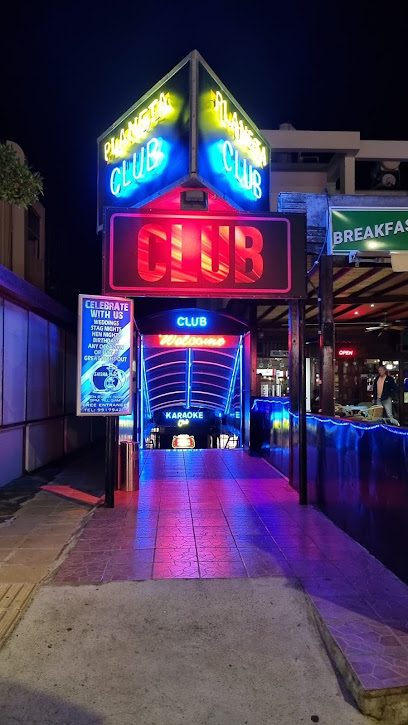
Planeta Karaoke Club
0.9 km
Discover the vibrant nightlife at Planeta Karaoke Club in Paphos, where singing, dancing, and unforgettable moments come alive in Cyprus.
Loft Club
0.9 km
Discover the electrifying nightlife of Paphos at Loft Club, where music, dance, and unforgettable memories come alive every weekend.
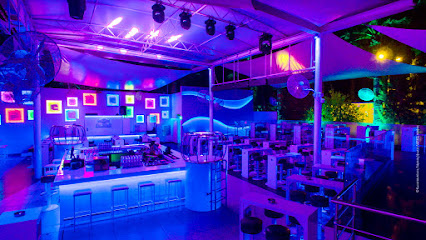
Bank Nightclub
1.9 km
Discover the heart of Paphos' nightlife at Bank Nightclub, where music, dance, and excitement come together for an unforgettable evening.

Studio54 Retro Club Paphos
4.9 km
Unleash your inner dancer at Studio54 Retro Club Paphos, where retro vibes meet modern beats for an unforgettable nightlife experience.