

Forty Columns Fortress, Kato Paphos Travel Guide
Explore the ruins of Saranta Kolones, a medieval fortress in Paphos Archaeological Park, and step back in time to discover Cyprus's rich Byzantine and Lusignan history.
Saranta Kolones, or Forty Columns, is a ruined medieval fortress located within the Paphos Archaeological Park, a UNESCO World Heritage Site. Built in the late 7th century AD by the Byzantines to protect the city and port of Nea Paphos from Arab raids, it was later modified by the Lusignans. The fortress was encircled by imposing three-meter-thick walls, reinforced with eight towers and a protective moat accessed via a wooden bridge. Though destroyed by an earthquake in 1222, the ruins offer a captivating glimpse into Paphos's strategic importance and rich medieval past. Visitors can explore the remains of the 35x35 meter square courtyard, imagining the bustling activity within its walls. The site is easily accessible and provides stunning views of the surrounding archaeological park and the Mediterranean Sea, making it a must-see for history enthusiasts and casual travelers alike.
A brief summary to Forty Columns Fortress
- Saranta Kolones, Paphos, CY
- Click to display
- Click to display

Know before you go
Hi, I'm Eve. Here are a few practical things to know before exploring Forty Columns Fortress.
- Wear comfortable shoes as the terrain is uneven and involves walking over stone pathways.
- Visit early in the morning or late afternoon to avoid the midday heat and crowds, especially during the summer months.
- Bring water and sun protection, as there is limited shade available at the site.
- Combine your visit with other attractions in the Paphos Archaeological Park to make the most of your trip.
- Check for any special events or exhibitions happening at the park during your visit for a richer experience.
Do you manage this location?
Take control to get all the benefits, like improved information, better appearance, and stronger visibility across AI-powered discovery. Learn more about listing your business on Evendo
Activate your presenceOther nearby places you may find interesting
The closest places of the same kind, if this one is not quite what you had in mind.
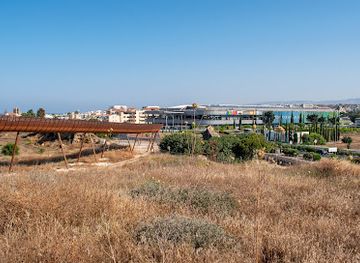


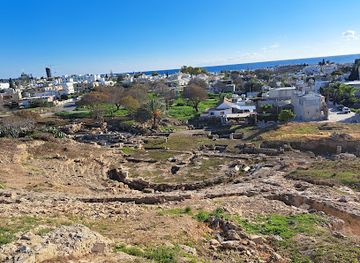
Explore Forty Columns Fortress on the Map
A handpicked selection of must-see spots near Forty Columns Fortress, mapped for you.
Unlock the Best of Forty Columns Fortress
Buy tickets
-
No tickets available
Book tours with entry

Book tours without entry
-
No tours available
Getting There
-
Walking
Saranta Kolones is located within the Kato Paphos Archaeological Park, near the Paphos Harbour. From the main harbor area, follow the coastal path north towards the Paphos Castle. The entrance to the Archaeological Park, and thus Saranta Kolones, will be on your right before you reach the castle. The walk from the harbor is short and well-signposted.
-
Public Transport
Several bus routes serve the Paphos Harbour area, including routes 611, 615, and 618. Get off at the 'Paphos Harbour' bus stop. From there, walk north along the coastal path towards Paphos Castle. The entrance to the Archaeological Park, including Saranta Kolones, is a short walk on your right. A single bus fare within Paphos is typically €1.50.
-
Taxi/Ride-Share
Taxis are readily available in Paphos. Ask to be dropped off at the Paphos Archaeological Park entrance near the harbor. A short taxi ride from most locations in Kato Paphos to the Archaeological Park will cost approximately €6-€10, depending on the distance and time of day. Note that taxi fares have a base fare of €3.42 during the day (06:00 to 20:30) and a rate per km of €0.73. At night (20:30 to 06:00) the base fare is €4.36 and the price per km is €0.85.
-
Entrance Fee
Note that access to Saranta Kolones is included in the entrance fee for the Paphos Archaeological Park, which is €4.50 for adults. Entrance is free for persons over 65 and students (with valid ID).
Discover more about Forty Columns Fortress













Your all‑in‑one travel companion app
Explore expert travel guides, compare and book tours, experiences, hotels, and more—all from the palm of your hand. Download now for seamless trip planning wherever your wanderlust takes you.


Explore More of Kato Paphos
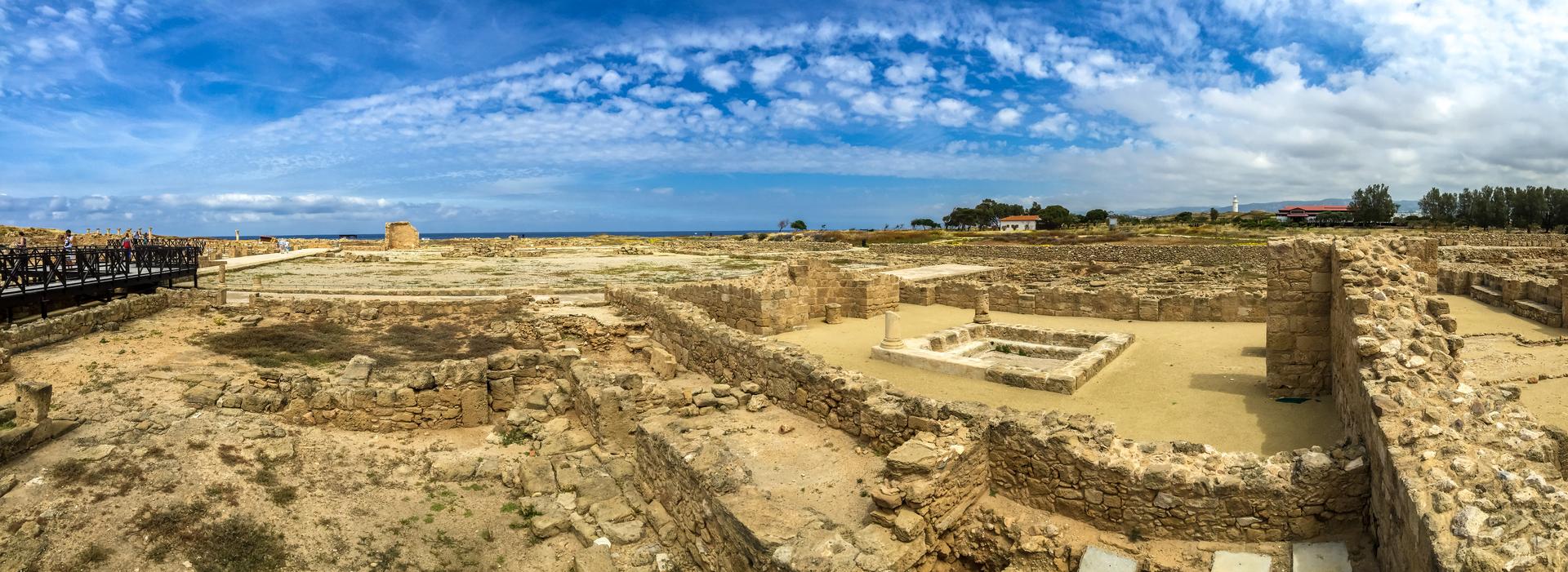
Looking beyond Forty Columns Fortress? Discover Kato Paphos for broader travel guides, local hot-spots, and regional highlights.
Explore Kato Paphos
Discover the mesmerizing mosaics of the House of Aion in Paphos Archaeological Park, a window into the opulent world of Roman Cyprus and its rich mythological heritage.

Discover Paphos Harbour: Where ancient history meets modern leisure on the stunning Cyprus coast, offering boat trips, waterfront dining, and cultural exploration for an unforgettable Mediterranean experience.
