Nea Paphos, Kato Paphos Travel Guide
Free Guide: Explore the captivating ruins of Nea Paphos, a UNESCO World Heritage Site near Paphos Harbour, and discover stunning mosaics and ancient structures from Cyprus's Hellenistic and Roman past.


A brief summary of Nea Paphos
Explore the captivating ruins of Nea Paphos, a UNESCO World Heritage Site near Paphos Harbour, and discover stunning mosaics and ancient structures from Cyprus's Hellenistic and Roman past.
Step back in time at Nea Paphos, a UNESCO World Heritage Site showcasing the captivating ruins of an ancient city near Paphos Harbour. Founded in the 4th century BC, it flourished as the island's capital during the Hellenistic and Roman periods. Explore remarkably preserved mosaic floors in Roman villas like the House of Dionysos and the House of Theseus, depicting scenes from Greek mythology. Wander through the remains of the Agora, Odeon, Asklepieion, and Saranda Kolones (Forty Columns) Castle, each whispering tales of a vibrant past. With its rich history and stunning coastal setting, Nea Paphos offers a fascinating glimpse into Cyprus's ancient heritage, making it a must-see destination for history enthusiasts and curious travelers alike. Don't forget to bring water and wear comfortable shoes, as the site is extensive and offers little shade.
- Address
- Poseidonos Ave 12, Paphos 8042, Cyprus
Getting there
Walking
Public Transport
Taxi/Ride-Share
Driving
Discover more about Nea Paphos
Overview
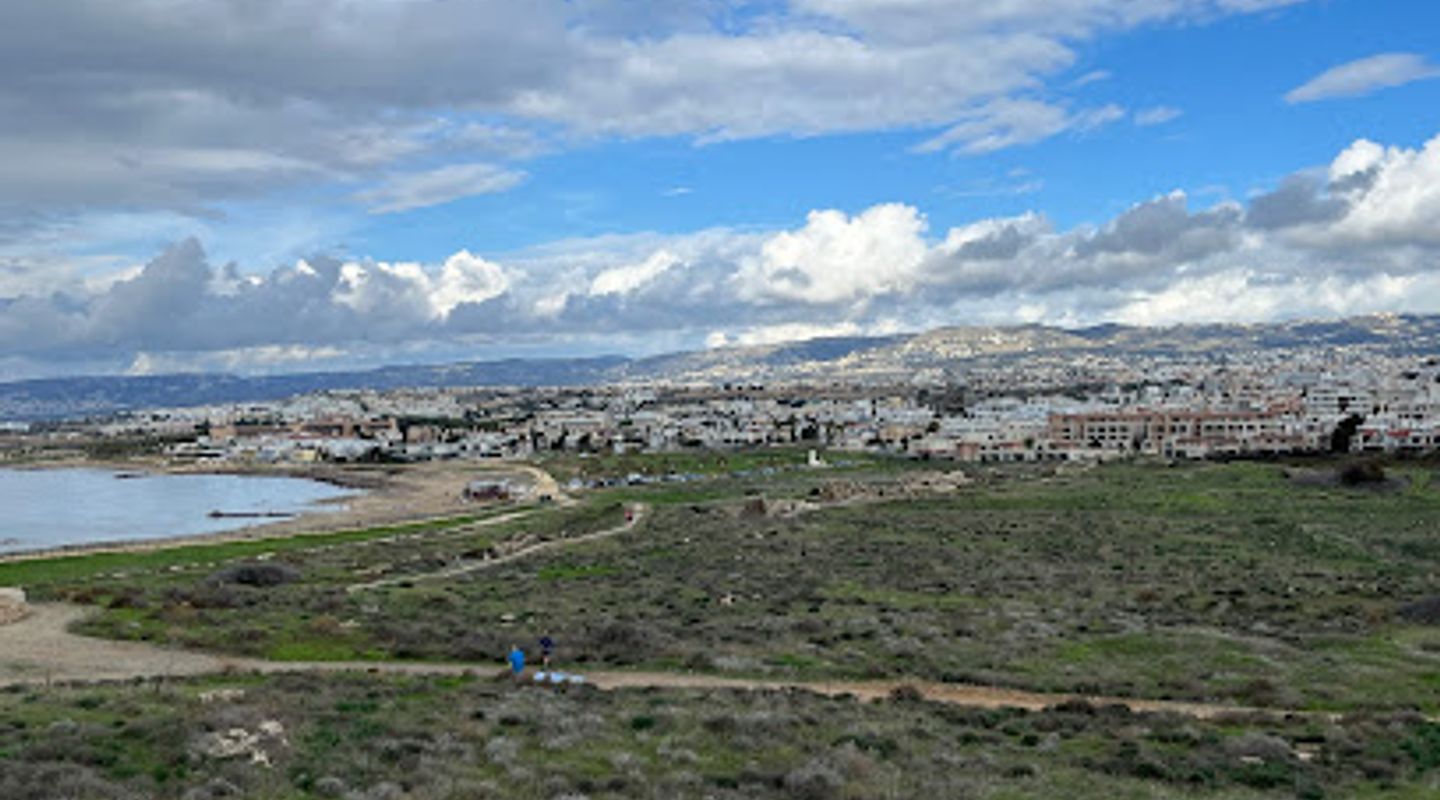
Nea Paphos, also known as the Paphos Archaeological Park, is a sprawling testament to Cyprus's rich and layered past. Situated near the picturesque Paphos Harbour, this UNESCO World Heritage site invites visitors to wander through the remarkably preserved ruins of an ancient city that thrived for centuries. Founded in the late 4th century BC by Nicocles, the last king of Palaipafos, Nea Paphos quickly rose to prominence, becoming the island's capital by the beginning of the 2nd century BC, a position it held throughout the Hellenistic and Roman eras. As you explore the site, you'll discover remnants of a sophisticated urban center, complete with villas, palaces, an agora (marketplace), an odeon (theatre), and various religious sanctuaries. The city's strategic location on the Mediterranean coast made it a vital hub for trade and cultural exchange, attracting influences from across the ancient world. This blend of cultures is reflected in the diverse architectural styles and artistic treasures found throughout the park. The undisputed highlights of Nea Paphos are the stunning mosaic floors that once adorned the grand Roman villas. These intricate artworks, crafted from tiny colored stones, depict scenes from Greek mythology, daily life, and the natural world. The House of Dionysos, named after the Greek god of wine, is particularly renowned for its exceptionally well-preserved mosaics, which cover an impressive 556 square meters. Here, you can marvel at depictions of Dionysus's triumphs, hunting scenes, and mythological creatures, all rendered with remarkable detail and vibrancy. Another must-see is the Villa of Theseus, the largest of the Roman villas at Nea Paphos. Its mosaics showcase scenes from the life of the legendary hero Theseus, including his battle with the Minotaur in the Labyrinth. The House of Aion, though smaller, boasts a unique and enigmatic mosaic depicting scenes related to the god Aion, representing eternity and cyclical time. Beyond the villas, Nea Paphos offers a wealth of other historical structures to explore. The Agora, once the heart of the city's commercial and social life, features the remains of colonnades, shops, and public buildings. The Odeon, a small but well-preserved amphitheater, provides a glimpse into the city's cultural activities. The Asklepieion, a sanctuary dedicated to the god of medicine, Asclepius, highlights the importance of healing and wellness in ancient Paphos. Saranda Kolones, or the Castle of Forty Columns, is a Byzantine-era fortress that stands as a testament to the city's later history. Constructed in the 7th century AD, the castle was named for its numerous granite columns, many of which still remain today. Though largely destroyed by an earthquake in the 13th century, the ruins offer a fascinating glimpse into the island's medieval past. Walking through Nea Paphos is like stepping back in time, allowing you to imagine the bustling streets, grand villas, and vibrant cultural life of this ancient city. The site's coastal location adds to its allure, offering stunning views of the Mediterranean Sea and a sense of connection to the maritime history of Cyprus. To fully appreciate the significance of Nea Paphos, it's helpful to understand its historical context. The city's founding in the 4th century BC marked a shift in power from the older city of Palaipafos (Old Paphos), which had long been a center of worship for the goddess Aphrodite. Nea Paphos quickly eclipsed its predecessor, becoming the capital of the island and a major center of Hellenistic culture. Under Roman rule, Nea Paphos continued to thrive, serving as the administrative center of Cyprus and a vital port for trade and military operations. The city's Roman villas, with their elaborate mosaics and luxurious amenities, reflect the wealth and sophistication of its elite citizens. The decline of Nea Paphos began in the 4th century AD, following a series of devastating earthquakes. While the city remained inhabited for several centuries, it gradually lost its prominence, eventually being abandoned after the Arab raids of the 7th century. Over time, the ruins of Nea Paphos were buried beneath layers of earth and vegetation, only to be rediscovered by archaeologists in the 20th century. Today, Nea Paphos stands as a testament to the enduring legacy of ancient Cyprus. Its remarkably preserved ruins, stunning mosaics, and rich historical context make it a must-see destination for anyone interested in archaeology, history, or the cultural heritage of the Mediterranean world. As you wander through this ancient city, you'll gain a deeper appreciation for the civilizations that shaped Cyprus and left their mark on the island's landscape. Visiting Nea Paphos requires some planning. The site is extensive, so wear comfortable shoes and bring plenty of water, especially during the hot summer months. There is little shade, so a hat and sunscreen are also essential. Allow at least two to three hours to explore the main attractions, and consider hiring a guide or downloading a map to help you navigate the site and understand its history. The entrance fee is a small price to pay for the opportunity to step back in time and experience the wonders of ancient Paphos.
Evendo Review Centre
 Google
Guest reviews
Explore Nea Paphos on the map
A handpicked selection of must-see spots near Nea Paphos, mapped for you.
Get your free copy of our complete guide to Nea Paphos, delivered straight to you.
Everything on this page, from opening hours and how to get there to Eve’s tips and the best time to go, in one PDF you can read offline, print or share.
Already have an account? Sign in
Your Nea Paphos guide is ready.
We'll send it to · Not you? Sign out

Getting your guide ready…
We are putting together a fresh copy of the Nea Paphos guide. This can take up to a minute.
This can take a few moments. If your browser asks, choose Allow so the download can start. You'll find the guide in your Downloads folder.
Nothing happened? Download it again
Sorry, the guide is taking longer than usual. Please try again in a minute, or get it by email instead.
Other nearby places you may find interesting
The closest places of the same kind, if this one is not quite what you had in mind.
-
-
-

-
-


Swipe for more places
More to explore near Nea Paphos

 Best experiences near Nea Paphos
 Best hotels near Nea Paphos
 Best landmarks near Nea Paphos
 Best attractions near Nea Paphos
 Best shops near Nea Paphos
 Best restaurants near Nea Paphos
 Best bars near Nea Paphos
Do you manage this location?
Take control to get all the benefits, like improved information, better appearance, and stronger visibility across AI-powered discovery.
Explore more

Explore more of Kato Paphos
Discover Kato Paphos, where ancient history meets modern charm, and enjoy a vibrant waterfront, stunning natural landscapes, and a warm Mediterranean climate.
Explore Kato Paphos
Explore more of Cyprus
Discover Cyprus: A Mediterranean paradise with a rich tapestry of history, culture, and breathtaking landscapes, offering a perfect blend of relaxation and adventure.
Explore Cyprus