

Černín Palace, Prague Travel Guide
Free Guide: Discover Prague's largest Baroque palace, a symbol of power and history, now home to the Czech Ministry of Foreign Affairs.


A brief summary of Černín Palace
Discover Prague's largest Baroque palace, a symbol of power and history, now home to the Czech Ministry of Foreign Affairs.
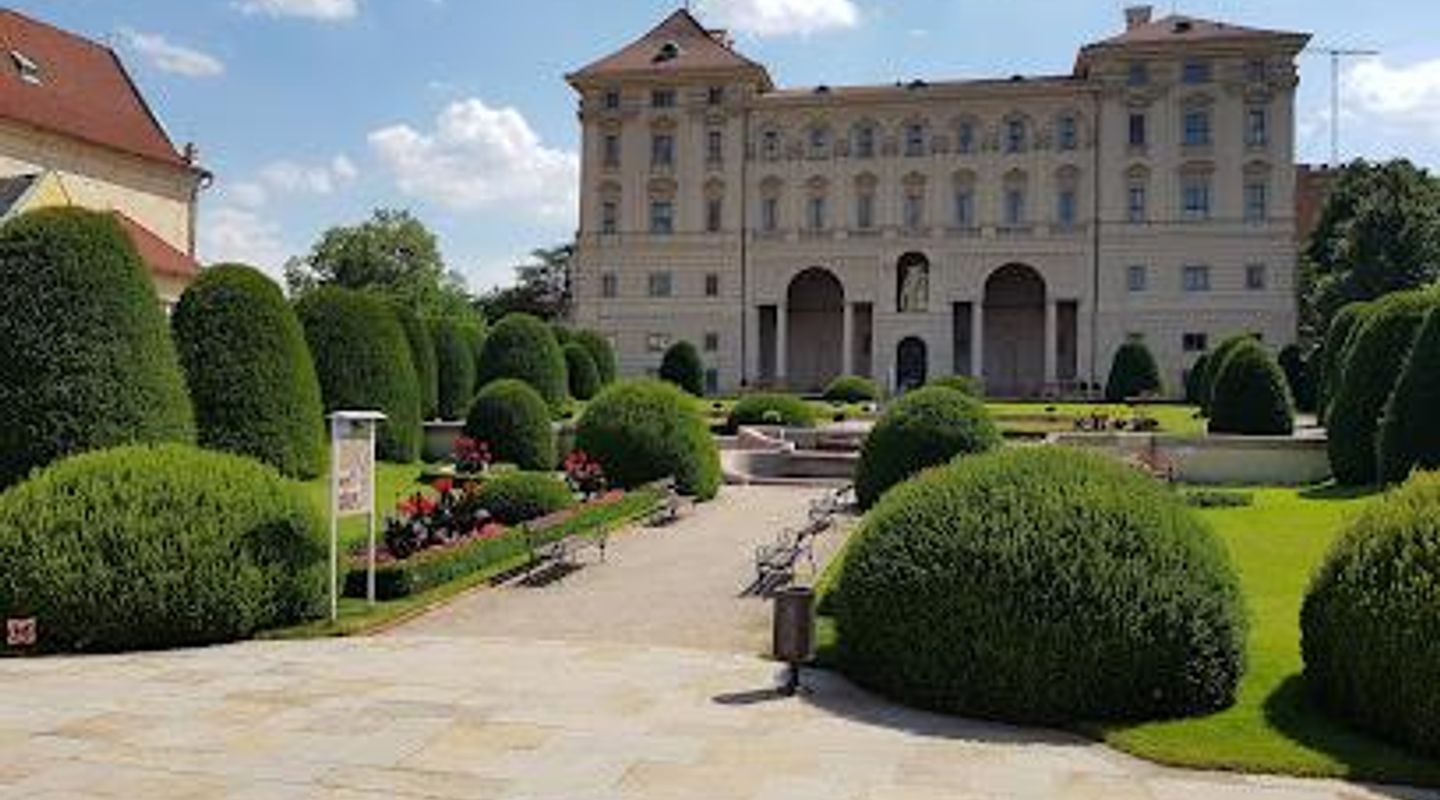
Černín Palace, the largest Baroque palace in Prague, has been the seat of the Czech Ministry of Foreign Affairs since the 1930s. Commissioned in the 17th century by Count Humprecht Jan Černín, it stands as a testament to Baroque grandeur and has witnessed significant historical events.
- Address
- Loretánské nám. 5, 118 00 Praha 1-Hradčany
- Phone
- Website
Getting there
Walking
Public Transport
Taxi
Discover more about Černín Palace
Overview
Černín Palace, or Černínský palác in Czech, dominates Prague's Hradčany district as the city's largest Baroque palace. Built for Count Humprecht Jan Černín of Chudenice, a Habsburg imperial ambassador, the palace was intended to rival the grandeur of Prague Castle. Construction began in 1668, with designs initially conceived by Giovanni Lorenzo Bernini and later executed by Francesco Caratti and other prominent architects.The palace boasts an imposing facade stretching 150 meters, adorned with 365 windows and massive Corinthian half-columns. The interior once housed a renowned picture gallery and has been graced by the work of notable artists and sculptors. Over the centuries, the palace has served various purposes, including a shelter for the poor, a military barracks, and, since 1918, the seat of the Ministry of Foreign Affairs.Černín Palace has been the backdrop for significant historical events. In 1948, Jan Masaryk, the foreign minister, died under mysterious circumstances after falling from a window, an event known as the last defenestration of Prague. In 1991, the documents dissolving the Warsaw Pact were signed here. Today, while the interiors are generally closed to the public, visitors can admire the palace's architecture and, during tourist season, explore its Baroque garden.
Evendo Review Centre
 Google
Guest reviews
Explore Černín Palace on the map
A handpicked selection of must-see spots near Černín Palace, mapped for you.
Get your free copy of our complete guide to Černín Palace, delivered straight to you.
Everything on this page, from opening hours and how to get there to Eve’s tips and the best time to go, in one PDF you can read offline, print or share.
Already have an account? Sign in
Your Černín Palace guide is ready.
We'll send it to · Not you? Sign out

Getting your guide ready…
We are putting together a fresh copy of the Černín Palace guide. This can take up to a minute.
This can take a few moments. If your browser asks, choose Allow so the download can start. You'll find the guide in your Downloads folder.
Nothing happened? Download it again
Sorry, the guide is taking longer than usual. Please try again in a minute, or get it by email instead.
Unlock the best of Černín Palace
Skip-the-line tickets, guided tours with entry, and walking tours of the area, booked in a few clicks.
 Tour with entry
Alchemy and Mysteries of Prague Castle Walking Tour
from $29.85 Tour with entry
Prague Castle District Small Group Walking Tour at Night
from $31.98 Tour with entry
Best of Prague: From Castle to Old Town, Small Group Tour
from $42.64 Tour with entry
Prague E-Bike Tour - Stunning Viewpoints (small group)
from $166.28
Other nearby places you may find interesting
The closest places of the same kind, if this one is not quite what you had in mind.
-
-
-
-
-


Swipe for more places
More to explore near Černín Palace

 Best experiences near Černín Palace
 Best hotels near Černín Palace
 Best landmarks near Černín Palace
 Best attractions near Černín Palace
 Best shops near Černín Palace
 Best restaurants near Černín Palace
 Best bars near Černín Palace
Do you manage this location?
Take control to get all the benefits, like improved information, better appearance, and stronger visibility across AI-powered discovery.
Explore more

Explore more of Prague
Discover the enchanting allure of Prague, where history meets architectural splendor and cultural richness in the heart of Europe.
Explore Prague
Explore more of Czechia
Discover Czechia: A European gem with historic towns, stunning landscapes, and cultural delights. Perfect for travelers seeking charm, history, and adventure.
Explore Czechia
