

Aalborg Historical Museum, Aalborg Travel Guide
Free Guide: Aalborg's thousand-year story told through Renaissance interiors, Viking artifacts, and industrial heritage.


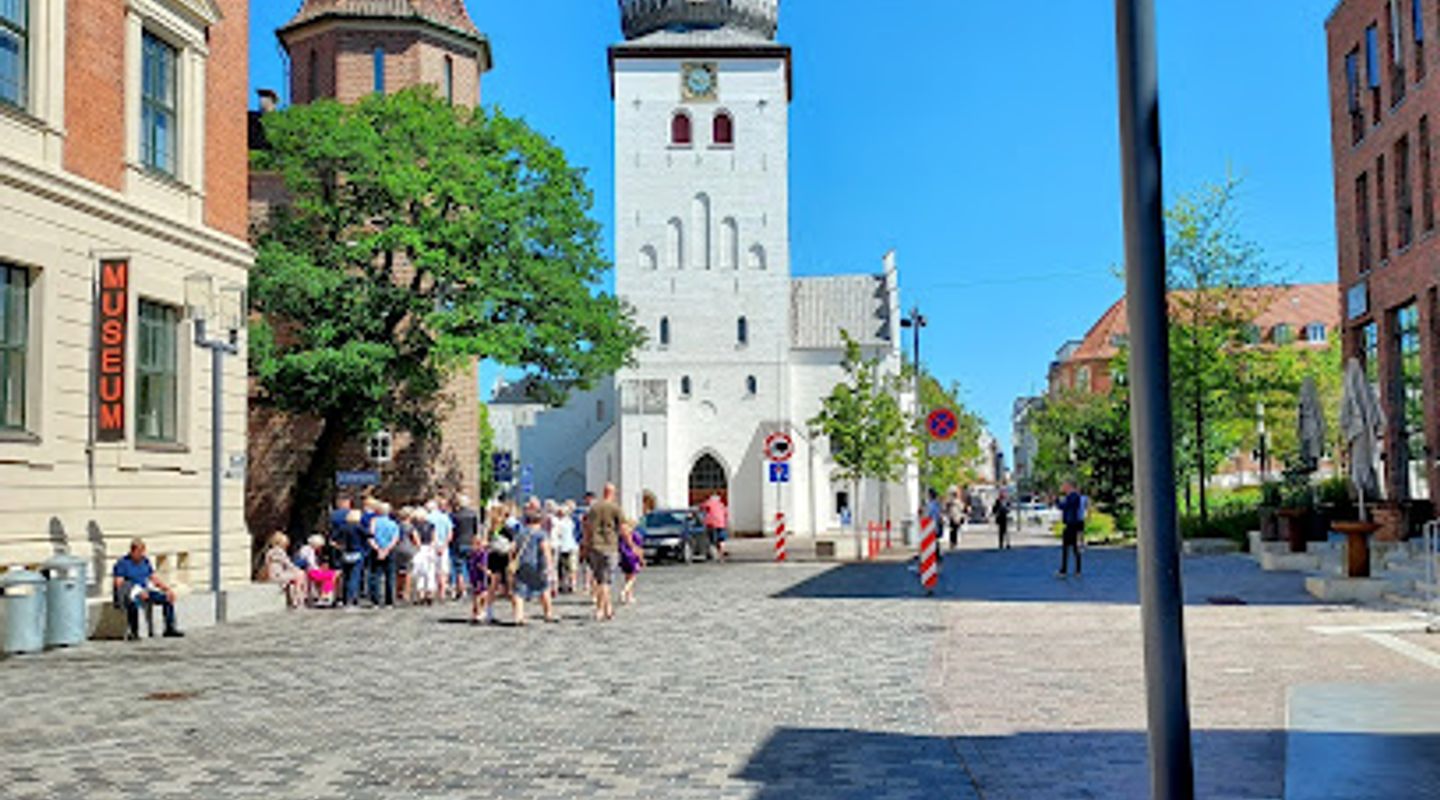
A brief summary of Aalborg Historical Museum
Aalborg's thousand-year story told through Renaissance interiors, Viking artifacts, and industrial heritage.
Aalborg Historical Museum traces the city's compelling 1,000-year history through archaeological finds, Renaissance interiors, and industrial heritage. Located at Algade 48 in the city center, the museum features the exquisitely preserved Aalborgstuen from 1602—Denmark's finest civil Renaissance interior—alongside exhibits on medieval life, Viking-era artifacts, wartime occupation, and Aalborg's industrial boom. Interactive displays, guided tours, and seasonal activities make it an essential stop for understanding North Jutland's cultural evolution.
On-site amenities
 Restrooms
 Drink options
 Food options
 Seating areas
 Information boards
 Visitor centre
Opening hours
- MonClosed
- Tue10 am–5 pm
- Wed10 am–5 pm
- Thu10 am–5 pm
- Fri10 am–5 pm
- Sat10 am–5 pm
- SunClosed
Opening hours as listed on the venue’s Google Business Profile. Hours can change for services and special events, so check with the venue before you go.
- Address
- Algade 48, 9000 Aalborg
- Phone
- Website
Getting there
Walking from Aalborg Station
Public Bus
Bicycle
Car and Parking
Discover more about Aalborg Historical Museum
A Millennium of Urban Heritage
Aalborg Historical Museum presents a sweeping narrative of urban development spanning more than 1,000 years. The museum's collections begin with archaeological remains from the city's founding era and progress through medieval times, the Renaissance, and into the modern industrial age. A particularly significant discovery—a mass grave from 1534—was excavated by the museum's own archaeologists and remains on display, offering sobering insight into the city's sometimes brutal past. The museum also preserves the original executioner's sword and historical price lists for capital punishment, artifacts that illuminate the harsh realities of medieval justice.
Renaissance Splendor and Domestic Life
The crown jewel of the permanent collection is Aalborgstuen, a 400-year-old panelled drawing room from 1602. This Renaissance masterpiece is widely recognized as the best-preserved civil Renaissance interior in Denmark, featuring intricate wood carvings on walls and ceiling that showcase the craftsmanship and aesthetic refinement of the era. Complementing this opulent space is a fully reconstructed 100-year-old schoolroom, allowing visitors to experience everyday educational life from the early 20th century. The museum also houses an extensive collection of locally produced silverware and glass, reflecting Aalborg's skilled artisan traditions and commercial prosperity.
Industrial Transformation and Wartime Experience
The 20th century galleries chronicle Aalborg's transformation into a thriving industrial hub. During this period, the city became home to numerous factories producing diverse goods—from shoes and ice cream to brooms and televisions. These exhibitions showcase the ingenuity, labor, and economic vitality that defined the era. The museum dedicates significant space to Aalborg's experience during the German occupation in World War II, presenting artifacts and narratives that illuminate how the city and its residents navigated one of Europe's darkest chapters. These exhibits provide essential context for understanding Denmark's wartime history and resilience.
Engaging Experiences and Year-Round Activities
Beyond static displays, Aalborg Historical Museum offers dynamic programming throughout the year. Guided tours provide expert interpretation of the collections and deeper understanding of specific themes. Seasonal activities include book fairs, traditional mill days, beer tastings, and hands-on experiences designed for children and families. These initiatives transform the museum from a repository of objects into a living cultural institution where history becomes tangible and memorable. The museum shop offers carefully curated souvenirs and gift items, allowing visitors to extend their experience beyond the galleries.
Evendo Review Centre
 Google
Guest reviews
Best time to go
Quietest: Jan, Feb & Mar · before 9am or from 5pm
Busy times are Evendo estimates for a typical year, to help you plan. Actual crowds vary with events, school holidays and the weather.
Explore Aalborg Historical Museum on the map
A handpicked selection of must-see spots near Aalborg Historical Museum, mapped for you.
Get your free copy of our complete guide to Aalborg Historical Museum, delivered straight to you.
Everything on this page, from opening hours and how to get there to Eve’s tips and the best time to go, in one PDF you can read offline, print or share.
Already have an account? Sign in
Your Aalborg Historical Museum guide is ready.
We'll send it to · Not you? Sign out

Getting your guide ready…
We are putting together a fresh copy of the Aalborg Historical Museum guide. This can take up to a minute.
This can take a few moments. If your browser asks, choose Allow so the download can start. You'll find the guide in your Downloads folder.
Nothing happened? Download it again
Sorry, the guide is taking longer than usual. Please try again in a minute, or get it by email instead.
Unlock the best of Aalborg Historical Museum
Skip-the-line tickets, guided tours with entry, and walking tours of the area, booked in a few clicks.

Other nearby places you may find interesting
The closest places of the same kind, if this one is not quite what you had in mind.
-
-
-
-
-


Swipe for more places
More to explore near Aalborg Historical Museum
-
 Best experiences near Aalborg Historical Museum
-
 Best hotels near Aalborg Historical Museum
-
 Best landmarks near Aalborg Historical Museum
-
 Best attractions near Aalborg Historical Museum
-
 Best shops near Aalborg Historical Museum
-
 Best restaurants near Aalborg Historical Museum
-
 Best bars near Aalborg Historical Museum


Do you manage this location?
Take control to get all the benefits, like improved information, better appearance, and stronger visibility across AI-powered discovery.
Explore more
Explore more of Aalborg
Discover Aalborg, Denmark's northern gem, where medieval charm meets modern vibrancy. Enjoy rich history, cultural landmarks, and a lively culinary scene.
Explore Aalborg
Explore more of Denmark
Discover Denmark: A perfect blend of history, modern design, and the cozy concept of hygge. Explore vibrant cities, serene landscapes, and world-class cuisine.
Explore Denmark
