Marstal Havn og Marina Travel Guide
Free Guide: A living seafaring harbour where historic shipyards, busy marina basins and family-friendly waterfront life meet on the edge of the South Fyn Archipelago.


A brief summary of Marstal Havn og Marina
A living seafaring harbour where historic shipyards, busy marina basins and family-friendly waterfront life meet on the edge of the South Fyn Archipelago.
Marstal Havn og Marina is the beating nautical heart of Ærø’s largest town, a busy blend of commercial harbour, yacht marina and old shipyard basins. Wooden fishing boats, modern cruisers and historic vessels share the quays, while the nearby maritime museum and the former shipyard area quietly tell stories of centuries of seafaring. With playgrounds, swimming spots and grill shelters close to the water, it’s as much a family waterfront promenade as a practical base for sailors exploring the South Fyn Archipelago.
On-site amenities
 Restrooms
 Drinking water
 Food options
 Seating areas
 Picnic areas
 Trash bins
 Information boards
 Visitor centre
- Address
- Havnepladsen 8, 5960 Marstal
- Phone
- Website
Getting there
Ferry and on-foot from Svendborg region
Ferry and bus from Fynshav (Als)
Car and ferry via Rudkøbing (Langeland)
Discover more about Marstal Havn og Marina
Harbour of Sailors at the Edge of the Archipelago
Marstal Havn sits on the eastern tip of Ærø, facing straight out into the South Fyn Archipelago and the Baltic routes that have shaped this town for centuries. The harbour unfolds in long, sheltered basins with a mix of commercial quays and an extensive marina, giving you a constant sense of movement: ferries docking, visiting yachts manoeuvring, working boats slipping in and out on the tide. Even if you do not arrive by sea, the orientation of the town is unmistakably maritime – almost every street seems to lead the eye back to masts and rigging.The marina is one of the largest on the island, a place where local fishing boats, long-distance cruisers and traditional wooden vessels mingle in tight rows. Walking along the pontoons you pass coiled ropes, drying oilskins and dinghies resting on the water, while seabirds patrol the posts. On calm days the basins mirror the sky; in fresher winds the short chop on the water underlines how exposed this town once was to both opportunity and danger at sea.
Traces of a Proud Seafaring History
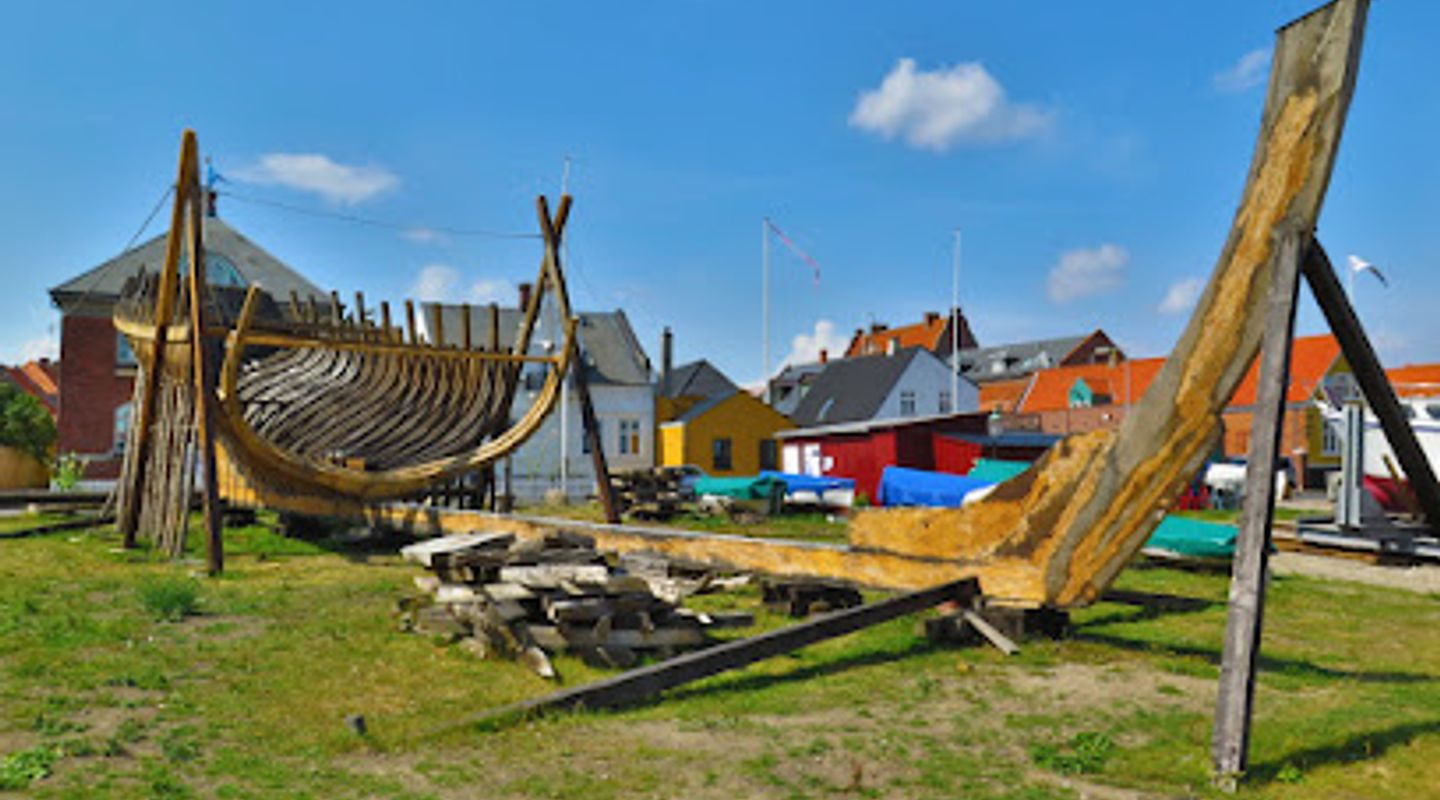
Marstal owes much of its identity to the age of sail and later to small cargo steamers, and the harbour still carries that memory in its fabric. Near the quays, the maritime museum and former shipyard areas form a compact cluster of historic sheds, slipways and restored vessels, many of them linked to local shipping companies and family-owned boats that once roamed the world. Here you can see traditional hull shapes up close and get a feel for the craftsmanship that kept the town’s fleet working.One section of the harbour is devoted to preserved working craft and old engines, including glow-head motors that, when demonstrated, fill the air with a throaty rhythm and the smell of warm oil. The quayside workshops, winches and weathered cranes may no longer work at full industrial tempo, but they show how tightly the town’s livelihood was tied to this waterfront. It is an outdoor lesson in maritime technology, without losing the charm of a lived-in harbour.
Everyday Life Between Pontoons and Promenades
Beyond the history, Marstal Havn functions as a lived everyday space. The marina side offers practical facilities for visiting boats, typically including fresh water, shore power, showers and toilets, as well as access to laundry and fuel. Just behind the quays you quickly reach shops, a bank and a pharmacy in town, underlining how closely integrated the harbour and daily services are.Families gravitate towards the small playgrounds and designated swimming areas, where calm, shallow water invites a quick dip in summer. Grill shelters and picnic tables create relaxed social corners along the waterfront, and on bright evenings the harbour becomes an informal promenade. Children fish for crabs from the edge, while crews tend to their boats or share a late meal on deck.
Light, Weather and the Changing Harbour Mood
The character of Marstal Havn shifts with the weather. In high summer under clear skies, the marina glitters with reflections and the soundscape is dominated by halyards tapping gently against masts. In stronger winds the harbour feels more rugged, spray whipping across the outer piers and flags snapping overhead, reminding you that this has always been a working seafront facing the open sea.Sunrise over the entrance paints the water and hulls in soft pastels, ideal for quiet photography or a contemplative stroll before the day’s movements begin. Later, as daylight deepens, the long lines of boats and the simple industrial silhouettes of cranes and sheds frame broad views over the archipelago, emphasising how Marstal sits at a crossroads between sheltered inner waters and the wider Baltic.
Exploring Further Along the Water’s Edge
Spending time at Marstal Havn naturally leads you to wander further along the shoreline. Paths follow the harbour out towards the distinctive spit and beach area at Eriks Hale, where colourful small bathhouses stand on narrow strips of sand between sea and lagoon. The transition from busy quays to open coastal scenery is gradual: first through quieter basins and old mooring posts, then along breakwaters where you can look back at the forest of masts against the town’s low skyline.Even without venturing far, the harbour offers plenty of small discoveries: nameplates on foreign yachts hinting at distant home ports, details of rigging on classic wooden boats, or glimpses into modest workshops where maintenance continues. Marstal Havn is less a single sight and more a living maritime landscape, where trade, leisure and heritage coexist in a compact and highly walkable waterfront setting.
Evendo Review Centre
 Google
Guest reviews
Best time to go
Quietest: Jan, Feb & Mar · before 5am
Busy times are Evendo estimates for a typical year, to help you plan. Actual crowds vary with events, school holidays and the weather.
Explore Marstal Havn og Marina on the map
A handpicked selection of must-see spots near Marstal Havn og Marina, mapped for you.
Get your free copy of our complete guide to Marstal Havn og Marina, delivered straight to you.
Everything on this page, from opening hours and how to get there to Eve’s tips and the best time to go, in one PDF you can read offline, print or share.
Already have an account? Sign in
Your Marstal Havn og Marina guide is ready.
We'll send it to · Not you? Sign out

Getting your guide ready…
We are putting together a fresh copy of the Marstal Havn og Marina guide. This can take up to a minute.
This can take a few moments. If your browser asks, choose Allow so the download can start. You'll find the guide in your Downloads folder.
Nothing happened? Download it again
Sorry, the guide is taking longer than usual. Please try again in a minute, or get it by email instead.
Other nearby places you may find interesting
The closest places of the same kind, if this one is not quite what you had in mind.
-
-
-
-
-


Swipe for more places
More to explore near Marstal Havn og Marina

 Best experiences near Marstal Havn og Marina
 Best hotels near Marstal Havn og Marina
 Best landmarks near Marstal Havn og Marina
 Best attractions near Marstal Havn og Marina
 Best shops near Marstal Havn og Marina
 Best restaurants near Marstal Havn og Marina
 Best bars near Marstal Havn og Marina
Do you manage this location?
Take control to get all the benefits, like improved information, better appearance, and stronger visibility across AI-powered discovery.
Explore more

Explore more of Ærø
Discover the enchanting island of Ærø in Denmark, where fairy-tale towns, scenic landscapes, and rich maritime history await to captivate your senses.
Explore Ærø
Explore more of Denmark
Discover Denmark: A perfect blend of history, modern design, and the cozy concept of hygge. Explore vibrant cities, serene landscapes, and world-class cuisine.
Explore Denmark