
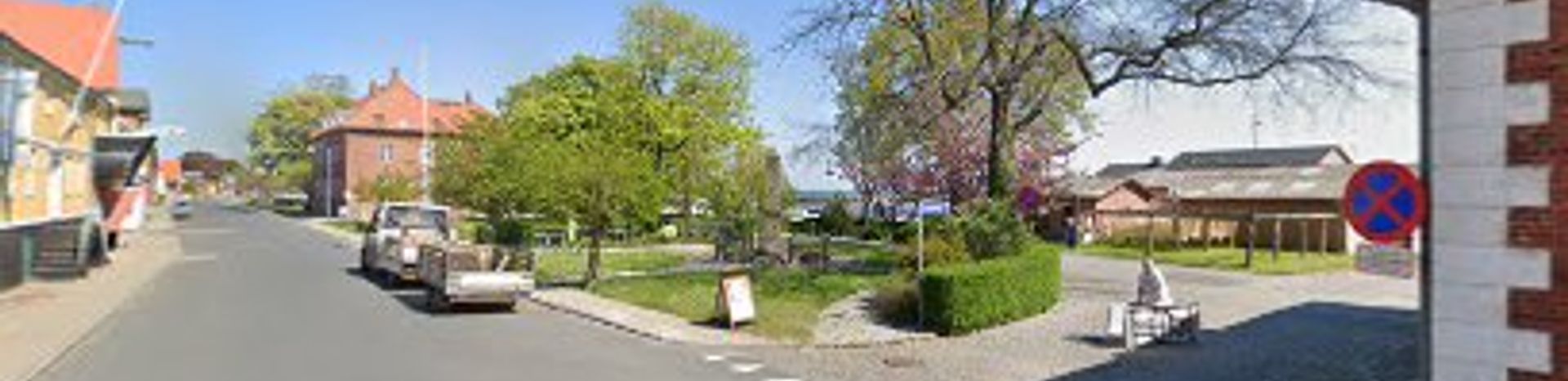
Monument to Fallen Danish Seamen of World War I, Marstal
A modest waterfront memorial in Marstal that quietly honours Danish merchant sailors lost in World War I, set amid the everyday life of a working harbour.
Set on the waterfront at Prinsebroen in Marstal, the Monument over Faldne Danske Søfolk under 1. Verdenskrig is a small but solemn memorial to Danish merchant seamen who lost their lives during World War I. Framed by masts, boatyards and the low skyline of Ærø’s largest town, this understated monument connects Marstal’s seafaring heritage with the sacrifices made on dangerous wartime voyages. It’s a quiet pause-point on a harbour walk and a tangible link between the town’s maritime past and present.
A brief summary to Monument over Faldne Danske Søfolk under 1.Verdenskrig
- Prinsebroen 1, Marstal, 5960, DK
- Duration: 0.25 to 0.5 hours
- Free
-
 Outdoor
- Mobile reception: 4 out of 5
- Monday 12 am-12 am
- Tuesday 12 am-12 am
- Wednesday 12 am-12 am
- Thursday 12 am-12 am
- Friday 12 am-12 am
- Saturday 12 am-12 am
- Sunday 12 am-12 am
Local tips
- Visit early in the morning or toward sunset when the harbour is quieter and the low light adds a reflective mood around the monument.
- Combine a stop at the memorial with a wander through Marstal’s harbourfront and maritime quarters to better understand the town’s seafaring roots.
- Allow time to read any inscriptions carefully; knowing the ship names and dates makes a later visit to the maritime museum more meaningful.

For the on-the-go comforts that matter to you
- Restrooms
- Drink Options
- Drinking Water
- Food Options
- Seating Areas
- Trash Bins
- Information Boards
Getting There
-
Ferry and walk from Ærøskøbing
From Ærøskøbing, take the regional bus toward Marstal, a journey of around 25–35 minutes depending on stops. Tickets are typically in the range of 20–40 DKK per adult and can be bought on board with card. Buses run several times a day but less frequently in the evening and on weekends, so checking the timetable in advance is important. From the central stop in Marstal, expect a mostly flat 10–15 minute walk through town streets to reach the harbour area around Prinsebroen and the monument.
-
Bicycle across Ærø
Cycling is a popular way to move around Ærø, and the ride from Ærøskøbing to Marstal is about 13–15 km, usually taking 45–70 minutes at an easy pace. The route follows paved island roads with gentle hills and occasional coastal views. There is no fee beyond bike rental, which commonly costs around 100–150 DKK per day depending on the shop and season. Be prepared for strong coastal winds and limited shelter in some stretches, and use lights and reflective gear if returning after dark.
-
Car travel on the island
If you have a car on Ærø, the drive from Ærøskøbing to central Marstal typically takes 15–20 minutes along main island roads. There is usually free or low-cost public parking near the harbour area, but spaces can be more limited in peak summer when the town is busy. No road tolls apply, though you will already have paid for bringing a vehicle on the ferry. The streets near the waterfront are compact and shared with cyclists and pedestrians, so speeds are low and patience is helpful.
Monument over Faldne Danske Søfolk under 1.Verdenskrig location weather suitability
-
 Clear Skies
-
 Mild Temperatures
-
 Cold Weather
-
 Windy Conditions
Discover more about Monument over Faldne Danske Søfolk under 1.Verdenskrig
Maritime memory on the edge of Marstal harbour
At the harbourfront by Prinsebroen, the Monument over Faldne Danske Søfolk under 1. Verdenskrig stands facing the water that shaped Marstal’s destiny. Ærø’s largest town has long been a powerhouse of Danish shipping, sending generations of sailors onto trade routes that spanned the globe. Here, just a few steps from working piers and moored vessels, the monument gathers that seafaring story into a single, sober focal point. This is not a grand plaza or a vast park; instead, the memorial occupies a modest corner of the waterfront, in keeping with Marstal’s low-rise townscape and practical maritime character. The sea is always in view, and the wind often carries the sounds of halyards against masts and tools in nearby boatyards. The setting reinforces the idea that this is a place where everyday work and remembrance quietly coexist.A tribute to merchant sailors in a global conflict
During World War I, neutral Denmark’s merchant fleet still sailed through waters patrolled by submarines and mines. Many ships never returned, and entire crews vanished with them. The monument in Marstal commemorates those Danish seamen who died in the service of the merchant navy during those years, acknowledging that the war’s front lines also ran across commercial sea lanes. The form is characteristically Nordic in its restraint: carved stone and maritime symbols are used instead of theatrical allegory. Names and dates, where present, speak plainly of ships lost and lives ended far from home. The emphasis is on duty and quiet courage rather than battlefield heroics, reflecting the civilian nature of the work these sailors performed when the conflict overtook them.Stone, symbols and the language of the sea
Although simple at first glance, the memorial rewards closer inspection. The stonework is robust enough to withstand the salt air blowing in from the harbour, while its geometric lines echo the engineered clarity of a ship’s hull or quay wall. Any carved motifs, such as anchors, laurel branches or waves, tap into an international vocabulary of maritime monuments, yet feel firmly rooted in this Danish island setting. The low plinth and approachable scale mean you can stand very near the inscriptions, reading them at eye level rather than from afar. This intimacy subtly shifts the memorial from distant object to shared space: you do not just look at it, you stand with it, shoulder to shoulder with the names recorded there. Around it, the practical details of harbour life — bollards, ropes, nearby sheds — frame the stone with the textures of the working sea.Part of Marstal’s broader seafaring story
The monument does not stand in isolation. Marstal’s streets, lanes and museums all speak of the town’s long entanglement with the ocean. A short stroll away, the maritime quarters and local museum expand the story in models, logbooks and personal effects, placing the names honoured at the waterfront within a larger tapestry of shipbuilding and navigation. Seen in this wider context, the memorial becomes one chapter in an ongoing narrative. It marks a particular war, but also nods to the recurring risks that merchant sailors have always faced: storms, collisions, hostile action and the simple fact that, once a ship clears the headland, certainty gives way to probability. For visitors, it can serve as a lens through which to view the whole harbour, transforming every moored vessel into a reminder of journeys both safe and perilous.A quiet pause on a harbour walk
For travellers exploring Ærø, this is a place for reflection rather than spectacle. There is no formal entry gate or ticket: you simply step off the quayside path and give the monument a moment of your attention. The wind, the smell of brine, and the play of light on the harbour combine to create a contemplative atmosphere, especially in the softer light of morning or late afternoon. Because the site is compact and level, it is easy to incorporate into a gentle walk along the water’s edge, perhaps combined with a visit to the old town streets and shoreline viewpoints. Even a brief stop invites you to imagine the lives behind the inscriptions and to consider how a small island community found its horizons expanded — and sometimes darkened — by the sea that both sustains and tests it.Iconic landmarks you can’t miss

Monument for Danske Sømænd
0.2 km
A modest harbourfront memorial in Marstal that quietly honours generations of Danish sailors who left this island port and never returned from the sea.
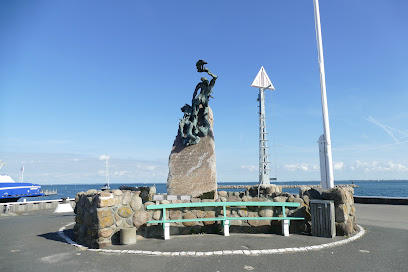
Rise Kirke
7.8 km
A quietly beautiful 12th‑century countryside church on Ærø, where whitewashed walls, historic graves and open fields tell the island’s rural and seafaring story.
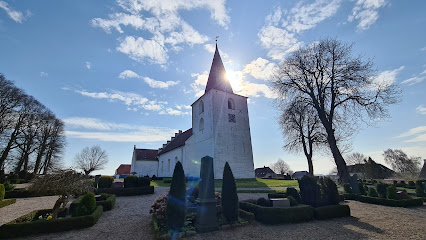
Andelen Guesthouse
7.9 km
Discover the charm of Ærøskøbing at Andelen Guesthouse, your cozy retreat in the heart of Denmark's picturesque island.
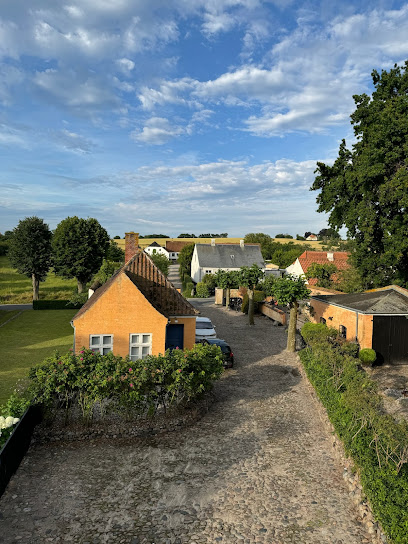
På Torvet
8.0 km
Experience the unique charm of På Torvet in Ærøskøbing, where historic beauty meets modern comfort in the heart of Denmark.
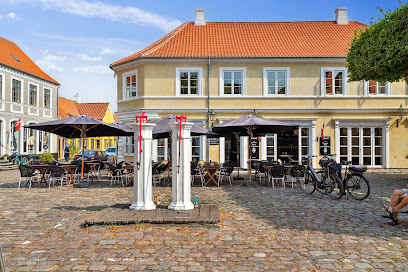
Danish Island Weddings
8.0 km
Experience the magic of weddings on the enchanting Danish island of Ærø, where love meets scenic beauty and unforgettable memories are made.
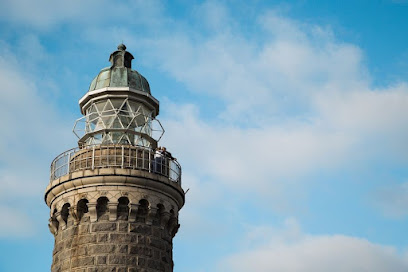
Ærø Turist & Erhverv
8.1 km
Explore the beautiful island of Ærø with expert insights and resources from Ærø Turist & Erhverv, your local tourist information center.
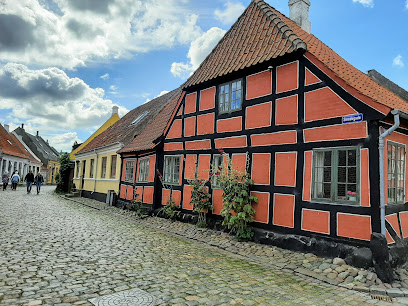
Ærøfærgerne
8.1 km
Experience the scenic ferry ride to Ærø Island via Ærøfærgerne, where Danish charm meets breathtaking coastal views.
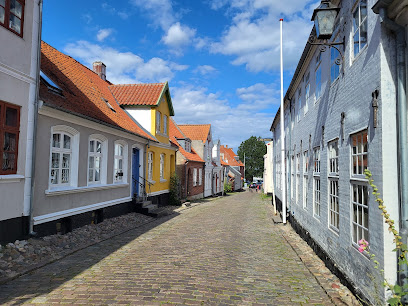
Hattesens Konfektfabrik Aps
8.1 km
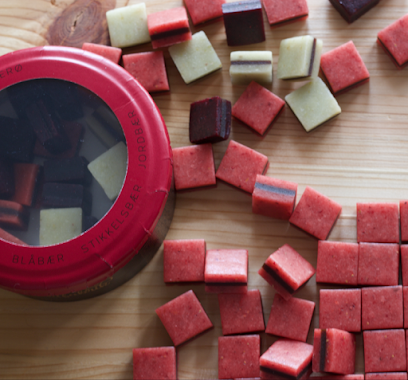
Discover the sweet artistry of traditional Danish liquorice at Hattesens Konfektfabrik Aps in scenic Ærøskøbing.
Hotel Ærøhus
8.2 km
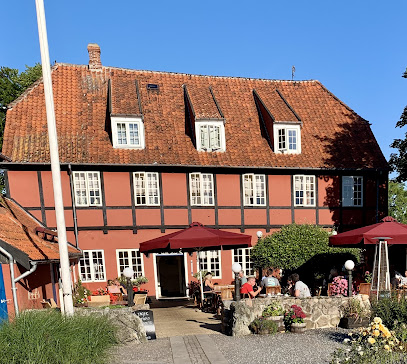
Historic hotel in the heart of Ærøskøbing known for its authentic Danish charm, lush gardens, and local island cuisine—a perfect base for exploring Ærø.
Langdyssen "Kong Humbles Grav"
12.2 km
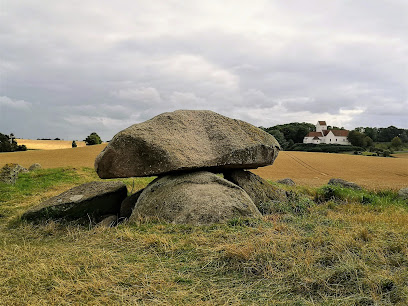
A 55‑metre Stone Age long dolmen in the fields north of Humble, where legend, prehistoric engineering and soft Langeland landscapes meet in quiet simplicity.
Forladt skorsten
13.2 km
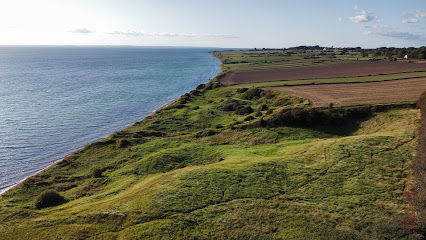
A haunting brick ruin marking Ærø's vanished industrial era, standing silent on the island's edge.
Bregninge Kirke
14.3 km
Medieval island church on a gentle Ærø hillside, where whitewashed stone, quiet fields and seafaring stories meet in a calm, contemplative setting.
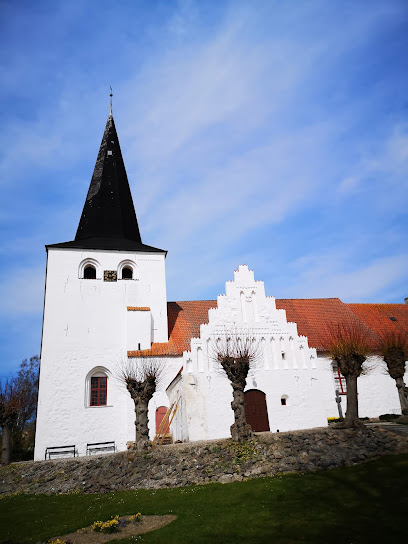
Saint Nicolai's Church
23.4 km
Svendborg’s oldest church and a quiet seafaring sanctuary, where red-brick medieval walls and a calm, whitewashed interior meet just off lively Gerritsgade.
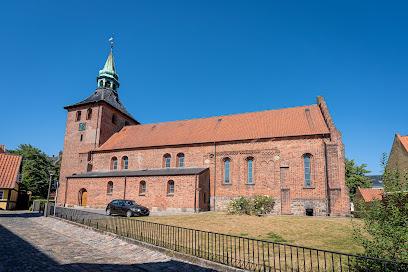
Skjoldnaes Lighthouse
23.8 km
Denmark's most elegant lighthouse crowns Ærø's northwestern shore with 140 years of maritime heritage and starlit views.
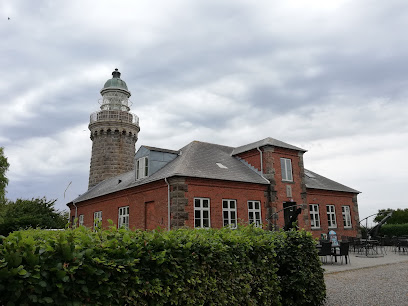
Naturama
23.9 km
Explore Denmark's natural wonders at Naturama in Svendborg: an immersive museum experience for all ages, showcasing diverse ecosystems and inspiring environmental stewardship.
Unmissable attractions to see

Marstal Søfartsmuseum
0.1 km
Five centuries of Danish maritime heritage brought to life through ship models, immersive interiors, and authentic harbour atmosphere.
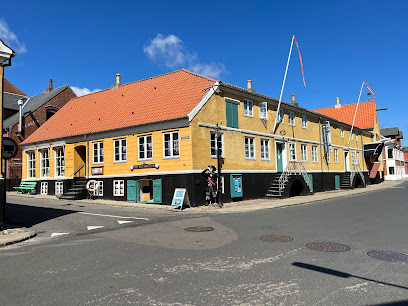
Marstal Havn og Marina
0.2 km
Atmospheric island harbour where working shipyard, modern marina and Baltic seascapes meet just steps from Marstal’s maritime heart.
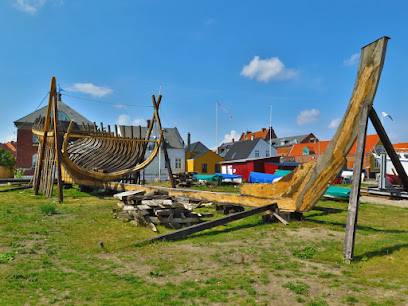
Ærø Svømmeklub
0.3 km
Community‑run island swim club and indoor pool in Marstal, offering lanes, lessons and a simple, all‑weather place to dip into everyday life on Ærø.
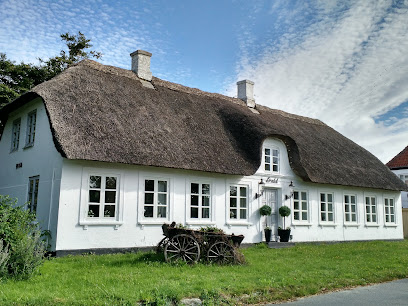
Skipper Park
0.7 km
Maritime-themed playground and café by Marstal harbour, where kids splash and bounce while adults unwind over sea views and simple island fare.
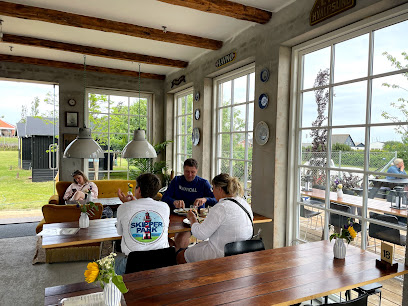
Erik's Tail
0.9 km
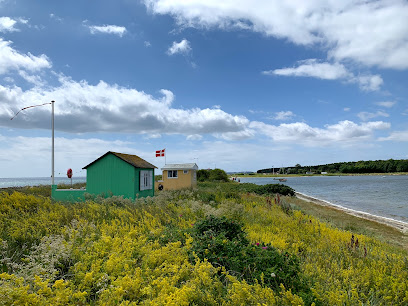
A narrow ribbon of sand lined with colourful huts, Erik's Tail puts you between two seas at once: sheltered lagoon on one side, open Baltic waves on the other.
Aero Hotel
0.9 km
Relaxed adults-only island hotel on the edge of Marstal, with indoor pool, generous breakfast and easy access to Ærø’s beaches, harbour life and coastal paths.

Badehusene i Marstal
1.1 km
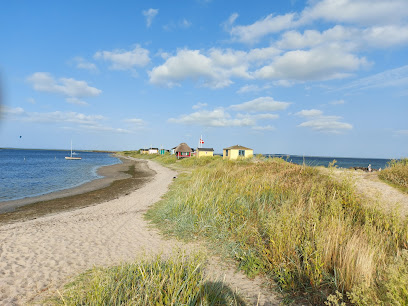
A slender sand spit lined with vividly painted wooden bathing huts, Badehusene i Marstal capture Ærø’s gentle island spirit, maritime heritage and slow seaside living.
Strandbyen Havn
3.0 km
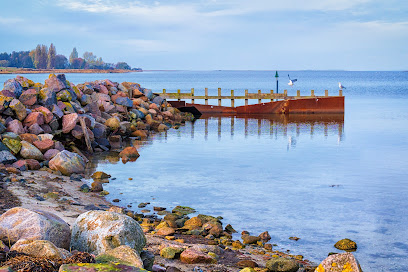
Small, scenic marina and beachside hideaway on Ærø’s eastern tip, where simple harbour life, camping and open seascapes meet in a quietly charming setting.
Ærø Flyveplads
4.2 km
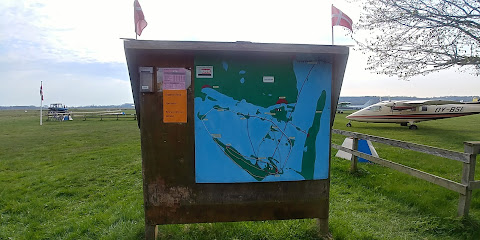
A small grass airfield in Ærø’s countryside, where island tranquillity meets light aircraft, scenic flights and colourful community events under wide open skies.
View Point
5.1 km
A simple stop on Ærø’s coastal dike with sweeping views of sea, marsh and sky, perfect for a quiet pause, a photo, or a golden-hour moment between towns.
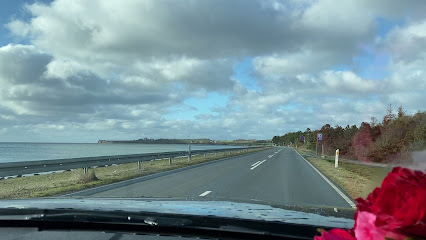
Mindesten for Edvard Biering
6.1 km
A modest roadside memorial on Ærø, honouring district doctor Edvard Biering and offering a quiet glimpse into the island’s everyday history.
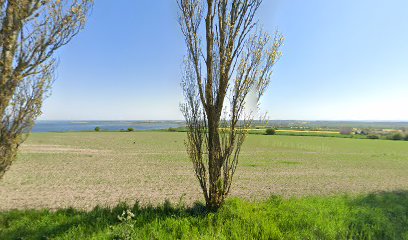
Sankt Alberts church
6.3 km
Grassy earthworks on a windswept headland mark where a Viking fort and medieval church once watched over Ærø’s coast, their story now held in turf and sea air.
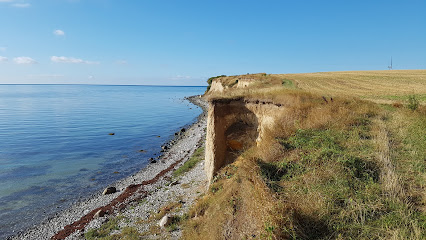
Ristinge Klint
6.3 km
Dramatic ice‑age cliffs, sweeping Baltic views and simple coastal trails make Ristinge Klint a quietly spectacular corner of southern Langeland.
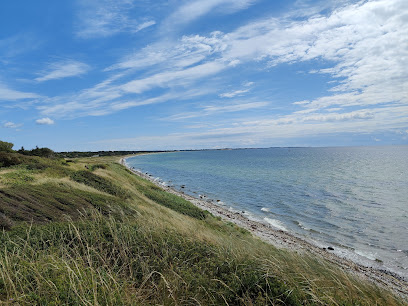
Naturlegepladsen & shelters
7.5 km
A modest island playground and shelter spot on Ærø’s edge, blending simple outdoor fun, family-friendly space and back-to-basics overnight stays under open skies.
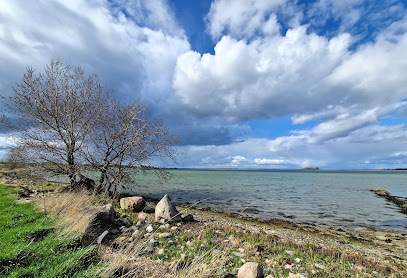
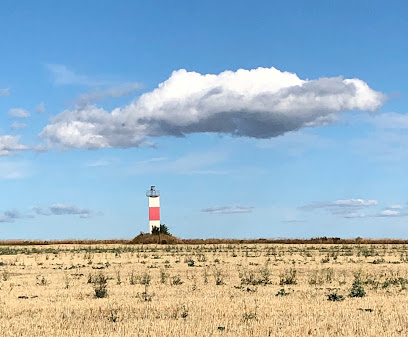
Vejsnæs Nakke Fyr
7.5 km
A modest working lighthouse on Ærø’s exposed southern tip, where Ice Age cliffs, sweeping sea views and restless wind meet in a quietly dramatic coastal landscape.
Essential places to dine

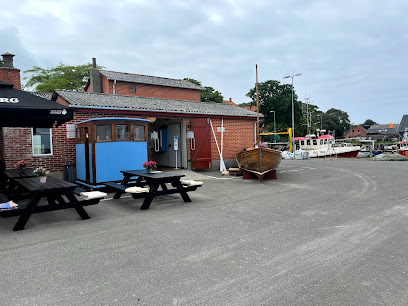
Prinsebroen
0.0 km
Harbour-side smokehouse and café in Marstal, serving Ærø’s signature smoked fish and open sandwiches with wide sea views and an easy-going island atmosphere.
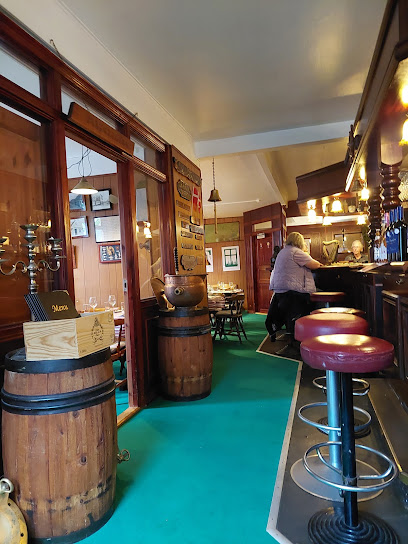
Webers café og restaurant
0.1 km
A warmly lit former sailors’ pub in Marstal, serving compact Danish–French bistro dishes, local Ærø beers and well-chosen wines in a cosy brown-café setting.
Hotel Marstal
0.1 km
Family-run harbour hotel and Danish kitchen in the heart of Marstal, perfectly placed for Ærø’s maritime history, beach walks and relaxed island days.
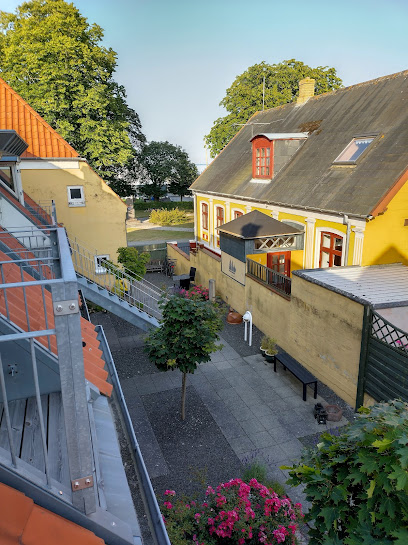
Restaurant Fru Berg
0.2 km
Harbourfront fish plates, Ærø pancakes and cosy nautical charm right on Marstal’s working quay, where local flavours meet everyday life on the Baltic.
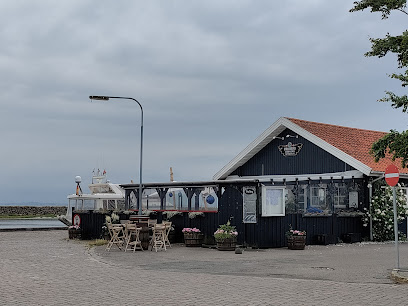
Minde APS
0.2 km
Generous Danish fare and warm hospitality in Marstal's welcoming neighborhood restaurant.
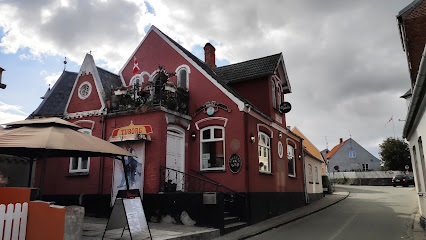
Den Gamle Vingaard
0.2 km
Mediterranean-Nordic cuisine in a historic maritime setting with a tranquil garden courtyard.
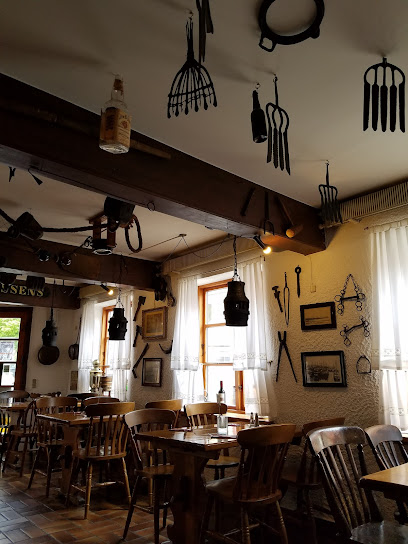
MARSTANG café
0.2 km
Island café where sourdough bread bowls and natural wine capture Ærø's seasonal soul
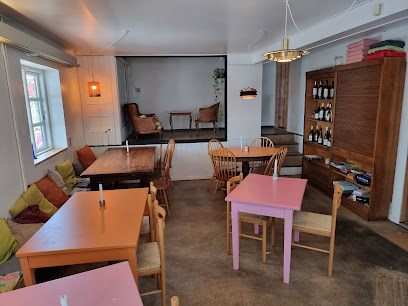
Femmasteren Hotel & Vandrerhjem
0.2 km
Character-packed hotel and hostel in central Marstal, blending Ærø’s seafaring history, cozy communal living, and easy access to harbor-side attractions.
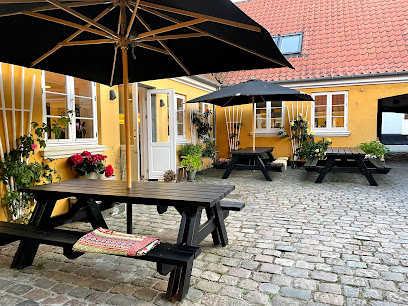
MARSTANG mad & vin
0.2 km
Intimate island restaurant in Marstal’s old town, serving weekly changing seasonal menus and a serious wine list in a relaxed, candlelit setting.
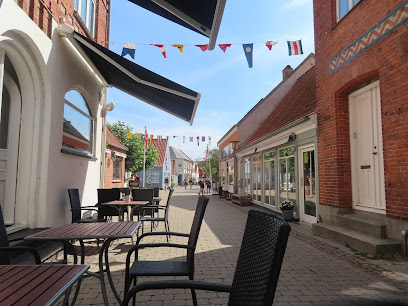
Kebabvogn Ærø
0.2 km
Casual harbor-side kebab cart serving quick, satisfying meals in charming Marstal.
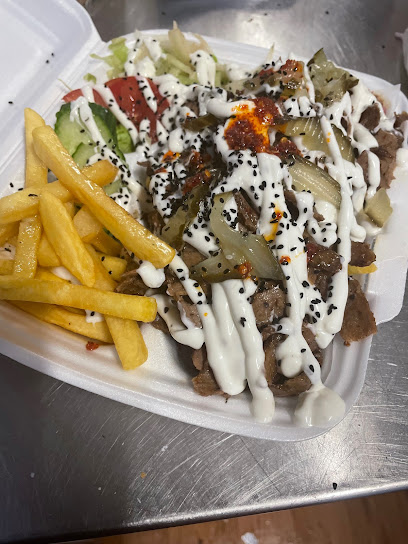
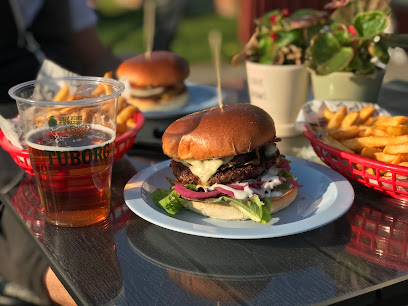
Reventlow's Gastropub & Burgers
0.3 km
Laid-back island gastropub in Marstal serving hearty burgers, bar snacks and late-night music in a compact, lively setting on historic Kongensgade.
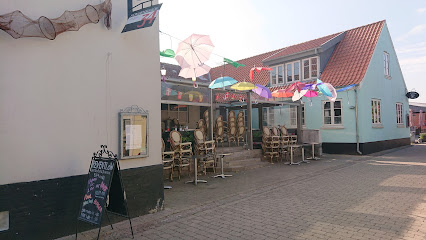
Sønderrendens Perle/Burger House Marstal
0.3 km
Casual harbourfront burger joint in Marstal serving hearty comfort food and ice cream just steps from the water, ideal for an easy seaside meal on Ærø.
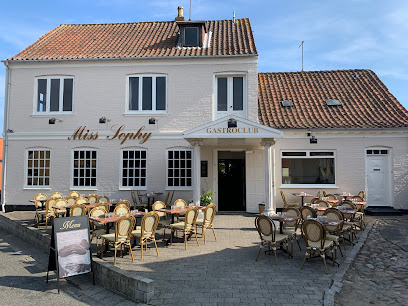
Miss Sophy Gastroclub
0.4 km
Relaxed island bistro and wine bar in central Marstal, serving seasonal comfort dishes, creative burgers and cocktails in an intimate, hygge-filled setting.
Pizzeria Siciliana v/ Marcello Antonio
0.5 km
Harbor-close, no-nonsense pizzeria in Marstal serving crisp, generous Italian-style pies and takeaway boxes ideal for salty-haired sailors and island wanderers.

Hotel Udsigten Marstal
0.8 km
Laid-back waterfront hotel on Ærø where nearly every room faces the Baltic and Marstal’s maritime charm is just a shoreline stroll away.
Markets, malls and hidden boutiques

Antikhjørnet
0.2 km
Curated vintage treasures and 4,000 Christmas ornaments in a charming Ærø antique shop.
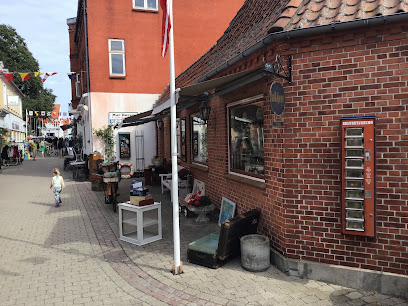
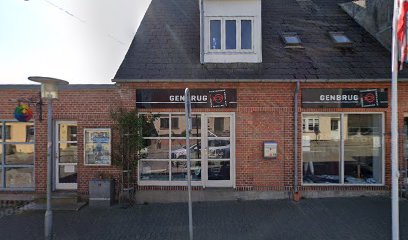
DCA Op Shop
0.2 km
Small island thrift shop in Marstal where second-hand treasures, community spirit and global charity work come together in a cozy, slow-paced setting.
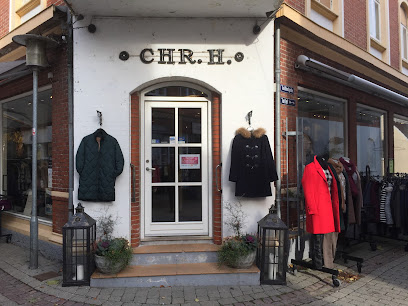
Chr. H v/Hanne Kromann
0.2 km
Locally anchored clothing shop in Marstal’s old town, offering classic Scandinavian styles for men and women with a subtle, maritime Ærø touch.
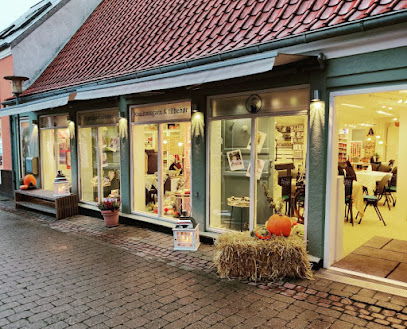
Ærøpigen
0.3 km
Cozy island shop in central Marstal, blending woolly comforts, local delicacies and everyday essentials in a snug Kirkestræde setting on Ærø.
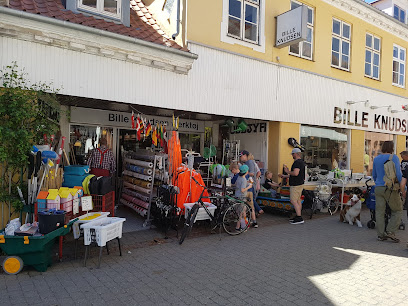
Bille Knudsen Isenkram
0.3 km
A densely stocked island hardware and homeware store in Marstal’s pedestrian street, supplying sailors, locals and holidaymakers with practical Danish everyday goods.
Galleri Strandesen
7.1 km
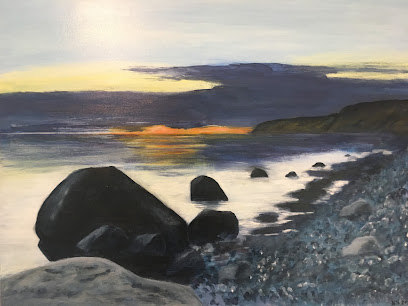
Intimate island gallery in Ærøskøbing where sea light, harbour life and quiet streets are transformed into contemporary paintings you can linger over—and take home.
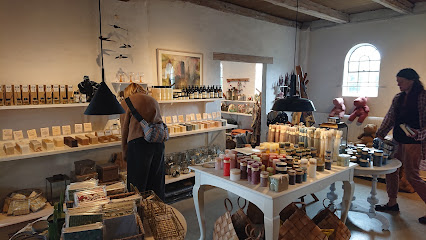
Blåbær Gårdbutik
7.9 km
Historic 1850s island farm turned cosy lifestyle shop, blending Scandinavian design, organic treats and a relaxed courtyard with animals on Ærøskøbing’s rural edge.
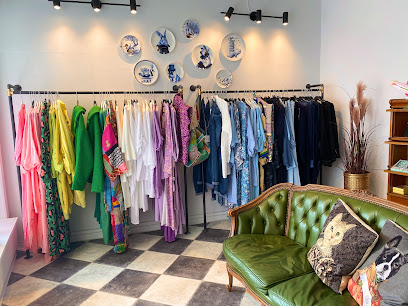
Donna & Miss Daisy
7.9 km
Intimate island boutique in Ærøskøbing’s old town, blending whimsical Scandinavian fashion, thoughtful accessories and personal styling in a cosy, cobbled-street setting.
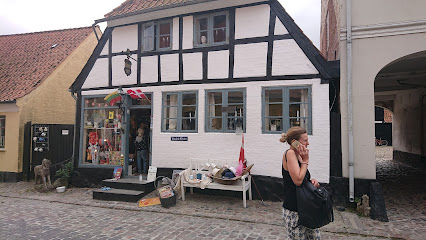
Verdens Mindste Stormagasin
7.9 km
A delightfully tiny “world’s smallest department store” in Ærøskøbing, brimming with island-made crafts, nostalgic curiosities and small-town Danish charm.

Blandede Bolcher
8.0 km
A tiny Søndergade shop where antiques, toys and curiosities spill from every corner, offering a nostalgic, treasure-hunt pause in fairytale Ærøskøbing.
Island Living Ærø
8.0 km
A cosy craft, yarn and leather shop on Ærøskøbing’s main square, where Nordic design, island inspiration and tactile materials come together in one intimate space.
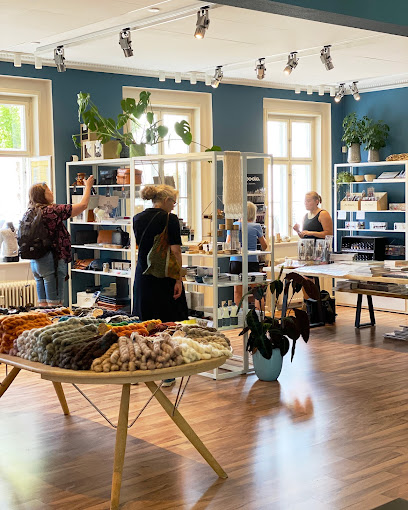
Kunstmågen
8.0 km
Artistic supplies and creative workshops in the heart of Ærøskøbing's charming historic square.
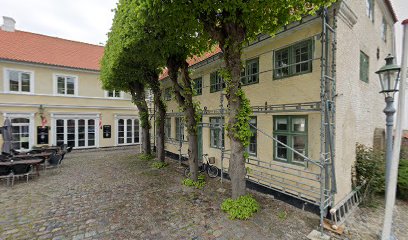
Garna
8.0 km
A serene yarn and design boutique in Ærøskøbing’s old savings bank, where natural fibres, thoughtful details and island calm invite you to slow down and create.
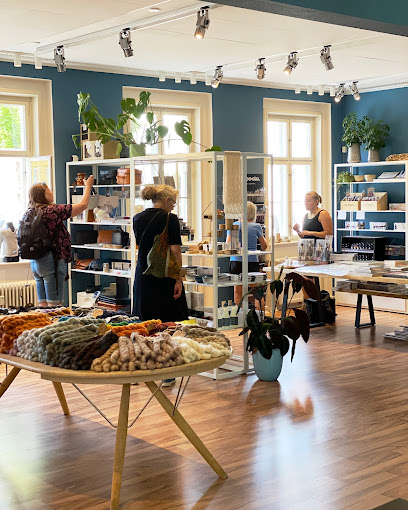
Ærøskøbing City Museum Kiosk & Bookstore
8.0 km
A cosy little museum shop in Ærøskøbing’s old sheriff’s house, pairing kiosk charm with curated books and souvenirs that tell the story of Ærø island.
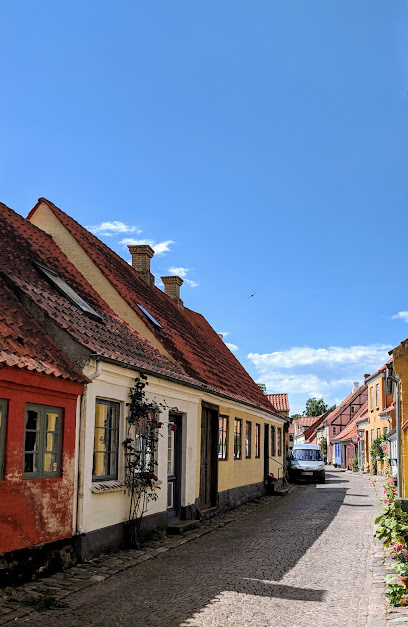
Shop
8.0 km
Atmospheric lifestyle and gift shop on Brogade in Ærøskøbing’s old town, blending traditional hardware-store roots with cozy Danish design and island-inspired finds.
Essential bars & hidden hideouts

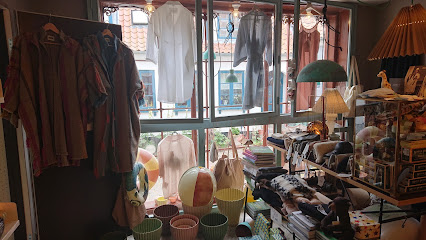
Bar & Café MF Egeskov
0.1 km
Cozy harborfront bar and café on Marstal’s working quay, blending maritime atmosphere, dockside views, and relaxed drinks in the spirit of Ærø’s seafaring life.
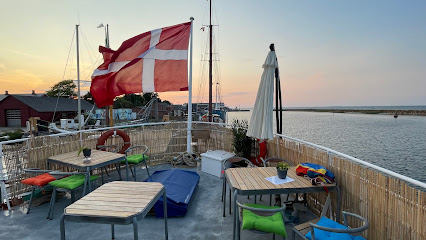
BALLAST BAR BUTIK
0.2 km
Cozy harborfront cocktail bar and woolly boutique in Marstal’s old ferry waiting room, blending inventive drinks, Nordic knitwear and intimate island atmosphere.
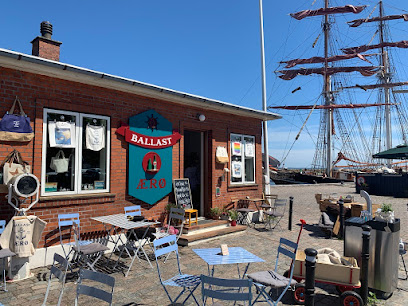
Foley's Pub
0.2 km
Marstal's maritime pub where live music, local brews, and seafaring tales create authentic island nightlife.
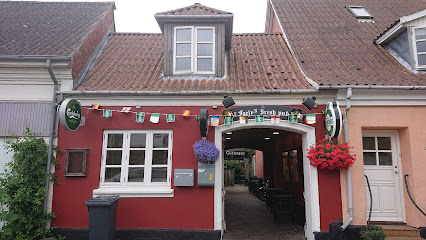
Skipperkroen
0.3 km
Cosy skipper’s bar in central Marstal, serving inexpensive drinks and simple fare in a relaxed, maritime small‑town atmosphere close to the harbour.
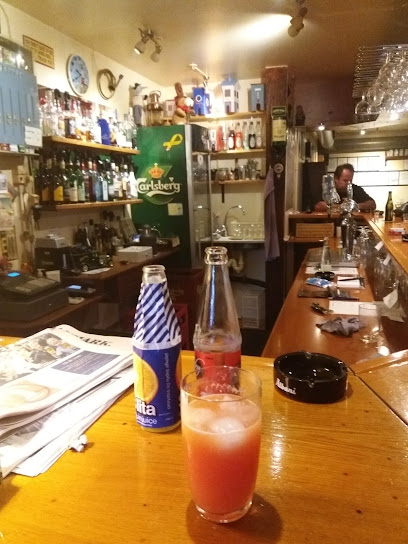
Marstal cafe Den Glade Gris
0.5 km
Cozy island bar in Marstal where locals and visitors share beers, stories and a relaxed slice of Ærø everyday life.
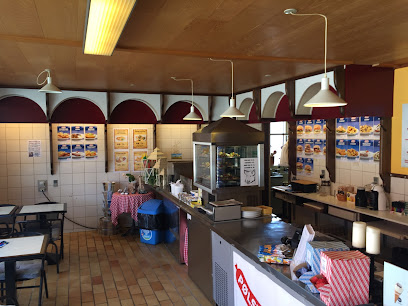
Arrebo
8.1 km
Island pub where locals and visitors gather for live music, cold drinks, and authentic Ærø atmosphere.
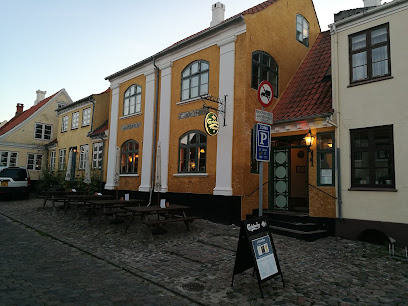
Havnekiosken 6kanten
15.0 km
Quirky octagonal harbour kiosk turned cosy café-bar, serving simple Danish fare and cold beer with front-row views of Rudkøbing’s boats and Langelandsbroen.
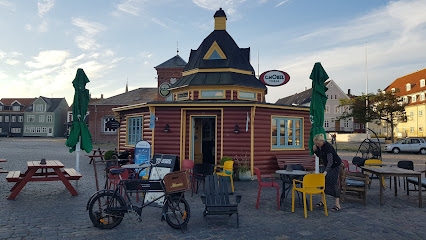
Havnekiosken v/Ole Damgaard Hansen
15.0 km
A tiny historic kiosk-bar on Rudkøbing’s harbor front, serving simple drinks and snacks with big maritime views and the easy rhythm of island harbor life.
Dybendal
15.1 km
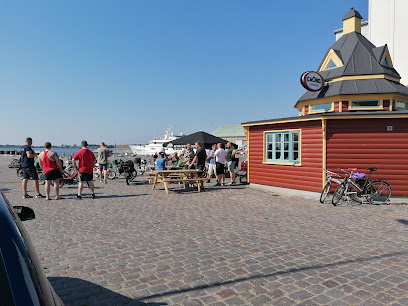
Easygoing local bar on Rudkøbing’s main square, blending billiards, darts and drinks with small‑town atmosphere and summer concerts on the cobbled Torvet.
Sukker
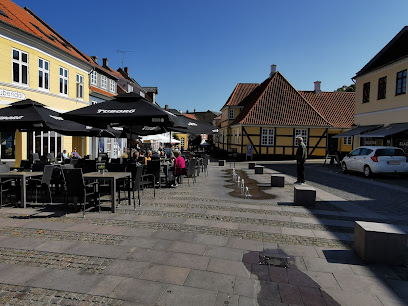
15.2 km
Intimate wine bar where Danish heritage meets Nordic sophistication in historic Rudkøbing.
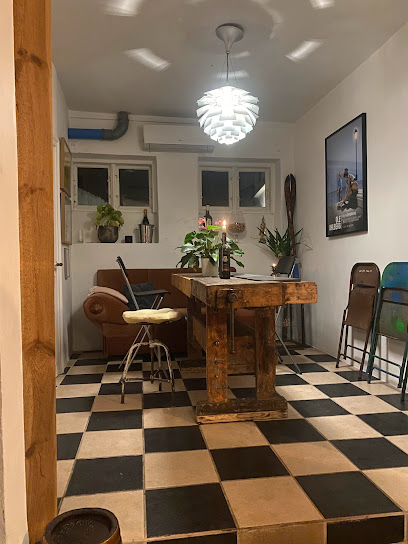
Kasket karl
15.2 km
A classic Rudkøbing bodega where locals gather for cold beer, warm conversation, and an authentic slice of island everyday life from morning to late evening.
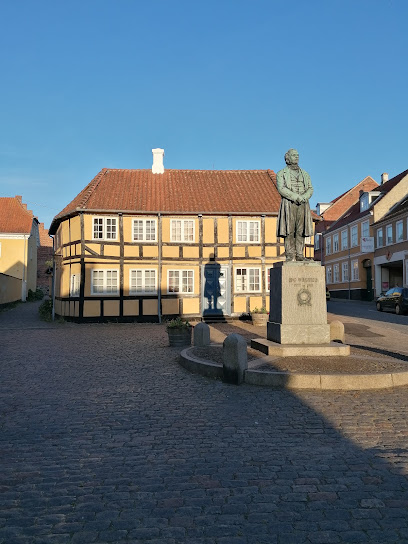
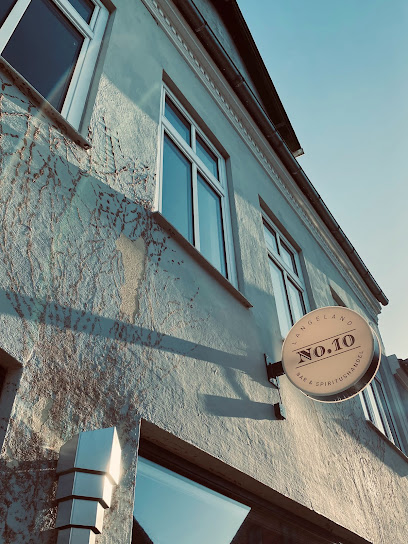
No. 10
15.4 km
Cozy, adults‑only lounge bar in a former butcher’s shop, serving Champagne, craft beer and cocktails with island hygge and a colourful courtyard in central Rudkøbing.
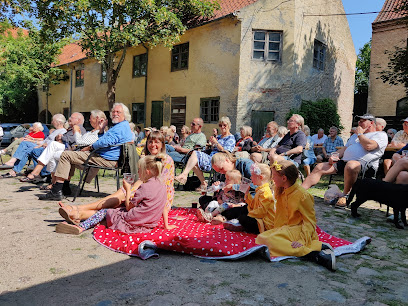
Langelands Jazzklub
15.7 km
Tiny island jazz hub in Rudkøbing, blending close-up concerts, seasonal outdoor gigs and decades of Danish jazz heritage in a warm, community-run setting.
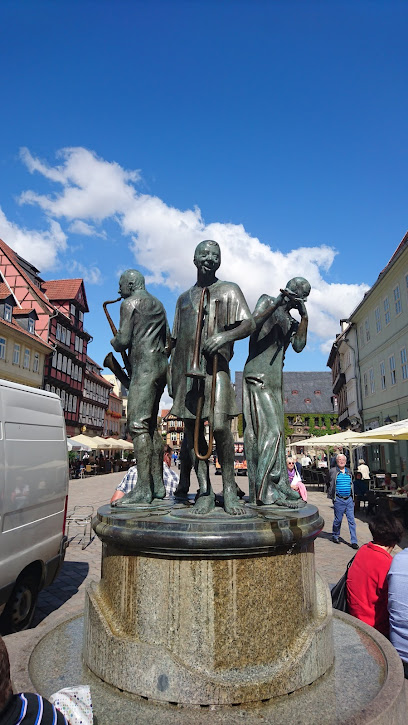
Basicbigband
15.7 km
Local big band headquarters in a quiet Rudkøbing neighbourhood, where brass, reeds and rhythm bring Langeland’s intimate jazz scene to life on select evenings.
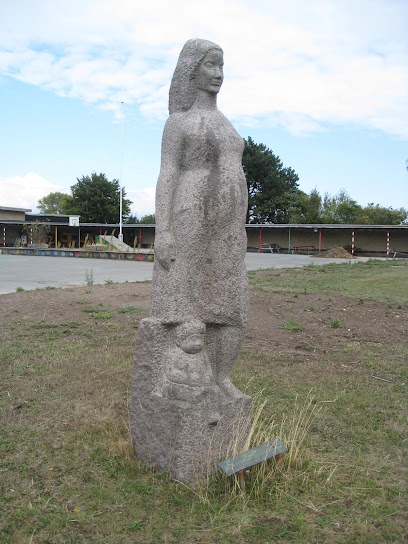
Rådhuskælderen
18.9 km
Cosy cellar bar in Søby’s former town hall, offering simple drinks, local atmosphere and a low‑key glimpse of everyday life on the island of Ærø.
Nightclubs & after hour spots

Ommel
3.0 km
A small, sociable island nightspot near Marstal where locals and travelers share quiet drinks, simple music and the easygoing charm of Ærø after dark.
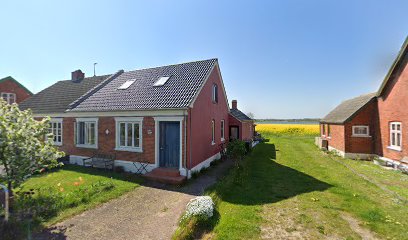
Crazy Daisy Svendborg
23.5 km
Compact, high-energy weekend nightclub in central Svendborg, serving mainstream beats, drinks and a sociable dance floor until the early hours.
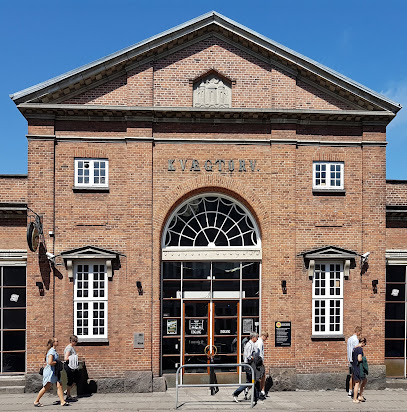
Ærø Golf Klub
23.8 km
Distinctive links course on Ærø’s northwest cape, blending historic lighthouse views, Nordic coastlines, and a classic Danish golfing challenge.
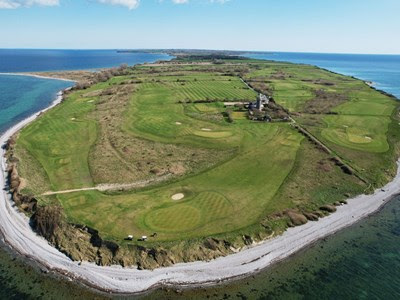
CLUB ZANZI
39.1 km
High‑energy waterfront nightclub bringing big‑city beats, flashing lights and late‑night dancing to the heart of coastal Nakskov.
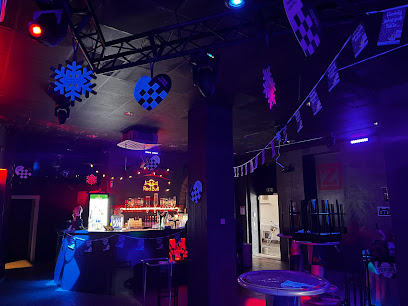
Old Danish Pub
47.3 km
Central Sønderborg institution blending classic Danish pub ambiance, affordable drinks, and lively atmosphere—perfect for experiencing Southern Denmark’s warmth and social life.
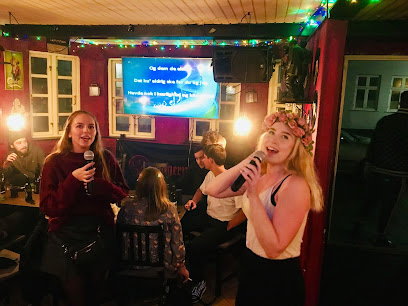
Kaizen ApS
47.3 km
Compact disco-style nightclub in central Sønderborg, pulsing with late-night beats, colourful lights and a straightforward bar for an unpretentious night out.
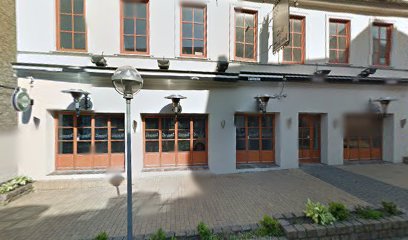
New Orleans Jazz I Sønderborg
47.5 km
Authentic New Orleans jazz experience in the heart of Sønderborg.
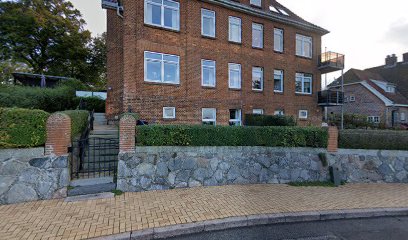
Muzirkus
52.8 km
Nyborg's independent music sanctuary where local bands rehearse, collaborate, and perform since 1974.
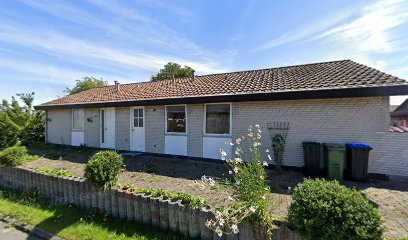
Dance All Over
53.2 km
Sønderborg’s sociable dance hub, where fitness, swing and party-ready moves come together in energetic, community-driven classes across the city.
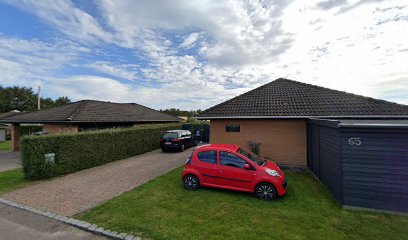
KJ's bodel
53.8 km
Laid‑back local nightspot on Nyborg’s main square, mixing simple drinks, sociable bar chatter and a compact dance floor in an unpretentious setting.
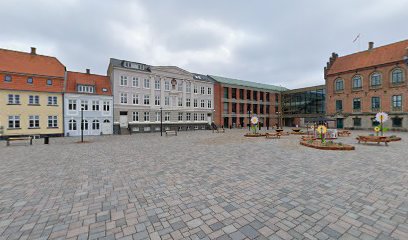
Dance Odense, Funen Square Dance Club
56.8 km
Community-driven square dancing in a cozy Odense neighborhood hall, where callers, patterns and shared rhythm turn an ordinary evening into a friendly social event.
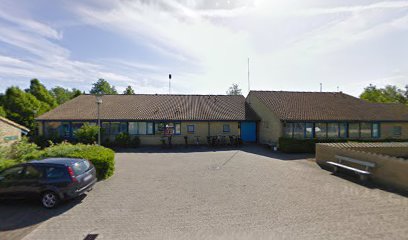
Carlsens Kvarter
60.3 km
Atmospheric pub in Odense C, offering unmatched hygge, an impressive selection of craft beers, and a welcoming local vibe in a characterful historic setting.
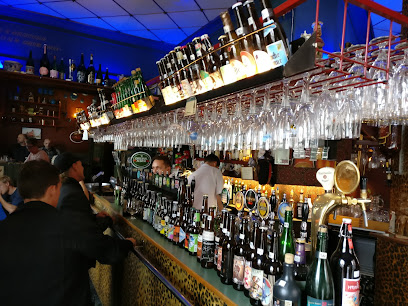
Den Brølende And
60.7 km
Experience the heart of Odense's nightlife at Den Brølende And, where music, dance, and camaraderie come alive.
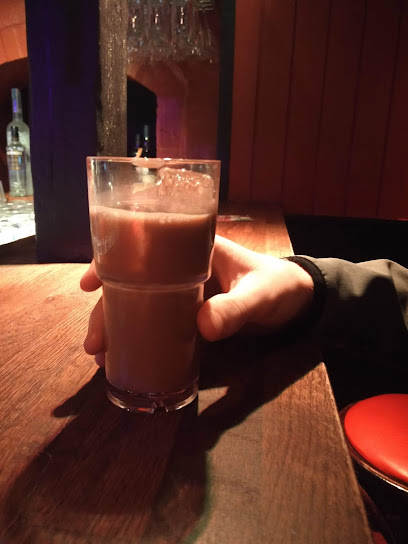
Heidi's Bier Bar Odense
60.7 km
Dance on tables, drink large beers, and celebrate Alpine-style year-round in Odense's most uninhibited nightclub.
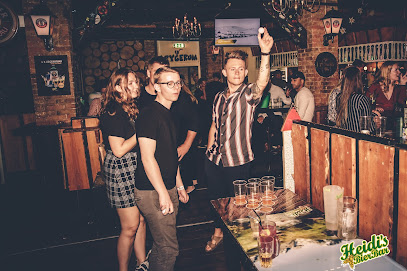
Dansebar Odense
60.9 km
Lively central Odense nightclub with mainstream hits, colorful lights and a sociable dance floor vibe from late evening into the early hours.
For the vibe & atmosphere seeker
- Tranquil
- Scenic
- Unique
For the architecture buff
- Historic
- Landmarks
- Sacred Sites
For the view chaser and sunset hunter
- Iconic Views
- Waterfront
- Sunset Spots
For the social media creator & influencer
- Photo Spots
- Architectural Shots
For the eco-conscious traveler
- Low Impact
- Public-Transport Accessible
For the kind of experience you’re after
- Mindfulness
- Meditation Spot
- Cultural Heritage
- Photowalk
- Day Trip
- Roadtrip Stop
For how adventurous you want the journey to be
- Easy Access
Location Audience
- Family Friendly
- Senior Friendly
- Child Friendly
- Teen Friendly
- Solo Friendly
- Couple Friendly
- Solo Female Friendly


