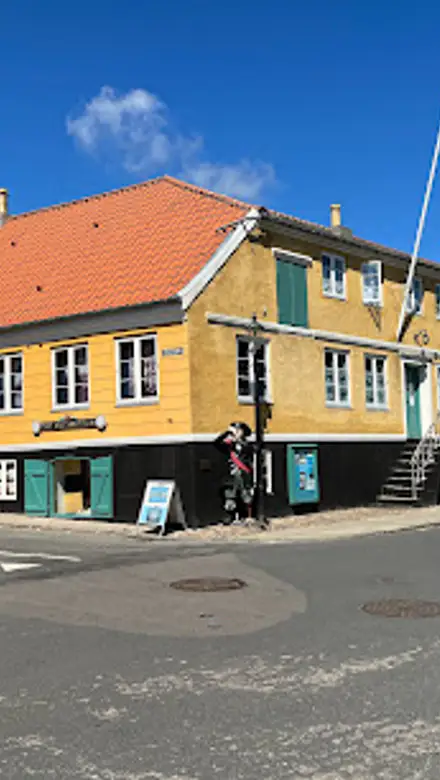
Marstal Søfartsmuseum Travel Guide
Free Guide: Five centuries of Danish maritime heritage brought to life through ship models, immersive interiors, and authentic harbour atmosphere.


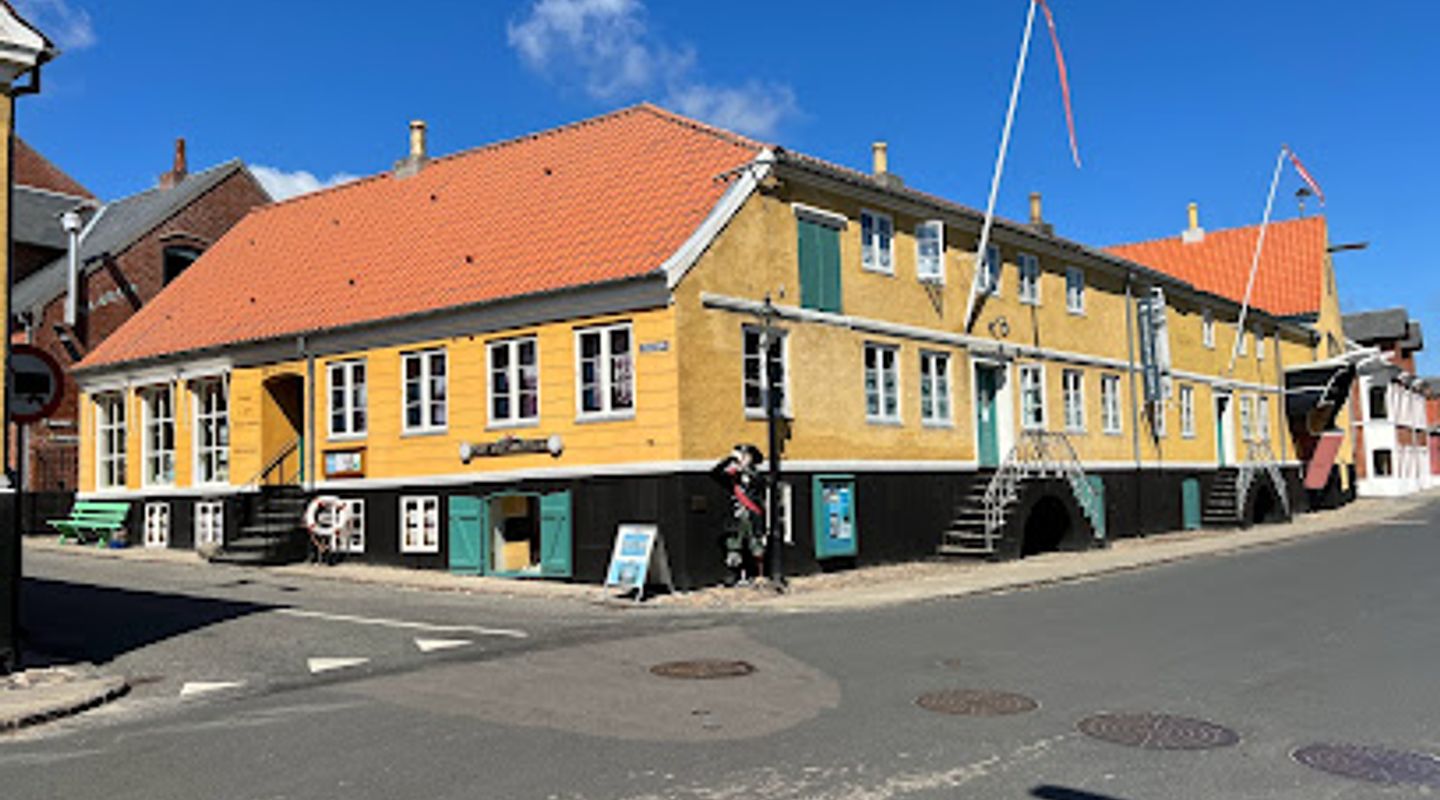
A brief summary of Marstal Søfartsmuseum
Five centuries of Danish maritime heritage brought to life through ship models, immersive interiors, and authentic harbour atmosphere.
Marstal Søfartsmuseum is a comprehensive maritime museum housed in five historic buildings near the harbour in Marstal, Denmark. The museum chronicles Danish maritime history from the 1600s to the present day through over 300 ship models, 130 ships in bottles, hundreds of ship portraits, and immersive boat interiors with interactive elements. Visitors can climb rigging, take the helm of a coaster, and experience realistic maritime environments complete with sound effects. The museum also features an extensive archive of local and maritime history, works by Greenlandic painter J.E.C. Rasmussen, and seasonal activities for children including toy-boat building workshops.
On-site amenities
 Restrooms
 Food options
 Seating areas
 Picnic areas
 Information boards
 Visitor centre
Opening hours
- Every day10 am–4 pm
Opening hours as listed on the venue’s Google Business Profile. Hours can change for services and special events, so check with the venue before you go.
- Address
- Prinsensgade 1, 5960 Marstal
- Phone
- Website
Getting there
Ferry from Søby Harbour
Car via Søby Ferry
Bicycle from Marstal Town Centre
Walking from Marstal Harbour
Discover more about Marstal Søfartsmuseum
A Journey Through Five Centuries of Danish Maritime Heritage
Marstal Søfartsmuseum offers an immersive exploration of Danish maritime history spanning from the 1600s to the present day. The museum is distributed across five interconnected buildings positioned near the working harbour, creating a landscape that reflects Marstal's deep connection to the sea. Through 37 exhibition rooms, visitors encounter more than 300 meticulously crafted ship models, 130 ships in bottles, hundreds of detailed ship portraits, and an extraordinary collection of maritime equipment and curiosities brought back by sailors from across the globe. The museum's architecture and layout guide visitors chronologically and thematically through the evolution of Danish seafaring, supported by descriptive information boards and QR codes offering deeper contextual reading and multimedia content.
Immersive Experiences and Interactive Elements
What distinguishes this museum is its commitment to bringing maritime history to life through hands-on engagement rather than passive observation. Visitors can take the helm of a coaster, climb working rigging, and sit in the saloon of a restored steam ferry. Several boat interiors are complete with period-appropriate furnishings and sound effects designed to evoke the sensation of being aboard a vessel—some exhibits intentionally create the illusion of seasickness through shifting horizons and ambient audio. On certain Thursday mornings, the nearby machinery factory fires up its engines, adding authentic industrial atmosphere to the experience. The museum's collection includes a shrunken head famously referenced in Carsten Jensen's novel "We, the Drowned," connecting literary history with maritime reality.
Collections and Artistic Heritage
Beyond ship models and maritime equipment, the museum houses an extensive collection of marine paintings and works by Greenlandic painter J.E.C. Rasmussen, reflecting the artistic documentation of seafaring life. The administration building contains a rich archive dedicated to local and maritime history, serving researchers and heritage enthusiasts. The museum's outdoor yard features the MS Martha, an old coaster that now functions as both a historical artifact and children's playground, allowing visitors to enjoy packed lunches while surrounded by authentic maritime heritage. This integration of outdoor space with museum collections creates a cohesive narrative of Marstal's shipbuilding and seafaring past.
Programming for Families and Seasonal Activities
The museum actively engages younger visitors through multiple channels. Exhibition spaces incorporate "childish elements" such as interactive model ship displays and challenges to solve throughout the galleries. A maritime book featuring a character named Anker guides children through problem-solving activities. During school holidays, the museum offers workshops where children can construct small ships from recycled materials, fostering creative engagement with maritime themes. Free guided tours conducted by local guides are available in July and the first week of August, providing curated narratives of the collections and historical context. Staff members are noted for their proficiency in English and welcoming approach to international visitors.
Accessibility and Practical Amenities
The museum provides facilities for wheelchair users and maintains good bathroom facilities throughout its buildings. While an elevator is available, accessibility to certain areas may require advance inquiry. The museum's location near the active harbour allows visitors to observe contemporary boat yards, including a part-built wooden keel and the partially restored 1914 schooner Bonavista, originally constructed in Marstal. This proximity to working maritime infrastructure reinforces the living connection between historical preservation and ongoing seafaring traditions in the town.
Evendo Review Centre
 Google
Guest reviews
Best time to go
Quietest: Jan, Feb & Nov · before 9am or from 4pm
Busy times are Evendo estimates for a typical year, to help you plan. Actual crowds vary with events, school holidays and the weather.
Explore Marstal Søfartsmuseum on the map
A handpicked selection of must-see spots near Marstal Søfartsmuseum, mapped for you.
Get your free copy of our complete guide to Marstal Søfartsmuseum, delivered straight to you.
Everything on this page, from opening hours and how to get there to Eve’s tips and the best time to go, in one PDF you can read offline, print or share.
Already have an account? Sign in
Your Marstal Søfartsmuseum guide is ready.
We'll send it to · Not you? Sign out

Getting your guide ready…
We are putting together a fresh copy of the Marstal Søfartsmuseum guide. This can take up to a minute.
This can take a few moments. If your browser asks, choose Allow so the download can start. You'll find the guide in your Downloads folder.
Nothing happened? Download it again
Sorry, the guide is taking longer than usual. Please try again in a minute, or get it by email instead.
Other nearby places you may find interesting
The closest places of the same kind, if this one is not quite what you had in mind.
-
-
-
-
-


Swipe for more places
More to explore near Marstal Søfartsmuseum

 Best experiences near Marstal Søfartsmuseum
 Best hotels near Marstal Søfartsmuseum
 Best landmarks near Marstal Søfartsmuseum
 Best attractions near Marstal Søfartsmuseum
 Best shops near Marstal Søfartsmuseum
 Best restaurants near Marstal Søfartsmuseum
 Best bars near Marstal Søfartsmuseum
Do you manage this location?
Take control to get all the benefits, like improved information, better appearance, and stronger visibility across AI-powered discovery.
Explore more

Explore more of Ærø
Discover the enchanting island of Ærø in Denmark, where fairy-tale towns, scenic landscapes, and rich maritime history await to captivate your senses.
Explore Ærø
Explore more of Denmark
Discover Denmark: A perfect blend of history, modern design, and the cozy concept of hygge. Explore vibrant cities, serene landscapes, and world-class cuisine.
Explore Denmark