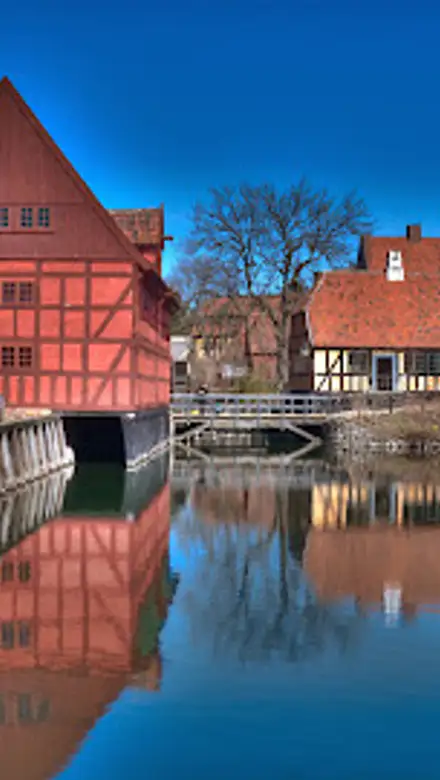
The Old Town Travel Guide
Free Guide: Open-air streets, historic homes and living workshops trace 400 years of everyday Danish town life in the heart of Aarhus’ Botanical Gardens.


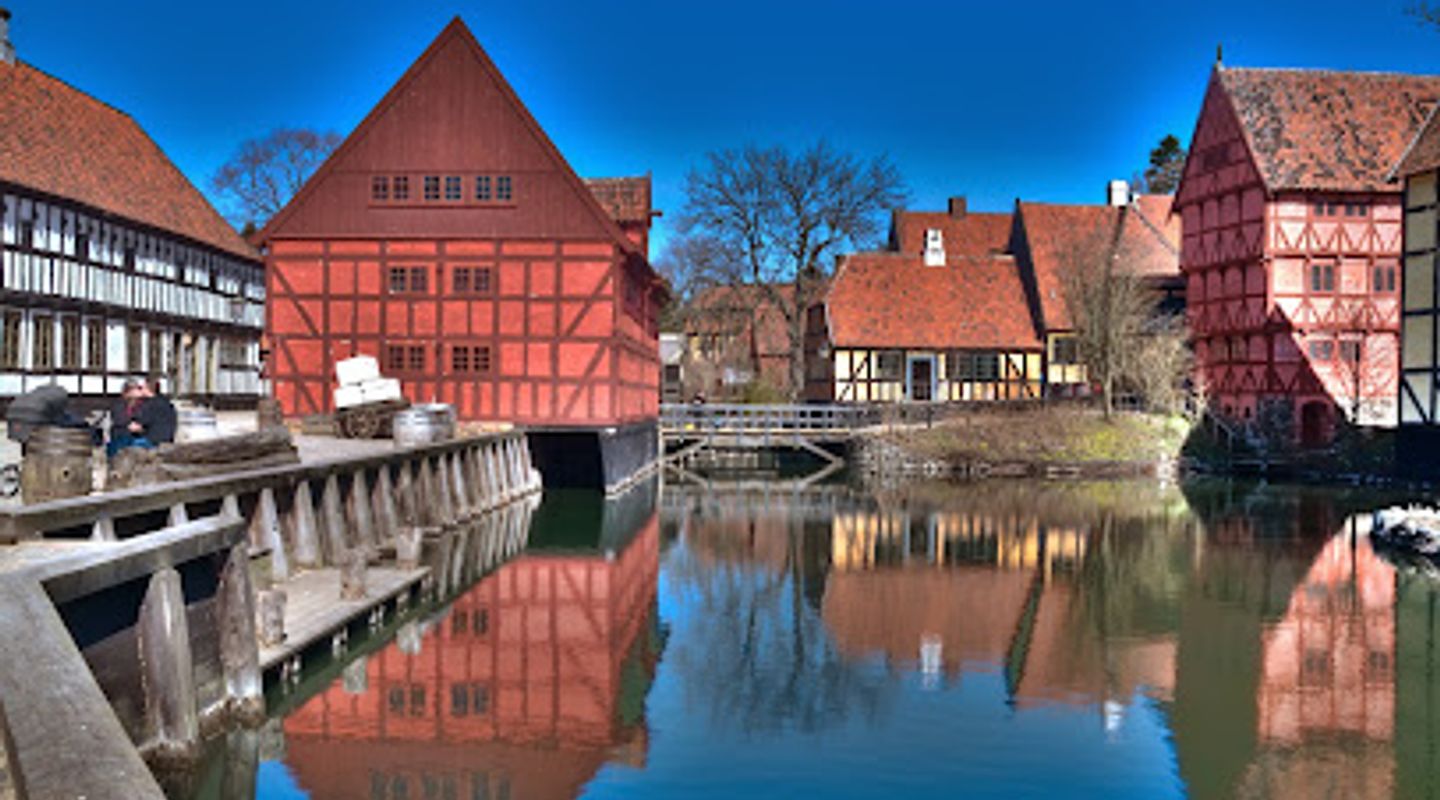
A brief summary of The Old Town
Open-air streets, historic homes and living workshops trace 400 years of everyday Danish town life in the heart of Aarhus’ Botanical Gardens.
Den Gamle By in Aarhus is an open-air town museum that lets you walk through 400 years of Danish urban life in a single visit. Set within the Botanical Gardens, its cobbled streets, half-timbered houses, 1920s shops, 1970s apartments and a contemporary 2014 street recreate everyday life across the centuries. Costumed staff, working workshops, gardens and historic eateries make this a richly immersive experience for all ages.
On-site amenities
 Restrooms
 Drinking water
 Food options
 Seating areas
 Sheltered areas
 Picnic areas
 Trash bins
 Information boards
 Visitor centre
Opening hours
- Every day10 am–5 pm
Opening hours as listed on the venue’s Google Business Profile. Hours can change for services and special events, so check with the venue before you go.
- Address
- Viborgvej 2, 8000 Aarhus Centrum
- Phone
- Website
Getting there
City bus from central Aarhus
Taxi or rideshare within Aarhus
Walking from central Aarhus
From Aarhus Airport via bus and city connections
Discover more about The Old Town
A Living Danish Town Inside a Museum
Den Gamle By is a full-scale open-air town museum embedded in Aarhus’ Botanical Gardens, where entire buildings from across Denmark have been dismantled, moved and reassembled to form a complete historic town. As you step past the entrance, cobbled streets, timber-framed houses and tiled roofs close around you, and the modern city feels suddenly distant. Shops, yards, homes and workshops all tell stories of everyday life rather than royal pomp, making this a place where ordinary Danes’ history takes center stage.The museum grew from a single merchant’s house into a sprawling townscape that now spans several centuries. Instead of static displays behind glass, doors stand open, interiors are furnished, and tools, utensils and furniture sit where they would have been used. The result is an unusually tangible sense of stepping into another time.
Timbered Streets from Before 1900
The oldest quarter evokes a Danish market town from the 1600s to the late 19th century. Many of the half-timbered houses once stood in cities such as Aalborg and Kerteminde before being painstakingly reconstructed here. Narrow alleys lead to small courtyards where herb gardens, wells and outbuildings hint at how self-contained town households once were.Among the highlights are old workshops where trades like baking, printing and shoemaking are demonstrated in historic settings. Schoolrooms, a customs booth, a water mill and the elegant Helsingør Theater show how education, administration, industry and entertainment were woven into town life. In season, staff in period dress chop wood, tend fires or serve customers, creating the feel of a town that has only briefly paused in its daily rhythm.
Modernity Arrives in the 1927 Quarter
Further on, the streets widen and the mood shifts to the interwar years. The 1927 neighborhood shows Denmark adapting to cars, electricity and consumer goods. Here you find a car dealership with gleaming vintage vehicles, complete with its own workshop and spare-parts shop, giving a glimpse into the early age of motoring. Streetlights, telegraph wires and bold gable advertisements signal a busier, more commercial era.Hardware and book shops, a post office and a telephone exchange illustrate how rapidly services transformed everyday routines. Walking these streets, you can trace how design, fashion and technology changed the look and tempo of town life in just a few decades, yet still feel connected to the older quarters just a short stroll away.
Welfare-Era Denmark and Everyday Homes
The museum then carries you into the 1970s, when the welfare state, new family forms and youth culture were reshaping Denmark. In this neighborhood, complete apartments reveal the lives of very different households: a nuclear family, a communal collective, a hippie couple and a single mother. Each interior is carefully staged with contemporary furniture, textiles, toys and kitchenware that bring the decade’s colors and ideals vividly to life.Street-level shops like a convenience store, butcher and paint and wallpaper shop add further detail to the period. In backyards, mopeds, workshop corners and improvised meeting spaces show how leisure, work and social life spilled out beyond the front door. It is a reminder that “history” includes times that still feel close enough for many visitors to remember.
Our Time in the 2014 Street
Unusually for an open-air museum, Den Gamle By also documents very recent decades. The 2014 street presents a contemporary urban block complete with a tanning salon, a 7‑Eleven, a pizzeria, a bank and the legendary Bent J jazz bar, where the atmosphere recalls smoky nights and live music. Here, you may wander past a recreated Blockbuster video store or step into homes representing modern family constellations, including a rainbow family and a single woman’s flat.By placing the present on display alongside the 17th, 19th and 20th centuries, the museum invites you to see current habits, technologies and interiors as tomorrow’s history. The contrast between a smartphone on a coffee table and a hand-operated printing press a few streets away makes the passage of time feel strikingly concrete.
Cafés, Gardens and Practical Details
Scattered through the town are gardens that supply herbs, fruit and heritage vegetable varieties used in the museum’s kitchens. At Restaurant Gæstgivergården and other eateries you can try Danish dishes inspired by historical cookbooks, from open-faced sandwiches to classic cakes, often prepared using traditional methods like salting, smoking and pickling.The site offers multiple restrooms, baby-changing facilities and information points, and there are accessible toilets in several buildings. Cobblestones and uneven surfaces can be challenging in the oldest streets, but wheelchairs, pushchairs and mobility scooters can be supported, with scooters available to borrow. Dogs are allowed in the streets but not inside buildings, with service animals as an exception. With its blend of immersive history, sensory detail and practical amenities, Den Gamle By works as both an engaging museum and a pleasant place to linger for several hours.
Evendo Review Centre
 Google
Guest reviews
Best time to go
Quietest: Jan, Feb & Mar · before 8am or from 8pm
Busy times are Evendo estimates for a typical year, to help you plan. Actual crowds vary with events, school holidays and the weather.
Explore The Old Town on the map
A handpicked selection of must-see spots near The Old Town, mapped for you.
Get your free copy of our complete guide to The Old Town, delivered straight to you.
Everything on this page, from opening hours and how to get there to Eve’s tips and the best time to go, in one PDF you can read offline, print or share.
Already have an account? Sign in
Your The Old Town guide is ready.
We'll send it to · Not you? Sign out

Getting your guide ready…
We are putting together a fresh copy of the The Old Town guide. This can take up to a minute.
This can take a few moments. If your browser asks, choose Allow so the download can start. You'll find the guide in your Downloads folder.
Nothing happened? Download it again
Sorry, the guide is taking longer than usual. Please try again in a minute, or get it by email instead.
Unlock the best of The Old Town
Skip-the-line tickets, guided tours with entry, and walking tours of the area, booked in a few clicks.
 Tour with entry
Unique Christmas Market in the Old Town Museum
from $265.43 Tour with entry
Private Shore Excursion: Highlights of Aarhus
from $646.00 Tour with entry
Aarhus Private Tour in Den Gamle By from Cruise Port
from $763.80 Tour with entry
Aarhus Highlights Private Shore Tour: A Walking Journey|
from $981.03


Other nearby places you may find interesting
The closest places of the same kind, if this one is not quite what you had in mind.
-
Abbey Mill Historic Abbey Mill on Mossø’s shore, where Denmark’s longest wooden building meets bird-rich wetlands, gentle trails and a tranquil corner of the Gudenå River.
-
Clausholm Castle A moated Baroque manor near Hadsten, where painted ceilings, royal love stories and terraced gardens bring Denmark’s aristocratic past vividly to life.
-
Slotsholmen Tranquil green islet at Silkeborg’s origins, where a vanished riverside castle meets calm water views, quiet lawns and a gentle sense of early local history.
-
The Manor House of Hald An 18th-century manor fronting centuries-old ruins, deep forest and Hald Lake, where writers find seclusion and visitors wander through Danish history in nature.
-
Marselisborg Castle Royal retreat above Aarhus Bay, where sculpture-filled gardens, a rose-scented park and quiet ceremony surround Denmark’s Jutland summer palace.
Swipe for more places
More to explore near The Old Town

 Best experiences near The Old Town
 Best hotels near The Old Town
 Best landmarks near The Old Town
 Best attractions near The Old Town
 Best shops near The Old Town
 Best restaurants near The Old Town
 Best bars near The Old Town
Do you manage this location?
Take control to get all the benefits, like improved information, better appearance, and stronger visibility across AI-powered discovery.
Explore more

Explore more of Central Jutland
Explore Central Jutland in Denmark: A perfect blend of natural beauty, cultural heritage, and family-friendly attractions.
Explore Central Jutland
Explore more of Denmark
Discover Denmark: A perfect blend of history, modern design, and the cozy concept of hygge. Explore vibrant cities, serene landscapes, and world-class cuisine.
Explore Denmark