Background

Islands Brygge

Copenhagen's iconic waterfront where industrial heritage meets modern urban swimming culture and sustainable design.

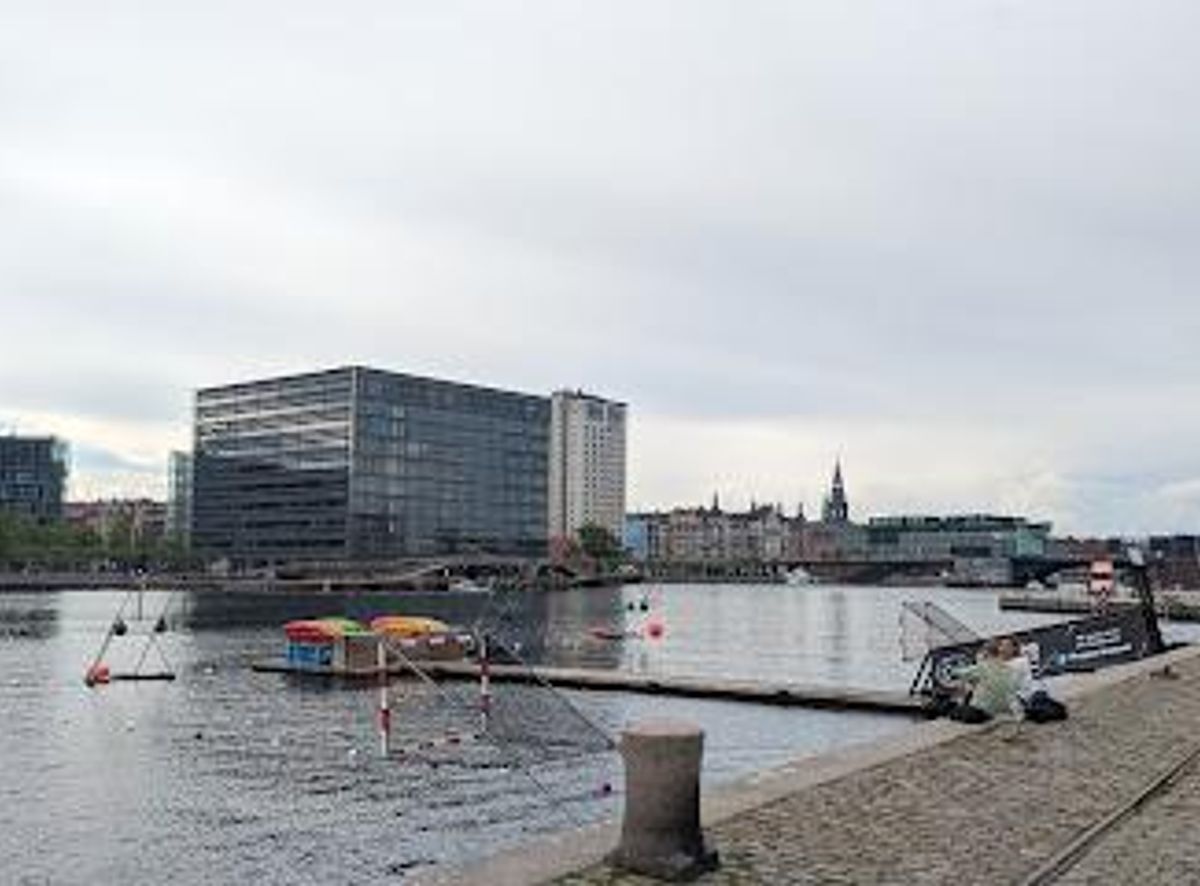
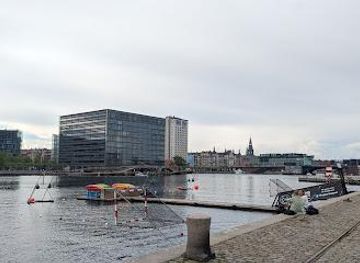
Islands Brygge is a vibrant waterfront neighbourhood in central Copenhagen, located on the northwestern coast of Amager. Once an industrial harbour transformed into a modern recreational destination, it is renowned for Havneparken (Harbour Park) and the iconic Islands Brygge Harbour Bath—a free public swimming facility featuring five pools with diving towers and expansive lawns. The area seamlessly blends Copenhagen's industrial heritage with contemporary architecture, offering swimming, cycling, dining, and waterfront leisure year-round.

Plan your visit

A brief summary to Islands Brygge 18

Opening times, essentials, and a few local tips gathered into one calmer, easier-to-scan planning section.

Plan your visit

📍
Islands Brygge 18, Copenhagen, Amager Vest, 2300, DK
🕒
Duration: 1.5 to 4 hours
💷
Free
🏛
Outdoor
📶
Mobile reception: 5 out of 5
Eve
From Eve

Know before you go

Hi, I'm Eve. Here are a few practical things to know before exploring Islands Brygge 18.

Local know-how to help you travel smarter and make the most of every moment.

Visit during summer months (June–August) when lifeguards are on duty and the weather is warmest, though the harbour water remains cool year-round. Winter swimming is possible but requires cold-water tolerance.
Arrive early on hot days to secure prime sunbathing spots on the lawn. The area becomes crowded in late afternoon when locals stop by after work.
Bring a picnic or use nearby restaurants to enjoy meals with harbour views. The lawn area is ideal for picnics and casual gatherings.
Explore the industrial heritage features—old railway tracks and vintage railway car—which add authentic character and photographic interest to the landscape.
Cycle to Islands Brygge as part of the larger Harbour Circle route; the neighbourhood is part of Copenhagen's excellent cycling infrastructure and car-free accessibility.

Discover more about Islands Brygge 18

From Industrial Harbour to Urban Oasis

Islands Brygge's transformation from a polluted industrial zone to one of Copenhagen's most celebrated waterfront destinations represents a remarkable chapter in the city's urban evolution. Until the late 19th century, the area was characterized by shallow waters and undeveloped shoreline. Beginning in the 1880s, land reclamation projects dramatically reshaped the landscape. The military established new arsenals and shooting ranges on reclaimed land in 1887–88, while the Port of Copenhagen expanded southward in 1901 to accommodate growing freight and passenger traffic. Residential construction began in 1905, and by 1908, the cooperative retailer FDB had established its headquarters here. The Dansk Sojakagefabrik (soy bean processing plant) opened in 1909 and employed approximately 2,500 workers at its peak in the 1950s, many of whom lived in the neighbourhood. Land reclamation continued until 1933, when Islands Brygge reached its current extent. During World War II, German troops occupied the area, making it a target for Danish resistance sabotage operations. The post-war period brought gradual decline as larger ships rendered the old docks obsolete, and commercial focus shifted to Nordhavn and other Danish ports. This decline, however, created the opportunity for the neighbourhood's reinvention as a public recreational space.

The Harbour Bath: A Symbol of Urban Renewal

The Islands Brygge Harbour Bath, which opened in 2001, stands as the centrepiece of the neighbourhood's transformation. Before its opening, swimming in Copenhagen's harbour was unthinkable due to poor water quality. Extensive investments in water purification systems, improved sewage treatment, and infrastructure upgrades throughout the Copenhagen Harbour area made safe recreational swimming possible. The bath masterfully transformed a polluted industrial waterfront into a vibrant, accessible public swimming facility that has become iconic globally as a model for sustainable urban development. The facility comprises five pools in total, two specifically designed for children. The shallowest pool measures just 30 centimetres deep, while diving towers reach heights of one, three, and five metres. Water quality is checked daily and must be approved by authorities before swimmers are permitted entry. Lifeguards oversee the facilities from June 1st to August 31st between 10:00 and 18:00. The bath operates from May 1st to March 31st, allowing year-round swimming, including winter bathing by hardy locals. A spacious lawn fronts the pools, providing ample room for sunbathing, picnics, and recreational activities.

Architecture and Contemporary Character

Havneparken (Harbour Park), the main recreational area of Islands Brygge, retains several distinctive features from the neighbourhood's industrial past. Old railway tracks and a vintage railway car remain visible, creating an authentic industrial aesthetic that contrasts beautifully with modern architecture. The Islands Brygge Cultural House and the Harbour Bath anchor the waterfront, while the surrounding area has developed into a showcase of contemporary Danish design and international architecture of the highest calibre. Modern residential and commercial buildings frame the waterfront, making Islands Brygge a perfect destination for photography enthusiasts interested in modern Danish architecture and urban design.

A Living Waterfront Community

Islands Brygge functions as more than a tourist attraction; it is a genuine community space where locals and visitors converge. During summer months, Copenhageners swim with the city's skyline in view. On weekdays, many locals pass through for a quick dip on their way home from work. Families with children, beach enthusiasts, and regular swimmers create a vibrant, inclusive atmosphere. The neighbourhood is part of the larger Harbour Circle, a 37-kilometre route offering seamless pedestrian and cycling access around Copenhagen's waterfront, making it integral to the city's cycling culture and sustainable urban mobility.

Connectivity and Accessibility

Located directly across the bridge from central Copenhagen, Islands Brygge is highly accessible and remarkably central despite feeling like a distinct world away from the city centre. The area is well-connected by cycling infrastructure and public transport, making it an easy destination for both residents and visitors. Numerous restaurants, cafés, and modern amenities line the waterfront, while the grassy areas provide free public space for recreation and relaxation. The neighbourhood exemplifies Copenhagen's forward-thinking vision, demonstrating how dedicated urban planning, environmental stewardship, and innovative design can transform industrial heritage into a thriving, sustainable public realm.

Explore places near Islands Brygge 18

    See all →

    Unlock the Best of Islands Brygge 18

    Find tickets, tours with entry, and experiences available for this location.

    Buy tickets

    No tickets available

    Book tours with entry

    No tours with entry available

    Book tours without entry

    No tours without entry available

    Getting There

    Metro + Walk

    Take the Copenhagen Metro (M1 or M2 line) to Islands Brygge Station, located directly at the neighbourhood. Journey time from central Copenhagen is approximately 5–8 minutes. The station exits directly onto Islands Brygge, providing seamless access to Havneparken and the Harbour Bath. This is the fastest and most convenient option for visitors without bicycles.

    Bicycle

    Cycle from central Copenhagen via the Harbour Circle route or dedicated cycling paths along the waterfront. Journey time is approximately 10–15 minutes depending on starting point. Islands Brygge is fully integrated into Copenhagen's extensive cycling infrastructure with secure bike parking available near Havneparken. This is the preferred local transport method and offers scenic waterfront views.

    Bus

    Multiple bus routes serve Islands Brygge, including lines 2A, 6A, and others connecting to central Copenhagen and surrounding neighbourhoods. Journey time from the city centre is approximately 15–20 minutes depending on traffic and starting location. Buses stop near Islands Brygge 18 and Havneparken. Tickets cost approximately 24 DKK (3–4 EUR) for a single journey within Copenhagen's zones.

    Walking + Bridge

    Walk from central Copenhagen across Langebro bridge (approximately 20–25 minutes from Tivoli or City Hall Square). The bridge offers scenic harbour views and connects directly to Islands Brygge. This option is practical for those with time and provides an immersive introduction to the waterfront landscape.

    For the on-the-go comforts that matter to you

    Restrooms
    Drink Options
    Food Options
    Seating Areas
    Picnic Areas
    Trash Bins
    Information Boards

    Islands Brygge 18 location weather suitability

    Catch the right light and the right mood, whether you want a bright city moment or a more cinematic evening visit.

    Weather icon
    Any Weather
    Weather icon
    Hot Weather
    Weather icon
    Cold Weather
    Weather icon
    Mild Temperatures

    Plan around the quieter times

    A quick look at seasonal patterns and peak visiting hours.

    Busiest months of the year

    Seasonality

    Busiest hours of the day

    Footfall
    Mobile App
    Get the app

    Your all‑in‑one travel companion app

    Explore expert travel guides, compare and book tours, experiences, hotels, and more—all from the palm of your hand. Download now for seamless trip planning wherever your wanderlust takes you.
    File:Copenhagen - the little mermaid statue - 2013.jpg - Wikipedia

    More about Copenhagen

    Discover Copenhagen: A perfect blend of history, modernity, and vibrant culture, where picturesque canals, stunning architecture, and world-class dining await you.

    Tell me more about Copenhagen
    Select Currency

    Choose the currency you want prices to display in.