

Agnete and the Merman Statue, Copenhagen Travel Guide
Free Guide: An underwater bronze sculpture mourning love lost between worlds—Copenhagen's most poignant hidden gem.


A brief summary of Agnete and the Merman Statue
An underwater bronze sculpture mourning love lost between worlds—Copenhagen's most poignant hidden gem.
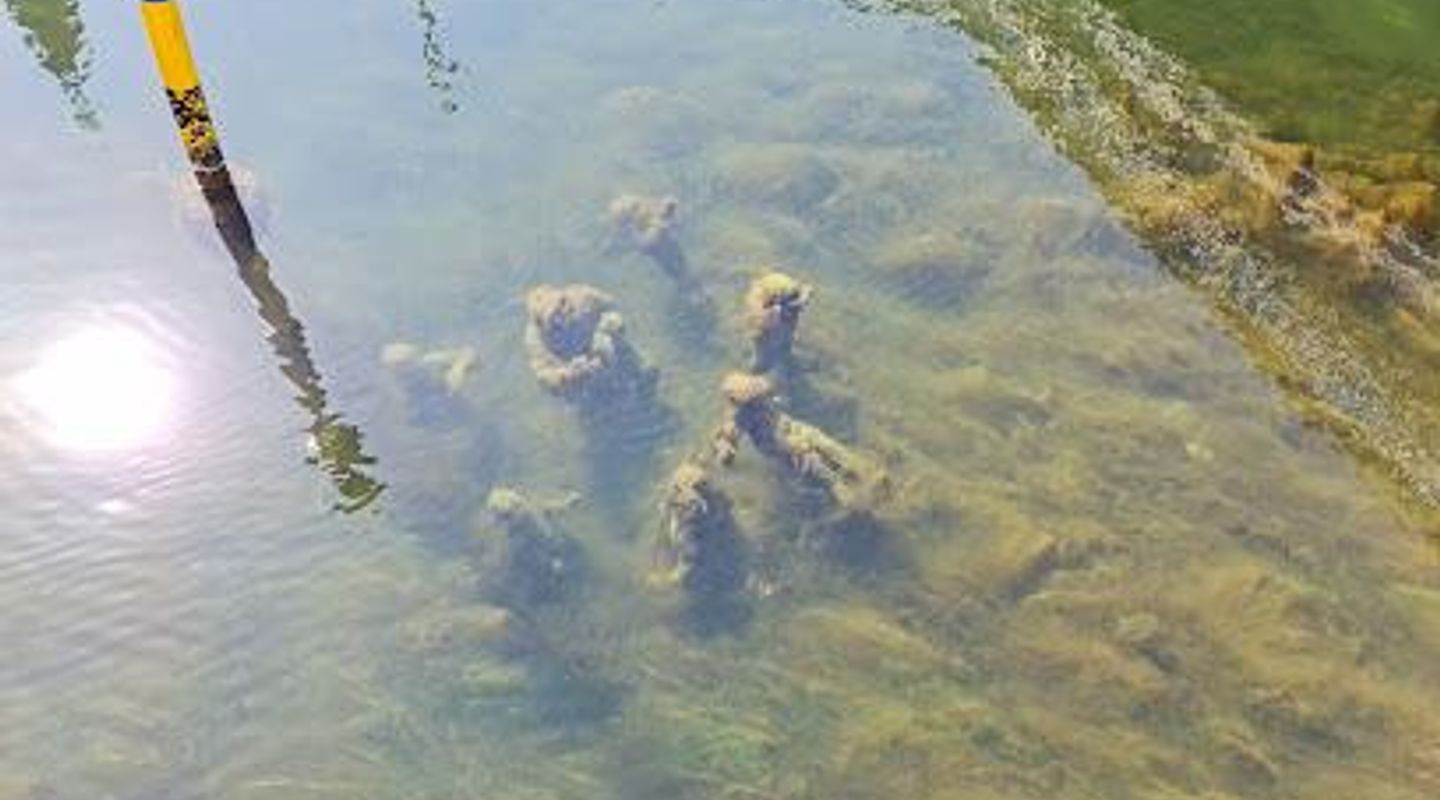
Hidden beneath the waters of Copenhagen's Slotsholm Canal lies a haunting bronze sculpture group depicting a merman and his seven sons reaching desperately toward the surface. Created in 1992 by Danish sculptor Suste Bonnén, this underwater artwork brings to life a tragic Danish folklore tale of love, loss, and longing. Visible from Højbro Bridge on calm days and illuminated with ethereal lighting in the evenings, this poignant sculpture remains one of Copenhagen's most evocative yet overlooked artistic treasures.
On-site amenities
 Seating areas
 Information boards
Opening hours
- Every dayOpen 24 hours
Opening hours as listed on the venue’s Google Business Profile. Hours can change for services and special events, so check with the venue before you go.
- Address
- Højbro, 1061 København
- Website
Getting there
Public Transport from Central Station
Walking from Tivoli Gardens
Bicycle from Nyhavn
Canal Boat Tour
Discover more about Agnete and the Merman Statue
A Submerged Tale of Danish Folklore
Beneath the shallow waters of the Slotsholm Canal near Højbro Bridge lies one of Copenhagen's most emotionally resonant artworks—a bronze sculpture group that captures a story of heartbreak frozen in metal. The sculpture depicts a merman and his seven sons in poses of anguish and longing, their arms reaching upward through the water toward the surface they can never reach. This underwater placement transforms the artwork into a physical manifestation of the narrative it depicts: the eternal separation between the sea world and the land above.The story that inspired this sculpture comes from Danish folklore, passed down through generations by oral tradition. According to the ballad "Agnete og Havmanden," a young woman named Agnete encountered a merman who emerged from the sea and asked for her hand in marriage. Captivated by his charm, she abandoned her life on land and descended beneath the waves to live with him. The couple had seven children together, and for a time, their underwater life seemed blissful. However, when Agnete heard the distant ringing of church bells from her former home, she was seized by longing for her old life. She promised her merman husband she would return and ascended to the surface for a visit. Once reunited with her family and community, Agnete found herself unable to leave again. She never returned to the sea, leaving her devoted husband and their children to mourn her absence eternally.
The Artist's Vision and Bronze Realization
Danish sculptor, photographer, and author Suste Bonnén created this remarkable sculpture group in 1992, choosing bronze as the medium to immortalize this tale of loss and longing. Bonnén's artistic decision to submerge the figures underwater was profoundly intentional—it reinforces the narrative separation between the land world that Agnete chose and the sea world she abandoned. The merman and his children are depicted in various postures of despair: some bury their faces in their hands, others reach upward with outstretched arms as if pleading for their mother's return, while still others seem to gaze downward in resignation. The emotional intensity captured in these bronze forms transforms the sculpture from mere public art into a meditation on sacrifice, love, and the consequences of choice.The placement of the figures on a bronze platform at the bottom of the canal creates a complete underwater tableau. The reeds and aquatic vegetation that surround the sculptures add to their haunting quality, as if the sea itself is slowly reclaiming them. This integration with the natural environment makes the artwork feel less like an intrusion and more like a discovery—something that has always belonged to the depths.
A Hidden Gem in Plain Sight
Despite its artistic significance and emotional power, Agnete and the Merman remains one of Copenhagen's least-known sculptures. Dozens of tour boats pass directly over the artwork daily, yet many visitors never notice it. The sculpture's underwater location and lack of prominent signage contribute to its obscurity—there is no official marker directing tourists to the site, and it does not appear on most mainstream tourist maps. This invisibility paradoxically adds to the sculpture's appeal for those who discover it. The moment when a visitor first glimpses a bronze head or arm emerging from the water, and the entire scene gradually comes into focus, creates a sense of personal discovery that few public artworks can match.The best times to view the sculpture are on calm days when the water's surface is still, or during evening hours when the figures are illuminated by underwater lighting that casts them in ghostly blue-green or golden hues. The interplay of light, water, and shadow transforms the already poignant scene into something almost otherworldly. In summer evenings, when Copenhagen's light lingers late, the reflected streetlights dancing across the water's surface create an atmosphere of melancholy beauty that seems to amplify the sculpture's emotional narrative.
Cultural Significance and Danish Mythology
The sculpture represents more than a single story—it embodies the cultural importance of Danish folklore and mythology to the Danish people. Just as ancient Greeks eternalized their myths through statues of gods and heroes, Bonnén used bronze to capture a specific narrative of love, sacrifice, and loss from Danish tradition. The tale of Agnete and the Merman exists within a broader context of merfolk in Danish lore, a tradition that has inspired numerous literary and artistic works. The story influenced Danish author Hans Christian Andersen, who outlined a concept for a verse play based on Agnete and the Merman in 1832, demonstrating the tale's enduring resonance in Danish culture.The sculpture's presence in Copenhagen's historic center, near Christiansborg Palace and other significant landmarks, anchors this folklore in the city's contemporary landscape. It serves as a reminder that beneath the modern city lies a rich tradition of storytelling and mythology. For locals and visitors alike, the sculpture offers a moment of connection to Denmark's cultural heritage—a tangible link to stories that have been told and retold for centuries.
Evendo Review Centre
 Google
Guest reviews
Best time to go
Quietest: Jan, Feb & Nov · before 6am or from 11pm
Busy times are Evendo estimates for a typical year, to help you plan. Actual crowds vary with events, school holidays and the weather.
Explore Agnete and the Merman Statue on the map
A handpicked selection of must-see spots near Agnete and the Merman Statue, mapped for you.
Get your free copy of our complete guide to Agnete and the Merman Statue, delivered straight to you.
Everything on this page, from opening hours and how to get there to Eve’s tips and the best time to go, in one PDF you can read offline, print or share.
Already have an account? Sign in
Your Agnete and the Merman Statue guide is ready.
We'll send it to · Not you? Sign out

Getting your guide ready…
We are putting together a fresh copy of the Agnete and the Merman Statue guide. This can take up to a minute.
This can take a few moments. If your browser asks, choose Allow so the download can start. You'll find the guide in your Downloads folder.
Nothing happened? Download it again
Sorry, the guide is taking longer than usual. Please try again in a minute, or get it by email instead.
Unlock the best of Agnete and the Merman Statue
Skip-the-line tickets, guided tours with entry, and walking tours of the area, booked in a few clicks.


Other nearby places you may find interesting
The closest places of the same kind, if this one is not quite what you had in mind.
-
-
-

-
-


Swipe for more places
More to explore near Agnete and the Merman Statue
-
 Best experiences near Agnete and the Merman Statue
-
 Best hotels near Agnete and the Merman Statue
-
 Best landmarks near Agnete and the Merman Statue
-
 Best attractions near Agnete and the Merman Statue
-
 Best shops near Agnete and the Merman Statue
-
 Best restaurants near Agnete and the Merman Statue
-
 Best bars near Agnete and the Merman Statue


Do you manage this location?
Take control to get all the benefits, like improved information, better appearance, and stronger visibility across AI-powered discovery.
Explore more

Explore more of Copenhagen
Discover Copenhagen: A perfect blend of history, modernity, and vibrant culture, where picturesque canals, stunning architecture, and world-class dining await you.
Explore Copenhagen
Explore more of Denmark
Discover Denmark: A perfect blend of history, modern design, and the cozy concept of hygge. Explore vibrant cities, serene landscapes, and world-class cuisine.
Explore Denmark
