Lund University
Northern Europe's oldest university meets cutting-edge research in a charming medieval city.
One of Northern Europe's oldest and most prestigious universities, founded in 1666, Lund University is a world-leading research institution with campuses across southern Sweden. Located in the charming medieval city of Lund, just 15 minutes from Malmö and 50 kilometers from Copenhagen, the university sprawls across the city with over 100 buildings centered around the historic Lundagård park. With approximately 46,000 students and 8,600 staff from over 130 countries, it ranks among the top 100 universities globally and attracts more international students than any other Swedish institution.
A brief summary to Lund University
- Lund, SE
- Click to display
- Click to display
- Duration: 2 to 6 hours
- Free
-
 Mixed
Mixed
- Mobile reception: 5 out of 5

Know before you go
Hi, I'm Eve. Here are a few practical things to know before exploring Lund University.
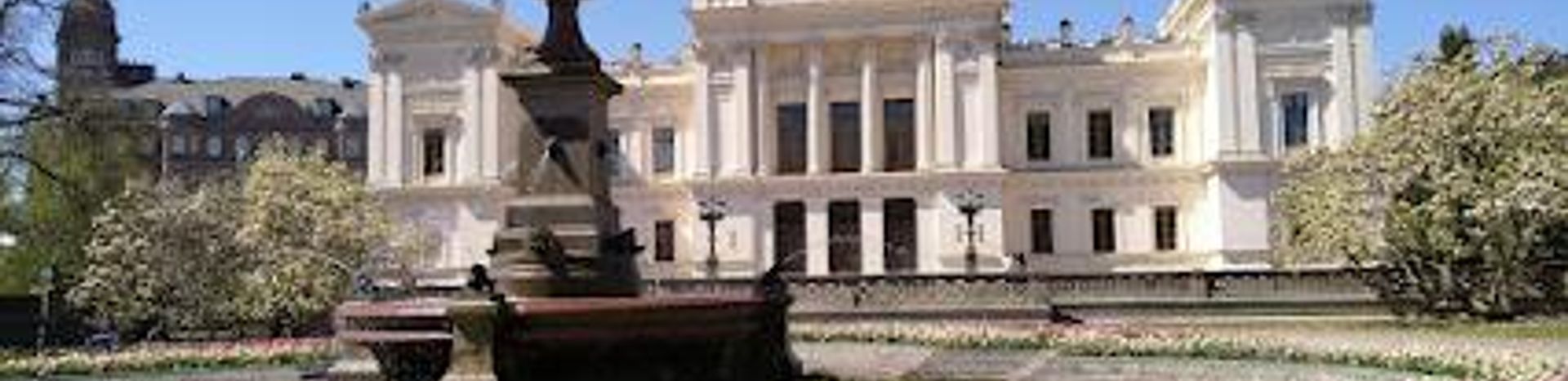
- Visit Lundagård park in the city center to experience the historic heart of the university, surrounded by iconic buildings including Kungshuset and the Historical Museum. The park is freely accessible and offers a peaceful setting to appreciate centuries of academic tradition.
- Explore the university's distributed campus by bicycle or on foot—Lund is highly walkable and bike-friendly. Most departments are within 15 minutes of the city center, and cycling is the preferred local transport method.
- Check the university's virtual campus tour at youvisit.com to preview the main Lund campus, Malmö, and Helsingborg locations before visiting in person.
- Time your visit to coincide with student events and activities—Lund's vibrant student culture generates year-round programming including traditional ceremonies, academic lectures, and social gatherings that showcase the university's unique character.
- Use the excellent regional rail connections to visit Malmö (15 minutes) or Copenhagen (50 minutes from Lund via Malmö). The Öresund Bridge crossing requires valid passport or identity documentation.
Do you manage this location?
Take control to get all the benefits, like improved information, better appearance, and stronger visibility across AI-powered discovery. Learn more
Activate your presenceOther nearby places you may find interesting
Getting There
-
Train from Copenhagen Airport
From Copenhagen Airport (Kastrup), take a direct train toward Malmö or Lund. The journey takes approximately 35 minutes and crosses the Öresund Bridge connecting Denmark and Sweden. Passport control may occur at Hyllie, the first stop on the Swedish side. Carry valid passport or identity documentation. Trains operate regularly throughout the day. Cost approximately 150–250 SEK (Swedish kronor) for a single ticket.
-
Train from Malmö Central Station
From Malmö Central Station, take either Pågatåg (local trains with more stops) or Öresundståg (faster service with fewer stops) toward Lund. Journey time is 10–15 minutes. Both services operate frequently with timetables available on the Skånetrafiken website or app. Cost approximately 50–80 SEK per journey.
-
Train from Stockholm or Gothenburg
From Stockholm, take the X2000 express train (approximately 4–5 hours) or Intercity trains (6–7 hours) to Lund. From Gothenburg, approximately 250 kilometers north, regular trains reach Lund in about 3 hours. Lund lies on the main railway line connecting Malmö to Berlin, Oslo, Stockholm, and Gothenburg. Book tickets through train operator websites.
-
Bus/Coach services
Direct bus and coach services connect Lund and Malmö to several European cities including Hamburg, Copenhagen, Gothenburg, and Oslo. Journey times vary by origin; services from Copenhagen typically take 1–2 hours. Timetables and booking available through major coach operators. Costs generally range from 100–400 SEK depending on origin and service type.
For the on-the-go comforts that matter to you
-
 Restrooms
-
 Drink Options
-
 Food Options
-
 Seating Areas
-
 Information Boards
-
 Visitor Center
Discover more about Lund University
A Millennium of Academic Excellence
Lund University stands as one of Northern Europe's oldest universities, officially founded in 1666 on the site of the medieval studium generale adjacent to Lund Cathedral. For nearly 360 years, it has evolved from a regional theological institution into a global research powerhouse, now ranking among the world's top 100 universities. The institution's longevity is woven into the fabric of Lund itself, a charming medieval city of approximately 130,000 residents that has become synonymous with Swedish academic tradition and student culture.The university's physical presence dominates the city landscape, with over 100 buildings scattered across more than one square kilometer. The historic heart remains Lundagård, a public park that emerged in the early 19th century when the high walls separating the university from the surrounding city were demolished. This transformation symbolized the institution's evolution from an isolated academic enclave to an integral part of urban life. Today, Lundagård is flanked by iconic structures including Kungshuset (the main building), the Historical Museum, and the headquarters of the Academic Society, creating a living monument to centuries of scholarship.Distributed Campuses Across Skåne
While Lund remains the primary hub, the university operates a multi-campus system throughout the Skåne region of southern Sweden. The main Lund campus stretches northeastward from Lundagård toward the university hospital complex, encompassing faculties of engineering, sciences, humanities, theology, and social sciences. Campus Helsingborg, located approximately 50 kilometers northwest in a city of 150,000, opened in 2000 and hosts nearly 4,000 students in strategic communication, service management, social work, fashion studies, law, and engineering programs. The Malmö campus, situated in Sweden's third-largest city, houses the Faculty of Fine and Performing Arts' three academies—Malmö Art Academy, Malmö Academy of Music, and Malmö Theatre Academy—alongside significant medical research facilities. Additionally, the School of Aviation operates from an airfield near Ljungbyhed, approximately 40 kilometers away, providing specialized aviation training.World-Class Research and Innovation Infrastructure
Lund University has established itself as a global leader in cutting-edge research across multiple disciplines. The institution hosts two of the world's foremost research facilities: MAX IV, a synchrotron radiation facility inaugurated in 2016 that enables advanced materials research, and the European Spallation Source, which will feature the world's most powerful neutron source. The university operates 20 Linnaeus Centres and hosts 12 government strategic research areas, achieving world-leading status in diabetes research, nanoscience, embedded systems, ultrafast laser science, climate and sustainability studies, neurosciences, linguistics, and soft-matter research. The newly established Medicon Village integrates research, innovation, and enterprise to advance life sciences and health outcomes. This research ecosystem supports approximately 280 educational programmes and 2,200 individual courses, with over 100 Master's programmes and 500 courses taught in English.A Vibrant International Community
With approximately 46,000 students and 8,600 employees, Lund University attracts more international students than any other Swedish university, with representation from over 130 countries. The institution maintains formal student exchange agreements with approximately 680 universities worldwide, facilitating approximately 1,900 incoming exchange students and 1,100 outgoing Lund students annually. The university's nine faculties—Engineering, Social Sciences, Economics and Management, Humanities, Theology, Medicine, Law, Science, and Fine and Performing Arts—create a diverse intellectual environment. Lund is widely regarded as Sweden's premier student city, celebrated for its unique combination of traditional student organizations, academic societies, and student unions that generate year-round events and activities. The city's compact, bicycle-friendly layout and vibrant nightlife make it an ideal setting for academic and social engagement.Strategic Location in Greater Scandinavia
Lund's position in southern Sweden offers exceptional connectivity to broader Scandinavia and Europe. The city lies just 15 minutes by train from Malmö, Sweden's third-largest city, and approximately 50 kilometers from Copenhagen, Denmark's capital. Copenhagen Airport, the closest international gateway, is accessible via a 35-minute train journey across the Öresund Bridge, which connects Denmark and Sweden. This geographic advantage positions Lund as a hub for travel throughout Sweden and continental Europe, while the region's multicultural character—particularly in nearby Malmö—enriches the university experience. The main campus buildings are centrally located, within a 5- to 10-minute walk from Lund's railway station, ensuring easy access to regional and international transportation networks.Health Sciences and Medical Innovation
Education and research in health sciences operate through close collaboration with Skåne University Hospital, one of Sweden's leading medical institutions with facilities in both Lund and Malmö. The newly inaugurated Forum Medicum, completed in autumn 2023, consolidates health sciences and biomedicine education and research under one roof adjacent to Skåne University Hospital in Lund, accommodating approximately 4,000 students and staff. This facility integrates with the faculty's existing infrastructure from the 1950s and 1990s, creating a seamless environment for pioneering healthcare education and world-class medical research. The university also operates the Clinical Research Centre in Malmö, featuring specialized laboratories that support advanced biomedical investigation.Explore the best of what Lund University has to offer













More about Zealand
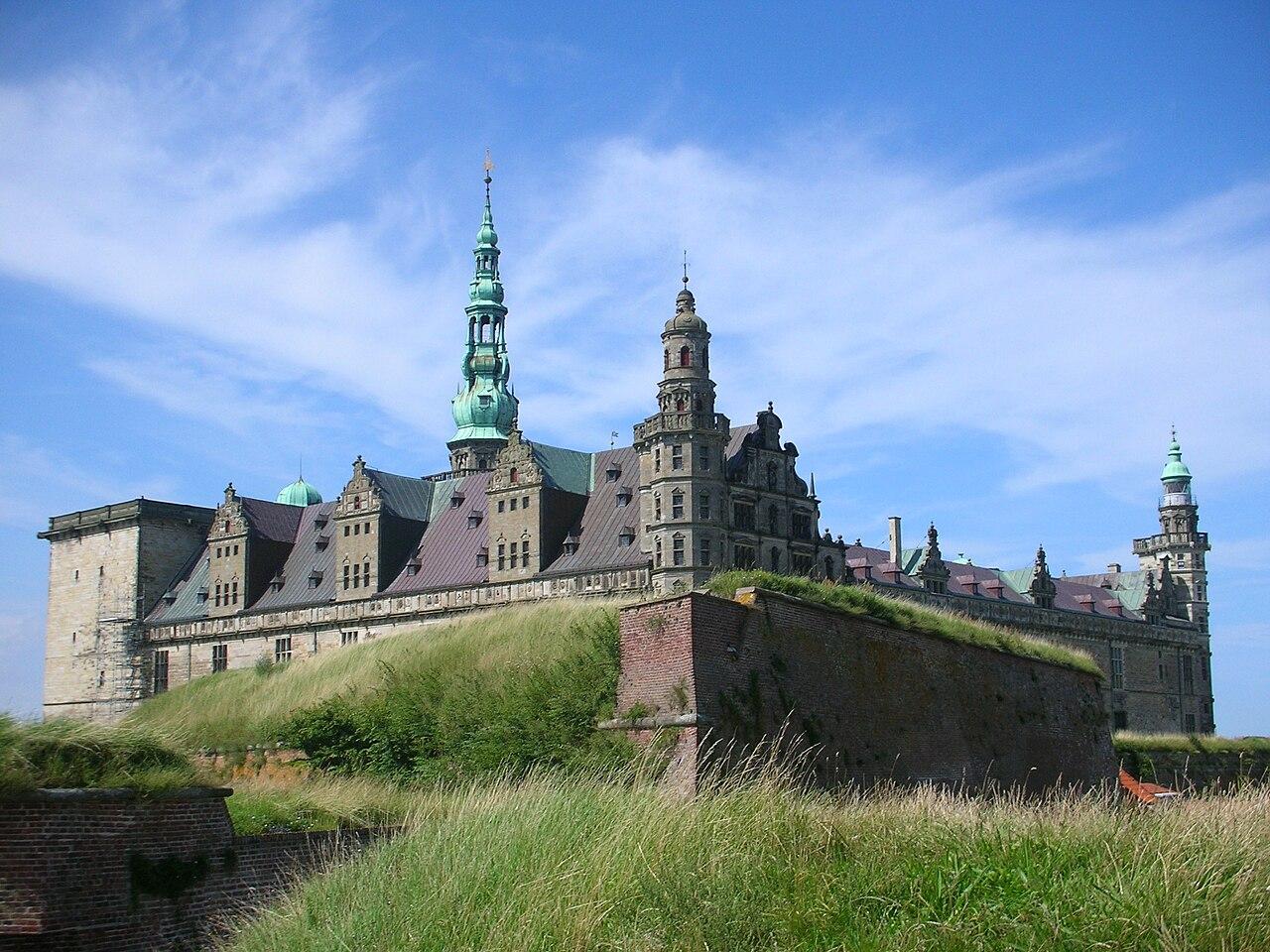
Discover the charm of Zealand, Denmark's largest island, blending vibrant city life in Copenhagen with serene coastal beauty and rich cultural heritage.
Tell me more about Zealand