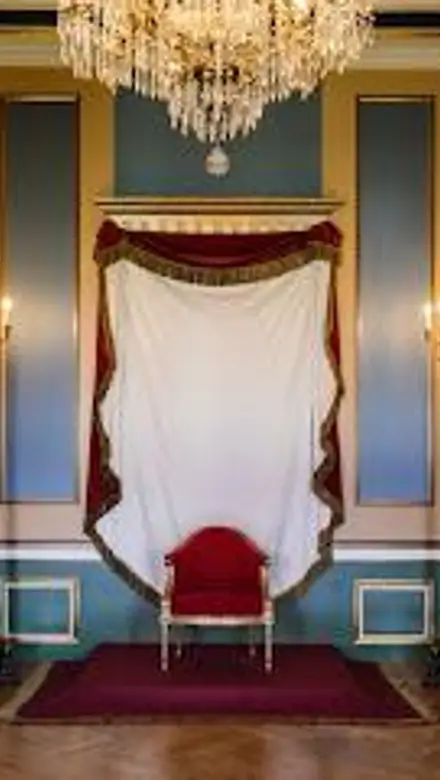
Amalienborg Palace Museum, North Zealand Travel Guide
Step inside Christian VIII’s Palace at Amalienborg for an intimate journey through 150 years of Danish royal life, from private apartments to glittering gala halls.
Set inside Christian VIII’s Palace on Copenhagen’s Amalienborg Square, the Amalienborg Palace Museum offers an intimate look at 150 years of Danish royal life. Step through Rococo halls and preserved private rooms of kings and queens, from Christian IX and Queen Louise to the present monarchy. Period interiors, gala spaces and rotating exhibitions trace how Denmark’s royal family has lived, worked and celebrated at Amalienborg, right at the heart of the country’s constitutional monarchy.
A brief summary to Amalienborg Palace Museum
- Christian VIII's Palæ, Amalienborg Slotsplads 5, Copenhagen, Indre By, 1257, DK
- Click to display
- Click to display
- Duration: 1 to 2.5 hours
- Mid ranged
-
 Indoor
- Mobile reception: 5 out of 5
- Tuesday 10 am-3 pm
- Wednesday 10 am-3 pm
- Thursday 10 am-3 pm
- Friday 10 am-3 pm
- Saturday 10 am-4 pm
- Sunday 10 am-4 pm

Know before you go
Hi, I'm Eve. Here are a few practical things to know before exploring Amalienborg Palace Museum.
- Time your visit to arrive at Amalienborg Square before noon so you can watch the Royal Life Guard’s changing of the guard before entering the museum.
- Allow extra time on busy days to explore both the preserved royal apartments and any temporary exhibitions, which can add depth to the main displays.
- Bring a light layer: stone interiors can feel cool even in summer, and you may spend longer than expected in the detailed exhibition rooms.
- Look out of the palace windows for classic views of the equestrian statue of Frederik V and the Marble Church aligned across the square.
Do you manage this location?
Take control to get all the benefits, like improved information, better appearance, and stronger visibility across AI-powered discovery. Learn more about listing your business on Evendo
Activate your presenceOther nearby places you may find interesting
The closest places of the same kind, if this one is not quite what you had in mind.

Explore Amalienborg Palace Museum on the Map
A handpicked selection of must-see spots near Amalienborg Palace Museum, mapped for you.
Unlock the Best of Amalienborg Palace Museum
Buy tickets
-
No tickets available
Book tours with entry


Getting There
-
Metro and short walk from central Copenhagen
From central Copenhagen, take the M3 or M4 metro to Marmorkirken Station; trains run every few minutes and the ride from the main central area takes about 5–10 minutes. A standard single ticket within the city zones typically costs around 20–30 DKK. From the station, an easy 5–10 minute walk on level pavements leads you through the Frederiksstaden district to Amalienborg Square and Christian VIII’s Palace, suitable for most visitors and wheelchair users.
-
City bus from central districts
Several city bus routes connect central Copenhagen with the Amalienborg area in roughly 10–20 minutes, depending on traffic. Expect to pay about 20–30 DKK for a single ticket purchased via machines or transport apps. Buses usually stop within a few minutes’ walk of the palace on relatively flat streets, and they run frequently during the day but less often late in the evening and on weekends.
-
Bicycle from inner-city neighborhoods
Copenhagen’s extensive cycle paths make it straightforward to reach Amalienborg by bike in about 10–20 minutes from most inner-city neighborhoods. You can use personal bikes or city bike rentals, which often charge either a small unlock fee plus a per-minute rate or a fixed hourly price; plan on roughly 25–75 DKK for casual use. The route is mostly flat, but be prepared for busy cycle traffic at peak commuting times and limited bike parking close to the square during midday.
-
Taxi or rideshare within the city
A taxi ride from central Copenhagen to Amalienborg typically takes 10–20 minutes, longer in rush hour. Fares generally start with a base charge and increase per kilometre and minute; for this distance, a realistic total is around 120–220 DKK depending on traffic and time of day. Drop-off is usually possible near the palace square, but vehicles cannot enter pedestrian-only areas, so expect a short walk on cobbles from the closest point.
For the on-the-go comforts that matter to you
-
 Restrooms
-
 Drink Options
-
 Food Options
-
 Seating Areas
-
 Trash Bins
-
 Information Boards
Discover more about Amalienborg Palace Museum
Royal life behind the facades of Amalienborg
Christian VIII’s Palace forms one quarter of Amalienborg, the Rococo ensemble that has housed Denmark’s royal family since the late 18th century. From the cobbled square outside, its cream façade appears identical to the three neighbouring palaces, but inside lies the Amalienborg Palace Museum, a richly detailed journey into the country’s modern monarchy. Here the royal family’s Copenhagen residence opens a rare window onto the domestic side of kings and queens, away from balcony appearances and state ceremonies.Once a private residence for nobles and later King Christian VIII, the palace was gradually reshaped to accommodate royal apartments, reception rooms and today’s museum spaces. Walking its corridors, you move through the same layout that has anchored royal life at Amalienborg for generations, with views across the octagonal square to the equestrian statue of Frederik V and the soaring dome of the Marble Church.Historic apartments and preserved interiors
The core of the museum is a suite of preserved royal rooms, many arranged much as their occupants left them. Studies, salons and bedchambers evoke Christian IX and Queen Louise, often called the “in-laws of Europe” for the dynastic marriages that linked Denmark to other European thrones. Each room reflects the fashions of its era, from Victorian textiles and dark woods to lighter 20th-century pieces, making the palace a timeline of shifting tastes.Personal objects, uniforms and everyday furnishings help to humanise the royal figures whose portraits line the walls. You can stand in King Frederik IX’s study, where nautical memorabilia hints at his naval career, or step into drawing rooms that have hosted family gatherings, council meetings and quiet conversations about national affairs.Gala halls, treasures and special exhibitions
Beyond the private rooms, the museum opens onto grander spaces still used for official occasions. The Gala Hall, with its polished floors, chandeliers and mirrors, provides a backdrop for state events, receptions and royal celebrations when the palace is in ceremonial use. Its scale contrasts strikingly with the intimate side rooms, underscoring how Amalienborg serves both as home and institution.Displays throughout the palace showcase decorative arts and gifts associated with the monarchy, from glittering tableware to intricate objects in the Fabergé tradition. Temporary exhibitions explore specific themes such as royal jubilees, constitutional milestones or the everyday routines that underpin a modern royal household, connecting historic rituals with contemporary duties.Architecture at the heart of Frederiksstaden
Christian VIII’s Palace occupies a prime position in the Frederiksstaden district, the 18th-century urban plan laid out to honour King Frederik V. Architect Nicolai Eigtved designed the four Amalienborg palaces as part of a symmetrical composition centred on the octagonal square, later enhanced by a colonnade linking two of the buildings. Inside, the museum preserves Rococo features while revealing later layers, from Empire-style refurbishments to subsequent restorations.Tall windows frame views of the square and the ceremonial life that still unfolds there, including the daily changing of the Royal Life Guard. From within the museum, it is easy to sense how architecture, urban planning and monarchical symbolism all intersect at Amalienborg, with Christian VIII’s Palace serving as both backdrop and stage.A contemporary window on the Danish monarchy
Alongside its historical displays, the museum also looks toward the present, explaining how the Danish monarchy operates in a modern constitutional state. Exhibits explore official duties, patronages, and the balance between public role and private family life, often drawing links between past and present occupants of the palaces.Multilingual information helps contextualise portraits, uniforms and ceremonial objects, while clear narratives guide you through changing ideas of kingship, democracy and national identity. By the time you step back into Amalienborg Square, the palaces around you feel less like distant symbols and more like living homes, shaped by the personalities and decisions of the people who have resided within Christian VIII’s Palace.More to explore near Amalienborg Palace Museum













Your all‑in‑one travel companion app
Explore expert travel guides, compare and book tours, experiences, hotels, and more—all from the palm of your hand. Download now for seamless trip planning wherever your wanderlust takes you.


Explore More of North Zealand
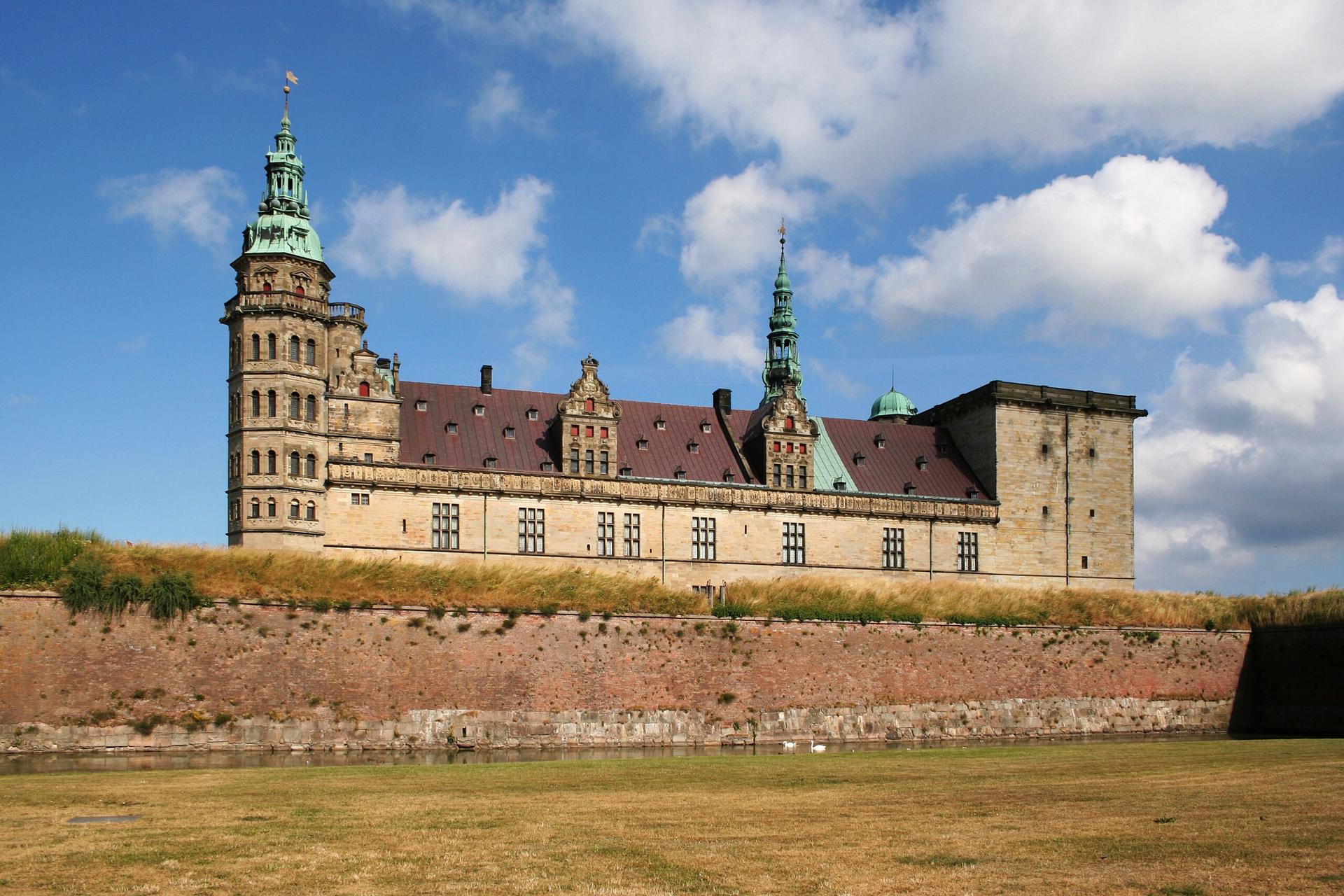
Looking beyond Amalienborg Palace Museum? Discover North Zealand for broader travel guides, local hot-spots, and regional highlights.
Explore North Zealand