Background

Culture Tower on Knippels Bridge (Kulturtårnet på Knippelsbro)

4.5 (253)

An 80-year-old copper bridge tower turned miniature culture house, crowning Knippelsbro with harbour views, functionalist history, and lingering architectural character.

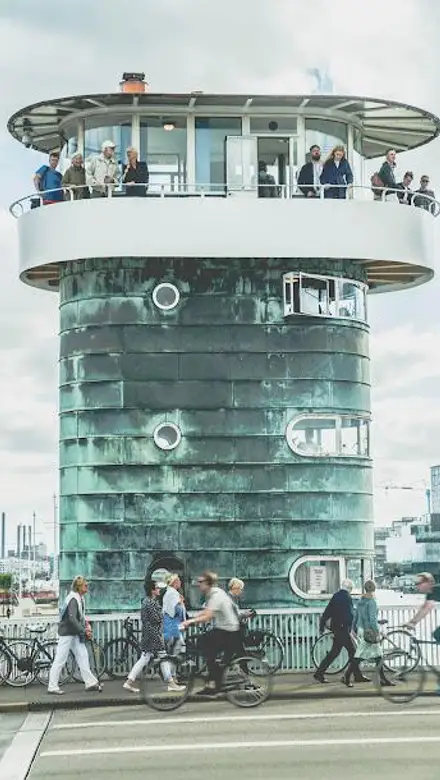
Perched on the Christianshavn side of Copenhagen’s historic Knippelsbro, the Culture Tower transformed an 80-year-old copper bridge tower into an intimate cultural space in the harbour. Within its narrow teal silhouette, visitors discovered tiny dining rooms, contemporary art, talks, and tasting menus framed by 360-degree views of the inner harbour and city skyline. Though now permanently closed as a venue, the tower remains a distinctive landmark and a striking example of how industrial infrastructure can be reimagined as cultural heritage.

A brief summary to Culture Tower on Knippels Bridge

Local tips

  • Use the tower as a viewpoint marker when exploring the harbourfront; from the bridge deck you still get excellent perspectives of the skyline and harbour activity.
  • Bring a camera or phone with a good wide-angle lens; the combination of teal copper, passing cyclists, and boats below makes for striking composition opportunities.
  • If you are interested in architecture, combine a stop here with a walk along Christianshavn’s canals to see how historic infrastructure and former industrial buildings have been reused.
widget icon

Do you manage this location?

Take control to get all the benefits, like improved information, better appearance, and stronger visibility across AI-powered discovery. Learn more

Activate your presence

Unlock the Best of Culture Tower on Knippels Bridge

Buy tickets

    No tickets available

Book tours with entry

    No tours available

Book tours without entry

    No tours available

Getting There

  • Metro

    From central Copenhagen, take the M1 or M2 metro line to Christianshavn Station, then walk about 10–15 minutes to Knippelsbro. Metro trains run every few minutes throughout the day, and a single-zone ticket typically costs around 20–25 DKK. Elevators and level boarding make this the most convenient option for travellers with luggage, strollers, or limited mobility, though the final approach includes standard city pavements and bridge gradients.

  • City bus

    Several city bus routes run along the harbour axis and stop near Knippelsbro, with travel times from the inner city usually in the 10–20 minute range depending on traffic. Expect to pay roughly 20–25 DKK for a single ticket, valid across buses, metro, and harbour buses within the central zones. Buses are frequent during the day, less so late at night, and can be crowded in rush hour as many commuters use the bridge.

  • Bicycle

    Copenhagen’s extensive cycle network makes reaching Knippelsbro by bike straightforward from most central districts in 5–20 minutes. Many hotels and bike shops rent city bikes from around 100–150 DKK per day. Be prepared for heavy bicycle traffic on the bridge, especially during morning and late-afternoon peaks, and follow local cycling etiquette when merging into the narrow cycle lanes.

  • Harbour bus (boat)

    The public harbour buses connect various piers along Copenhagen’s inner harbour and offer a scenic way to approach the area in roughly 15–30 minutes from other central stops. Tickets cost similar to regular public transport, around 20–25 DKK for a standard journey within the central zones. Services are less frequent than metro or buses and can be affected by weather and harbour traffic, so check current timetables before planning an evening return.

For the on-the-go comforts that matter to you

  • Seating Areas
  • Information Boards
  • Trash Bins

Culture Tower on Knippels Bridge location weather suitability

  • Weather icon Clear Skies
  • Weather icon Mild Temperatures
  • Weather icon Any Weather
  • Weather icon Cold Weather

Discover more about Culture Tower on Knippels Bridge

A copper bridge tower reborn as a cultural hideaway

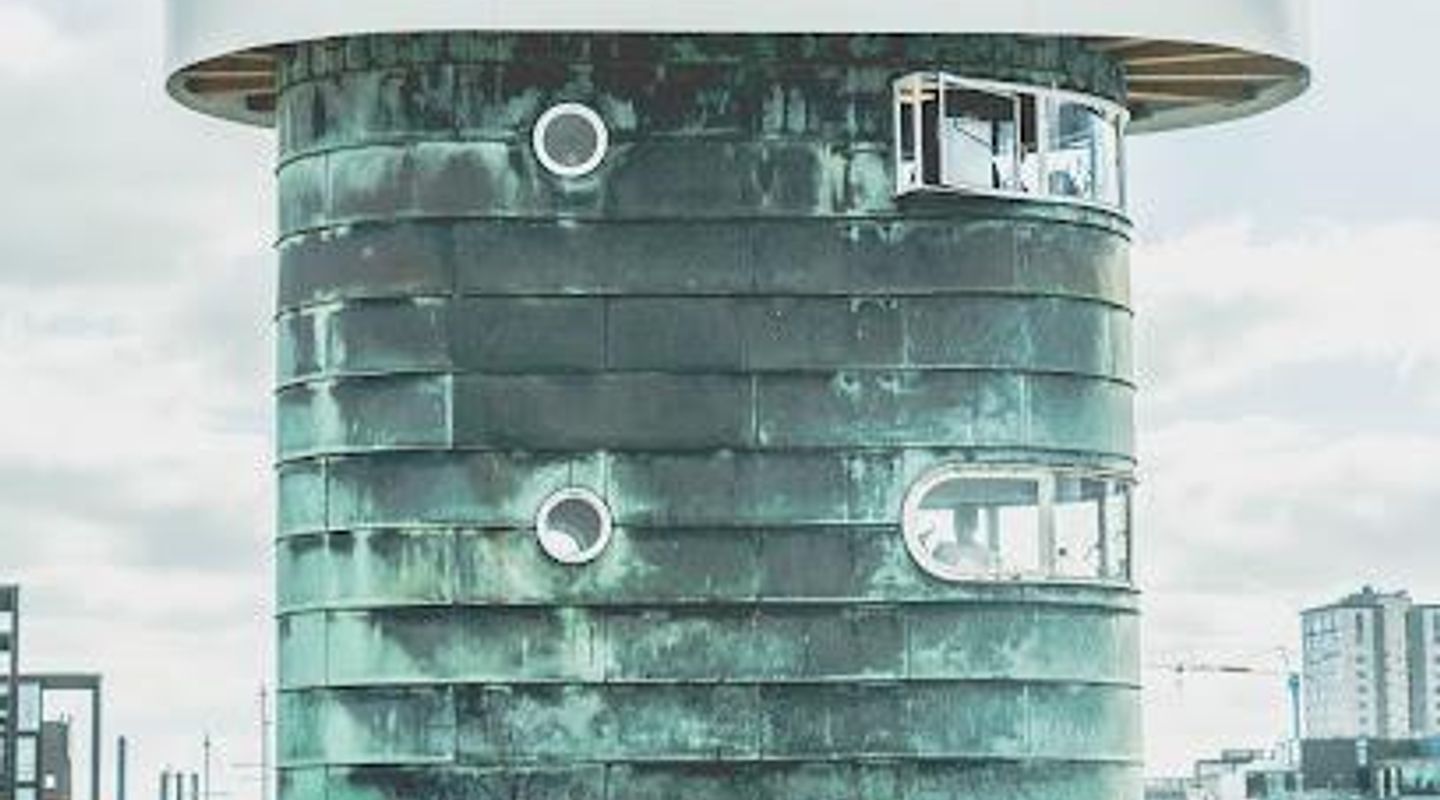
The Culture Tower occupies one of Knippelsbro’s iconic verdigris towers, originally built in 1937 as part of the bascule bridge connecting central Copenhagen with Christianshavn. For decades, this five-storey tower housed boiler rooms, machinery, and a guard’s lookout where bridge officers operated the drawbridge high above the harbour. When remote control systems took over the daily work, the tower fell largely silent, a sealed-off relic of the city’s engineering age. In 2017, after a careful renovation timed with the bridge’s 80th anniversary, the southern tower reopened as Kulturtårnet, or the Culture Tower. The conversion preserved the compact iron framework and copper cladding while inserting a minimal, warm interior that turned the former workspaces into intimate rooms for art, gastronomy, and conversation. Its teal silhouette, already familiar from the Danish 200-kroner banknote, gained a new role as Copenhagen’s smallest cultural institution.

Inside Copenhagen’s smallest cultural institution

Stepping through the tower door, visitors entered a steep, lit staircase spiralling through the narrow vertical shaft. Each landing revealed a different level: tiny dining rooms, cosy nooks for talks and listening sessions, and finally an outdoor deck perched above the harbour traffic. The close proportions and creaking structure reminded you that this was once a working machine, not a conventional gallery or café. Programming leaned into that intimacy. Small-scale concerts, experimental radio projects, literary evenings, and chef-led dinners unfolded for just a handful of guests at a time. The tower’s former control room became a stage for stories about the harbour, architecture, and contemporary city life, while the rhythmic opening of the bascule bridge outside underscored its ongoing function as infrastructure.

Harbour panoramas from a working bridge

From the upper levels, the tower offered some of the most characterful views in Copenhagen. To one side stretched the inner harbour, criss-crossed by ferries, kayaks, and cargo vessels waiting for the bridge to lift. To the other rose the spires of the old city, the brick gables of Christianshavn, and the geometric profiles of newer waterfront developments. Unlike higher, more distant viewpoints, the Culture Tower sat almost at eye level with the city’s daily movements. Cyclists streamed across Knippelsbro just metres away, while the metallic groan of the bridge machinery occasionally signalled an opening for passing ships. At dusk, the copper surfaces picked up the changing colours of the sky, creating a subtle contrast with the teal tower that has made it a favourite subject for photographers and architecture enthusiasts.

Architecture, memory, and adaptive reuse

Architecturally, the tower is a compact expression of 1930s functionalism: an iron core, timber lining, and copper cladding shaped purely by the needs of bridge operation. The renovation respected this logic, keeping interventions light and reversible. Simple furnishings, soft lighting, and exposed details allowed the original rivets, staircases, and porthole-like windows to remain the stars of the space. The project also highlighted a broader Copenhagen story: the reuse of maritime and industrial structures as cultural venues. In giving an obsolete control tower a second life, Kulturtårnet demonstrated how heritage infrastructure can host new forms of city life without losing its integrity. Even now that regular programming has ceased, the tower stands as a visible reminder of that experiment in adaptive reuse.

A closed venue that still shapes the cityscape

Today the Culture Tower is no longer operating as a café or event hub, and the door that once welcomed guests is usually closed. Yet the tower’s presence on Knippelsbro remains unmistakable. Commuters crossing between the historic centre and Christianshavn still pass beneath its gaze, and ships still move through the bridge span it once helped to control. For visitors, the tower has become a point of orientation as much as a destination: a vertical marker on the harbour axis, a recurring motif in photographs, and a small but memorable figure etched into the story of Copenhagen’s waterfront. Even without stepping inside, standing near its base offers a tangible sense of how engineering, culture, and the everyday flow of the city intersect on this busy bridge.

Busiest months of the year

Busiest hours of the day

Mobile App

Your all‑in‑one travel companion app

Explore expert travel guides, compare and book tours, experiences, hotels, and more—all from the palm of your hand. Download now for seamless trip planning wherever your wanderlust takes you.


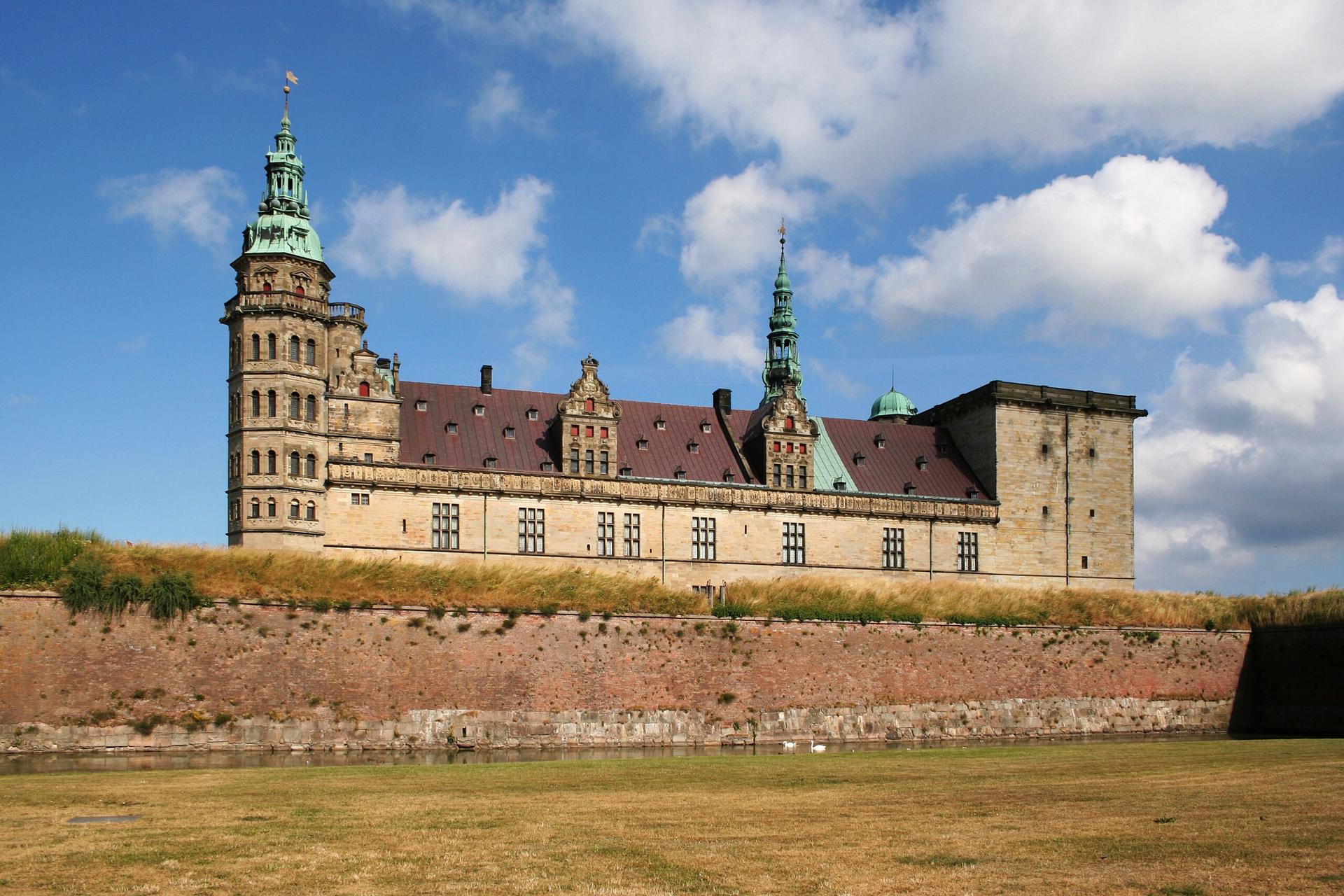
More about Helsingor

File:Helsingoer Kronborg Castle.jpg - Wikimedia Commons

Discover Helsingør, Denmark's historic coastal city, home to Kronborg Castle and a vibrant cultural scene, offering a blend of history, scenic beauty, and local charm.

Tell me more about Helsingor

Select Currency