

Slotsholmen, North Zealand Travel Guide
A compact canal island where medieval fortresses, royal palaces and modern democracy meet at the very heart of Copenhagen’s harbour.
Slotsholmen is a compact, canal-encircled island in central Copenhagen that has served as Denmark’s political heart for more than 800 years. Here, on Castle Island, Bishop Absalon founded Copenhagen’s first fortress in 1167, laying the groundwork for the future capital. Today the island is dominated by Christiansborg Palace, home to the Danish Parliament, Supreme Court and Prime Minister’s offices, alongside the Royal Library, Thorvaldsens Museum, the old Stock Exchange and several historic ministries. Grand façades, courtyards and waterfront promenades make Slotsholmen an essential stop for history, architecture and city views.
A brief summary to Slotsholmen
- Copenhagen Municipality, Indre By, DK
- Duration: 1.5 to 4 hours
- Free
-
 Outdoor
- Mobile reception: 5 out of 5

Know before you go
Hi, I'm Eve. Here are a few practical things to know before exploring Slotsholmen.
- Time your visit to Christiansborg Tower for early morning or late afternoon for shorter queues and softer light over the city’s skyline.
- Combine the palace ruins, royal reception rooms and Royal Stables on a single ticket to get a fuller picture of Slotsholmen’s layered history.
- Walk a full loop along the Slotsholmen Canal quays to discover quieter viewpoints of façades, bridges and sightseeing boats away from the main entrances.
- Check opening hours of the Royal Library and Thorvaldsens Museum in advance, as hours can vary between weekdays, weekends and seasons.
- Wear shoes suitable for cobblestones, especially if you plan to explore the palace courtyards and older sections of the island on foot.
Do you manage this location?
Take control to get all the benefits, like improved information, better appearance, and stronger visibility across AI-powered discovery. Learn more about listing your business on Evendo
Activate your presenceOther nearby places you may find interesting
The closest places of the same kind, if this one is not quite what you had in mind.
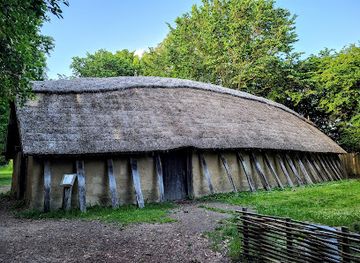
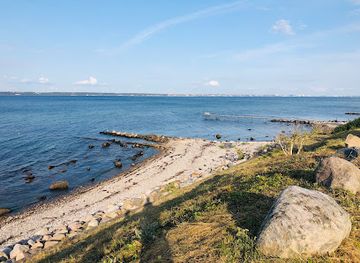
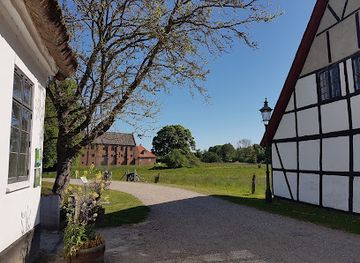
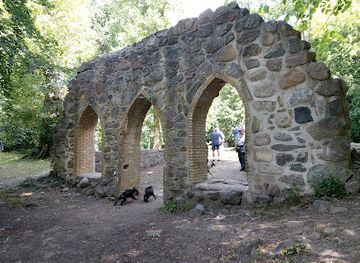
Explore Slotsholmen on the Map
A handpicked selection of must-see spots near Slotsholmen, mapped for you.
Unlock the Best of Slotsholmen
Buy tickets
-
No tickets available
Book tours with entry


Getting There
-
Metro
From central Copenhagen, the easiest way to reach Slotsholmen is by metro to Gammel Strand or Kongens Nytorv on the M1 or M2 lines, or to Rådhuspladsen on the Cityring M3. Trains run every few minutes throughout the day, and a single zone 2 ticket typically costs the same as other inner-city journeys in Copenhagen. From any of these stations, expect a 5–10 minute level walk on city pavements to the bridges leading onto the island, suitable for most visitors with basic mobility.
-
Bus
Several city bus routes stop close to Slotsholmen, especially along Stormgade, Holmens Kanal and near the City Hall area. Travel times from inner districts such as Vesterbro, Nørrebro or Østerbro are usually 10–20 minutes depending on traffic. Standard city bus tickets and travel cards apply, matching regular Copenhagen inner-zone fares. Buses can be a good option in bad weather, though peak hours may be crowded and some stops require crossing busy streets to access the bridges onto the island.
-
Bicycle
Cycling to Slotsholmen fits well with Copenhagen’s extensive bike culture. From most central neighbourhoods, the ride takes 5–15 minutes using segregated cycle lanes that lead toward the city centre. Many hotels offer rental bikes, and short-term city bikes are widely available for a modest hourly fee. Bike parking racks are located near Christiansborg Palace and along the surrounding streets, but during weekday office hours spaces closest to government buildings can fill up quickly.
-
On foot from city centre
If you are already staying in central Copenhagen, Slotsholmen is within comfortable walking distance from areas such as the City Hall Square, Nyhavn and the pedestrian shopping streets. Allow 10–20 minutes depending on your starting point. The route is almost entirely flat, following broad pavements and crossing several bridges, though some sections include cobblestones that may be less comfortable for wheelchairs or prams.
For the on-the-go comforts that matter to you
-
 Restrooms
-
 Drink Options
-
 Drinking Water
-
 Food Options
-
 Seating Areas
-
 Sheltered Areas
-
 Trash Bins
-
 Information Boards
-
 Visitor Center
Discover more about Slotsholmen
Castle Island where Copenhagen began
Slotsholmen, literally “Castle Islet,” sits in the middle of Copenhagen’s harbour, wrapped in a ring of green-brown canals that clearly mark it out from the surrounding streets. Long before the city became a modern capital, this low island of sandbanks and shoals was chosen in 1167 by Bishop Absalon as the place to build a fortified castle, protecting trade on the Øresund and anchoring a small harbourside settlement that grew into Copenhagen. Over the centuries the original stronghold was attacked, demolished, rebuilt and expanded, but the idea of Slotsholmen as the country’s centre of power never shifted.Walking onto the island today, it is hard to imagine those early timber palisades and stone keeps. Yet beneath your feet in the ruins under Christiansborg Palace lie the foundations of Absalon’s fortress and later Copenhagen Castle, a subterranean timeline of walls and vaulted cellars that show how the island’s role evolved from frontier outpost to royal residence. Above ground, the stone bridges that now connect Slotsholmen to the rest of the city emphasize how this small island has always been both apart from, and central to, Copenhagen’s story.Christiansborg Palace and the machinery of state
The dominant presence on Slotsholmen is Christiansborg Palace, the latest in a series of grand palaces that have risen and fallen on this same footprint. Fire repeatedly destroyed earlier buildings, and what you see now is largely an early 20th‑century palace, designed to house the institutions of a constitutional monarchy rather than a single royal household. Inside its granite and copper-clad exterior sit the three pillars of Danish democracy: the Parliament chamber, the Supreme Court and the offices of the Prime Minister, all sharing the same sprawling complex.For visitors, the palace is more than a symbol. State reception rooms lined with tapestries and chandeliers, the Royal Stables with ceremonial horses and carriages, and the excavated ruins beneath the building can all usually be visited on separate tickets or combined passes. High above, the Christiansborg Tower rises as one of the best urban viewpoints in Copenhagen, offering sweeping panoramas over spires, rooftops and the harbour. It is a striking contrast: medieval foundations below, modern politics in the middle, and open sky at the top.Historic institutions beyond the palace walls
Slotsholmen’s importance is not confined to Christiansborg. On the island’s waterfront edge sits the Royal Library complex, where a sober 19th‑century reading room adjoins the striking modern “Black Diamond” addition across the canal. Inside, hushed spaces and rows of books underscore the island’s role as a guardian of Danish knowledge and culture. Elsewhere, the Danish War Museum occupies the former arsenal, its long brick halls recalling the days when ships and cannon dominated national defence.Another prominent landmark is the old Stock Exchange, with its distinctive twisted spire of intertwined dragon tails. Built in the 17th century under King Christian IV, it embodies the era when trade and naval power were shaping Denmark’s fortunes. Nearby, Thorvaldsens Museum, dedicated to the neoclassical sculptor Bertel Thorvaldsen, adds an artistic note with colourful façades and serene courtyards. Government ministries, courts and offices fill many of the remaining buildings, giving the island a working weekday rhythm as civil servants and politicians cross cobbled squares between meetings.Canals, courtyards and everyday life
Despite its dense concentration of institutions, Slotsholmen is surprisingly walkable and human in scale. Narrow pavements follow the course of the Slotsholmen Canal, where sightseeing boats glide past reflecting façades and low stone quays provide close-up views of the water. In fine weather, locals and visitors linger on benches and low steps, watching the play of light on the canal and the slow traffic of bicycles back on the mainland streets.Within the island, courtyards such as the Parliament courtyard and open squares around the palace create pockets of calm away from the harbour breeze. Here you notice details you might otherwise miss: equestrian statues of past monarchs, ornate lampposts, coats of arms carved above gateways. Although security measures are visible around some buildings, Slotsholmen retains an open, civic character, inviting you to wander between culture, government and history without clear boundaries.Exploring Slotsholmen as a visitor
For travellers, Slotsholmen works well as both a dedicated half‑day visit and a backdrop to wider explorations of central Copenhagen. You can spend a focused morning visiting the palace ruins, reception rooms and tower, then cross to the Royal Library or Thorvaldsens Museum in the afternoon. Alternatively, you can simply loop the island on foot, appreciating the changing views of façades and canals, then return another day to explore interiors in more detail.Most of the main attractions on the island charge individual admission fees, while strolling the canals, courtyards and exterior spaces remains free. The area is largely flat and paved, though cobblestones in some courtyards can be slightly uneven. Even without going inside any building, Slotsholmen gives a strong sense of continuity: from Bishop Absalon’s first castle through absolute monarchy, naval expansion and the move to constitutional rule, the island has continuously adapted while keeping its position at the centre of Danish public life.












Your all‑in‑one travel companion app
Explore expert travel guides, compare and book tours, experiences, hotels, and more—all from the palm of your hand. Download now for seamless trip planning wherever your wanderlust takes you.


Explore More of North Zealand
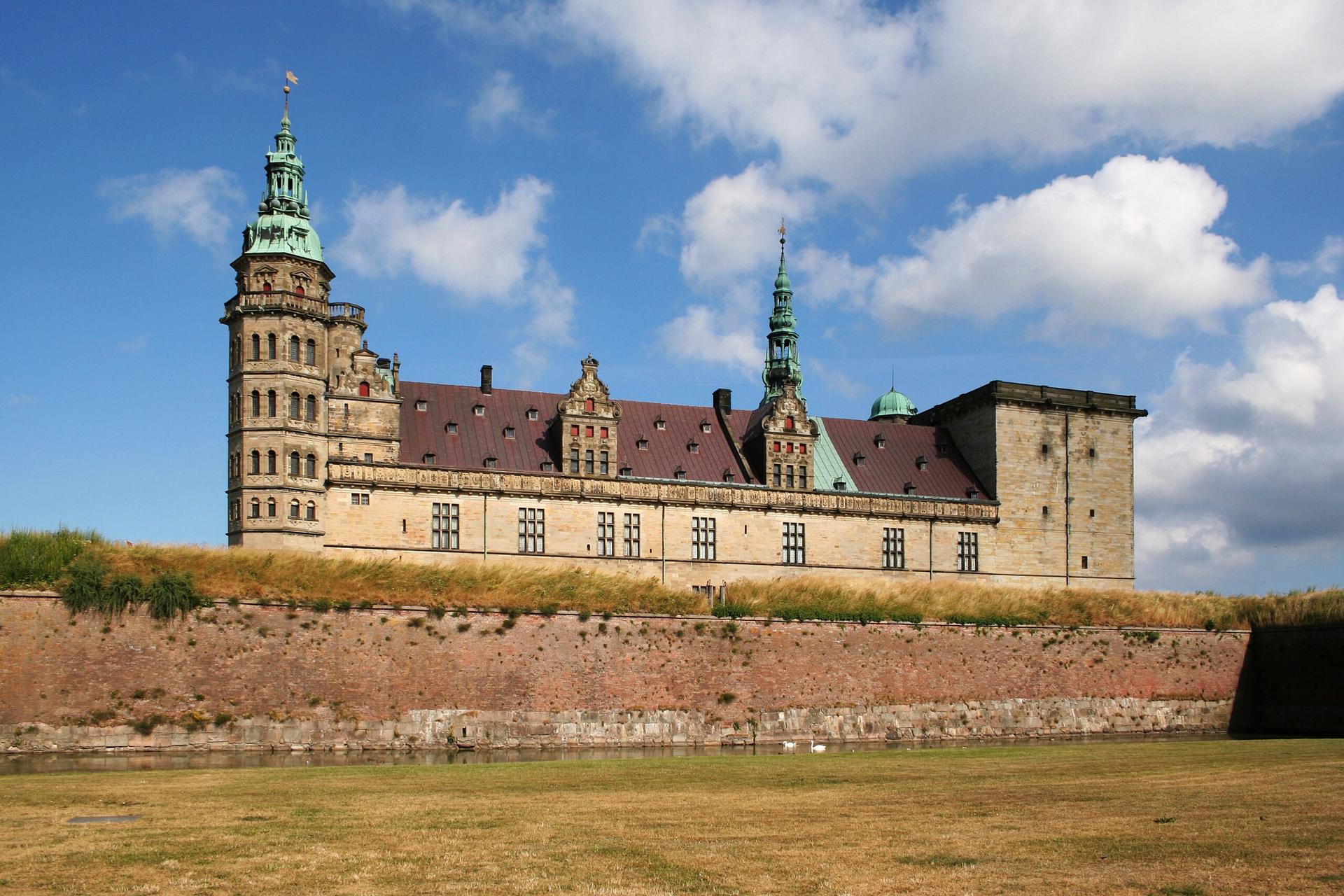
Looking beyond Slotsholmen? Discover North Zealand for broader travel guides, local hot-spots, and regional highlights.
Explore North Zealand