
Helsingør Havne, Helsingor Travel Guide
A lively Danish harbour where working marina, cultural waterfront and castle views meet at the narrowest point of the Øresund.
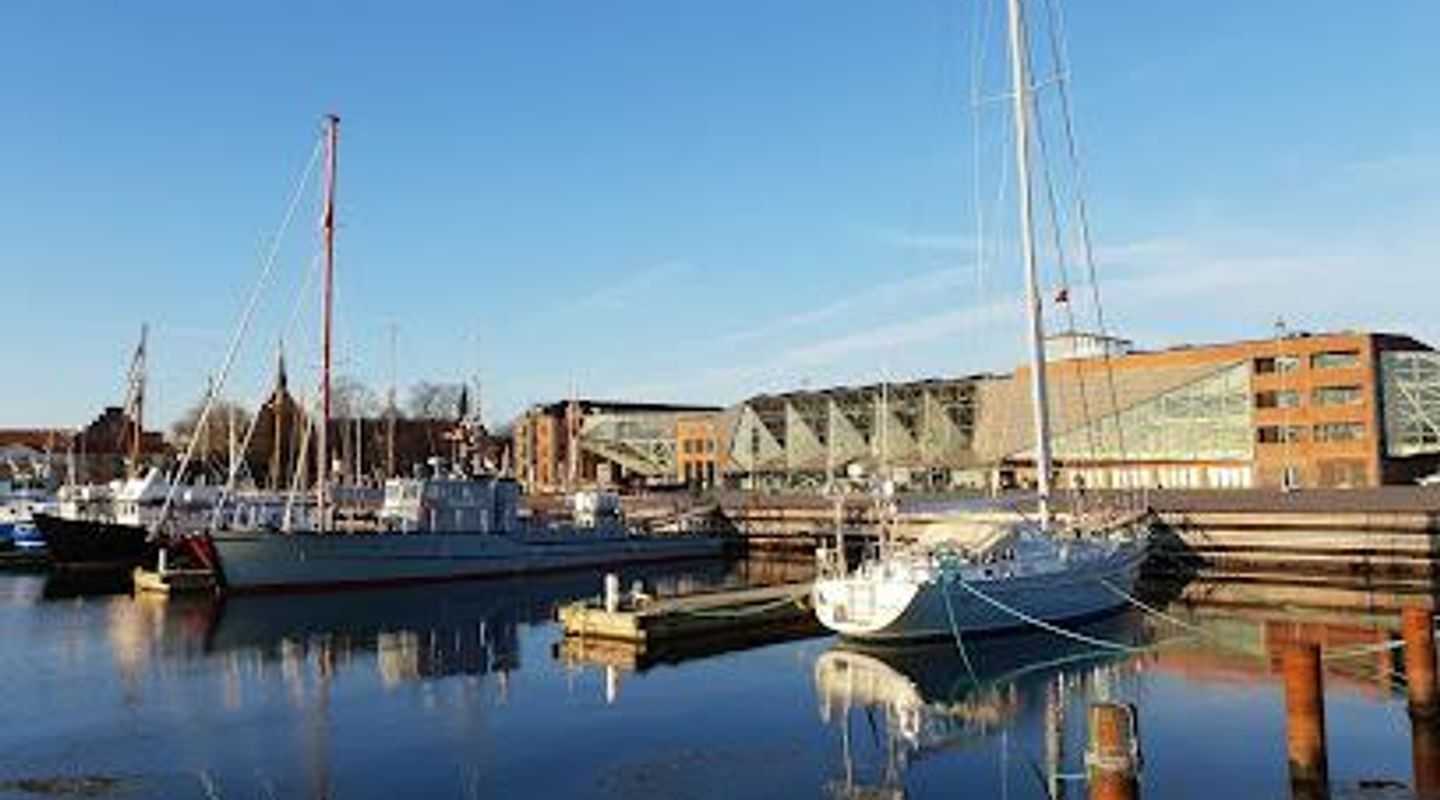
Helsingør Havne brings together a busy marina, working port and cultural waterfront at the narrowest point of the Øresund, facing Sweden. Centered around Helsingør Nordhavn on Nordhavnsvej 13 and the adjacent town harbour, it offers around a thousand berths, ship services, a waterfront promenade, playgrounds and an outdoor “water laboratory” aquarium. With Kronborg Castle, the Maritime Museum and the Øresund Aquarium as neighbours, this is a scenic, maritime hub where everyday harbour life and major attractions meet.
A brief summary to Helsingør Havne
- Nordhavnsvej 13, Helsingør, 3000, DK
- Click to display
- Click to display
- Duration: 1 to 6 hours
- Free
-
 Outdoor
- Mobile reception: 5 out of 5

Know before you go
Hi, I'm Eve. Here are a few practical things to know before exploring Helsingør Havne.
- Bring an extra layer, even in summer; the breeze over the Øresund can feel noticeably cooler out on the quays and piers.
- If you are interested in marine life, time your visit for the water laboratory feeding sessions run in season by Øresund Aquarium guides.
- Combine a harbour stroll with visits to Kronborg Castle and the Maritime Museum next door for a full day of maritime history.
- Families should pack swimwear in warm weather; the beach west of Nordhavn and the swimming pier at Sønder Mole are both very inviting.
- Boaters should familiarise themselves with the digital harbour payment system before arrival, as different piers use different solutions.
Do you manage this location?
Take control to get all the benefits, like improved information, better appearance, and stronger visibility across AI-powered discovery. Learn more about listing your business on Evendo
Activate your presenceOther nearby places you may find interesting
The closest places of the same kind, if this one is not quite what you had in mind.
Explore Helsingør Havne on the Map
A handpicked selection of must-see spots near Helsingør Havne, mapped for you.
Getting There
-
Train + short walk
From Copenhagen’s main station, take a regional train towards Helsingør; services usually run at least twice per hour and the journey takes about 45–50 minutes. Tickets typically cost in the range of 80–110 DKK one way in standard class. Helsingør Station is directly beside the harbour area, so from the platforms it is an easy 5–10 minute level walk through the station concourse to reach both the town harbour and Nordhavn. Trains are step‑free but can be busy in rush hours and on summer weekends.
-
Car from Copenhagen and North Zealand
Driving from central Copenhagen to Helsingør generally takes 40–60 minutes depending on traffic. Expect fuel and potential toll costs of roughly 70–120 DKK each way, depending on your vehicle and route. Once in Helsingør, follow signs towards the harbour and town centre; public car parks are scattered around the waterfront and old town, with a mix of time‑limited free spaces and paid parking in the range of about 10–20 DKK per hour. Spaces closest to Kronborg and the main quays fill quickly on sunny days and during major events.
-
Train from Sweden via Helsingborg ferry
From many towns in southern Sweden, travel by train to Helsingborg and transfer to the frequent passenger and car ferries crossing the Øresund; the crossing itself takes around 20 minutes and combined train–ferry journeys from Malmö usually take 60–90 minutes in total. Ferry tickets for foot passengers are commonly in the range of 60–120 SEK one way, depending on time and ticket type. In Helsingør, the ferry terminal opens directly onto the harbour, so it is only a few minutes’ level walk to the marina, waterfront promenade and cultural harbour. Ferries run throughout the day, but late‑night and very early morning departures are less frequent.
For the on-the-go comforts that matter to you
-
 Restrooms
-
 Drink Options
-
 Drinking Water
-
 Food Options
-
 Seating Areas
-
 Sheltered Areas
-
 Picnic Areas
-
 Trash Bins
-
 Information Boards
-
 Visitor Center
Discover more about Helsingør Havne
Harbour life at the gateway to the Øresund
Helsingør Havne stretches along the town’s waterfront where Denmark lies closest to Sweden, watching over one of the world’s busiest straits. Here ferries, fishing boats, pleasure craft and the occasional cruise ship share the same waters, giving the harbour an energetic, salt‑sprayed character. You are never far from the sound of halyards tapping against masts or the low horn of a ship easing in or out of port.The harbour is made up of two main areas: Helsingør Nordhavn, one of Denmark’s largest marinas with around a thousand berths, and the town harbour that serves as commercial, ferry and cruise port. Together they form the beating maritime heart of Helsingør, open year‑round and constantly shaped by wind, tide and traffic through the Øresund.Nordhavn: marina, workshops and seaside play
At Nordhavn on Nordhavnsvej 13, rows of yachts and motorboats lie packed along long concrete piers, backed by workshops, chandlers and service yards. This is where you see the practical side of seafaring: masts being stepped with the harbour crane, hulls lifted on the slipway, and crews filling diesel tanks and water barrels before the next passage.Despite its working feel, Nordhavn is very welcoming. Facilities include showers, toilets, laundry, fuel, a boatyard, gear shops and places to eat. Children gravitate to the harbour playground and the big summer “bouncing pillow” on Midtermolen, while the nearby Greenhaven Beach tempts with shallow, family‑friendly water and a large beach playground just west of the marina.Waterfront experiences for all ages
One of Nordhavn’s most distinctive features is its outdoor aquarium, the so‑called water laboratory. Long tanks and basins cut into the quayside reveal the fish and shellfish of the Øresund beneath your feet: flatfish buried in sand, crabs scuttling between stones, shoals of small fish flickering in the clear, brackish water.In season, nature guides from the nearby Øresund Aquarium use the tanks for feeding sessions and storytelling about local marine life. It is hands‑on and low‑key: nets, buckets and the chance to hold a crab or peer closely at seaweed forests. Even in bad weather, the Øresund Aquarium itself, right inside the harbour area, provides an intimate indoor look at the same world, making the port a good destination in both sun and rain.A cultural harbour in the shadow of Kronborg
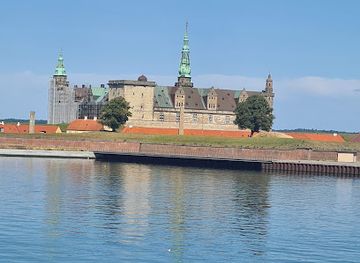
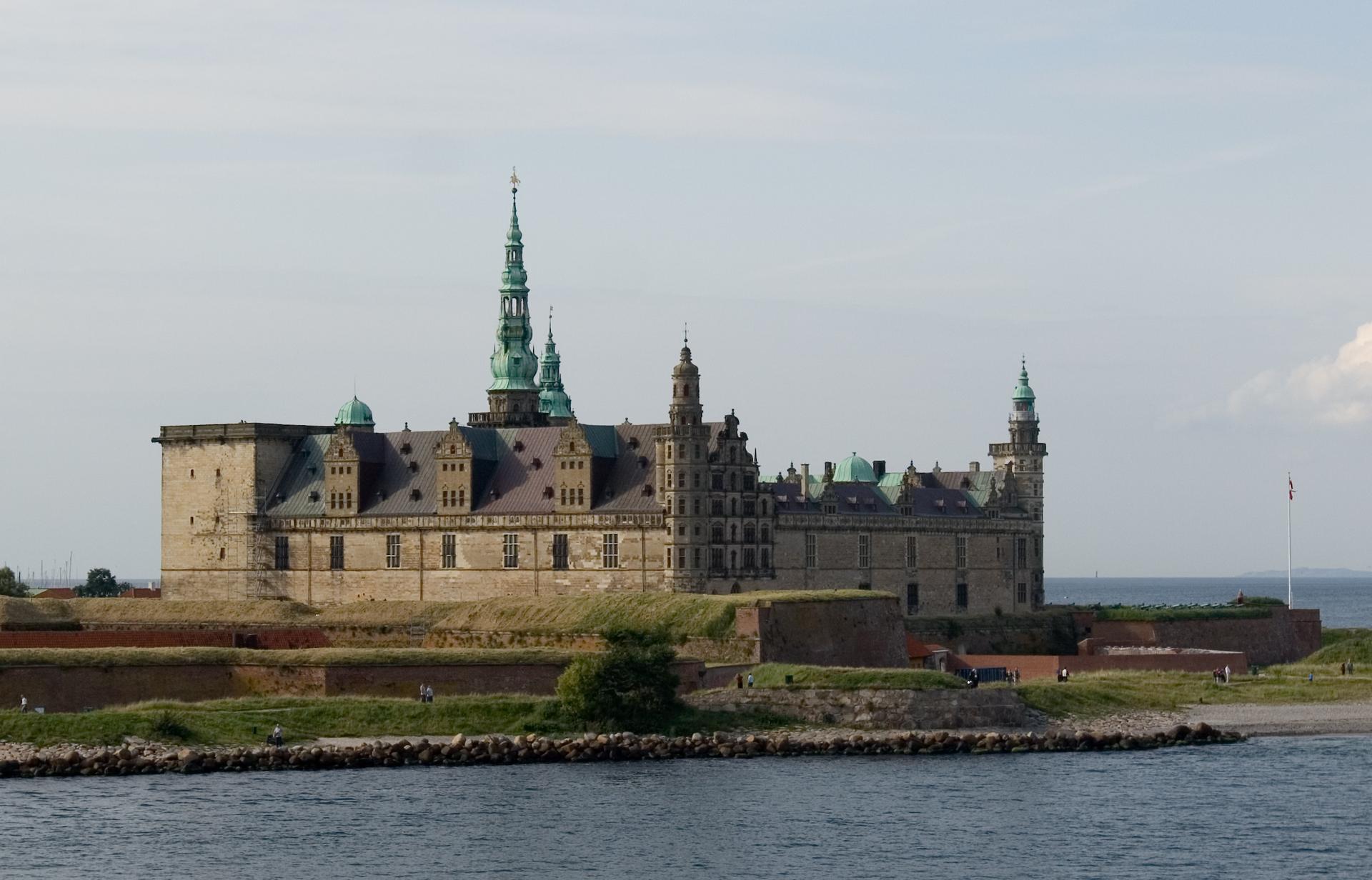
Walk south along the waterfront and the atmosphere shifts from marina to culture harbour. Across the water, the bastions and towers of Kronborg Castle dominate the horizon, its stone walls reflected in the strait. Beside it, the Maritime Museum of Denmark is ingeniously tucked into an old dry dock, its angular concrete ramps and glass contrasting with the fortress above.The harbour front here mixes sculpture, historic shipyard traces and contemporary architecture. Polished steel figures, large-scale artworks on the piers and the striking forms of the Culture Yard complex create a setting where art and maritime heritage intertwine. You can sit on the edge of the quay, watch ferries shuttle to Helsingborg and imagine the centuries when tolls on passing ships enriched the town.Practical comforts by the water’s edge
Despite its layered history and cultural neighbours, Helsingør Havne remains first and foremost a place of everyday use. There are restrooms and showers for boaters, water and electricity on the pontoons, fuel pumps, slipways and a well‑stocked marine equipment store. Simple grills and picnic‑friendly corners invite you to linger outdoors when the weather is kind.Food options in and around the harbour range from casual waterfront meals to snacks between museum visits. Information boards help visiting crews navigate payment systems and facilities, and the harbour office at Midtermolen keeps regular daytime hours, especially in summer. With the historic town centre directly behind the quays, shops, cafés and further services are only a short stroll away.Seasons, weather and the rhythm of the Sound
The harbour’s mood changes markedly with the seasons. In high summer, long northern evenings keep the quays busy well into the night as sailors chat in cockpits and swimmers use the pier at Sønder Mole to dive straight into the clear Øresund without touching sand. In winter, the light is sharper, the wind keener and the colours more subdued, but the constant movement of ferries and freighters keeps the scene alive.A temperate maritime climate means mild summers and relatively cool, often windy winters, so dressing for changeable conditions is wise. Clear days bring sweeping views across to the Swedish city of Helsingborg and dramatic sunsets over Kronborg’s silhouette, while misty weather wraps the fortifications and masts in a softer, more introspective atmosphere.












Your all‑in‑one travel companion app
Explore expert travel guides, compare and book tours, experiences, hotels, and more—all from the palm of your hand. Download now for seamless trip planning wherever your wanderlust takes you.


Explore More of Helsingor
Looking beyond Helsingør Havne? Discover Helsingor for broader travel guides, local hot-spots, and regional highlights.
Explore Helsingor
Step into an 18th‑century ship broker’s house where ledgers, chandlery shelves and cosy parlours reveal Helsingør’s Øresund toll era in intimate, atmospheric detail.

Intimate saltwater aquarium on the Helsingør waterfront, offering hands-on touch pools, a harbor Water Laboratory and sea safaris focused on Øresund’s rich marine life.
