
Danish Jewish Museum
An intimate museum in a 17th‑century boathouse where Daniel Libeskind’s Mitzvah‑shaped architecture tells 400 years of Danish Jewish history and rescue.
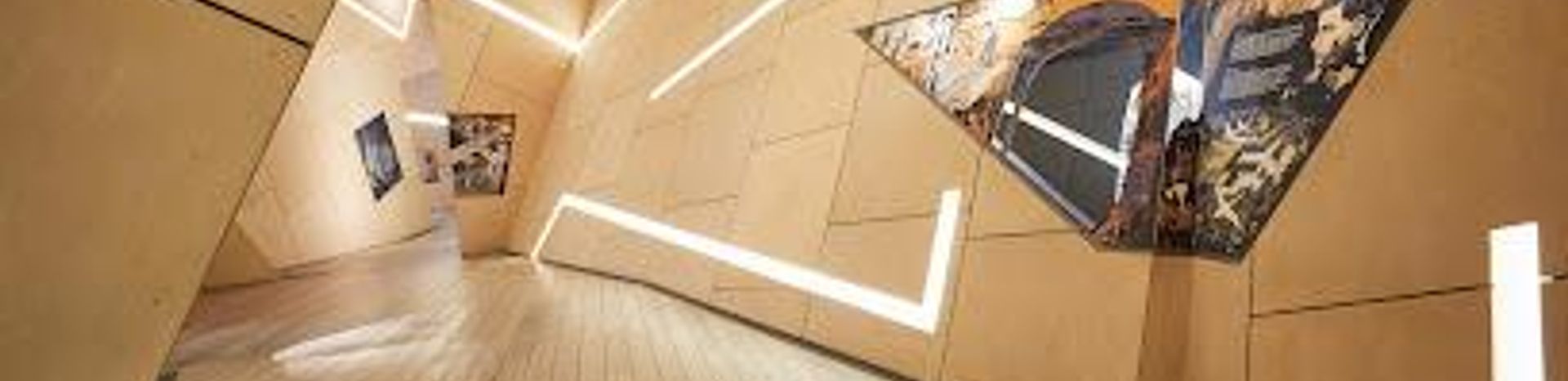
Tucked into the vaulted 17th‑century Galley House by Copenhagen’s Royal Library Garden, the Danish Jewish Museum tells 400 years of Jewish life in Denmark through a striking fusion of history and avant‑garde design. Inside Daniel Libeskind’s labyrinthine wooden interior, whose plan spells the Hebrew word “Mitzvah” (good deed), immersive exhibitions explore identity, rescue during World War II, and the evolving relationship between Jewish communities and Danish society.
A brief summary to Danish Jewish Museum
- Proviantpassagen 6, Copenhagen, Indre By, 1218, DK
- Click to display
- Click to display
- Duration: 1 to 2 hours
- Mid ranged
-
 Indoor
- Mobile reception: 5 out of 5
- Wednesday 11 am-5 pm
- Thursday 11 am-5 pm
- Friday 11 am-5 pm
- Saturday 11 am-5 pm
- Sunday 11 am-5 pm

Know before you go
Hi, I'm Eve. Here are a few practical things to know before exploring Danish Jewish Museum.
- Plan at least 1–1.5 hours so you can move slowly through the slanting corridors, read the exhibition texts, and absorb the architectural details without rushing.
- Combine your visit with a quiet stroll in the Royal Library Garden just outside; it offers a calm space to reflect on the stories you have encountered inside.
- Check current opening days in advance, as the museum typically operates limited hours and is often closed on Mondays and Tuesdays.
- Look up at the brick vaults and down at the floor plan to appreciate how the historic Galley House and Libeskind’s design are woven into the word “Mitzvah.”
Do you manage this location?
Take control to get all the benefits, like improved information, better appearance, and stronger visibility across AI-powered discovery. Learn more
Activate your presenceOther nearby places you may find interesting

Getting There
-
Metro
From central Copenhagen, take metro line M1 or M2 to Gammel Strand or Kongens Nytorv. Both stations are within roughly 10–15 minutes’ walk on generally flat, paved streets suitable for most visitors. A single metro journey within the city typically costs around 20–30 DKK depending on ticket type.
-
City bus
Several inner‑city bus routes stop near Slotsholmen and Christiansborg Palace, a 5–10 minute walk from the museum along level pavements. Travel time from Copenhagen Central Station is usually 10–20 minutes depending on traffic. Standard bus tickets within the city are in the range of 20–30 DKK per ride.
-
Bicycle
Using Copenhagen’s extensive cycle lanes, you can reach the museum area from most central districts in about 10–20 minutes by bike. Bicycle rental is widely available on a daily basis at varying prices, often starting around 100–150 DKK per day. The final approach includes some cobbled sections, so ride cautiously.
-
Walking from inner city
If you are already in Copenhagen’s historic centre around Strøget or City Hall, allow 15–25 minutes to walk to the museum through mostly flat, pedestrian‑friendly streets. Surfaces vary from smooth paving stones to occasional cobblestones, which may require extra care for visitors with reduced mobility.
For the on-the-go comforts that matter to you
-
 Restrooms
-
 Drink Options
-
 Food Options
-
 Seating Areas
-
 Trash Bins
-
 Information Boards
-
 Visitor Center
Discover more about Danish Jewish Museum
A museum hidden in a royal boathouse
Set beside the tranquil lawns and fountains of the Royal Library Garden on Slotsholmen, the Danish Jewish Museum occupies the brick Galley House, once part of King Christian IV’s naval harbor. Behind its sober Renaissance exterior, vaulted stone rooms hint at centuries of maritime history and at the king who first invited Jewish merchants to settle in Denmark in the 17th century. The setting quietly links the story of Danish statehood with the beginnings of Jewish life in the kingdom.From the garden, a contemporary entrance volume leads you below ground into this former boathouse. Here, low ceilings, thick masonry walls and glimpses of the garden above create an intimate, almost cloistered atmosphere that contrasts with the bustle of central Copenhagen just beyond the perimeter.Daniel Libeskind’s architecture of the word “Mitzvah”
Inside, the museum becomes an architectural narrative crafted by Daniel Libeskind, the architect behind Berlin’s Jewish Museum. Rather than conventional galleries, you enter a sequence of sharply angled corridors and tilted planes whose overall plan traces the Hebrew letters of the word “Mitzvah” – commandment or good deed. Floors subtly slope, walls shift in unexpected directions, and perspectives open and close as you move, creating a sense of walking through a text.Light filters in as narrow beams and slits, catching pale wood panels and exposed brick. The contrast between the historic stone vaults and Libeskind’s warm timber cladding produces a dialogue between past and present: one layer recalling Denmark’s seafaring monarchy, the other expressing the resilience and complexity of Jewish experiences here. The architecture itself becomes part of the exhibition, encouraging you to read space as carefully as objects or labels.Four centuries of Jewish life in Denmark
The core exhibition, often framed under the theme of space and spaciousness, spans 400 years of Jewish history in Denmark. Objects from everyday life sit alongside ceremonial silver, textiles, documents and artworks, tracing journeys from early merchant families to modern Danish Jews with diverse backgrounds and identities. The displays emphasize not only religious practice, but also work, education, language and cultural exchange.One of the defining narratives is the mass escape of Danish Jews in 1943, when most of the community found refuge in Sweden from Nazi persecution. Within the museum, this episode is treated as part of a longer story of belonging, obligation and mutual responsibility. Rather than centering victimhood, the curatorial approach underlines collaboration, courage and the idea that minority and majority histories are deeply intertwined.Research, collections and changing exhibitions
Beyond the permanent displays, the museum functions as a cultural history institution dedicated to collecting, documenting and studying Danish Jewish heritage. Its collection ranges from modest household objects to rare ritual items, each contributing to a nuanced understanding of how Jewish and Danish identities intersect. Research projects have delved into wartime experiences, post‑war life and questions of integration and memory.Temporary exhibitions, films and talks add contemporary perspectives, sometimes focusing on individual stories, sometimes on broader themes like migration, citizenship or artistic expression. A reading room, primarily with Danish‑language material, serves students and researchers, while also offering curious visitors a quieter corner to explore original sources.Visiting and experiencing the atmosphere
A visit is typically contemplative rather than grand in scale. The museum is compact yet layered, inviting you to move slowly, re‑orient yourself in the slanting corridors and pause over personal testimonies and intimate objects. Texts are available in Danish and English, making the historical narrative accessible even if you are new to the subject.The surrounding cultural district enriches the experience: steps away lie Christiansborg Palace, the Royal Library and other major institutions. Yet inside the museum, the mood is hushed and reflective, shaped by the interplay of quiet architectural drama and stories of community, refuge and continuity. It is a place to think about how physical spaces – from boathouses to borders – can shelter, exclude or protect, and how a small country’s choices reverberated through countless individual lives.Explore the best of what Danish Jewish Museum has to offer















More about North Zealand
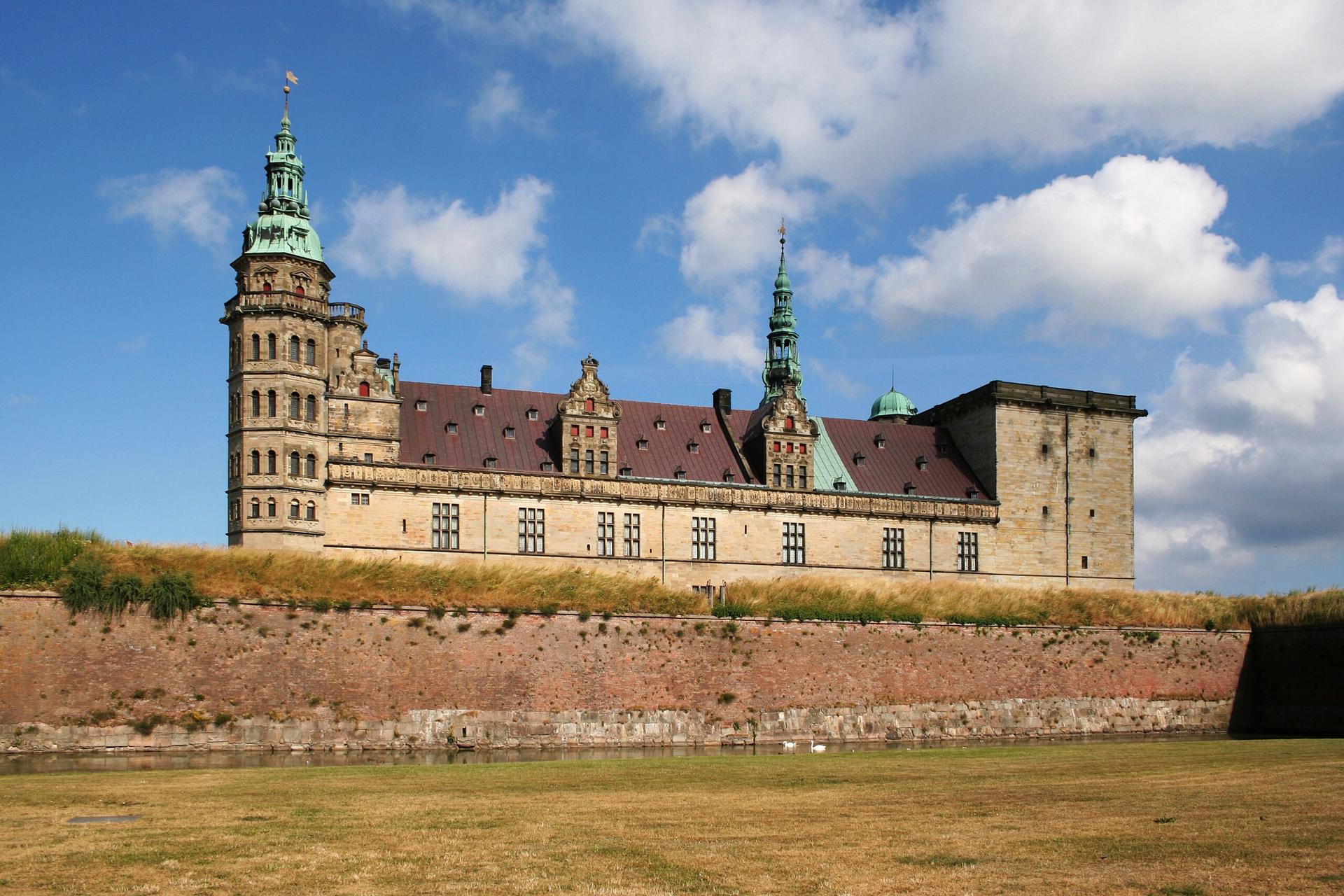
Explore North Zealand, Denmark's enchanting region of castles, beaches, and royal estates, perfect for history buffs, nature enthusiasts, and seaside lovers.
Tell me more about North Zealand
Experience world-class music and visionary architecture at DR Koncerthuset, a cultural icon blending innovative design with top-tier performances in Copenhagen.

Architect Daniel Libeskind’s intimate "Mitzvah" interior turns a 17th‑century royal boathouse into a powerful, quietly absorbing journey through 400 years of Jewish life in Denmark.
