Botanical Garden, Koge Travel Guide
A historic green sanctuary in central Copenhagen where romantic landscapes, rare plants and the iconic Palm House bring the world’s flora into gentle urban focus.
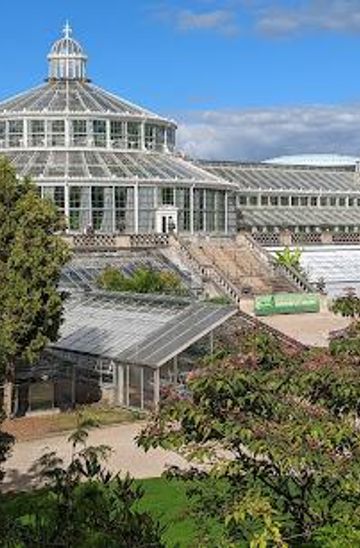
Copenhagen’s Botanical Garden is a lush, 10-hectare green sanctuary in the heart of the city, wrapped around elegant lakes, winding paths and meticulously curated plant beds. Home to Denmark’s largest collection of living plants and the iconic cast-iron Palm House, it blends scientific heritage with everyday tranquility. Stroll past rock gardens and old arboretum trees, step into steamy tropical glasshouses, or simply pause on a bench to watch city life fade into birdsong and rustling leaves.
A brief summary to Botanical Garden
- Gothersgade 128, København K, København K, 1123, DK
- Click to display
- Click to display
- Duration: 1.5 to 4 hours
- Free
-
 Outdoor
- Mobile reception: 5 out of 5
- Monday 8:30 am-4 pm
- Tuesday 8:30 am-4 pm
- Wednesday 8:30 am-4 pm
- Thursday 8:30 am-4 pm
- Friday 8:30 am-4 pm
- Saturday 8:30 am-4 pm
- Sunday 8:30 am-4 pm

Know before you go
Hi, I'm Eve. Here are a few practical things to know before exploring Botanical Garden.
- Admission to the outdoor garden is free, but the Palm House and any special butterfly exhibitions usually require a paid ticket, so decide in advance if you want to include the glasshouses.
- Aim for weekday mornings or late afternoons for a quieter atmosphere and softer light, especially if you plan to photograph the Palm House or the rock garden slopes.
- Surfaces range from smooth paths to slopes and gravel; wear comfortable shoes and allow extra time if you plan to climb up to the Palm House gallery stairs.
- Combine your visit with nearby cultural sites such as Rosenborg Castle and the Natural History Museum, both within a short walk through the same green belt.
- Check current opening hours for the Palm House, which can differ from the main garden’s hours and may vary between summer and winter seasons.
Do you manage this location?
Take control to get all the benefits, like improved information, better appearance, and stronger visibility across AI-powered discovery. Learn more
Activate your presenceOther nearby places you may find interesting
The closest places of the same kind, if this one is not quite what you had in mind.
Explore Botanical Garden on the Map
A handpicked selection of must-see spots near Botanical Garden, mapped for you.
Getting There
-
Metro and S-train
From central Copenhagen, take the M1, M2 or M3 metro lines or any S-train that stops at Nørreport Station; trains and metro typically run every few minutes, and the journey from Copenhagen Central Station takes about 5–10 minutes. A standard two-zone ticket costs around 24–30 DKK each way, or you can use a city travel card. From Nørreport, it is an easy, mostly level walk of just over 1 km through the city streets to reach the garden’s main entrances, suitable for most visitors and pushchairs.
-
City bus
Several city bus routes serve the streets around the Botanical Garden, with typical journey times of 10–20 minutes from areas such as Rådhuspladsen or Østerbro, depending on traffic. Single tickets within the central zones are usually 24–30 DKK, and buses run frequently during the day and early evening. Most buses are low‑floor and wheelchair accessible, though they can be busy at rush hour, so allow extra time if you are travelling with a stroller or mobility aid.
-
Bicycle
Copenhagen’s extensive cycle lanes make it straightforward to reach the Botanical Garden by bike from most central neighbourhoods in about 10–20 minutes. You can rent a city bike or standard bicycle from numerous providers for roughly 100–200 DKK per day. The terrain is flat and the approach follows dedicated bike lanes for most of the way, but be mindful of other cyclists at peak commuting times and use bike racks near the garden’s perimeter to park.
-
Taxi or rideshare
A taxi from Copenhagen Central Station or the inner harbour area to the Botanical Garden usually takes 10–15 minutes outside peak traffic. Fares are typically in the range of 120–200 DKK depending on distance and traffic conditions, with surcharges in the late evening or at night. Vehicles can drop passengers near the main entrances, which is convenient for visitors with limited mobility, though availability may be reduced during major city events.
For the on-the-go comforts that matter to you
-
 Restrooms
-
 Drink Options
-
 Drinking Water
-
 Food Options
-
 Seating Areas
-
 Sheltered Areas
-
 Trash Bins
-
 Information Boards
-
 Visitor Center
Discover more about Botanical Garden
A living museum in the middle of Copenhagen
Copenhagen’s Botanical Garden spreads across gently undulating former ramparts just behind busy Nørreport, yet the moment you pass the gates the city softens into birdsong and the rustle of leaves. Laid out in the 1870s on a ten-hectare site, the garden serves as Denmark’s main scientific collection of living plants, with thousands of species from both native habitats and far‑flung corners of the world. Beds are carefully labelled and arranged so that botanists, students and curious visitors can wander from Arctic tundra plants to Mediterranean herbs in a few minutes.The garden belongs to the Natural History Museum of Denmark, and its role goes far beyond pretty borders. Behind the scenes, staff use these living collections for research, conservation and seed banking, especially of threatened and rare species. As you follow the sinuous paths, you move through a carefully curated landscape that balances scholarly purpose with a calm, park‑like atmosphere.The story behind the beds and glass
Botanical gardens have existed in Copenhagen since 1600, when a royal grant established the first collection near the medieval university quarter. Over the centuries the garden shifted location several times as the city expanded, finally arriving at its present site in the 19th century when the old fortifications were transformed into green spaces. Landscape architect H.A. Flindt designed the current layout in a romantic style, with sweeping lawns, irregular lakes and wooded knolls rather than strict geometric avenues.The present garden was protected by law in the late 1960s, recognising its combined historical and scientific value. Many of the mature trees you see today were planted soon after the garden moved here, creating an arboretum of stately trunks and shaded glades. Subtle changes continue as botanists update beds to reflect new taxonomic insights, so the garden quietly charts how plant science itself evolves over time.The Palm House and its tropical world
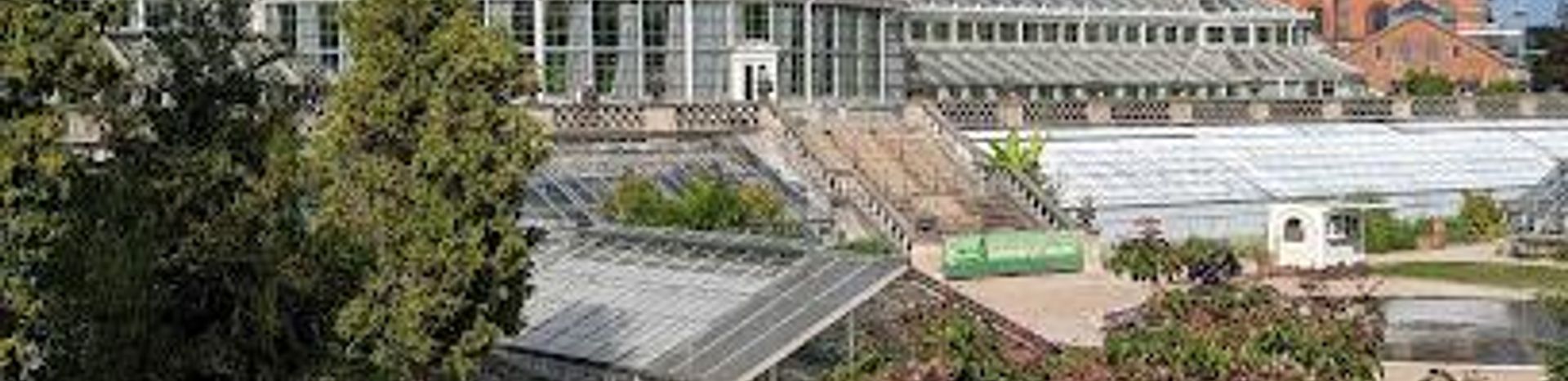
The garden’s visual centerpiece is the grand Palm House, a cast‑iron and glass structure inspired by the famous Crystal Palace in London. Its domed roofline and delicate metal ribs rise above the treetops, especially striking when seen from the rock garden slopes. Inside, a humid, almost otherworldly atmosphere nurtures towering palms, lianas and tree ferns that recreate a compact tropical forest.A spiral cast‑iron staircase leads up to a narrow gallery that circles the upper dome. From here you look down into the canopy at eye level, while glimpses through the glass reveal Copenhagen’s copper spires beyond. Smaller adjoining glasshouses shelter collections of cacti and succulents, orchids and other climate‑sensitive plants, illustrating how different temperature and moisture regimes shape plant forms.Rocky slopes, quiet ponds and themed corners
Away from the glasshouses, the landscape breaks into distinct botanical zones. Rock gardens spilling over artificial hills showcase alpine and subalpine plants, clinging to crevices and basking on sun‑warmed stone. Nearby, beds dedicated to Danish flora highlight species from heathlands, meadows and coastal dunes, underlining that the country’s own plant life is as varied as any exotic collection.Lakes occupy the lower parts of the old ramparts, crossed by elegant white bridges and edged with reeds, irises and waterside trees. These ponds attract ducks, coots and dragonflies, adding movement to the still water reflections of the Palm House and treetops. Elsewhere you will find areas devoted to perennials, old rose varieties and systematically arranged families of plants, each area offering its own palette of colours and textures through the seasons.Moments of pause: cafés, benches and seasonal moods
Scattered through the garden are benches that invite you to linger: a shaded seat beneath a giant conifer, a sunny spot near the rock garden, or a viewpoint where the city skyline forms a distant backdrop. A small seasonal café near the glasshouses serves drinks and light refreshments from a vintage van, making it easy to turn a short stroll into a leisurely break.There is also a charming shop linked to the garden, where you can browse seeds, potted plants, botanical prints and gardening accessories inspired by the collections outside. Throughout the year, the atmosphere shifts with the light and weather: spring bulbs brighten the lawns, summer foliage feels almost lush and enclosed, autumn colours blaze in the arboretum, and even in winter the evergreen structure of conifers and the bones of the landscape have their own quiet beauty.Research, conservation and urban refuge
Behind the scenes, the Botanical Garden underpins important conservation work. Seed banks and specialized collections help safeguard species threatened by habitat loss, climate change and invasive plants. Collaborations with universities and other institutions make the garden a node in a global network of botanical research, even as it remains open daily as a public park.For city residents and visitors alike, the garden functions as a rare kind of refuge: a place where you can move at walking pace, follow your curiosity from label to label, or simply sit beside the water and listen to the wind in the trees. Its combination of scientific mission, historical setting and everyday accessibility makes it one of Copenhagen’s most characterful green spaces, as suitable for quiet contemplation as for a family outing.












Your all‑in‑one travel companion app
Explore expert travel guides, compare and book tours, experiences, hotels, and more—all from the palm of your hand. Download now for seamless trip planning wherever your wanderlust takes you.


Explore More of Koge
Looking beyond Botanical Garden? Discover Koge for broader travel guides, local hot-spots, and regional highlights.
Explore Koge
Step into 150 years of Danish working-class history inside a 19th-century assembly hall, where cramped flats, activism and classic smørrebrød bring the welfare story to life.
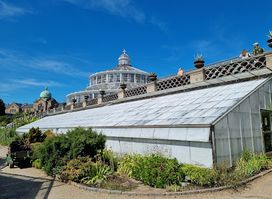
Explore Denmark's royal heritage at Rosenborg Castle, home to the crown jewels and set amidst the historic King's Garden in Copenhagen.