Workers Museum (Arbejdermuseet), Copenhagen
Step into Copenhagen’s historic Workers’ Assembly Hall and trace 150 years of working-class life, from cramped attic flats and factory floors to activism, cafés and children’s play.
Set in the historic Workers’ Assembly Hall from 1879, Copenhagen’s Workers Museum (Arbejdermuseet) brings 150 years of Danish working-class life vividly to life. Wander through recreated 1930s and 1950s apartments, explore exhibitions on industrial work, activism and the labour movement, and let children play their way into history in the immersive Kids’ Workers’ Museum. With a listed banquet hall, rich period details and the atmospheric Café & Øl-Halle 1892 in the basement, this is both a social history museum and a living monument to the rise of the Danish welfare state.
A brief summary to Workers Museum
- Rømersgade 22, Copenhagen, Indre By, 1362, DK
- Click to display
- Click to display
- Duration: 1.5 to 3 hours
- Mid ranged
-
 Indoor
- Mobile reception: 5 out of 5
- Monday 10 am-5 pm
- Tuesday 10 am-5 pm
- Wednesday 10 am-5 pm
- Thursday 10 am-8 pm
- Friday 10 am-5 pm
- Saturday 10 am-5 pm
- Sunday 10 am-5 pm

Know before you go
Hi, I'm Eve. Here are a few practical things to know before exploring Workers Museum.
- Allow extra time for the period apartments and backyard area; the details are rich and you get more out of them by reading the stories and comparing the 1900s and 1950s interiors.
- If you are visiting with children, plan your route to include a generous stop at the Children’s Workers’ Museum, where hands-on activities can easily fill an hour or more.
- Consider timing your visit around lunchtime to eat at Café & Øl-Halle 1892, which serves traditional dishes in an authentic 1890s beer hall setting.
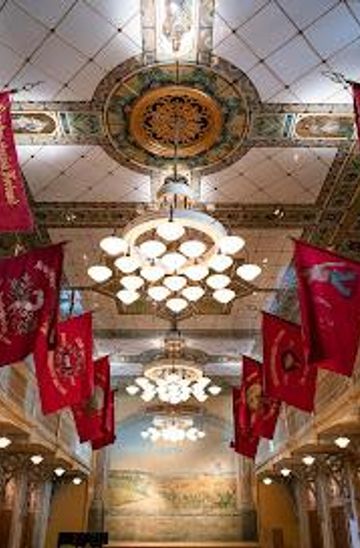
- Look up in the Grand Assembly Hall to spot decorative details and banners that reference different trades and unions from the building’s early years.
- Check current opening hours in advance, as late openings are limited and Thursday is usually the best day if you prefer to visit later in the day.
Do you manage this location?
Take control to get all the benefits, like improved information, better appearance, and stronger visibility across AI-powered discovery. Learn more
Activate your presence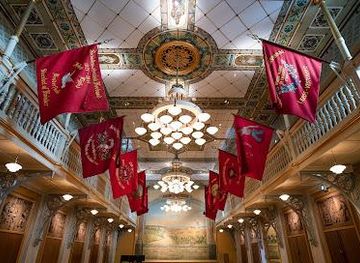
Getting There
-
Metro
From central Copenhagen, the most convenient option is the M1 or M2 metro to Nørreport Station, which usually takes 3–8 minutes from the main central stops. From Nørreport it is an easy level walk of about 10–15 minutes through the city centre. A single metro ticket within the city zones typically costs around 20–30 DKK, and trains run every few minutes throughout most of the day, with step-free access at major stations.
-
City Bus
Several city bus lines serve the area around Nørreport and Øster Voldgade, from where you can reach the museum on foot in about 10–15 minutes. Travel times within the inner city are usually 10–25 minutes depending on traffic and starting point. Standard bus tickets cost roughly 20–30 DKK for inner zones, and buses generally offer low-floor entry, making this a good option for visitors who prefer to minimise walking distances.
-
Bicycle
Copenhagen’s cycle-friendly layout makes biking a popular way to reach the museum from most central districts in about 10–20 minutes. You can use city bikes or regular rentals, typically priced from around 50–150 DKK for a day depending on the scheme. Dedicated bike lanes cover much of the route, but be prepared for busy traffic at peak times and follow local cycling etiquette at junctions and crossings.
-
Taxi / Rideshare
Taxis are widely available in central Copenhagen and usually reach the Workers Museum in 5–15 minutes from inner-city hotels, slightly longer from outer districts. Fares within the centre commonly range from about 80–200 DKK depending on distance and traffic. Vehicles can drop passengers close to the entrance, which is helpful for those with limited mobility, though narrow streets nearby can cause short delays during busy periods.
For the on-the-go comforts that matter to you
-
 Restrooms
-
 Drink Options
-
 Drinking Water
-
 Food Options
-
 Seating Areas
-
 Sheltered Areas
-
 Trash Bins
-
 Information Boards
-
 Visitor Center
Discover more about Workers Museum
A historic house of the labour movement
The Workers Museum is housed in Copenhagen’s former Workers’ Assembly Hall, completed in 1879 as the first purpose-built meeting place for Denmark’s labour movement. Behind its sober brick façade lies a richly decorated interior, where trade unions once gathered to debate, organise and celebrate. The grand banquet hall, with painted murals, banners and balconies, still radiates the pride of the craftsmen and labourers who funded and used the building.Over the years, this hall has hosted everything from rowdy political meetings to theatre performances and festive parties. It is also closely tied to major figures in Danish social democracy, including Thorvald Stauning, the working-class boy who became Denmark’s longest-serving prime minister. Today the building is listed, preserving the architecture and atmosphere of a formative era in the country’s democratic life.Everyday life in cramped rooms and backyard streets
At the heart of the museum are detailed recreations of working-class homes and streets from different periods. You can step into a narrow attic flat from around 1900, where a whole family squeezed into a couple of dim rooms under the roof. Further on, a 1950s apartment shows how consumer goods, radios and better furniture slowly transformed daily life as incomes rose after the Second World War.Shops, a pawn broker and street scenes reveal what could be bought on a tight budget and what had to be sold when money ran out. Textiles, toys and kitchen utensils are carefully chosen to reflect what families actually used, from enamel pots to hand-embroidered cushions. Moving through these rooms, you trace the shift from poverty and rationing to the emerging comfort of the welfare state.Factories, unions and the making of modern Denmark
Beyond the domestic interiors, the museum explores how industrial work reshaped Copenhagen. Exhibitions on factory life immerse you in the noise and pace of bottling halls, shipyards and breweries, where long hours and repetitive tasks were balanced by camaraderie and collective organisation. Tools, machinery and photographs chart the transition from manual labour to more mechanised production.Another strand follows the growth of trade unions, co-operatives and political parties that campaigned for shorter working days, safer conditions and social security. Posters, banners and leaflets tell the story of strikes, demonstrations and negotiations that gradually established rights many now take for granted. The narrative links these struggles to the creation of Denmark’s modern welfare system, connecting individual lives with national change.Children’s history through play and imagination
The Children’s Workers’ Museum is a self-contained world designed for younger visitors but engaging for adults as well. Here, children can take a job at a 1930s-style grocery shop, sort bottles at a miniature brewery or type letters in a union office. Everything is hands-on, encouraging them to learn by doing rather than just looking.Period costumes, a recreated dance school and a small flat invite roleplay and storytelling about what it meant to grow up in a working-class family generations ago. Simple tasks, like weighing goods or delivering messages, highlight how responsibility and work entered children’s lives early. This playful space turns social history into something tangible and memorable.Café culture steeped in time
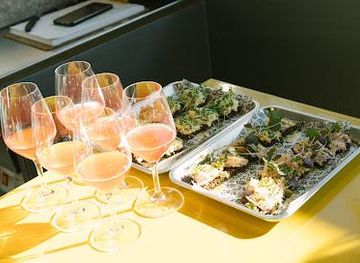
Downstairs, Café & Øl-Halle 1892 offers a sensory extension of the exhibitions. This listed basement restaurant has been restored to its late 19th-century appearance, with dark wood, tiled floors and snug booths. Traditional Danish dishes and classic drinks echo what workers might have ordered after a meeting or a long shift.Sitting here, you can almost imagine the smoke-filled conversations about politics, union affairs or everyday worries that once filled the room. The café underlines how social life, not just work and struggle, forms part of the labour movement’s history.A museum of memory in the city’s centre
Located in the Indre By district, the museum is woven into Copenhagen’s urban fabric rather than standing apart from it. Its exhibitions blend objects, architecture, soundscapes and personal stories to illuminate how ordinary people shaped the city and the country. Rather than focusing on elites, it invites you to see history from the perspective of maids, dockers, typists and their children.As you leave, the red flags, narrow staircases and factory sirens linger in the mind. The Workers Museum functions as both a historical archive and a living reminder of collective action, solidarity and the everyday routines that underpin big political changes.Explore the best of what Workers Museum has to offer













More about North Zealand
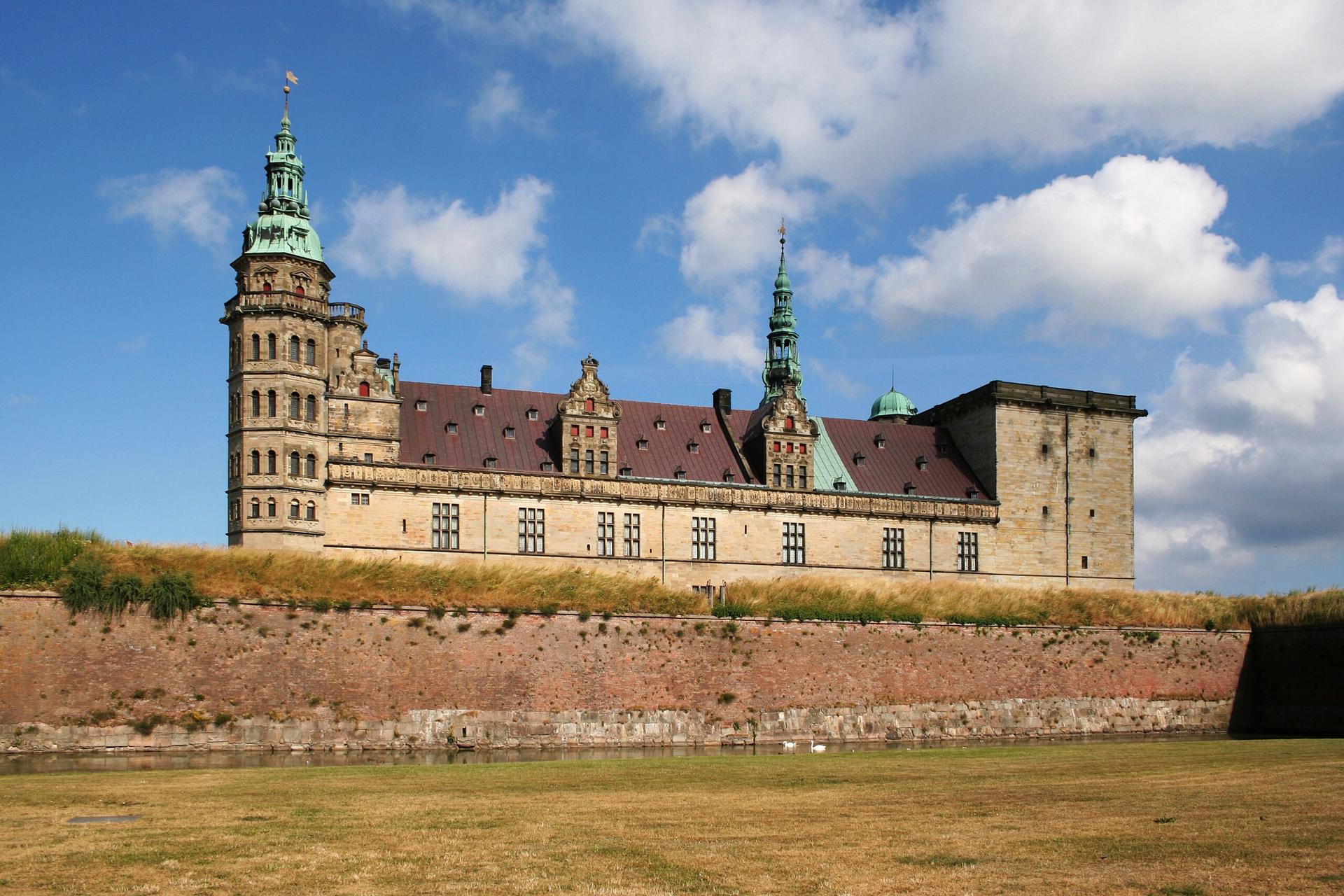
Explore North Zealand, Denmark's enchanting region of castles, beaches, and royal estates, perfect for history buffs, nature enthusiasts, and seaside lovers.
Tell me more about North Zealand
Touch a giant meteorite, wander glittering mineral halls, and step straight into the Botanical Garden at Denmark’s national museum of nature in central Copenhagen.
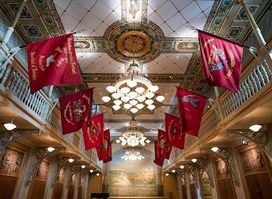
Step inside Copenhagen’s historic Workers’ Assembly Hall and explore 150 years of Danish working‑class life, union struggles, everyday homes and hearty beer hall traditions.