

Læderstræde, Køge Travel Guide
Free Guide: A quietly stylish Old Town side street where Copenhagen’s harbour past, Danish design shops and cosy cafés come together just steps from busy Strøget.


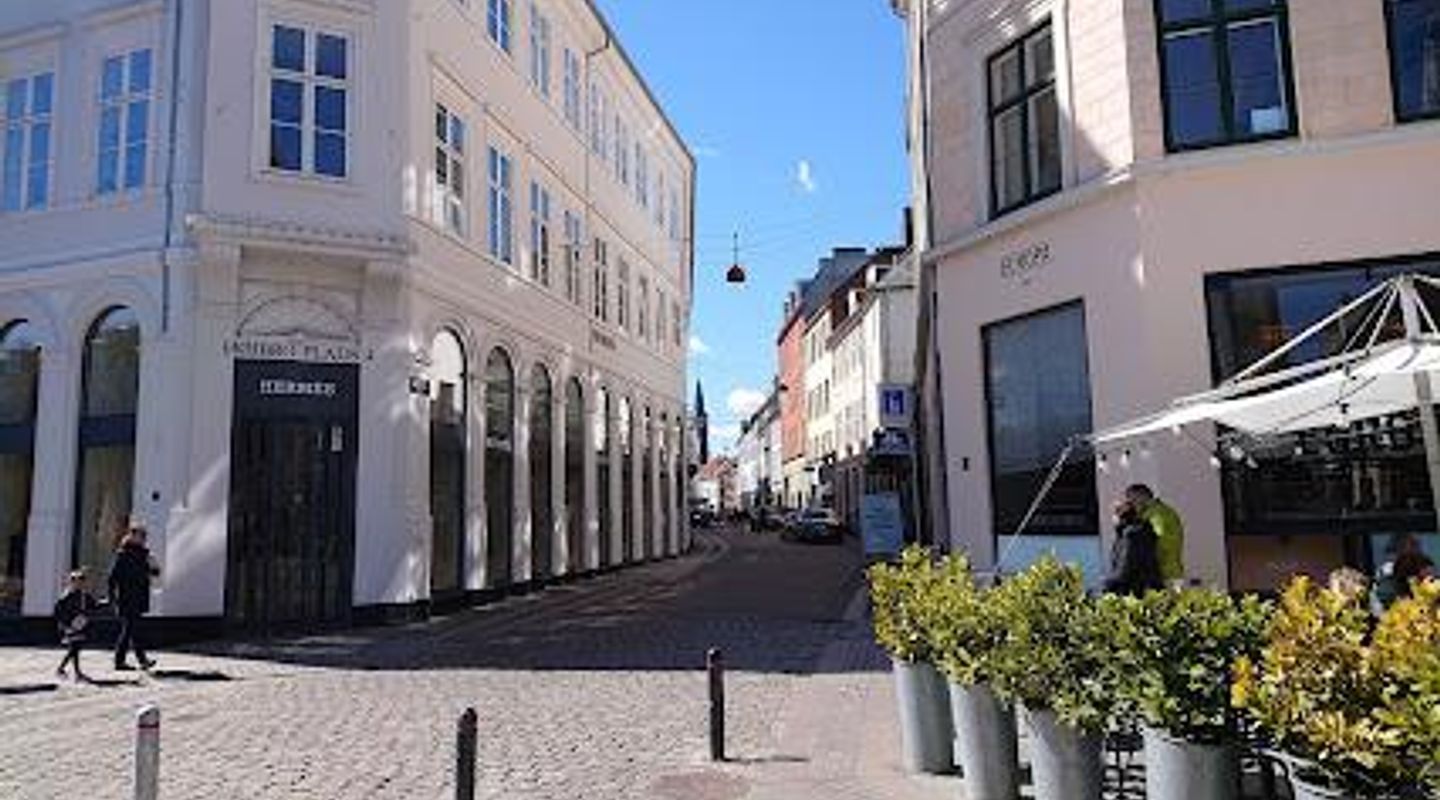
A brief summary of Læderstræde
A quietly stylish Old Town side street where Copenhagen’s harbour past, Danish design shops and cosy cafés come together just steps from busy Strøget.
Læderstræde is a charming, human-scale shopping street in Copenhagen’s Old Town, forming part of the Strædet strip that runs parallel to the busier Strøget. Once a dock road serving the city’s first harbour at Gammel Strand, it is now lined with independent boutiques, Danish design stores, galleries and cosy cafés that spill onto the cobbles in good weather. Quieter and more intimate than the main drag, it is ideal for browsing ceramics, jewellery and interiors, and soaking up everyday Copenhagen life.
On-site amenities
 Restrooms
 Drink options
 Drinking water
 Food options
 Seating areas
 Sheltered areas
 Trash bins
 Information boards
 Visitor centre
- Address
- Copenhagen
Getting there
Metro from central Copenhagen
Bus within the city centre
Bicycle from nearby districts
Walking within the Old Town
Discover more about Læderstræde
A historic lane reshaped from harbour edge to high street
Læderstræde threads through Copenhagen’s Old Town just behind Gammel Strand, following the line of what was once the city’s first harbour. The name does not, as many assume, come from leather, but from an old jetty called Ladbro that projected into the harbour centuries ago. For generations, this was a practical dock road, lined with merchants’ houses and warehouses serving ships moored along the quayside.The street’s appearance today owes much to the aftermath of the great Copenhagen fire of 1795. Large parts of Læderstræde were destroyed and then rebuilt in the years that followed, which is why so many facades date from the late 18th and early 19th centuries. Stucco townhouses with tall, narrow windows and discreet ornamentation create a harmonious backdrop that feels distinctly Copenhagen: elegant but unshowy, built for traders and publishers rather than palaces.
An intimate alternative to the bustle of Strøget
Running parallel to Strøget yet shielded from its constant crowds, Læderstræde forms the eastern stretch of what locals colloquially call Strædet, a more relaxed shopping and café strip. Where the main pedestrian street is dominated by big international brands, here you find smaller, often owner-run businesses. The pace slows, conversations spill out of shop doors, and locals weave past visitors with baskets and bicycles.It is a particularly good place to hunt for Danish design and work by younger makers. Shelves of minimalist ceramics, hand-thrown mugs and matte-glazed vases sit alongside racks of clothes from local labels and rails of carefully edited vintage. Mixed in are bookstores, lifestyle shops and interiors boutiques showcasing the softer, more personal side of Scandinavian style. Prices range from affordable prints and homewares to investment pieces you will want to hand down.
Cafés, terraces and street life between the facades
One of Læderstræde’s pleasures is how often you find yourself pausing. Pavement cafés and wine bars occupy many ground floors, pulling out small tables and chairs whenever the weather allows. You might stop for a cardamom bun and coffee, an open-faced smørrebrød lunch or a glass of natural wine as you watch cyclists navigate the narrow street and neighbours greet each other at the corner.Because the buildings are relatively low and closely spaced, there is a sense of enclosure that makes the street feel intimate even when it is busy. On grey days you can duck into candlelit interiors; on bright evenings, sunlight bounces off pastel facades and the whole strip takes on a soft glow. Seasonal decorations, from simple greenery in winter to flowers and flags in summer, add to the understated charm.
Layers of character within Copenhagen’s old core
Læderstræde connects directly to Højbro Plads and the wider Old Town network of lanes, making it easy to fold into a broader wander. At its eastern end, larger corner properties hint at its commercial past; further along, narrower buildings with crooked rooflines speak to earlier, more modest plots rebuilt after the fire. Look up to catch small architectural details: dormer windows, decorative cornices, and the occasional tiny spire capping a corner bay.The area around Læderstræde has long been associated with creative and alternative communities, and that atmosphere lingers in the mix of art galleries, antique shops and niche retailers. Together they lend the street a slightly bohemian edge that contrasts with the polish of Copenhagen’s grand squares. It is the kind of place where you might come intending to buy a gift and instead lose an afternoon browsing prints, chatting to shopkeepers and discovering spaces tucked behind unassuming doors.
Planning your time on this compact Copenhagen favorite
Despite its modest length, Læderstræde can easily occupy an hour or two, especially if you stop for a drink or meal. Many visitors pair a stroll here with time on Strøget or by the canal at Gammel Strand, using it as a gentler counterpoint to the city’s headline sights. The street is level and fully paved, making it straightforward for wheelchairs and prams, though cobblestones at some crossings can be a little bumpy.Shops keep typical central Copenhagen hours, with most open from late morning through the afternoon. Weekends see a livelier feel, but early mornings and later evenings can be surprisingly calm, with delivery bikes rattling past shuttered windows and café staff setting out or stacking away furniture. Whenever you arrive, the appeal is the same: a compact slice of the city where everyday life, local design and Old Town history quietly meet.
Evendo Review Centre
 Google
Guest reviews
Best time to go
Quietest: Jan, Feb & Mar · before 8am or from 11pm
Busy times are Evendo estimates for a typical year, to help you plan. Actual crowds vary with events, school holidays and the weather.
Explore Læderstræde on the map
A handpicked selection of must-see spots near Læderstræde, mapped for you.
Get your free copy of our complete guide to Læderstræde, delivered straight to you.
Everything on this page, from opening hours and how to get there to Eve’s tips and the best time to go, in one PDF you can read offline, print or share.
Already have an account? Sign in
Your Læderstræde guide is ready.
We'll send it to · Not you? Sign out

Getting your guide ready…
We are putting together a fresh copy of the Læderstræde guide. This can take up to a minute.
This can take a few moments. If your browser asks, choose Allow so the download can start. You'll find the guide in your Downloads folder.
Nothing happened? Download it again
Sorry, the guide is taking longer than usual. Please try again in a minute, or get it by email instead.
Other nearby places you may find interesting
The closest places of the same kind, if this one is not quite what you had in mind.
-
-
-
-
-


Swipe for more places
More to explore near Læderstræde

 Best experiences near Læderstræde
 Best hotels near Læderstræde
 Best landmarks near Læderstræde
 Best attractions near Læderstræde
 Best shops near Læderstræde
 Best restaurants near Læderstræde
 Best bars near Læderstræde
Do you manage this location?
Take control to get all the benefits, like improved information, better appearance, and stronger visibility across AI-powered discovery.
Explore more
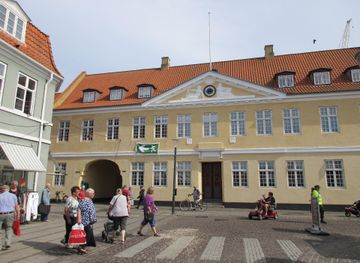
Explore more of Køge
Explore Køge, Denmark's coastal gem, with its medieval charm, beautiful marina, and close proximity to the stunning Stevns Klint UNESCO World Heritage site.
Explore Køge
Explore more of Denmark
Discover Denmark: A perfect blend of history, modern design, and the cozy concept of hygge. Explore vibrant cities, serene landscapes, and world-class cuisine.
Explore Denmark
