Læderstræde
A cosy Old Town side street where independent boutiques, Danish design shops and relaxed cafés turn a former dock road into one of Copenhagen’s most charming walks.
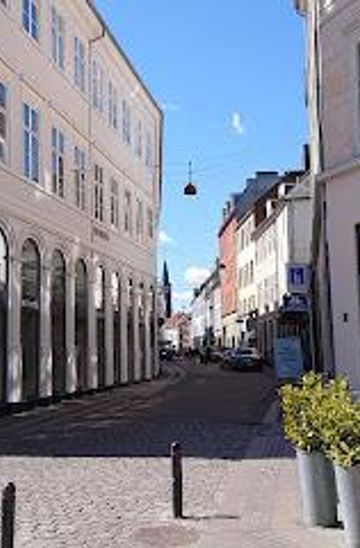
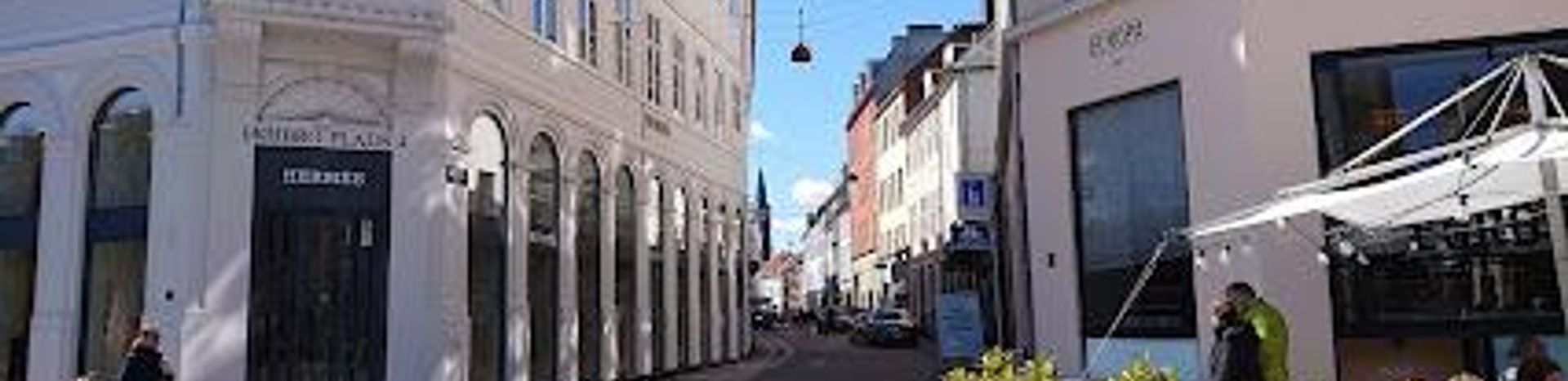
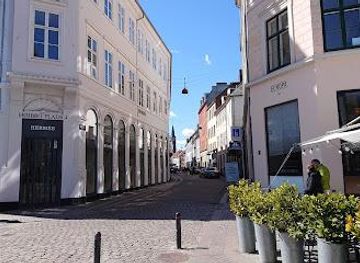
Tucked just behind Gammel Strand in Copenhagen’s Old Town, Læderstræde is a cosy, mostly pedestrian street lined with independent boutiques, Danish design shops, art and ceramics studios, and relaxed cafés. Once a working dock road serving the old harbour, today it offers a slower, more intimate alternative to nearby Strøget. You wander past pastel facades, minimalist interiors and outdoor café tables, browsing everything from handmade jewellery and ceramics to books and fashion while soaking up a distinctly local, village‑like atmosphere in the very heart of the city.
A brief summary to Læderstræde
- Copenhagen, Indre By, DK
- Duration: 1 to 3 hours
- Free
-
 Outdoor
- Mobile reception: 5 out of 5

Know before you go
Hi, I'm Eve. Here are a few practical things to know before exploring Læderstræde.
- Plan at least one relaxed café stop; many places have outdoor tables that are perfect for people‑watching between bouts of browsing.
- Come in the late morning or early afternoon when most independent boutiques are open and the street feels lively but not overcrowded.
- Look above street level as you walk; many building facades have subtle historic details that are easy to miss at ground height.
- Bring a reusable tote or small backpack if you plan to shop for ceramics or homeware, as several stores offer fragile, design‑forward pieces.
- Visit in light rain if you do not mind getting a little wet; reflections on the cobblestones and warm shop interiors can make the street feel especially atmospheric.
Do you manage this location?
Take control to get all the benefits, like improved information, better appearance, and stronger visibility across AI-powered discovery. Learn more
Activate your presenceOther nearby places you may find interesting
Getting There
-
Metro from Nørreport Station
From Nørreport Station, take the M1 or M2 metro one stop to Gammel Strand Station, which usually takes 2–3 minutes. A single zone ticket typically costs around 20–25 DKK. Trains run frequently throughout the day. From Gammel Strand, Læderstræde is reached on foot within a few minutes along mostly level, pedestrian‑friendly streets, suitable for most visitors including those with light mobility challenges.
-
Walk from Rådhuspladsen area
If you are staying near Copenhagen City Hall Square, you can reach Læderstræde on foot in about 10–15 minutes at a relaxed pace. The route leads through central, well‑lit streets and partially along pedestrian zones. Surfaces are mostly flat but include some cobblestones, so comfortable footwear is recommended, especially in wet weather.
-
City bike hire within central Copenhagen
Public and private bike‑share schemes operate widely in inner Copenhagen, with typical pay‑as‑you‑go rates starting around 20–35 DKK per 30 minutes. Riding from central districts such as Vesterbro or Østerbro to Læderstræde usually takes 10–20 minutes depending on your starting point. You will find bike lanes on most major streets, but the final stretch is through narrower Old Town lanes where you should ride slowly and be prepared to dismount in crowded sections.
-
Local bus to the Old Town
Several city bus lines serve stops around Indre By, including those near Gammel Strand, Holmens Kanal and the City Hall area. Travel times from inner neighbourhoods generally range from 10–25 minutes depending on traffic and distance, with single tickets typically costing 20–25 DKK. Buses are a good option in poor weather and are generally accessible to those with limited mobility, though the last few minutes to Læderstræde involve walking along mixed cobblestone and paved surfaces.
For the on-the-go comforts that matter to you
-
 Restrooms
-
 Drink Options
-
 Drinking Water
-
 Food Options
-
 Seating Areas
-
 Sheltered Areas
-
 Trash Bins
-
 Information Boards
-
 Visitor Center
Discover more about Læderstræde
An old dock road turned design-conscious shopping lane
Læderstræde runs quietly through Copenhagen’s inner city, parallel to the bustle of Strøget yet with a very different pace. Once a functional dock road serving the harbour at Gammel Strand, it has long since traded warehouses and workshops for human‑scaled shopfronts and welcoming café terraces. The cobblestones and narrow profile hint at its working past, but large display windows now showcase ceramics, textiles and jewellery rather than ropes and cargo.The street forms part of the stretch often referred to as Strædet, an alternative shopping axis through the Old Town that favours independent businesses over big chains. Here, the focus is on Nordic design, craftsmanship and characterful interiors. You sense immediately that this is a place where locals come to browse slowly rather than rush through on errands.Boutiques, ceramics and one‑of‑a‑kind finds
Læderstræde is particularly known for its small, often owner‑run boutiques. Shelves are stacked with handcrafted ceramics, minimalist homeware, paper goods and carefully edited racks of clothing. Many shops champion Danish designers, from clean‑lined kitchenware to sculptural jewellery and contemporary fashion.Because units are compact, almost every storefront feels curated. You might step from a serene, white‑walled ceramics studio into a cosy bookshop, then into a colourful dress store. Prices vary from accessible souvenirs to collectible pieces, but browsing is half the pleasure. Window displays are thoughtfully arranged, making the street itself feel like an open‑air gallery of modern Scandinavian style.Cafés, people‑watching and street‑side tables
Interspersed between the shops are cafés, wine bars and casual eateries, many with small tables spilling onto the pavement in warmer months. The architecture keeps things intimate: low to mid‑rise buildings, often painted in muted yellows, reds and greys, frame a corridor of chairs, bicycles and planter boxes.This is an inviting spot to pause over a coffee, lunch platter or glass of wine and watch the slow choreography of shoppers, students and office workers passing by. Outdoor heaters and blankets sometimes appear in cooler seasons, extending the café culture well beyond summer. Because the street lies slightly off the main tourist artery, the ambience tends to feel neighbourly rather than hectic.Layers of history in the Old Town grid
Like much of central Copenhagen, Læderstræde bears the imprint of rebuilding after historic fires, with late 18th‑ and 19th‑century facades lining its length. Many buildings feature tall, narrow windows and discreet decorative details that reward a glance upward. The human scale and modest height preserve generous light on the street, even on overcast days.Set within the Indre By district, Læderstræde sits only moments from grander squares and major sights, yet its back‑street feeling persists. The transition from busy main streets to this sheltered lane can feel almost like stepping behind the scenery, giving a more intimate sense of the city’s fabric and how its older commercial streets have adapted to contemporary life.Experiencing Læderstræde through the day and seasons
Mornings are often the calmest time, when shutters lift, deliveries arrive and the first aroma of coffee fills the air. By midday and into the afternoon, the street typically feels livelier as shoppers, office workers and design hunters drift in from surrounding areas. On bright days, sunlight glances off windows and cobbles, enlivening the pastel facades.In autumn and winter, soft interior lighting, candles in windows and warm textiles on display create a hygge‑rich mood. Rainy days give the street a cinematic gloss, with reflections of shop signs shimmering in the wet stones. Throughout the year, the combination of history, design and everyday life makes Læderstræde rewarding whether you are on a dedicated shopping mission or simply wandering without a plan.Who will enjoy this corner of Copenhagen
Læderstræde particularly appeals to travellers who appreciate independent shops, Scandinavian aesthetics and a slower pace of urban exploration. Design enthusiasts can easily spend a couple of hours moving from one carefully styled interior to the next, while those less interested in shopping can simply enjoy the atmosphere from a café chair.Its central location, mostly level surface and compact length make it straightforward to incorporate into a broader Old Town stroll. Whether you are seeking a thoughtful souvenir, scouting for photo opportunities among colourful facades, or looking for a pleasant place to sit with a coffee and absorb city life, this short street offers a quietly distinctive slice of Copenhagen.Explore the best of what Læderstræde has to offer













More about North Zealand
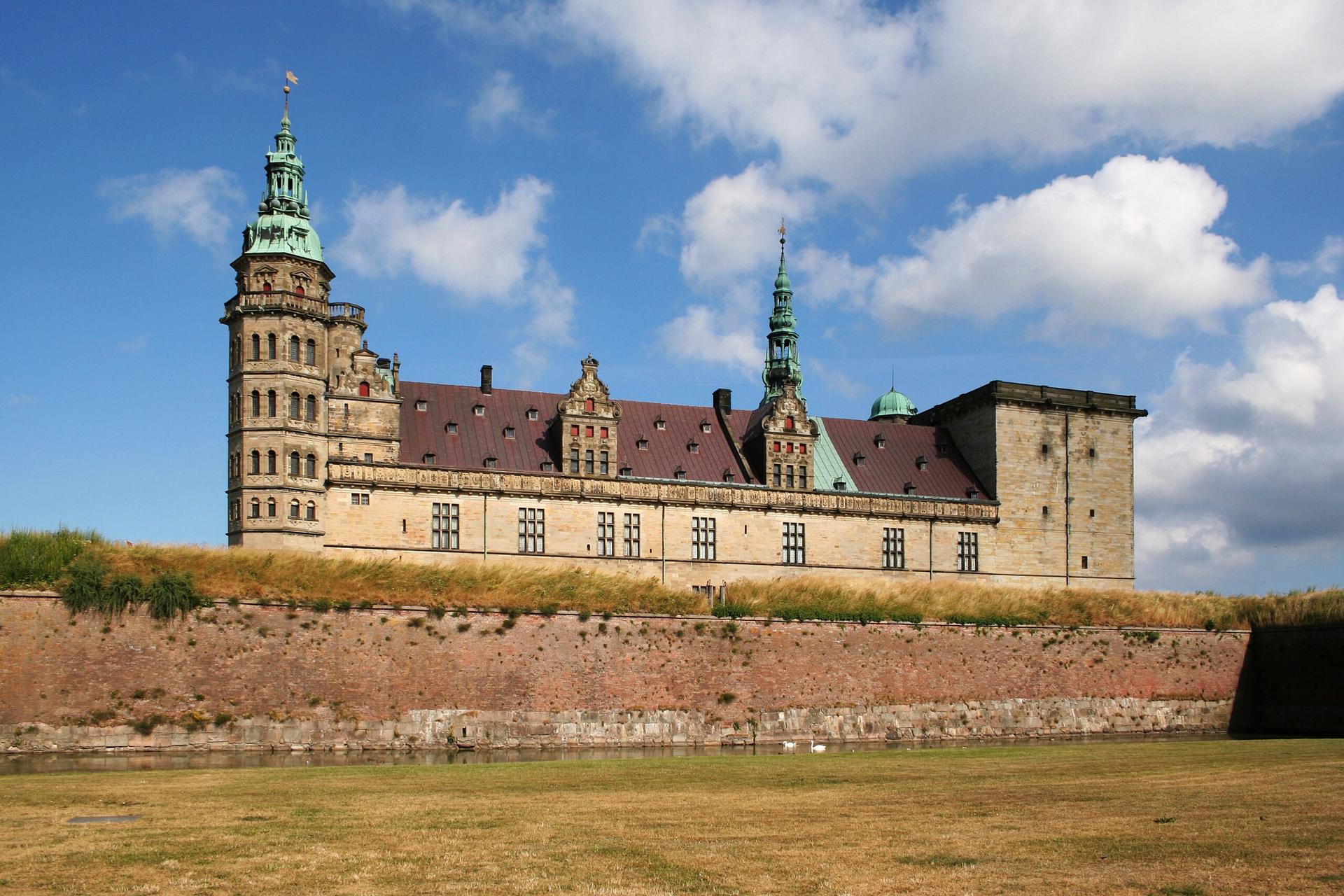
Explore North Zealand, Denmark's enchanting region of castles, beaches, and royal estates, perfect for history buffs, nature enthusiasts, and seaside lovers.
Tell me more about North Zealand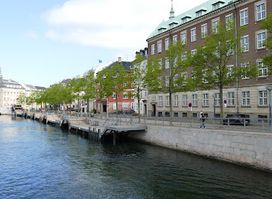
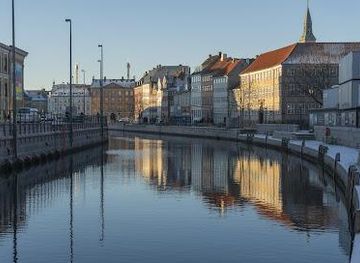
Copenhagen’s famous waterfront promenade blending royal history, iconic monuments, and scenic strolls along the city’s vibrant harborside.
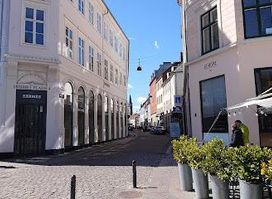
A short, atmospheric side street in Copenhagen’s Old Town, where historic façades, independent boutiques and relaxed cafés create a cosy alternative to Strøget.