

Gammel Strand, Copenhagen Travel Guide
Free Guide: A historic Copenhagen harbourfront where Viking-age roots, colourful 18th‑century facades and a contemporary art centre meet beside the city’s central canal.


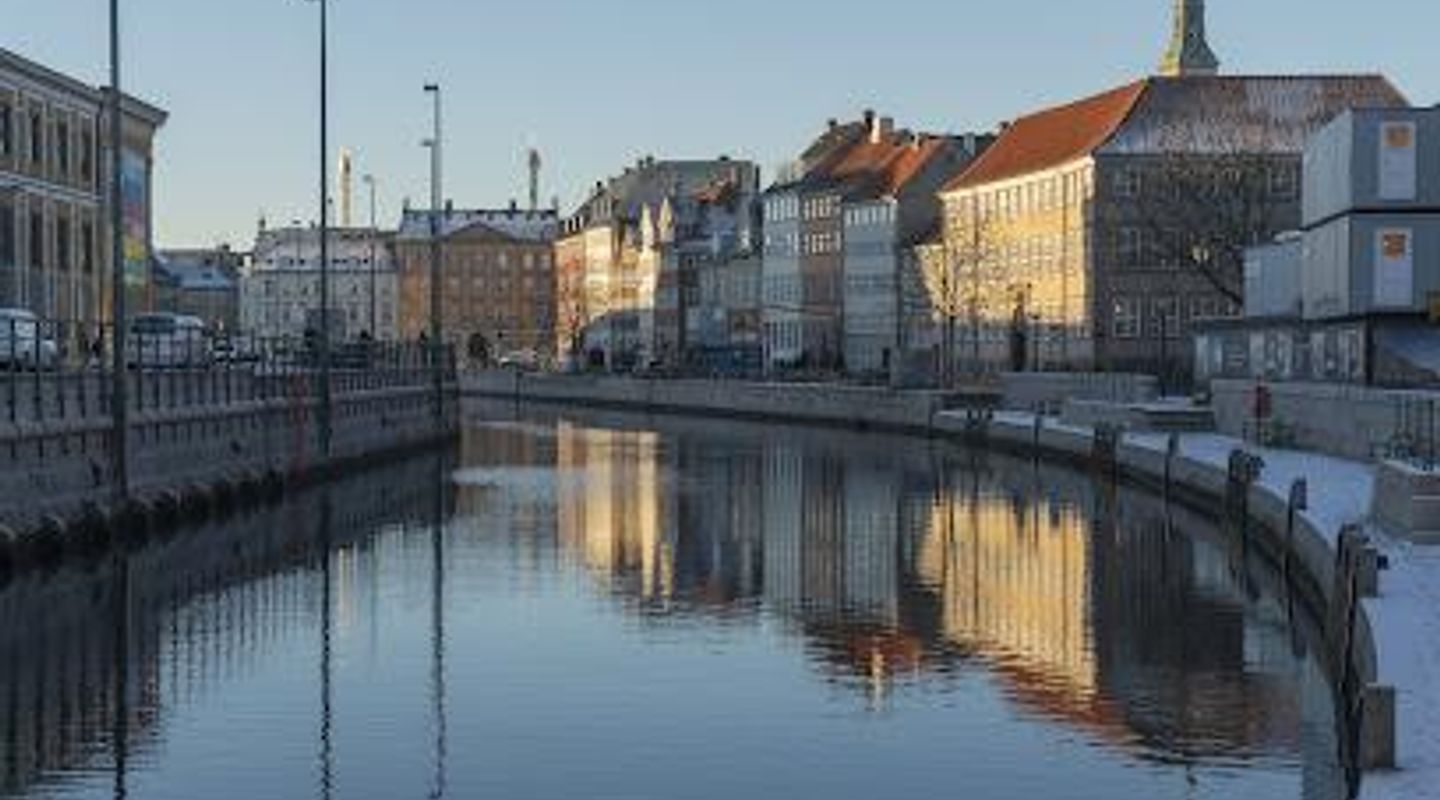
A brief summary of Gammel Strand
A historic Copenhagen harbourfront where Viking-age roots, colourful 18th‑century facades and a contemporary art centre meet beside the city’s central canal.
Gammel Strand is a historic waterfront street and art centre in Copenhagen’s inner city, where a former Viking‑age harbour and bustling fish market now meet 18th‑century townhouses and cutting‑edge exhibitions. Once the city’s shoreline and trading lifeline, the canal-front is now lined with colourful facades, cobbles and moored boats, while the Gammel Strand art institution inside a beautifully preserved townhouse presents modern and contemporary art, talks, performances and a café opening onto a tranquil courtyard.
On-site amenities
 Restrooms
 Drink options
 Drinking water
 Food options
 Seating areas
 Sheltered areas
 Trash bins
 Information boards
 Visitor centre
- Address
- Copenhagen
Getting there
Metro from central Copenhagen
Bus within the inner city
Bicycle from nearby districts
Walking from central sights
Discover more about Gammel Strand
Old Harbour at the Heart of Copenhagen
Gammel Strand, literally “Old Beach”, traces its story back to the earliest days of Copenhagen, when this stretch of waterfront formed the city’s shoreline and harbour. For centuries it was a working quay where fishermen landed their catch and traders arrived from across the Øresund. Archaeological investigations have revealed layer upon layer of harbour structures and drains leading into the canal, underscoring how central this edge of the city was to daily life and commerce.Until the 1700s the area was known simply as “By the Beach”, a reminder that the water once lapped just beyond the buildings. The narrow strip of land developed gradually as the city expanded, adapted and rebuilt after fires and storms. Yet even as Copenhagen grew into a royal capital, Gammel Strand remained a gritty working harbour, with fishing boats tied up along the quay well into the 20th century.
Colourful Facades and Canal-Side Atmosphere
Today the working harbour has given way to a photogenic row of brightly painted 18th‑century townhouses lining the canal. Their gabled roofs and tall, slim proportions echo Dutch canal architecture, but the details are distinctly Danish. Many buildings were reconstructed or extended after devastating city fires, creating a patchwork of late Baroque and later additions that tells a quiet story of resilience.From the cobbled embankment you look across the water to Christiansborg Palace and the inner harbour, while tour boats glide past and small craft bob at their moorings. It is a place to linger rather than rush through: the scale is intimate, the traffic subdued, and there is a constant interplay of reflections, facades and ripples on the canal that changes with the weather and the time of day.
An 18th-Century Townhouse Turned Art Centre
At number 48, an 18th‑century townhouse designed by architect Philip de Lange forms the architectural heart of the street. Built around 1750 for a merchant, it showcases the Dutch‑inspired late Baroque style with a finely worked sandstone portal, high panelled rooms and stucco ceilings. The house survived the great Copenhagen fire of 1795, later gaining a Baroque attic and further extensions that reflect the city’s habit of rebuilding upward rather than outward.Since the mid‑20th century the building has housed an art institution, now known simply as Gammel Strand, which occupies the historic rooms with changing exhibitions. A major renovation has carefully preserved the original structure while opening up new gallery spaces and a welcoming ground floor, demonstrating how contemporary design can coexist with listed architecture without overwhelming it.
Contemporary Art and Cultural Conversations
Inside, Gammel Strand presents a programme of modern and contemporary art that ranges from emerging Danish artists to international names. Exhibitions often explore big themes – identity, memory, politics, the climate – through installations, photography, video and painting. There is a deliberate focus on connecting art to the questions of the present, using the intimate, historic setting as a backdrop for new perspectives.Beyond the exhibitions, the house functions as a cultural hub with talks, debates, readings and performances. A small book and design shop on the ground floor extends the experience, offering art publications and carefully chosen objects. In the warmer months, the courtyard becomes an outdoor living room for the city, serving coffee and light refreshments in a sheltered, brick‑walled space that feels far from the busy streets nearby.
Experiencing Gammel Strand Today
For visitors, the appeal of Gammel Strand lies in the combination of layered history and present‑day creativity. You can trace the line of the old harbour along the canal, read the city’s past in facades and rooflines, then step indoors to encounter contemporary works that speak directly to current concerns. The setting invites slow exploration: a circuit along the quay, a pause on a bench to watch boats pass, time in the galleries, then a final moment in the courtyard café.Gammel Strand sits within easy walking distance of many central sights, making it an effortless addition to a day in the inner city. Yet it rewards those who give it more than a quick photograph. Spend a couple of hours and you begin to sense how this short street encapsulates the story of Copenhagen itself: from Viking landing place to merchant harbour, from smoky fish market to refined townhouse, and now to a canalside art space where the city continues to rethink its future.
Evendo Review Centre
 Google
Guest reviews
Best time to go
Quietest: Jan, Feb & Mar · before 8am or from 11pm
Busy times are Evendo estimates for a typical year, to help you plan. Actual crowds vary with events, school holidays and the weather.
Explore Gammel Strand on the map
A handpicked selection of must-see spots near Gammel Strand, mapped for you.
Get your free copy of our complete guide to Gammel Strand, delivered straight to you.
Everything on this page, from opening hours and how to get there to Eve’s tips and the best time to go, in one PDF you can read offline, print or share.
Already have an account? Sign in
Your Gammel Strand guide is ready.
We'll send it to · Not you? Sign out

Getting your guide ready…
We are putting together a fresh copy of the Gammel Strand guide. This can take up to a minute.
This can take a few moments. If your browser asks, choose Allow so the download can start. You'll find the guide in your Downloads folder.
Nothing happened? Download it again
Sorry, the guide is taking longer than usual. Please try again in a minute, or get it by email instead.
Unlock the best of Gammel Strand
Skip-the-line tickets, guided tours with entry, and walking tours of the area, booked in a few clicks.
 Tour with entry
Self-Guided Tour In Copenhagen with 100 Captivating Audio Stories
from $3.17 Tour with entry
Copenhagen City Highlights Group Walking Tour
from $30.25 Tour with entry
Copenhagen History Bike Tour
from $56.26 Tour with entry
E-Scooter "Stand Up Kick Bike" 2 Hour Guided Copenhagen Tour
from $78.11


Other nearby places you may find interesting
The closest places of the same kind, if this one is not quite what you had in mind.
-
Copenhagen Zoo Explore 4,000+ animals across continents without leaving Copenhagen—year-round indoor and outdoor wildlife adventure.
-
 National Aquarium Denmark
Northern Europe’s largest aquarium, where striking whirlpool architecture, sharks, sea otters and a lush indoor rainforest bring the world’s oceans to Copenhagen’s shoreline.
National Aquarium Denmark
Northern Europe’s largest aquarium, where striking whirlpool architecture, sharks, sea otters and a lush indoor rainforest bring the world’s oceans to Copenhagen’s shoreline.
-
Magstræde One of Copenhagen’s oldest cobbled lanes, Magstræde is a colorful, time‑worn shortcut through the city’s medieval heart and everyday modern life.
-
Kastellet A perfectly preserved 17th‑century star fortress where red barracks, a windmill and grassy ramparts create a quiet green refuge beside Copenhagen’s harbour.
-
Rosenborg castle A compact Renaissance palace of kings, crowns and stories, Rosenborg Castle pairs glittering Crown Jewels with tranquil gardens in the very heart of Copenhagen.
Swipe for more places
More to explore near Gammel Strand

 Best experiences near Gammel Strand
 Best hotels near Gammel Strand
 Best landmarks near Gammel Strand
 Best attractions near Gammel Strand
 Best shops near Gammel Strand
 Best restaurants near Gammel Strand
 Best bars near Gammel Strand
Do you manage this location?
Take control to get all the benefits, like improved information, better appearance, and stronger visibility across AI-powered discovery.
Explore more

Explore more of Copenhagen
Discover Copenhagen: A perfect blend of history, modernity, and vibrant culture, where picturesque canals, stunning architecture, and world-class dining await you.
Explore Copenhagen
Explore more of Denmark
Discover Denmark: A perfect blend of history, modern design, and the cozy concept of hygge. Explore vibrant cities, serene landscapes, and world-class cuisine.
Explore Denmark
