

Landbohøjskolens Have, Køge Travel Guide
Free Guide: A quietly enchanting university horticultural garden in Frederiksberg, where thousands of plants, tall trees and a hidden‑away pond create a calm green escape from central Copenhagen.


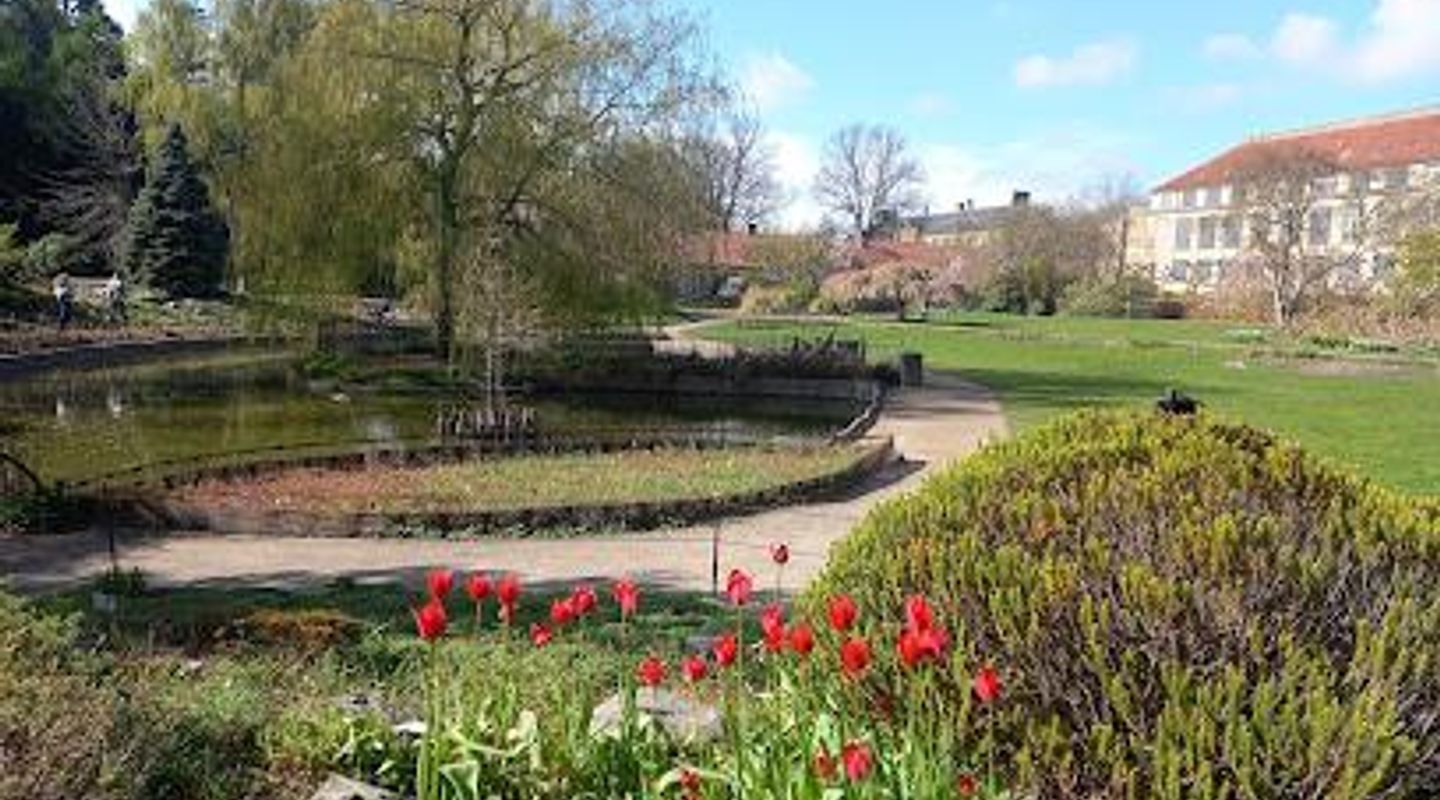
A brief summary of Landbohøjskolens Have
A quietly enchanting university horticultural garden in Frederiksberg, where thousands of plants, tall trees and a hidden‑away pond create a calm green escape from central Copenhagen.
Tucked behind university buildings in Frederiksberg, Landbohøjskolens Have is a serene 19th‑century horticultural garden that feels wonderfully removed from city bustle. Laid out as a teaching garden for the agricultural college, it now offers winding paths, themed plant beds and lawns shaded by mature trees. With more than 6,000 plant species, a small pond, roses, azaleas and medicinal herbs, it’s an inviting place for quiet strolls, close-up plant spotting or a contemplative break on one of the many benches.
On-site amenities
 Restrooms
 Drink options
 Food options
 Seating areas
 Trash bins
 Information boards
Opening hours
- Every day7 am–8 pm
Opening hours as listed on the venue’s Google Business Profile. Hours can change for services and special events, so check with the venue before you go.
- Address
- Bülowsvej 17, 1870 Frederiksberg
- Phone
- Website
Getting there
Metro from central Copenhagen
Bus within Frederiksberg and inner Copenhagen
Cycling from central districts
Walking from nearby metro stations
Discover more about Landbohøjskolens Have
A nineteenth‑century garden with academic roots
Landbohøjskolens Have sits at the heart of Frederiksberg Campus, created in the mid‑1800s for the Royal Veterinary and Agricultural University and now part of the University of Copenhagen. Its original purpose was practical: a living laboratory where horticulture and plant science could be studied in the open air. That scientific legacy is still visible today in labelled beds, carefully structured borders and an underlying sense of order beneath the apparent informality.Wandering the network of paths, you move through an outdoor classroom that has quietly evolved into one of the area’s most characterful green spaces. Academic buildings form a sheltered backdrop, but inside the garden the atmosphere is contemplative rather than institutional, with tall trees enclosing the site and soft lawns opening out between them.
Plant diversity from roses to medicinal herbs
The garden is known for its rich collections of both cultivated and wild plants, representing several thousand species. One area focuses on Danish woodland flora, where ferns and shade‑loving herbs spread under the canopy, while another is devoted to useful plants that have long played a role in food, fibre and medicine. Here you may spot classic healing herbs that still underpin modern pharmacology, planted in neat rows or more naturalistic drifts.Elsewhere, ornamental beds showcase the showier side of horticulture. A rose garden delivers colour and scent in summer, flanked by azaleas and rhododendrons that blaze earlier in the year. Pockets of alpine plants and specialist grasses highlight how species adapt to demanding environments, from windy mountain ridges to exposed dunes. Taken together, the plantings create an ever‑changing sequence of textures and colours as the seasons shift.
A pocket park shaped for quiet everyday use
Although conceived for study, Landbohøjskolens Have also functions as a neighbourhood park. Broad lawns invite picnics and informal games, while numerous benches are positioned to catch sun or shade. A small pond, often visited by ducks, adds a reflective focal point and brings in dragonflies and other aquatic life during warmer months.Because the garden is enclosed by university buildings, it feels slightly hidden from the surrounding streets. This sense of seclusion makes it appealing for reading, sketching or simply pausing between urban explorations. Paths are mostly level and well maintained, making it straightforward for families with prams and visitors with limited mobility to explore the main routes.
Subtle design details and seasonal moods
The layout balances structure and softness. Straight, axial paths hint at the garden’s formal origins, yet borders spill over with perennials and grasses to create a more relaxed feel. Mature deciduous trees lend height and dappled light, their character changing dramatically through the year: fresh green in spring, deep shade in high summer and rich colour in autumn.Seasonality is central to the experience. Early in the year, bulbs and spring flowers brighten the beds; by midsummer, the roses and herbaceous borders are at their most lush; in winter, evergreen shrubs and the bare architecture of branches take over. Subtle labelling on many plants rewards curious visitors who want to put names to unfamiliar species without disturbing the tranquility.
Café glasshouse and campus atmosphere
On certain days in the warmer months, one of the small glasshouses beside the garden opens as a simple café, offering drinks and light refreshments in a setting surrounded by foliage. Sitting by the glass, you can watch the interplay of students hurrying between lectures and locals lingering over a book, all sharing the same green refuge.Because the garden is embedded in an active campus, you may hear distant conversations or the faint hum of city life beyond the trees, yet the overall mood remains calm. Landbohøjskolens Have manages to be both a functional teaching ground for plant and environmental sciences and a welcoming urban oasis, inviting unhurried exploration rather than spectacle.
Evendo Review Centre
 Google
Guest reviews
Best time to go
Quietest: Jan, Feb & Mar · before 7am or from 9pm
Busy times are Evendo estimates for a typical year, to help you plan. Actual crowds vary with events, school holidays and the weather.
Explore Landbohøjskolens Have on the map
A handpicked selection of must-see spots near Landbohøjskolens Have, mapped for you.
Get your free copy of our complete guide to Landbohøjskolens Have, delivered straight to you.
Everything on this page, from opening hours and how to get there to Eve’s tips and the best time to go, in one PDF you can read offline, print or share.
Already have an account? Sign in
Your Landbohøjskolens Have guide is ready.
We'll send it to · Not you? Sign out

Getting your guide ready…
We are putting together a fresh copy of the Landbohøjskolens Have guide. This can take up to a minute.
This can take a few moments. If your browser asks, choose Allow so the download can start. You'll find the guide in your Downloads folder.
Nothing happened? Download it again
Sorry, the guide is taking longer than usual. Please try again in a minute, or get it by email instead.
Other nearby places you may find interesting
The closest places of the same kind, if this one is not quite what you had in mind.
-
-
-
-
-


Swipe for more places
More to explore near Landbohøjskolens Have

 Best experiences near Landbohøjskolens Have
 Best hotels near Landbohøjskolens Have
 Best landmarks near Landbohøjskolens Have
 Best attractions near Landbohøjskolens Have
 Best shops near Landbohøjskolens Have
 Best restaurants near Landbohøjskolens Have
 Best bars near Landbohøjskolens Have
Do you manage this location?
Take control to get all the benefits, like improved information, better appearance, and stronger visibility across AI-powered discovery.
Explore more
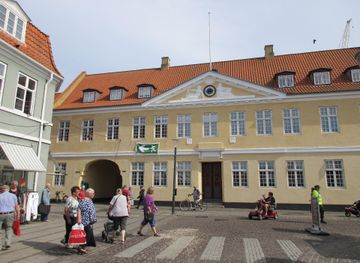
Explore more of Køge
Explore Køge, Denmark's coastal gem, with its medieval charm, beautiful marina, and close proximity to the stunning Stevns Klint UNESCO World Heritage site.
Explore Køge
Explore more of Denmark
Discover Denmark: A perfect blend of history, modern design, and the cozy concept of hygge. Explore vibrant cities, serene landscapes, and world-class cuisine.
Explore Denmark
